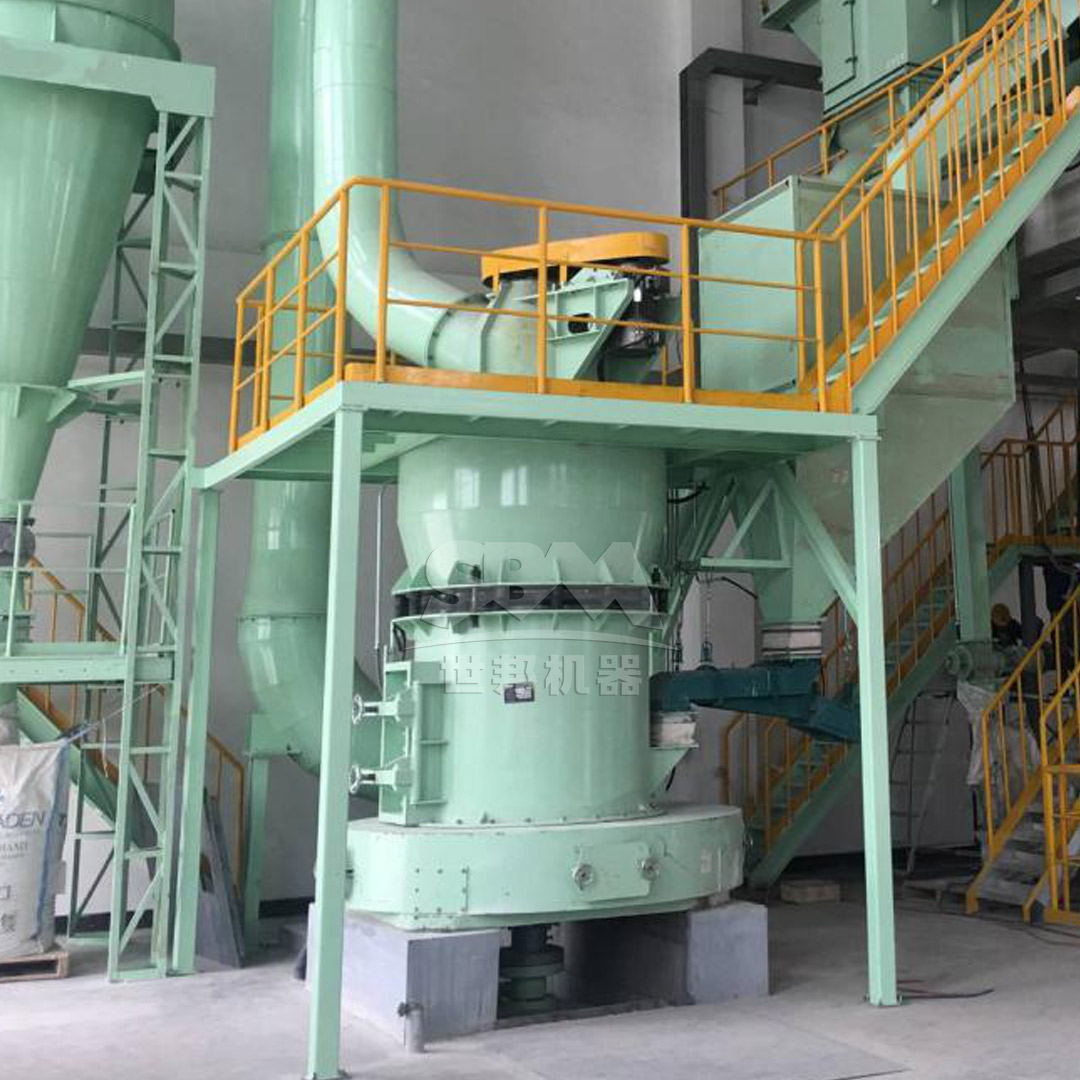
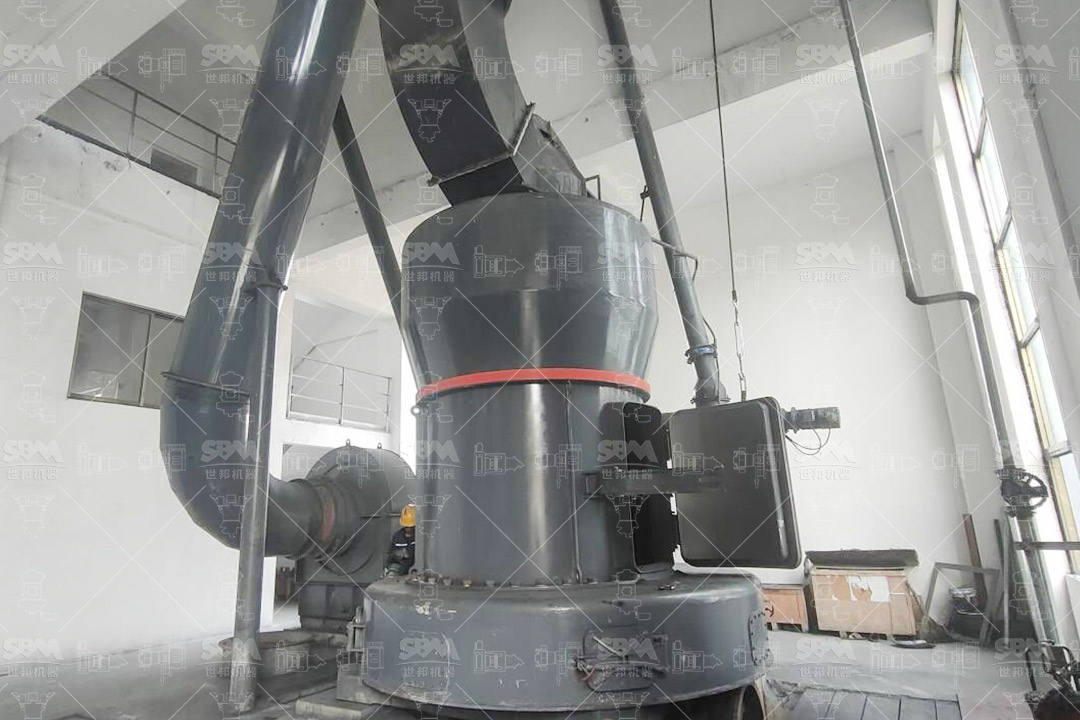
Superphosphate, a cornerstone of modern agricultural fertilization, has been instrumental in enhancing soil fertility and crop productivity for over a century. As a phosphorus-rich fertilizer, it provides essential nutrients that promote root development, flowering, and fruiting in a wide variety of crops. However, the effectiveness of superphosphate as a soil amendment depends heavily on its particle size distribution and the efficiency of its processing. This is where the selection of appropriate grinding equipment becomes critical.
Superphosphate is typically produced by treating phosphate rock with sulfuric acid, resulting in a mixture of monocalcium phosphate and calcium sulfate. The raw material must then be processed into a fine powder or granule form suitable for agricultural application. The grinding stage is pivotal because the fineness of the final product directly influences its solubility, nutrient release rate, and overall performance in the soil. For this reason, choosing the right grinding mill for superphosphate processing is not merely a matter of capacity—it is a strategic decision that affects product quality, operational costs, and environmental compliance.
Superphosphate, whether in its single (SSP) or triple (TSP) form, is a corrosive, abrasive, and hygroscopic material. Single superphosphate typically contains 16-20% P2O5, while triple superphosphate contains 44-48% P2O5. The material’s acidic nature and tendency to absorb moisture from the air create unique challenges during grinding. Equipment must be designed to resist corrosion, prevent material buildup, and maintain consistent throughput despite the sticky nature of the product.
The fineness to which superphosphate is ground determines its reactivity in soil. Coarser particles release phosphorus slowly, which can be advantageous for long-term soil improvement but may not meet the immediate needs of crops. Finer particles dissolve more rapidly, providing readily available phosphorus for plant uptake. Depending on the application—whether for direct application, blending with other fertilizers, or use in fertigation systems—the required fineness may range from 40 mesh to 325 mesh or finer.
Superphosphate processing generates heat due to the exothermic nature of the acid-rock reaction. Excessive temperature during grinding can degrade the product, leading to the formation of less soluble compounds and reducing its agronomic value. Therefore, grinding mills used in superphosphate processing must incorporate cooling mechanisms or operate at low temperatures to preserve product integrity.
Superphosphate is moderately hard, with a Mohs hardness of approximately 3-4. However, its abrasive nature, caused by residual silica and other impurities in the phosphate rock, demands grinding equipment with wear-resistant components. Mills that employ high-chrome or ceramic-lined grinding elements offer superior longevity and reduced maintenance costs over time.
The required fineness dictates the type of mill selected. For coarse grinding (down to 200 mesh), a hammer mill or a medium-speed trapezium mill may suffice. For fine and ultrafine grinding (325 to 2500 mesh), vertical roller mills or ultrafine mills are necessary. The ability to adjust particle size distribution within a narrow range is also important, as uniformity ensures consistent product quality.
Processing plants vary widely in scale, from small regional operations producing a few tons per hour to large industrial facilities capable of hundreds of tons per hour. The grinding mill must be scalable to meet current production targets while allowing for future expansion. Modular designs and variable-speed drives facilitate scalability without requiring complete equipment replacement.
Grinding is one of the most energy-intensive stages in superphosphate production. The mill’s energy consumption directly impacts operating costs and the carbon footprint of the final product. Modern mills, such as vertical roller mills and ultrafine mills, offer significant energy savings compared to traditional ball mills—often reducing power consumption by 30-50%.
Superphosphate dust is not only a health hazard for workers but also an environmental pollutant. Grinding mills must be equipped with efficient dust collection systems, such as pulse-jet baghouses or cyclones with high collection efficiency. Negative pressure operation and sealed grinding chambers further prevent dust leakage and maintain a clean working environment.
Downtime for maintenance can be costly. Mills with easy access to wear parts, quick-change mechanisms, and long-lasting components reduce maintenance frequency and duration. The availability of spare parts and technical support from the manufacturer is also a critical consideration.
Hammer mills are ideal for primary grinding of superphosphate when the required fineness is relatively coarse (0-3 mm). They operate on the principle of impact crushing, where high-speed rotating hammers strike the material and break it into smaller pieces. Hammer mills are simple, compact, and cost-effective, making them suitable for small- to medium-scale operations.
However, hammer mills produce a wide particle size distribution and may generate excessive fines if not properly controlled. They are also less effective for very fine grinding and may require additional classification equipment.
For superphosphate processors requiring fineness between 45 and 325 mesh, the MTM Series Medium-Speed Trapezium Mill offers an excellent balance of capacity, efficiency, and product quality. This mill uses a unique trapezium grinding ring and roller design that increases the grinding area and improves efficiency.
Key advantages of the MTM series include intelligent pressure regulation that automatically compensates for roller wear, extending the life of wear parts by up to 30%. The innovative roller assembly with horizontal pull-rod connection protects the main shaft bearings and handles large feed materials with ease. Damping springs and sealing strips reduce noise and vibration, ensuring stable operation even under demanding conditions.
With capacities ranging from 3 to 22 tons per hour and fineness adjustable down to 0.038 mm (400 mesh), the MTM series is well-suited for medium-scale superphosphate production. Its multi-stage dust collection options ensure emissions meet or exceed national standards, making it an environmentally responsible choice.
When superphosphate is intended for specialized applications such as high-analysis fertilizer blends or liquid fertilizers, ultrafine grinding is required. The SCM Series Ultrafine Mill is engineered to produce powders in the 325-2500 mesh range with exceptional precision.
The SCM mill’s vertical turbine classifier achieves precise particle size cutting, ensuring no coarse powder contamination and uniform finished products. Its capacity is twice that of jet mills, while energy consumption is 30% lower—a significant advantage for cost-conscious producers. The intelligent control system provides automatic feedback on finished product granularity, allowing operators to maintain consistent quality with minimal manual intervention.
Durability is another hallmark of the SCM series. Special material rollers and rings extend service life several times over, and the shaftless screw grinding chamber ensures stable operation with minimal vibration. The pulse dust collection system exceeds international standards for efficiency, and the soundproof room design keeps noise levels well within acceptable limits.
With models ranging from SCM800 (0.5-4.5 t/h) to SCM1680 (5-25 t/h), the SCM series can accommodate a wide range of production capacities, making it a versatile choice for superphosphate processors seeking ultrafine grinding capability.
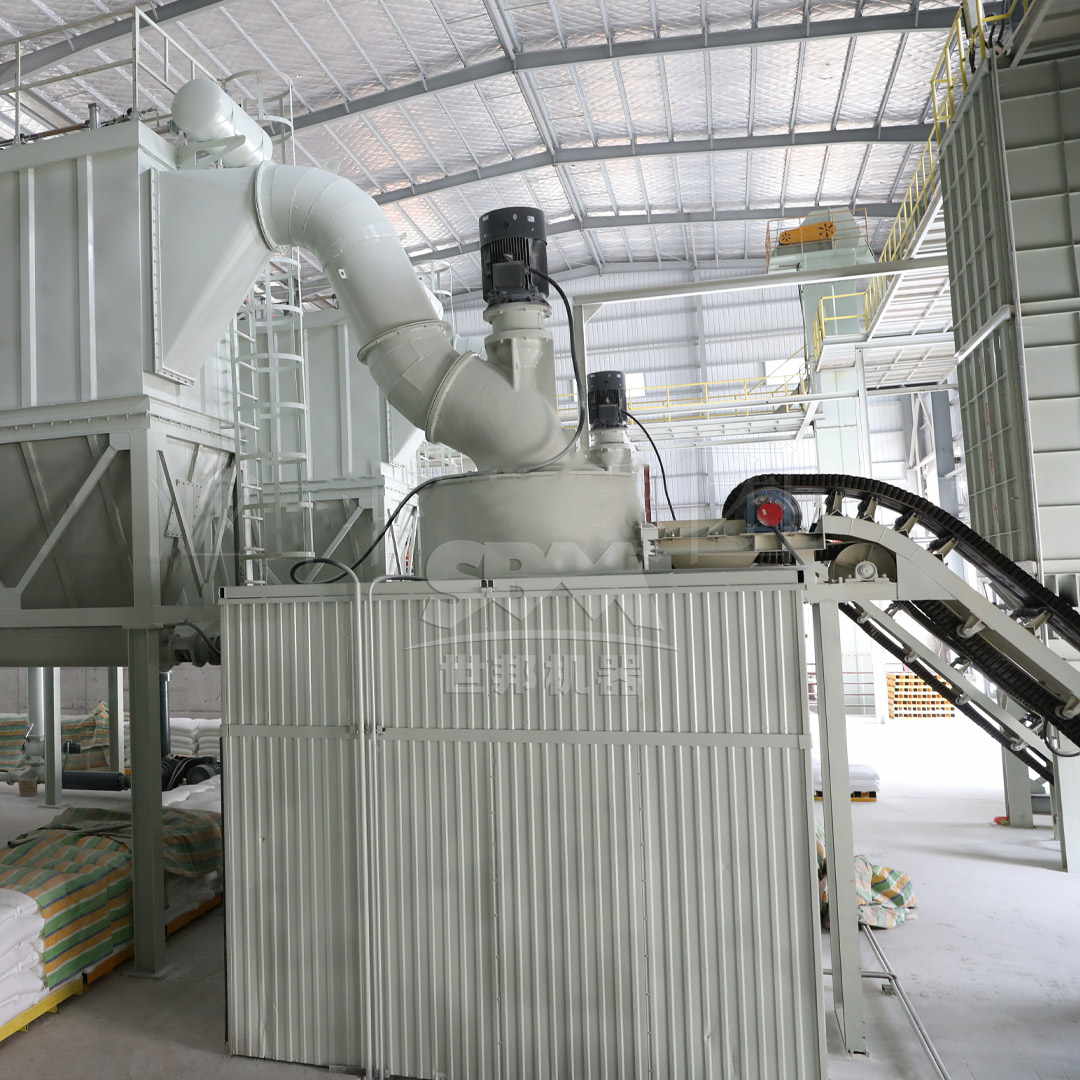
For large-scale superphosphate production, the LM Series Vertical Roller Mill offers unmatched capacity and efficiency. With models capable of processing up to 250 tons per hour, the LM series is the go-to solution for industrial-scale fertilizer plants.
The LM mill integrates crushing, grinding, and classification into a single unit, reducing floor space by 50% compared to traditional systems. Its non-contact design between rollers and table minimizes wear, increasing wear part life by three times. Energy consumption is 30-40% lower than ball mill systems, translating into substantial operational savings.
The LM series also features an expert-level automatic control system that supports remote and local switching, real-time parameter monitoring, and reduced manual intervention. Fully sealed negative pressure operation ensures dust emission is negligible, and operating noise is minimized. For superphosphate processors prioritizing high throughput, low operating costs, and environmental compliance, the LM series is an ideal choice.
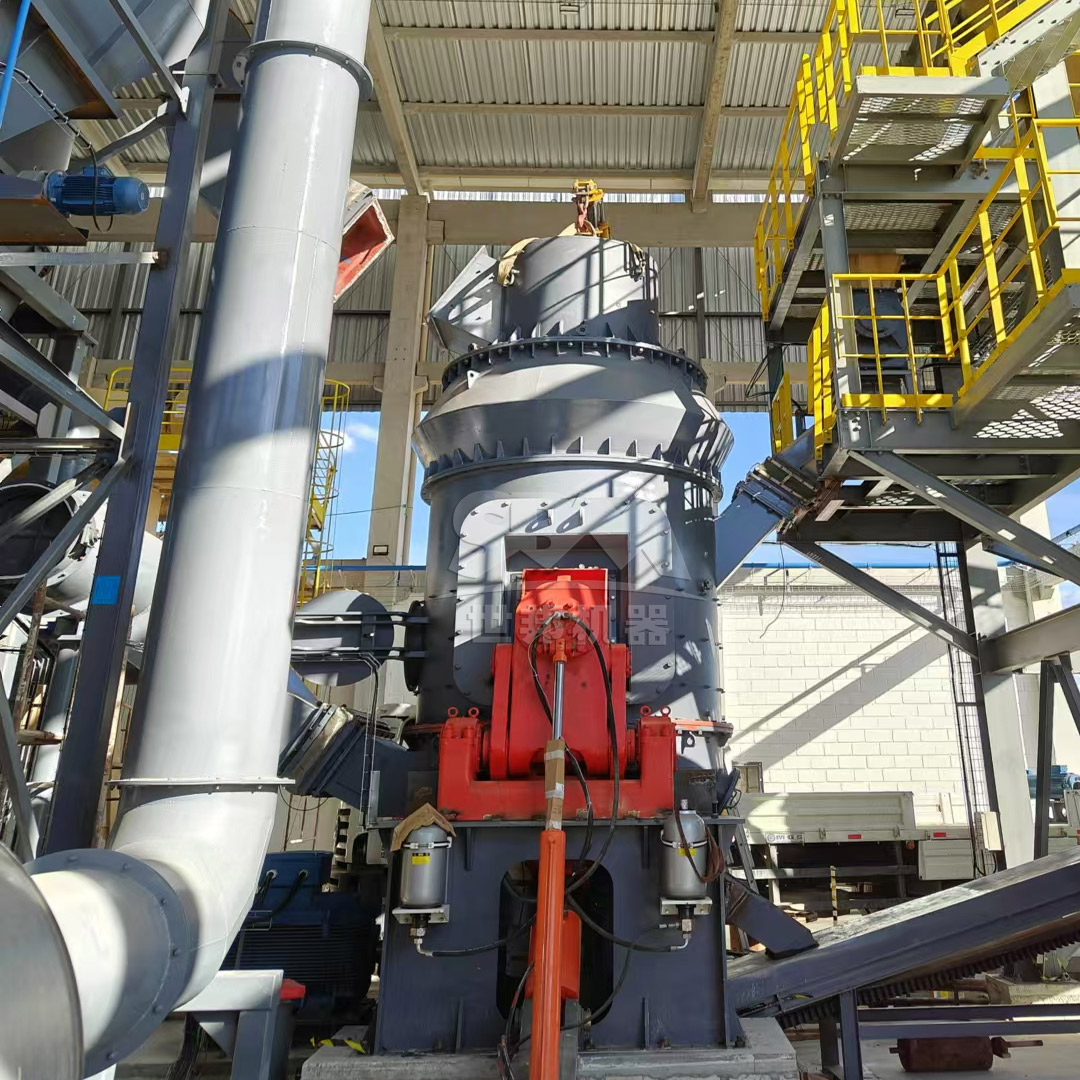
The LUM Series Ultrafine Vertical Roller Mill represents the cutting edge of fine grinding technology. Designed for superphosphate applications requiring fineness between 325 and 2500 mesh, the LUM mill combines efficient grinding, precise classification, and smart control in a compact footprint.
Its unique roller and liner curves improve grinding efficiency, while the multi-rotor classifier ensures no coarse particles escape into the finished product. PLC automation ensures stable operation, and the negative pressure design prevents dust leakage. Models such as the LUM1525, LUM1632, and LUM1836 offer capacities from 1.6 to 15 tons per hour, making them suitable for medium- to large-scale ultrafine grinding operations.
| Mill Type | Fineness Range | Capacity (t/h) | Energy Efficiency | Best Application |
|---|---|---|---|---|
| Hammer Mill | 0-3 mm | 8-70 | Moderate | Coarse grinding, primary crushing |
| MTM Trapezium Mill | 45-325 mesh | 3-22 | High | Medium-fine grinding, general fertilizer |
| SCM Ultrafine Mill | 325-2500 mesh | 0.5-25 | Very High | Ultrafine grinding, specialty fertilizers |
| LM Vertical Roller Mill | 30-325 mesh | 3-250 | Very High | Large-scale production, high throughput |
| LUM Ultrafine Vertical Mill | 325-2500 mesh | 1.6-15 | Very High | Premium ultrafine products, precision |
Superphosphate’s hygroscopic nature requires careful material handling to prevent caking and blockages. Feeders should be designed with anti-clogging features, and conveying systems should be enclosed to minimize moisture ingress. The grinding mill’s feed inlet should be equipped with a rotary valve or double-flap valve to maintain negative pressure and prevent dust escape.
After grinding, the superphosphate powder must be classified to ensure the desired particle size distribution. Dynamic classifiers, such as the vertical turbine classifier used in the SCM series, provide precise cut points and high efficiency. Cyclone collectors and pulse-jet baghouses then separate the fine powder from the air stream, discharging clean air to the atmosphere.
Dust control is not optional—it is a regulatory requirement and a worker safety imperative. Mills should be integrated with high-efficiency dust collection systems that capture particles down to 1 micron. Regular maintenance of filter bags and seals is essential to maintain collection efficiency and prevent fugitive emissions.
Modern grinding mills increasingly rely on automation to optimize performance. Variable-frequency drives, programmable logic controllers (PLCs), and human-machine interfaces (HMIs) allow operators to monitor and adjust grinding parameters in real time. Automatic feedback on product fineness, mill load, and temperature ensures consistent quality and prevents equipment damage.
A medium-scale single superphosphate producer in Southeast Asia required a grinding solution capable of processing 10 tons per hour to a fineness of 100 mesh. After evaluating multiple options, the company selected the MTW Series European Trapezium Mill. The mill’s anti-wear shovel design and integral bevel gear drive reduced maintenance costs by 30% and energy consumption by 20% compared to the previous ball mill system. The producer reported improved product uniformity and higher customer satisfaction.
A European fertilizer manufacturer needed to produce ultrafine triple superphosphate (325 mesh) for specialty fertilizer blends. The company installed an SCM1250 Ultrafine Mill, which delivered 8 tons per hour with precise particle size control. The intelligent control system allowed the operator to switch between product grades without lengthy changeover times. The mill’s pulse dust collection system ensured compliance with stringent European emissions standards.
A large-scale superphosphate plant in South America required a grinding mill capable of processing 100 tons per hour. The plant chose the LM220K Vertical Roller Mill, which integrated crushing, grinding, and classification into a single unit. Energy consumption dropped by 35% compared to the old ball mill circuit, and the plant’s carbon footprint was significantly reduced. The mill’s intelligent control system enabled remote monitoring and predictive maintenance, reducing unplanned downtime by 40%.
Grinding rollers, rings, and liners are subject to wear and must be inspected regularly. Wear beyond acceptable limits reduces grinding efficiency and increases energy consumption. Establishing a wear monitoring schedule and replacing worn parts promptly can prevent costly downtime and product quality issues.
Proper lubrication of bearings, gearboxes, and drive systems is essential for reliable operation. Use lubricants recommended by the manufacturer and adhere to specified intervals. For mills with oil lubrication systems, such as the MRN Pendulum Mill with thin oil lubrication, regular oil analysis can detect contamination and prevent premature failure.
Dust collectors must be maintained to ensure efficient operation. Filter bags should be inspected for tears and replaced as needed. Pulse valves and compressed air lines should be checked for leaks. A well-maintained dust collector not only ensures environmental compliance but also protects the mill from dust ingress.
Even the most advanced mill requires skilled operators to achieve optimal performance. Training should cover startup and shutdown procedures, normal operation, troubleshooting, and emergency response. Operators should understand the relationship between feed rate, grinding pressure, and product fineness, and be able to make adjustments as needed.
Selecting the right grinding mill for superphosphate processing is a decision that impacts product quality, operational efficiency, and environmental compliance. The choice depends on several factors, including required fineness, production capacity, energy costs, and maintenance considerations.
For coarse grinding, hammer mills offer simplicity and low investment. For medium-fine grinding, the MTM Series Medium-Speed Trapezium Mill provides an excellent balance of capacity and efficiency. For ultrafine grinding, the SCM Series Ultrafine Mill delivers precision and energy savings. For large-scale operations, the LM Series Vertical Roller Mill offers unmatched capacity and low operating costs. And for premium ultrafine products, the LUM Series Ultrafine Vertical Roller Mill represents the state of the art.
Ultimately, the best mill is one that aligns with your specific production goals, budget, and operational constraints. By carefully evaluating your requirements and consulting with equipment manufacturers, you can select a grinding mill that will serve your superphosphate processing needs for years to come.
As the global demand for food security and sustainable agriculture continues to rise, superphosphate will remain a vital tool for soil improvement. Investing in the right grinding equipment ensures that this essential fertilizer is produced efficiently, consistently, and responsibly—benefiting farmers, consumers, and the environment alike.