

Introduction The manufacturing of daily-use products from plaster, such as decorative moldings, ceiling tiles, art casts, and medical/dental models, relies fundamentally on the quality and consistency of the raw plaster powder. The transformation of raw gypsum rock into a fine, uniform powder suitable for precise casting and molding is a critical process that demands specialized […]
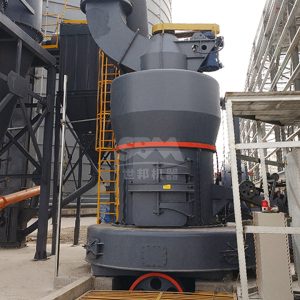
Introduction: The Critical Role of Fertilizer Gypsum in Modern Agriculture In the pursuit of sustainable and high-yield agriculture, soil health is paramount. Fertilizer gypsum, primarily composed of calcium sulfate dihydrate (CaSO4·2H2O), has emerged as a vital soil amendment. It addresses critical issues such as soil sodicity, aluminum toxicity, and calcium deficiency, while improving soil structure, […]
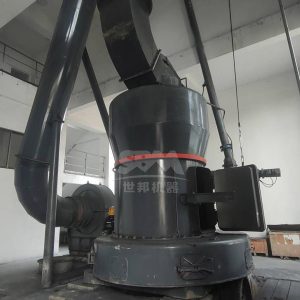
Introduction The production of food-grade gypsum (calcium sulfate dihydrate, CaSO4·2H2O) as a functional additive demands stringent control over purity, particle size, and microbiological safety. As a key ingredient in tofu coagulation, dough conditioners, and calcium fortification, its manufacturing process must adhere to rigorous food safety standards like FDA 21 CFR Part 184 and EU regulations. […]
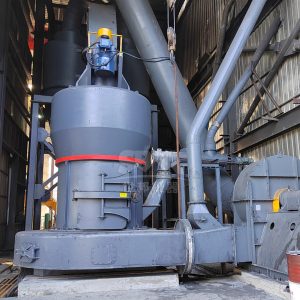
Introduction The production of medical-grade gypsum additives, such as plaster of Paris for casts or dental plasters, demands a stringent level of quality control. The final product must exhibit consistent purity, precise particle size distribution, and optimal setting properties. Achieving these specifications hinges on selecting the right processing equipment. This comprehensive guide explores the critical […]
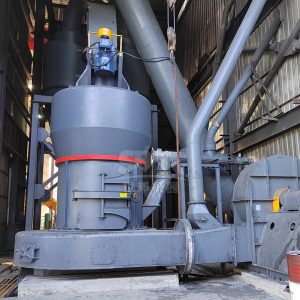
Introduction The production of pharmaceutical-grade gypsum powder (Calcium Sulfate Dihydrate, USP/EP grade) represents one of the most demanding applications in powder processing. Unlike industrial-grade gypsum, pharmaceutical-grade material must meet stringent criteria for purity, particle size distribution (PSD), chemical stability, and microbiological control. The selection and operation of the milling equipment are, therefore, not merely a […]
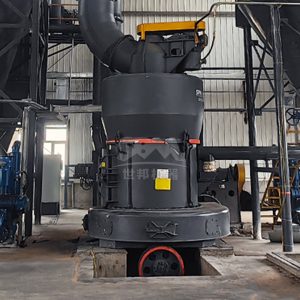
Introduction The production of high-purity, chemical-grade gypsum powder (calcium sulfate dihydrate, hemihydrate, or anhydrite) is a sophisticated industrial process demanding precise control over particle size distribution, whiteness, chemical purity, and crystalline structure. This fine powder is a critical raw material in diverse sectors, including construction (plasters, self-leveling compounds), pharmaceuticals (tablet excipients), food (coagulant, calcium fortifier), […]
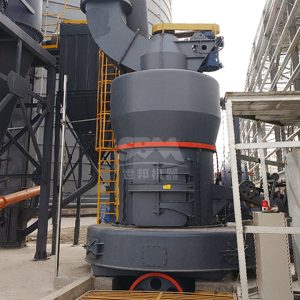
Introduction The production of high-performance paint additives, particularly those based on gypsum (calcium sulfate), demands precise control over particle size, distribution, and purity. The choice of grinding mill is a critical decision that directly impacts product quality, production efficiency, and operational costs. Gypsum, when finely ground, acts as a functional filler, extender, and rheology modifier […]
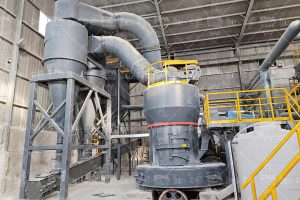
Introduction The paper industry is a cornerstone of modern communication and packaging, constantly evolving to meet demands for higher quality, improved sustainability, and cost efficiency. A critical component in this evolution is the use of functional additives, with gypsum (calcium sulfate) emerging as a vital material for both filler and coating applications. Gypsum additives enhance […]

Introduction The production of high-performance rubber products often relies on the incorporation of finely ground functional additives. Among these, gypsum (calcium sulfate) plays a crucial role as a filler, flame retardant, and processing aid. The efficacy of gypsum in rubber compounding is directly linked to its particle size, particle size distribution (PSD), and purity. Achieving […]