
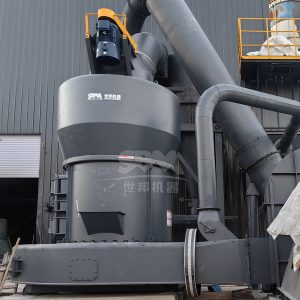
Introduction Bamboo charcoal, a versatile and eco-friendly material, has gained significant traction across various industries, including water purification, air filtration, agriculture, and personal care. Its unique porous structure, high adsorption capacity, and mineral-rich composition make it a superior alternative to traditional activated carbon. However, transforming raw bamboo into high-value charcoal products requires a sophisticated and […]
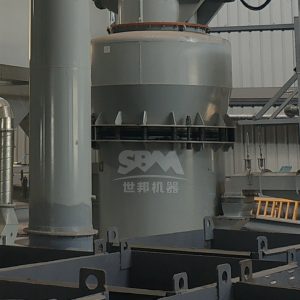
Introduction Coconut shell charcoal, a high-value biomass-derived product, is prized for its high calorific value, low ash content, and porous structure, making it ideal for applications ranging from metallurgical fuel and activated carbon feedstock to barbecue briquettes and soil amendment. The transformation of raw coconut shells into uniform, market-ready charcoal powder hinges on efficient and […]
Introduction to Activated Carbon Production Activated carbon, a highly porous material with an extensive internal surface area, is indispensable in modern purification, filtration, and catalysis applications. Its production is a sophisticated process that transforms carbon-rich raw materials—such as coconut shells, wood, coal, and peat—into a powerful adsorbent. The efficiency, quality, and economic viability of the […]
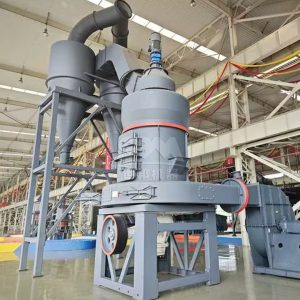
Introduction Talc, a hydrated magnesium silicate mineral, is prized for its softness, lamellar structure, chemical inertness, and hydrophobic properties. These characteristics make it an indispensable additive in industries ranging from plastics and paints to cosmetics, paper, and pharmaceuticals. The value of talc is directly tied to its particle size distribution, whiteness, and purity. Therefore, the […]
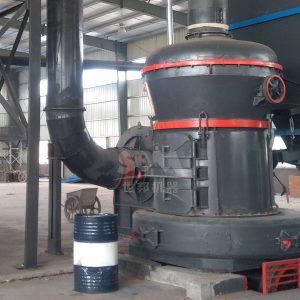
Introduction: The Imperative for Advanced Glass Recycling The global push towards a circular economy has placed immense focus on the efficient recycling of post-consumer and industrial waste. Among these materials, glass stands out for its infinite recyclability without loss of quality. However, transforming collected cullet (crushed recycled glass) into a valuable, consistent powder for use […]
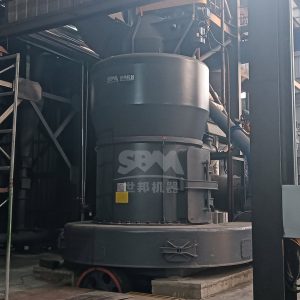
Introduction The production of high-quality coke powder is a critical process in various industries, including metallurgy, foundry, and chemical manufacturing. Achieving the desired particle size distribution, fineness, and production efficiency hinges on selecting the right grinding equipment. This comprehensive guide explores the complete production line for coke powder, detailing key processes, equipment selection criteria, and […]
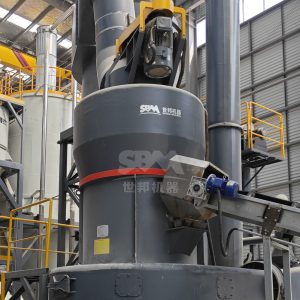
Introduction Coal gangue, a solid waste generated during coal mining and washing, presents significant environmental and land-use challenges. However, its potential as a valuable resource in construction materials, ceramics, and other industries is increasingly recognized. Processing coal gangue into fine or ultrafine powder is the key to unlocking this value. A well-designed production line is […]
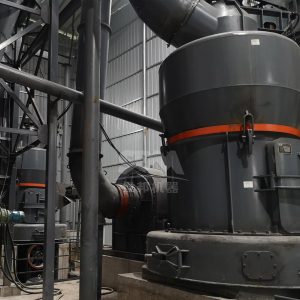
Introduction: The Significance of Lignite Processing Lignite, often referred to as brown coal, represents a significant global energy resource. Its efficient utilization, however, hinges on advanced processing technologies to convert this low-rank coal into a high-value, consistent, and reactive powder. The core of any lignite beneficiation or direct combustion system is the grinding mill plant. […]
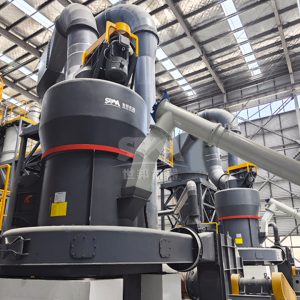
Introduction The production of powdered bituminous coal, a critical fuel for power generation, cement kilns, and various industrial processes, hinges on the efficiency and reliability of the grinding system. Selecting the appropriate production equipment is not merely a procurement decision; it is a strategic investment that directly impacts operational costs, product quality, environmental compliance, and […]