
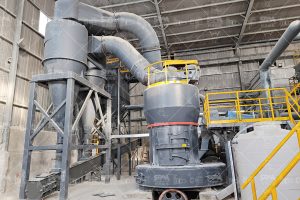
Introduction: The Critical Role of Quartz Processing in Semiconductor Manufacturing The semiconductor industry relies heavily on high-purity quartz materials for various applications, particularly in the production of silicon wafers that form the foundation of modern electronics. Quartz roller mills have emerged as essential equipment in this process, offering unprecedented precision and efficiency in transforming raw […]
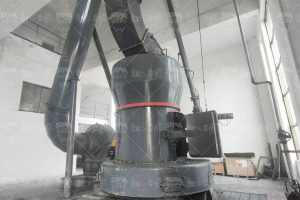
Introduction Self-leveling floor compounds (SLCs) have revolutionized modern construction with their ability to create perfectly flat surfaces quickly and efficiently. At the heart of high-quality SLC production lies the proper preparation of gypsum powder, where particle size distribution, purity, and consistency play crucial roles in determining the final product performance. Selecting the appropriate gypsum grinding […]
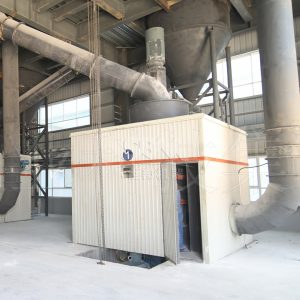
Introduction Carbon black has long been recognized as a critical reinforcing filler in polymer composites, significantly enhancing mechanical properties, UV resistance, and electrical conductivity. However, the performance benefits of carbon black in polymer matrices are heavily dependent on its particle size, distribution, and dispersion quality. Ultrafine grinding technology has emerged as a pivotal process for […]
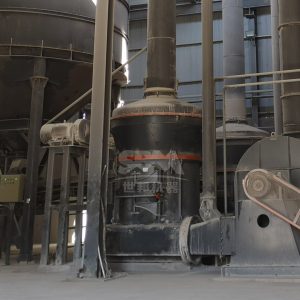
Introduction Petroleum coke (petcoke) has become an essential fuel source in metallurgical industries due to its high calorific value and cost-effectiveness compared to traditional fuels. However, the efficiency of petcoke utilization heavily depends on proper grinding to achieve optimal particle size distribution. Selecting the right milling equipment is crucial for maximizing combustion efficiency, reducing energy […]
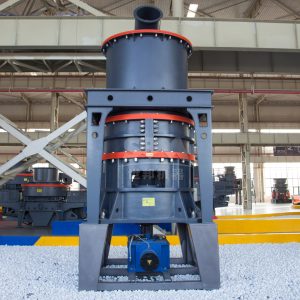
Introduction The manufacturing of high-quality electrical porcelain demands exceptional precision in raw material preparation, particularly in the grinding of feldspar. As a key component in porcelain formulations, feldspar’s particle size distribution, purity, and consistency directly impact the final product’s dielectric strength, mechanical properties, and thermal stability. This comprehensive analysis explores the critical factors in optimizing […]
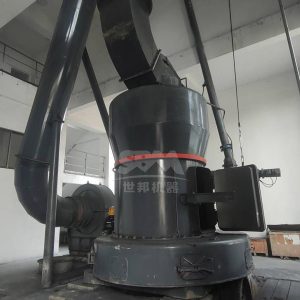
Introduction to High-Purity Calcium Carbonate Production The production of high-purity calcium carbonate from limestone represents one of the most important mineral processing applications across numerous industries. With applications spanning from pharmaceuticals and food additives to plastics, paints, and paper coating, the demand for precisely controlled calcium carbonate powder continues to grow. The key to successful […]
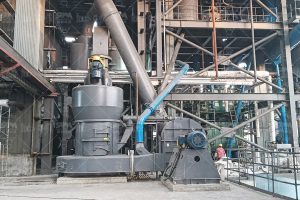
Introduction to Barite in Soundproofing Applications Barite, also known as barium sulfate, has emerged as a critical component in modern soundproofing materials due to its exceptional density and acoustic absorption properties. With a specific gravity of 4.3-4.6, barite possesses one of the highest densities among non-metallic minerals, making it ideal for creating mass-loaded vinyl and […]
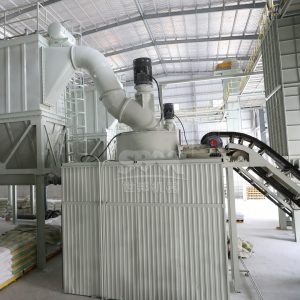
Introduction to Kaolin in Catalyst Support Applications Kaolin, also known as china clay, is a naturally occurring hydrated aluminum silicate mineral that has become increasingly important in industrial catalyst support production. The unique properties of kaolin, including its chemical inertness, thermal stability, and specific surface area characteristics, make it an ideal material for supporting various […]
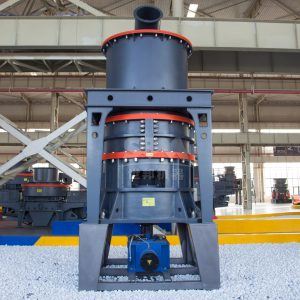
Introduction to Dolomite Grinding for Lightweight Aggregates The production of lightweight aggregates represents a sophisticated process where material characteristics directly influence final product quality. Dolomite, a calcium magnesium carbonate mineral (CaMg(CO3)2), has emerged as a preferred raw material due to its favorable thermal properties and structural integrity when processed. The transformation of raw dolomite into […]