
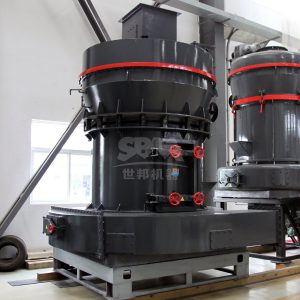
Introduction Quartz is a fundamental raw material in ceramic manufacturing, prized for its ability to enhance mechanical strength, thermal stability, and chemical resistance in the final product. The quality of the quartz powder, particularly its fineness and purity, directly influences the performance and aesthetics of the ceramic ware. Therefore, selecting the appropriate quartz pulverizer is […]
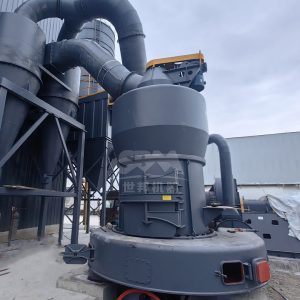
Introduction to Dolomite in Flooring Applications Dolomite, a calcium magnesium carbonate mineral, has emerged as a critical component in modern flooring materials due to its exceptional physical properties and cost-effectiveness. As a filler material, finely ground dolomite enhances the durability, dimensional stability, and mechanical strength of various flooring products including vinyl composition tiles, epoxy flooring […]
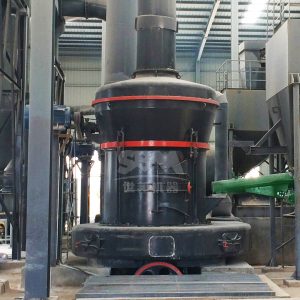
Introduction The selection of an appropriate talc grinding plant is a critical decision for paint and coating manufacturers. Talc, as a functional filler and extender, significantly influences product properties such as opacity, viscosity, gloss control, and durability. The grinding process determines the final particle size distribution, which directly impacts these characteristics. This comprehensive guide will […]
Introduction: The Sustainability Imperative in Cement Manufacturing The global construction industry faces unprecedented pressure to reduce its environmental footprint, with cement production accounting for approximately 8% of worldwide carbon dioxide emissions. As the construction sector increasingly prioritizes sustainability, cement manufacturers must adopt innovative technologies that enhance efficiency while minimizing environmental impact. Vertical grinding mills represent […]
Introduction to Petroleum Coke Processing Petroleum coke (petcoke) is a carbonaceous solid derived from oil refinery coker units or other cracking processes. As a valuable carbon material, it finds extensive applications in aluminum anodes, steel production, fuel sources, and various industrial processes. The quality of ground petcoke significantly impacts its performance in these applications, making […]

Introduction to Carbon Black in Rubber Applications Carbon black is a critical additive in rubber compounding, serving as both a reinforcing filler and a conductivity enhancer. The electrical conductivity of rubber compounds is significantly influenced by the particle size, structure, and dispersion quality of carbon black. Proper grinding and processing of carbon black are essential […]
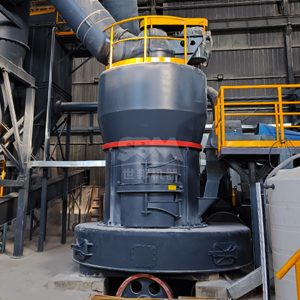
Introduction: The Critical Role of Feldspar in Advanced Ceramics The advanced ceramics industry has experienced remarkable growth in recent decades, driven by increasing demand across electronics, aerospace, medical devices, and industrial applications. At the heart of this technological revolution lies feldspar – a group of rock-forming minerals that serve as essential raw materials for ceramic […]

Introduction Bentonite plays a crucial role in drilling mud preparation, serving as a vital component that provides viscosity, filtration control, and wellbore stability. The performance of bentonite in drilling applications is heavily dependent on its particle size distribution and purity. Selecting the appropriate pulverizing mill is therefore essential for achieving optimal mud properties and ensuring […]
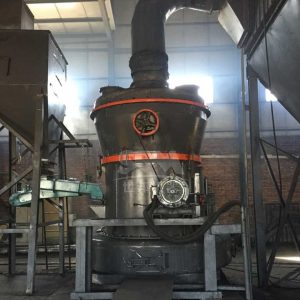
Introduction The industrial paint industry demands consistent, high-quality barite powder with precise particle size distribution to achieve optimal performance in coatings, primers, and specialized finishes. Barite (barium sulfate) serves as a critical extender and filler, providing essential properties such as chemical inertness, low oil absorption, and excellent dispersion characteristics. Establishing an efficient barite grinding plant […]