
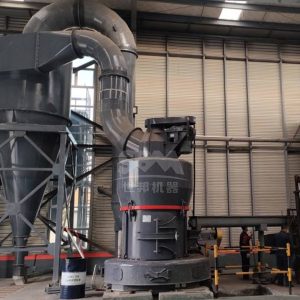
Introduction to High-Purity Limestone Processing High-purity limestone, characterized by its calcium carbonate content exceeding 97%, has become an indispensable raw material across numerous advanced industrial sectors. From pharmaceuticals and food additives to plastics, paints, and advanced construction materials, the demand for precisely controlled limestone powders continues to grow exponentially. The transformation of raw limestone into […]
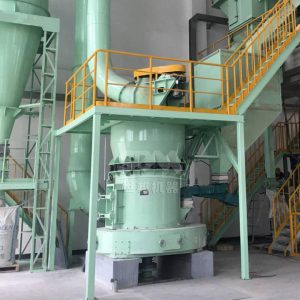
Introduction Dolomite, a calcium magnesium carbonate mineral, has become increasingly important in various industrial applications due to its unique properties. From construction materials to agricultural supplements and environmental remediation, the demand for high-quality dolomite powder continues to grow. However, traditional grinding methods often fall short in meeting both production efficiency and environmental protection standards. This […]
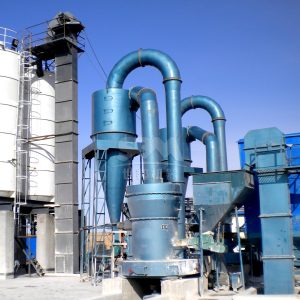
Introduction: The Critical Role of Quartz Purification in Semiconductor Manufacturing The semiconductor industry relies on high-purity silicon wafers as the fundamental substrate for integrated circuits. While silicon forms the core material, quartz plays an equally vital role throughout the manufacturing process. High-purity quartz is essential for crucibles that contain molten silicon during crystal growth, for […]
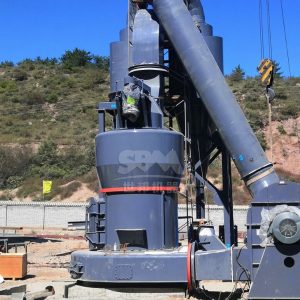
Introduction to Petroleum Coke Grinding Petroleum coke, a carbonaceous solid derived from oil refinery coker units or other cracking processes, has become an essential material in various industrial applications, particularly in smelting and refining operations. The quality of petroleum coke powder directly impacts the efficiency and output of these processes, making the selection of appropriate […]
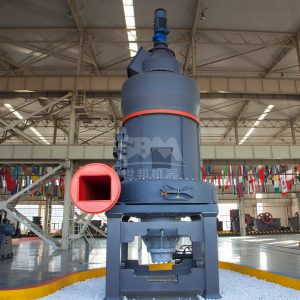
Introduction: The South American Cement Industry Landscape The South American cement industry is experiencing significant growth, driven by infrastructure development, urbanization, and economic expansion across the region. Countries like Brazil, Colombia, Peru, and Chile are leading this growth with substantial investments in construction projects. However, cement manufacturers face increasing pressure to optimize production efficiency, reduce […]
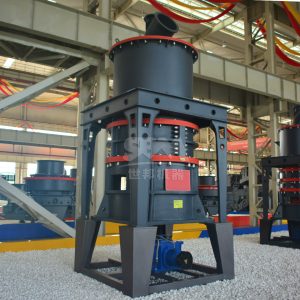
Introduction to Carbon Black in Rubber Compounding Carbon black is one of the most essential reinforcing fillers in the rubber industry, significantly enhancing the mechanical properties, durability, and performance of rubber products. The effectiveness of carbon black in rubber compounding depends heavily on its particle size, structure, and surface area, which are directly influenced by […]
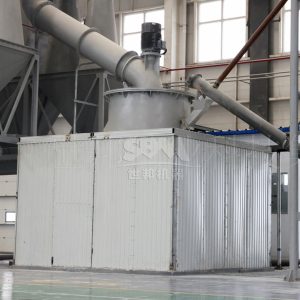
Introduction to Bentonite in Foundry Applications Bentonite clay plays a crucial role in foundry sand preparation, serving as the primary binding agent that provides the necessary green strength, dry strength, and thermal stability for mold formation. The quality of bentonite grinding directly impacts the performance of foundry sands, making the selection of appropriate grinding equipment […]
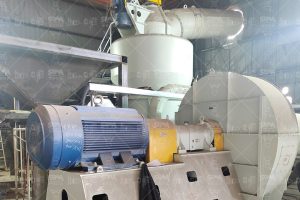
Introduction to Kaolin Processing for Fine Ceramics Kaolin, also known as china clay, is an essential raw material in the manufacturing of fine ceramics, porcelain, and advanced ceramic components. The quality of kaolin powder directly influences the final product’s mechanical strength, thermal stability, and surface finish. To achieve the precise particle size distribution required for […]
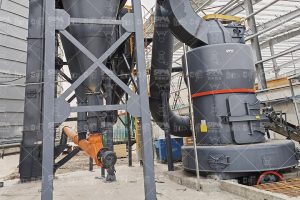
Introduction: The Critical Role of Coal Preparation in Steel Manufacturing The steel industry remains one of the most energy-intensive manufacturing sectors globally, with coal playing an indispensable role as both a fuel source and reducing agent in blast furnace operations. The efficiency of coal combustion and conversion processes directly impacts energy consumption, production costs, and […]