
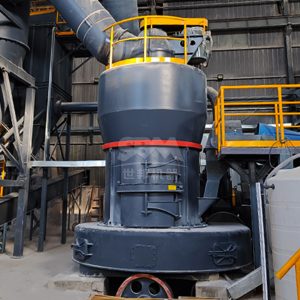
Introduction The production of high-quality refractory materials begins with the precise processing of raw bauxite into finely ground powder. The selection of an appropriate grinding mill is crucial for achieving the desired particle size distribution, chemical purity, and physical properties required for refractory applications. This comprehensive guide explores the key factors to consider when choosing […]
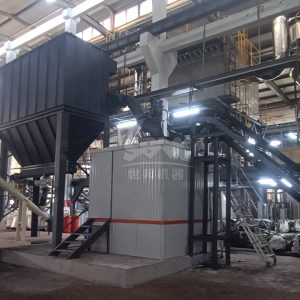
Introduction The paper and pulp industry relies heavily on high-quality fillers and coating pigments to achieve optimal paper properties, with limestone (calcium carbonate) being one of the most essential materials. The efficiency of limestone grinding directly impacts production costs, product quality, and environmental compliance. Modern roller mill technology has revolutionized this process, offering significant advantages […]
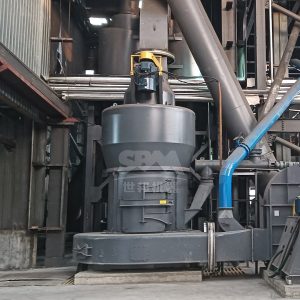
Introduction The textile industry relies heavily on high-quality mineral fillers and coatings to enhance fabric properties such as weight, opacity, smoothness, and printability. Talc, a hydrated magnesium silicate, is one of the most widely used minerals in textile coatings due to its softness, chemical inertness, and excellent covering power. However, the effectiveness of talc in […]
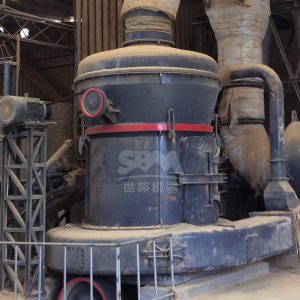
Introduction Lightweight concrete blocks have become increasingly popular in modern construction due to their excellent thermal insulation properties, reduced structural load, and environmental benefits. The production of these blocks requires finely ground gypsum powder with specific particle size distribution to ensure optimal strength, workability, and density control. Selecting the appropriate gypsum grinding mill is crucial […]
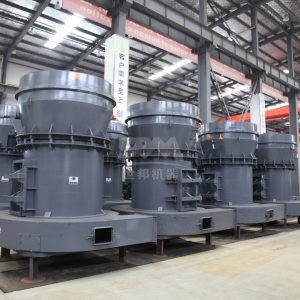
Introduction: The Critical Role of Cement Quality in Road Infrastructure The durability and longevity of road infrastructure are fundamentally dependent on the quality of cement used in construction. As global demand for robust transportation networks grows, the construction industry faces increasing pressure to deliver high-performance materials that can withstand heavy traffic loads, environmental stresses, and […]
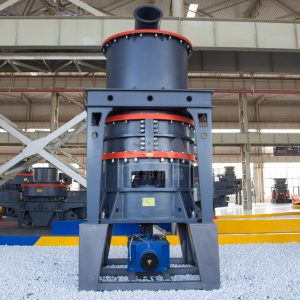
Carbon Black Grinding Mill: Optimizing Conductive Plastic Additive Production The production of conductive plastic additives represents one of the most demanding applications in fine powder processing. Carbon black, as a key conductive filler, requires precise particle size control and uniform distribution to achieve optimal electrical conductivity in polymer matrices. The selection of appropriate grinding technology […]
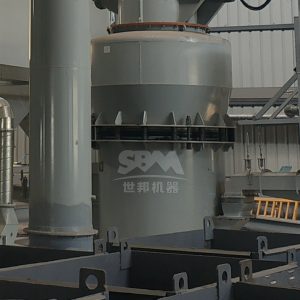
Introduction The production of advanced ceramics demands exceptional material properties, with feldspar playing a crucial role as a fluxing agent in many ceramic formulations. The quality of feldspar powder directly impacts the final product’s mechanical strength, thermal stability, and surface finish. Achieving the optimal particle size distribution and purity requires specialized grinding equipment capable of […]
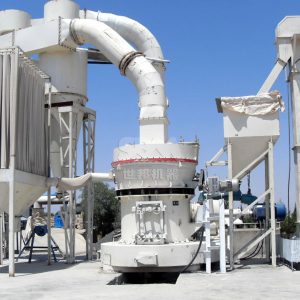
Introduction to Petroleum Coke Processing Petroleum coke (petcoke) is a carbonaceous solid derived from oil refinery coker units or other cracking processes. As a valuable fuel additive, petcoke requires precise grinding to achieve optimal combustion efficiency and environmental performance. The processing of petroleum coke into fuel additives demands specialized grinding equipment capable of handling its […]
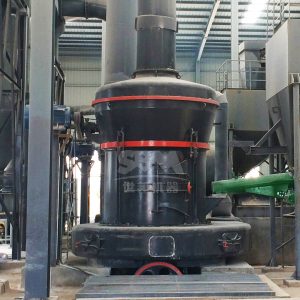
Introduction The photovoltaic glass industry demands exceptionally high standards for material quality and consistency. Quartz sand, as the primary raw material, requires precise grinding to achieve the specific particle size distribution necessary for optimal glass performance. Selecting the appropriate grinding equipment is crucial for maintaining product quality, maximizing production efficiency, and minimizing operational costs. This […]