

Introduction Dolomite, a calcium magnesium carbonate mineral (CaMg(CO3)2), plays a crucial role in the chemical additives industry. Its applications range from acting as a filler and extender in plastics, paints, and coatings to serving as a source of magnesium in various chemical processes. The performance of dolomite in these applications is heavily dependent on its […]

Introduction The manufacturing of high-purity electronic components demands exceptional precision in material processing, particularly when working with quartz. Quartz, with its excellent electrical insulation, thermal stability, and low thermal expansion, is a critical material in substrates, resonators, and insulating parts. The grinding process must achieve ultra-fine particle sizes with narrow distribution, maintain chemical purity, and […]
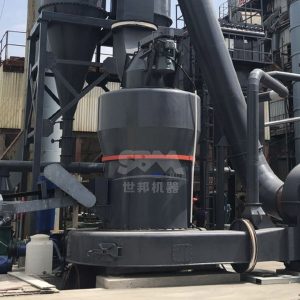
Introduction The production of high-quality ceramic glazes demands precise control over raw material particle size distribution, chemical composition, and processing parameters. Bauxite, as a key component in many glaze formulations, presents unique challenges due to its variable hardness, abrasive nature, and specific fineness requirements. Traditional grinding methods often fall short in achieving the consistent particle […]

Introduction to Graphite Processing in Aerospace Applications The aerospace industry demands materials with exceptional properties to meet the rigorous requirements of modern aircraft and spacecraft components. Graphite, with its unique combination of thermal stability, electrical conductivity, and mechanical strength, has become an indispensable material in aerospace manufacturing. From thermal protection systems to electrical components and […]
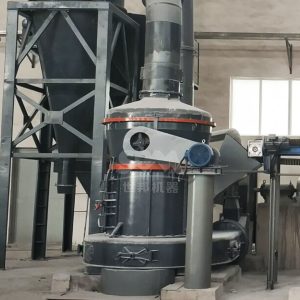
Introduction Precision casting, also known as investment casting, requires high-quality gypsum powder with specific particle size distribution and purity characteristics. The selection of an appropriate gypsum powder making machine is crucial for achieving the desired casting quality, dimensional accuracy, and surface finish. This comprehensive guide explores the key factors to consider when choosing gypsum processing […]
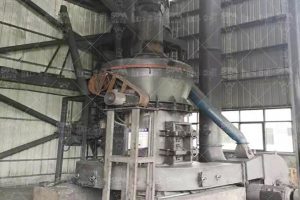
How Talc Roller Mills Improve Quality and Efficiency in Paper Manufacturing The paper manufacturing industry has undergone significant technological transformations over the past decades, with one of the most impactful being the optimization of filler materials and their processing. Among these materials, talc stands out as a crucial component that enhances paper quality while improving […]
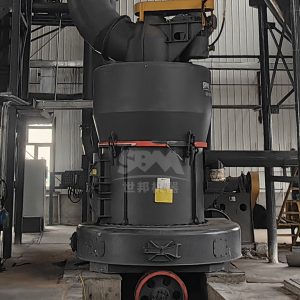
Introduction to Flue Gas Desulfurization (FGD) Systems Flue Gas Desulfurization (FGD) systems are critical environmental control technologies employed by power plants worldwide to reduce sulfur dioxide (SO₂) emissions from coal and oil combustion. Among various FGD technologies, wet limestone scrubbing remains the most widely adopted and effective method due to its high removal efficiency and […]
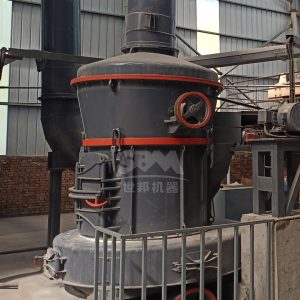
Introduction The rubber industry has witnessed significant advancements in material science and processing technologies, with barite (barium sulfate) emerging as a critical functional filler for high-performance rubber compounds. The effectiveness of barite in rubber applications is directly proportional to its particle size distribution and purity. Superfine grinding technology has revolutionized the way barite is processed, […]
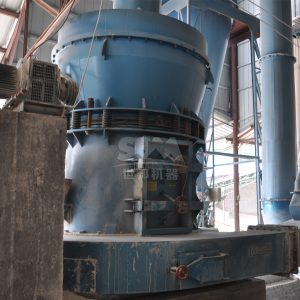
Introduction: The Critical Role of Calcite in Plastic Manufacturing The plastics industry continuously seeks innovative solutions to enhance product performance while reducing production costs. One of the most effective approaches involves the strategic use of mineral fillers, with calcite (calcium carbonate) standing out as a particularly valuable additive. When properly processed, calcite improves mechanical properties, […]