
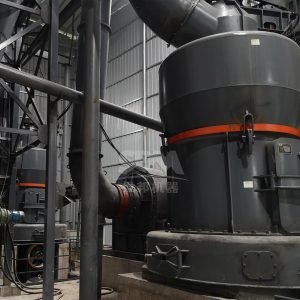
Introduction Fuel-grade petroleum coke (petcoke) is a carbonaceous solid derived from oil refinery coking units. As a cost-effective fuel source with high calorific value, its utilization in various industries, particularly cement and power generation, has grown significantly. However, the efficient combustion and energy recovery from petcoke heavily depend on achieving the correct particle size distribution […]
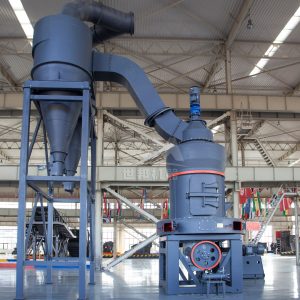
Introduction to Barite in Paint and Coating Industry Barite (BaSO₄), also known as baryte or heavy spar, is a critical mineral extensively used in the paint and coating industry as an extender and filler. Its high specific gravity (4.3-4.6), chemical inertness, low oil absorption, and brilliant white color make it an ideal component for enhancing […]
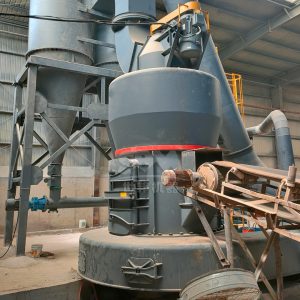
Introduction to Carbon Black Grinding Technology Carbon black, a material produced by the incomplete combustion of heavy petroleum products, is a critical component in numerous industrial applications. Its unique properties, including high tinting strength, conductivity, and UV protection, make it indispensable in rubber reinforcement, plastic coloring, ink production, and battery manufacturing. The performance of carbon […]
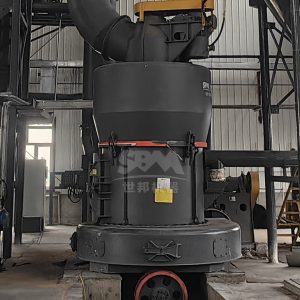
Introduction: The Critical Role of Grinding in Quicklime Production Quicklime (calcium oxide, CaO) production begins with the calcination of limestone (calcium carbonate, CaCO₃) in a kiln. However, the efficiency and quality of this thermal process are profoundly influenced by a preceding mechanical step: the grinding of the raw limestone. The particle size distribution, surface area, […]
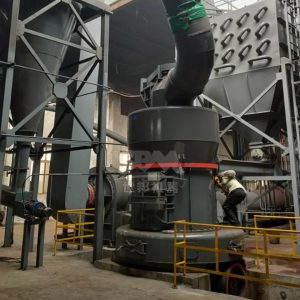
Introduction to Talc Processing for Cosmetics Talc, a hydrous magnesium silicate mineral, is one of the most essential ingredients in cosmetic formulations. Its unique properties including softness, lubricity, oil absorption, and chemical inertness make it ideal for products like face powders, eyeshadows, foundations, and body powders. However, the transformation of raw talc into ultra-fine powder […]
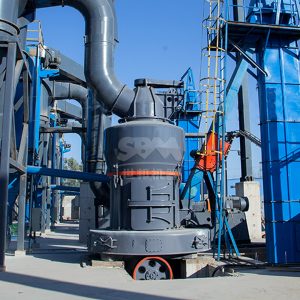
Introduction The production of high-quality refractory materials begins with the precise processing of raw bauxite. As the primary source of alumina, bauxite must be ground to specific particle size distributions to achieve optimal sintering properties, density, and thermal stability in refractory products. Selecting the appropriate grinding mill is therefore a critical decision that directly impacts […]
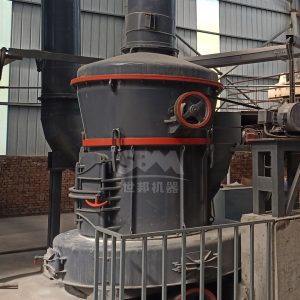
Introduction The ceramic industry relies heavily on the quality and consistency of its raw materials, with feldspar standing as one of the most critical components in both body and glaze formulations. The particle size distribution of milled feldspar directly influences key ceramic properties such as sintering behavior, vitrification temperature, mechanical strength, and final surface finish. […]
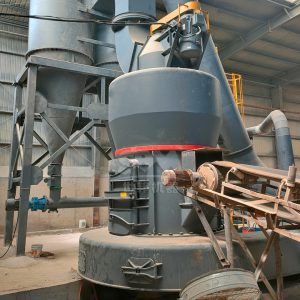
Introduction The pursuit of high-quality decorative stone finishes begins with selecting the appropriate grinding machinery. Marble, with its unique crystalline structure and aesthetic appeal, demands precision processing to achieve the desired surface quality, whether for architectural elements, interior design, or artistic applications. This comprehensive guide explores the critical factors in choosing marble grinding equipment that […]
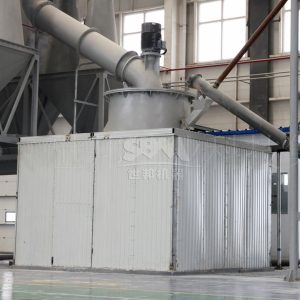
Introduction Kaolin, also known as china clay, is a naturally occurring white clay mineral composed primarily of kaolinite. Its unique properties, including whiteness, fine particle size, plate-like particle shape, chemical inertness, and high thermal stability, make it an essential raw material for high-performance insulation materials. The quality of kaolin powder, particularly its fineness, particle size […]