
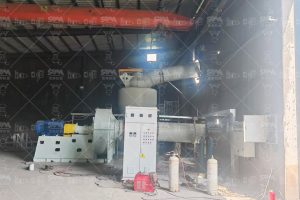
Introduction Ball mills are fundamental equipment in mineral processing, cement production, and various industrial applications where size reduction is required. The efficiency and performance of ball mills are significantly influenced by the type of grinding media used. Grinding media, typically in the form of balls, rods, or other shapes, are responsible for the comminution of […]

Introduction Marble powder, a valuable byproduct of marble processing, has found extensive applications in construction, plastics, paints, and coatings industries. The quality of marble powder directly impacts its performance in these applications, making proper evaluation essential for manufacturers and end-users. This comprehensive guide explores the key parameters and methodologies for assessing marble powder quality, with […]
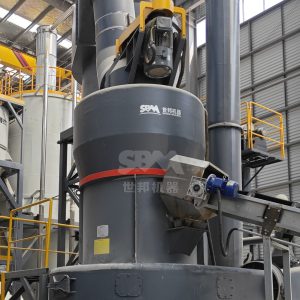
What Equipment is Best for Ultrafine Grinding of Talc? Talc, a hydrated magnesium silicate mineral, is widely used in various industries including plastics, paints, cosmetics, pharmaceuticals, and paper due to its unique properties such as softness, chemical inertness, and plate-like structure. The value and performance of talc in these applications are heavily dependent on its […]
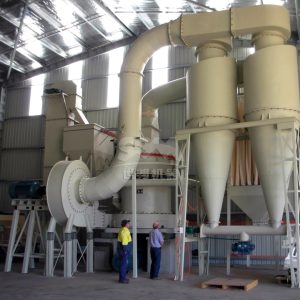
Introduction Moisture content in raw materials is one of the most critical factors influencing the performance and efficiency of hammer mills in industrial grinding operations. Understanding this relationship is essential for optimizing production processes, reducing operational costs, and maintaining consistent product quality. This comprehensive analysis explores how moisture affects various aspects of hammer mill operation […]
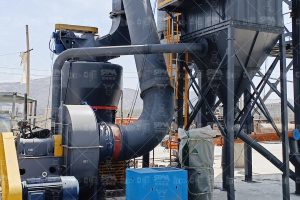
Introduction The manufacturing of advanced and specialty ceramics demands precision grinding technologies capable of producing fine powders with consistent particle size distribution, high purity, and minimal contamination. These materials, including alumina, zirconia, silicon carbide, and advanced technical ceramics, require specific particle characteristics to achieve optimal mechanical, thermal, and electrical properties in final products. This article […]
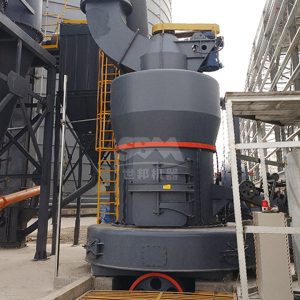
Introduction to Pendulum Mill Technology Pendulum mills represent a class of grinding equipment that utilizes suspended grinding elements to achieve efficient size reduction across various materials. These mills operate on the principle of centrifugal force, where grinding rollers swing outward against a stationary grinding ring, creating a powerful crushing action. The versatility of pendulum mills […]
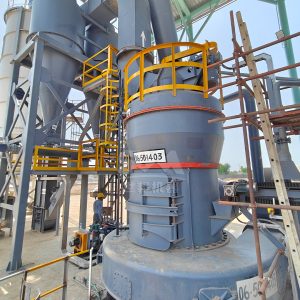
Introduction Energy efficiency has become a critical concern in the mineral processing industry, particularly in calcium carbonate grinding operations where power consumption represents a significant portion of operating costs. With rising energy prices and increasing environmental regulations, optimizing energy usage while maintaining product quality is essential for maintaining competitiveness. This comprehensive guide explores practical strategies […]
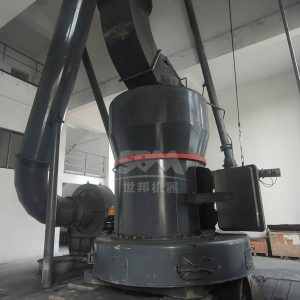
Introduction Limestone grinding represents a critical process in numerous industrial applications, from construction materials and agriculture to chemical manufacturing and environmental remediation. The efficiency and quality of limestone grinding operations directly impact product performance, operational costs, and environmental compliance. This comprehensive guide examines the key factors that determine success in industrial limestone grinding operations and […]
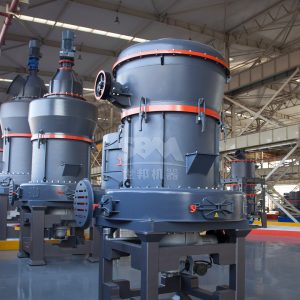
Introduction: The Critical Role of Maintenance in Grinding Operations In today’s competitive industrial landscape, grinding mills represent substantial capital investments and play pivotal roles in mineral processing, cement production, and various manufacturing sectors. Unplanned downtime of these critical assets can result in production losses exceeding thousands of dollars per hour, making maintenance strategies a cornerstone […]