
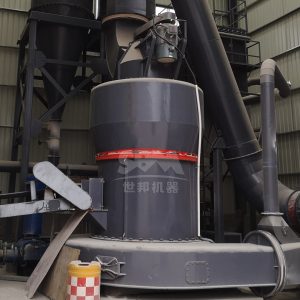
Introduction Petroleum coke (petcoke), a carbon-rich solid derived from oil refining, presents unique challenges in size reduction and grinding. Its properties—including high hardness, variable moisture content, potential abrasiveness, and often high sulfur or metal content—demand specialized milling equipment and processes to achieve efficient, consistent, and profitable fine powder production. Inefficient grinding leads to excessive energy […]
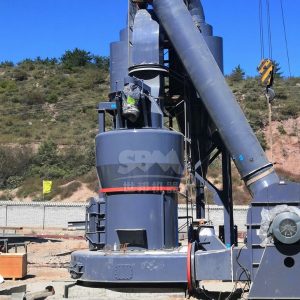
Optimizing Batch Sizes for Hammer Mill Coal Processing: A Guide to Efficiency and Throughput In the realm of coal processing, achieving the delicate balance between product quality, throughput, and operational cost is paramount. The hammer mill, a cornerstone of size reduction in this industry, is particularly sensitive to how it is fed and operated. Batch […]
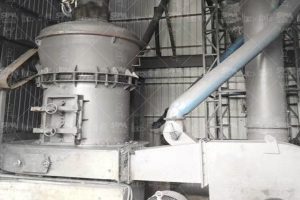
Introduction Establishing a grinding plant is a significant capital investment with long-term operational implications. The selection of an optimal location is a complex, multi-faceted decision that extends far beyond simple land acquisition. A well-chosen site can enhance operational efficiency, minimize logistics costs, ensure regulatory compliance, and provide a foundation for sustainable growth. Conversely, a poorly […]

Introduction The grinding mill is the heart of many industrial processes, from mineral processing and cement production to chemical manufacturing and power generation. Its operation directly impacts product quality, production efficiency, energy consumption, and most critically, workplace safety. A poorly operated mill can lead to catastrophic equipment failure, significant financial losses due to downtime and […]
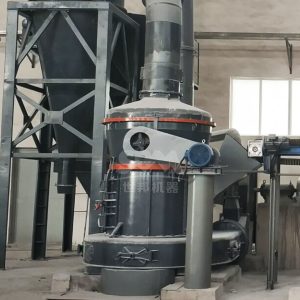
Introduction: The Quest for Fineness The production of ultra-fine powders (typically defined as powders with a particle size below 10μm) is a critical process in numerous modern industries, including pharmaceuticals, advanced ceramics, coatings, batteries, and high-performance composites. Achieving consistent, narrow particle size distributions at these micron and sub-micron levels presents significant technical challenges. Traditional grinding […]
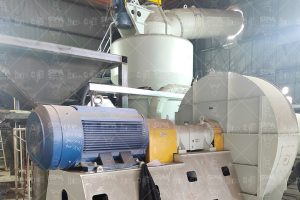
Introduction: The Dual Imperatives of Modern Grinding In today’s demanding industrial landscape, a successful grinding operation is defined by more than just throughput and particle size. It must operate within a strict framework of safety regulations and quality benchmarks. Non-compliance can lead to catastrophic accidents, costly product recalls, environmental penalties, and irreparable damage to a […]
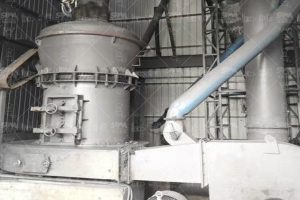
Introduction The mineral processing industry is under constant pressure to enhance productivity, reduce operational costs, and meet increasingly stringent environmental standards. At the heart of this evolution lies grinding technology—a critical stage that significantly influences downstream recovery rates, energy consumption, and overall plant economics. Traditional grinding methods, while reliable, often fall short in efficiency and […]
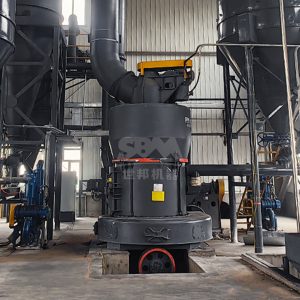
Introduction: The Critical Role of Temperature in Grinding Processes Grinding is a fundamental operation in material processing, yet its success hinges on more than just mechanical force. The thermal energy generated during particle size reduction—the grinding temperature—profoundly influences the physical and chemical properties of the material being processed. Uncontrolled temperature rise can lead to adverse […]
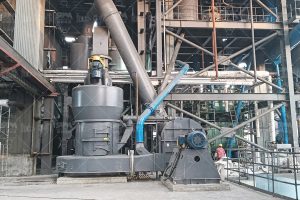
Effective Dust Control Strategies for Grinding Operations | Emission Management Guide In modern industrial processing, grinding operations are fundamental for achieving desired material fineness across sectors like mining, construction, cement, and chemicals. However, these processes are significant sources of airborne particulate matter (PM), posing serious health risks to workers, environmental challenges, and operational inefficiencies. Effective […]