
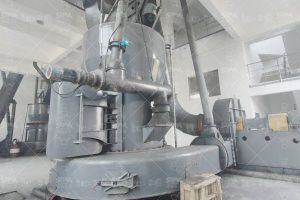
Introduction: The Evolution of High-Volume Grinding In the competitive landscape of modern mineral processing, chemical manufacturing, and building materials production, achieving high-volume output with superior product quality and minimal operational cost is the ultimate goal. Traditional grinding systems, while reliable, often struggle with the trade-offs between throughput, energy consumption, and particle size consistency. The advent […]
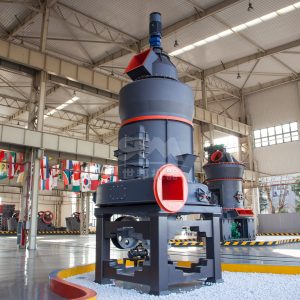
Introduction Graphite, a critical material for modern industries ranging from lithium-ion batteries to refractories, presents unique challenges in size reduction and milling. Its layered, soft yet abrasive nature, combined with stringent purity and particle size distribution (PSD) requirements, makes conventional hammer mills often inadequate. While hammer mills excel at high-capacity, coarse crushing, achieving the fine […]
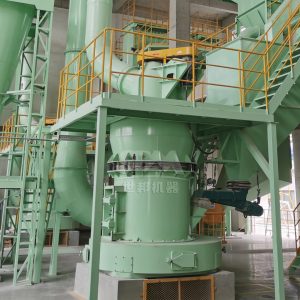
Introduction In modern mineral processing, chemical production, and advanced materials manufacturing, grinding operations are critical for achieving desired particle size distributions and product quality. The efficiency, consistency, and cost-effectiveness of these processes are paramount. Real-time grinding performance monitoring has emerged as a transformative approach, enabling operators to move from reactive maintenance and periodic quality checks […]

Introduction Grinding operations are fundamental across numerous industries, from mining and construction to pharmaceuticals and food processing. While essential for material size reduction and refinement, these processes inherently involve significant hazards, including exposure to dust, noise, high-energy machinery, and moving parts. Implementing and adhering to stringent safety practices is not merely a regulatory obligation but […]
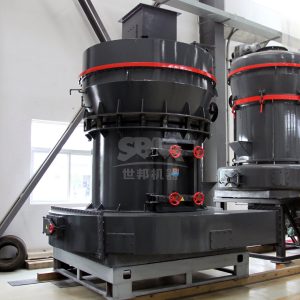
Introduction Calcium carbonate (CaCO3) is a cornerstone extender pigment in the paint and coatings industry, prized for its abundance, low cost, brightness, and low oil absorption. Its performance, however, is intrinsically linked to its particle size distribution (PSD). Achieving the optimal PSD is not a singular target but a complex balance dictated by the final […]

Introduction The talc industry faces increasing pressure to optimize production efficiency while minimizing environmental impact. Energy consumption during the grinding stage represents a significant portion of overall operational costs, often accounting for 60-70% of the total power used in mineral processing. Reducing this energy footprint is not only an economic imperative but also a key […]
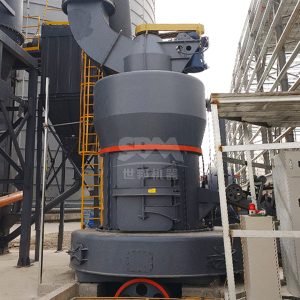
Essential Maintenance Checks to Extend Your Pulverizer’s Lifespan In industrial grinding operations, the pulverizer stands as the heart of the process. Its performance directly impacts product quality, throughput, and overall operational costs. While investing in robust equipment is the first step, a disciplined and proactive maintenance regimen is the true key to unlocking its full […]

Introduction Selecting the optimal grinding mill is a critical decision in chemical processing, directly impacting product quality, operational efficiency, and overall profitability. The vast array of available technologies—from traditional ball mills to advanced vertical roller mills and ultrafine grinding systems—can make the selection process daunting. An incorrect choice can lead to excessive energy consumption, inconsistent […]
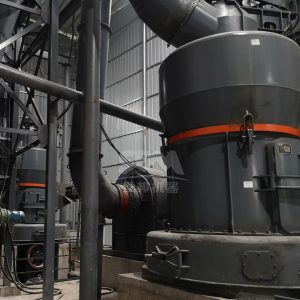
How to Increase Vertical Mill Capacity: Optimization Strategies for Higher Throughput In today’s competitive industrial landscape, maximizing the throughput and efficiency of grinding equipment is paramount for profitability and sustainability. Vertical roller mills (VRMs) have become the cornerstone of modern powder processing across industries such as mining, cement, chemicals, and power generation due to their […]