
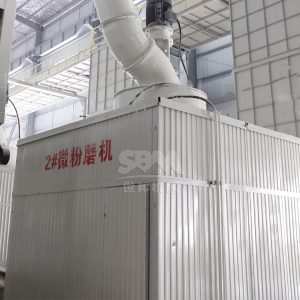
Introduction: The Critical Role of Limestone in Modern Smelting In the metallurgical industry, limestone is far more than a simple raw material; it is a vital additive that governs process efficiency, product quality, and environmental compliance. Within smelting furnaces, finely ground limestone serves as a fluxing agent, effectively lowering the melting point of impurities to […]
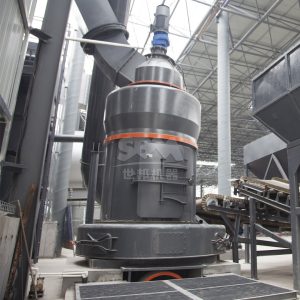
Introduction The production of high-performance metallurgical desulfurization agents is a critical process in modern steelmaking, directly impacting the quality of final steel products, operational costs, and environmental compliance. An efficient production line hinges on the precise preparation of raw materials—typically lime (CaO), calcium carbide (CaC₂), magnesium, and various fluxing agents—into a finely ground, uniformly blended […]
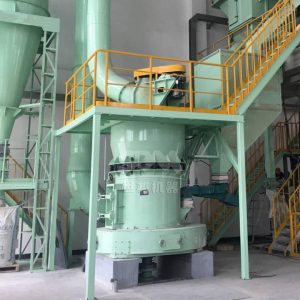
Introduction: The Critical Role of Desulfurization in Modern Steelmaking The relentless pursuit of higher quality, cleaner, and more efficient steel production has placed desulfurization at the forefront of metallurgical processes. Sulfur, a common impurity in iron ore and coke, detrimentally impacts steel’s mechanical properties, leading to hot shortness, reduced ductility, and poor weldability. Effective desulfurization […]
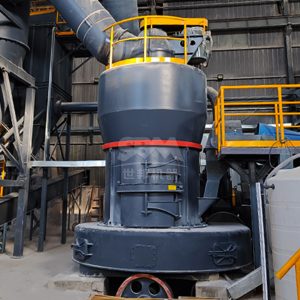
Introduction The production of high-quality limestone slag-forming agents is a critical process in modern metallurgy, particularly in steelmaking. These agents, primarily composed of finely ground limestone, are essential for efficient slag formation, sulfur removal, and overall process control. A well-designed production line is paramount to achieving the precise particle size distribution, chemical purity, and reactivity […]
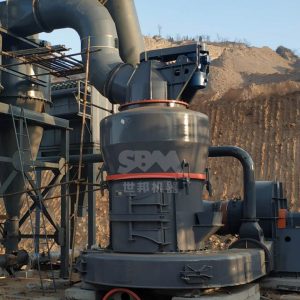
Introduction The iron and steel industry is a cornerstone of modern infrastructure, and its efficiency hinges on every stage of the production process. One critical, yet often under-optimized, aspect is the preparation and utilization of slagging agents. These materials, essential for controlling slag composition, removing impurities, and protecting furnace linings, require precise physical and chemical […]
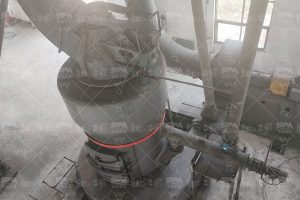
Introduction: The Critical Role of Limestone Grinding in Flue Gas Desulfurization In the global effort to reduce emissions and combat air pollution, Flue Gas Desulfurization (FGD) systems have become a standard component in modern thermal power plants. Among various desulfurization technologies, the wet limestone-gypsum process stands out for its high efficiency, reliability, and cost-effectiveness. At […]
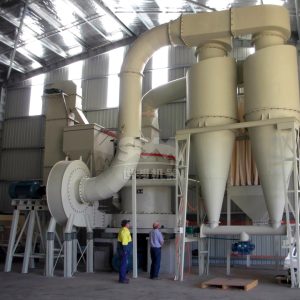
Introduction: The Critical Role of Limestone Grinding in FGD Flue Gas Desulfurization (FGD) is a cornerstone technology for reducing sulfur dioxide (SO₂) emissions from power plants and industrial facilities, a key contributor to acid rain and air pollution. Among various FGD methods, the wet limestone-gypsum process is the most widely adopted globally due to its […]
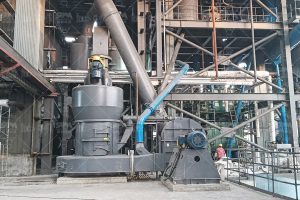
Introduction The stringent global environmental regulations governing sulfur dioxide (SO₂) emissions from industrial boilers have made flue gas desulfurization (FGD) a critical component of modern power generation and industrial processes. The effectiveness and economic viability of dry or semi-dry FGD systems, which utilize powdered sorbents like limestone (CaCO₃), hydrated lime (Ca(OH)₂), or other alkaline reagents, […]
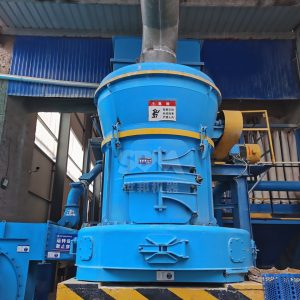
Introduction The global imperative for cleaner energy production has placed advanced coal combustion systems at the forefront of power generation technology. Achieving high efficiency and low emissions in these systems hinges on two critical processes: the precise preparation of coal fuel and the effective production of desulfurization agents. The performance of equipment used in these […]