In today’s demanding industrial landscape, a successful grinding operation is defined by more than just throughput and particle size. It must operate within a strict framework of safety regulations and quality benchmarks. Non-compliance can lead to catastrophic accidents, costly product recalls, environmental penalties, and irreparable damage to a company’s reputation. This article provides a comprehensive guide to building a grinding process that is not only efficient but also inherently safe and consistently high-quality. We will explore the critical pillars of compliance, from equipment selection and operational protocols to monitoring and maintenance, highlighting how advanced machinery is integral to achieving these goals.
Safety is the non-negotiable foundation of any industrial process. Grinding, with its moving parts, high-energy inputs, and potential for dust generation, presents specific hazards that must be systematically controlled.
| Safety Hazard | Risk | Compliance Mitigation Strategy |
|---|---|---|
| Rotating Machinery | Entanglement, crushing | Fixed guards, interlocked access doors, LOTO procedures |
| Combustible Dust | Fire, explosion | Explosion-proof design, venting/suppression, inerting, dust containment |
| Airborne Particulates | Respiratory illness, environmental pollution | High-efficiency pulse-jet dust collectors, sealed system design |
| High Noise Levels | Hearing loss | Integrated soundproofing, acoustic enclosures, remote operation |
Quality in grinding is primarily defined by particle size distribution (PSD), purity, and consistency. Deviations can ruin downstream processes or final product performance.
Quality compliance demands repeatability. This is achieved through process automation and robust equipment design. Intelligent control systems that monitor power consumption, feed rate, and classifier speed can automatically adjust parameters to maintain a constant PSD despite variations in feed material. Equipment with stable mechanical design and minimal vibration ensures consistent grinding conditions.
Choosing the right grinding technology is the most significant step toward a compliant process. Modern mills are engineered with safety and quality as core design principles, not as afterthoughts.
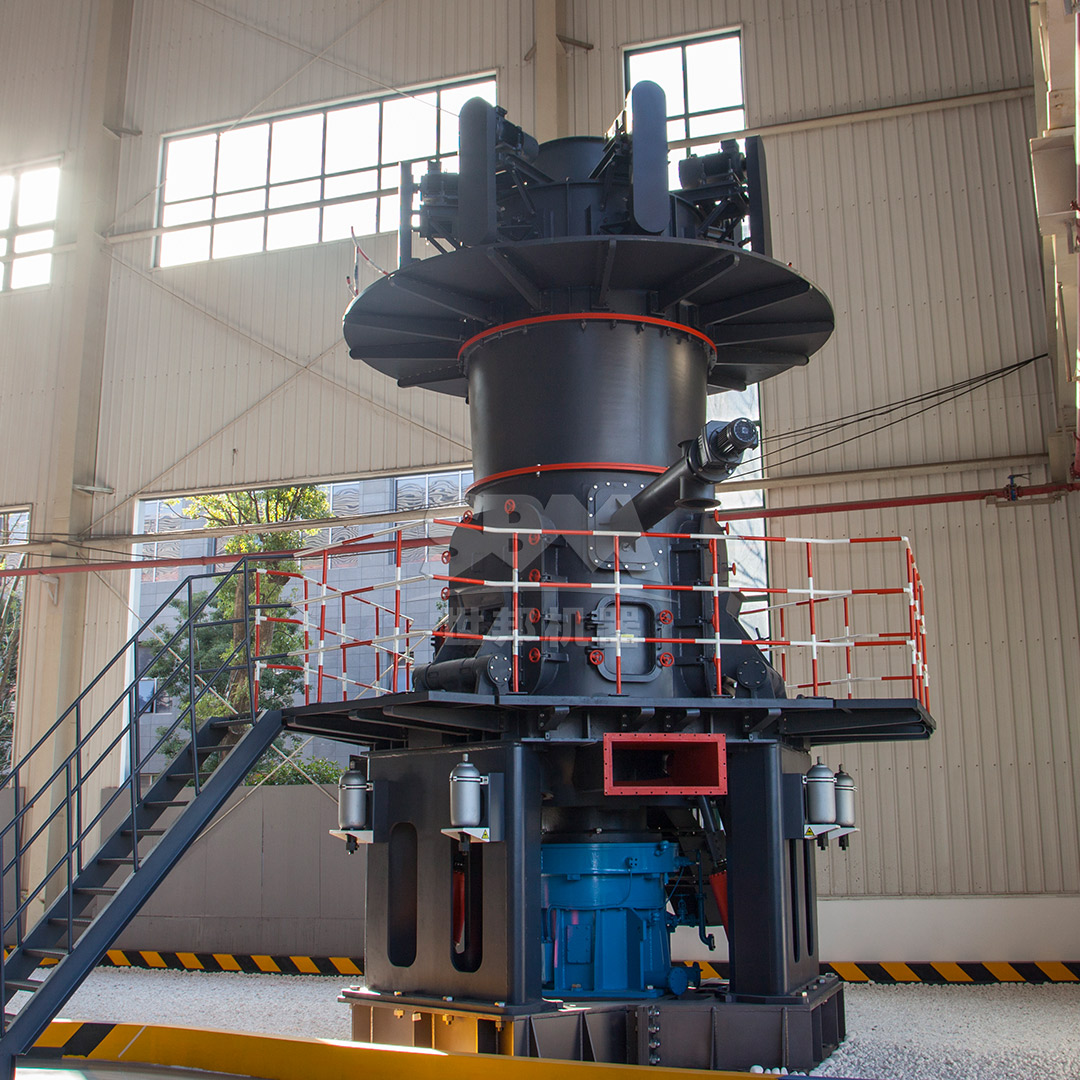
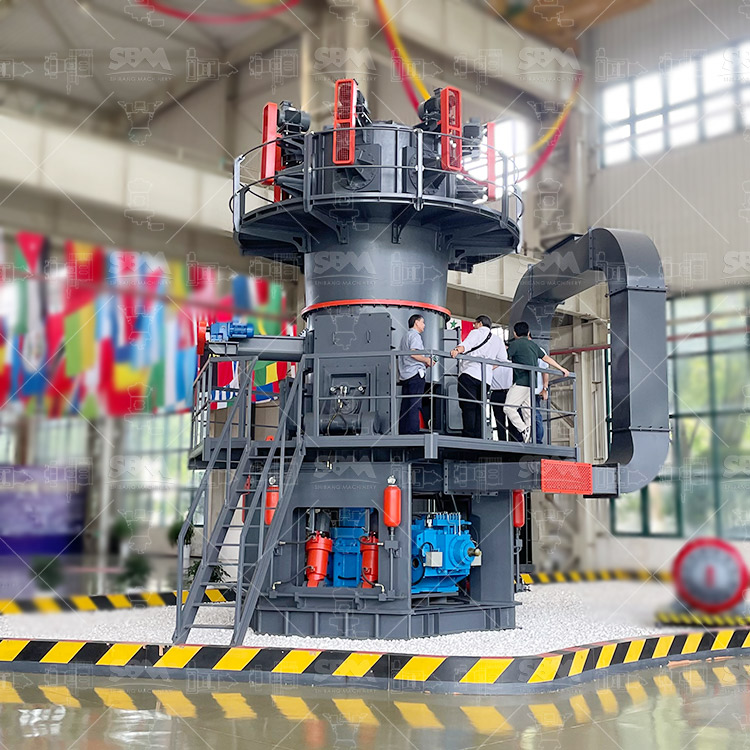
Leading manufacturers now design mills as integrated systems. For instance, our SCM Ultrafine Mill series exemplifies this approach. It operates under a fully sealed, negative-pressure system, ensuring no dust leakage into the workshop. Its pulse-jet dust collector exceeds international emission standards, while its integrated soundproofing design maintains noise levels below 75 dB(A), protecting operator health and meeting strict workplace regulations. The robust, wear-resistant design of its rollers and grinding ring not only extends service life but also minimizes the risk of unexpected failure and the associated safety hazards of frequent maintenance.
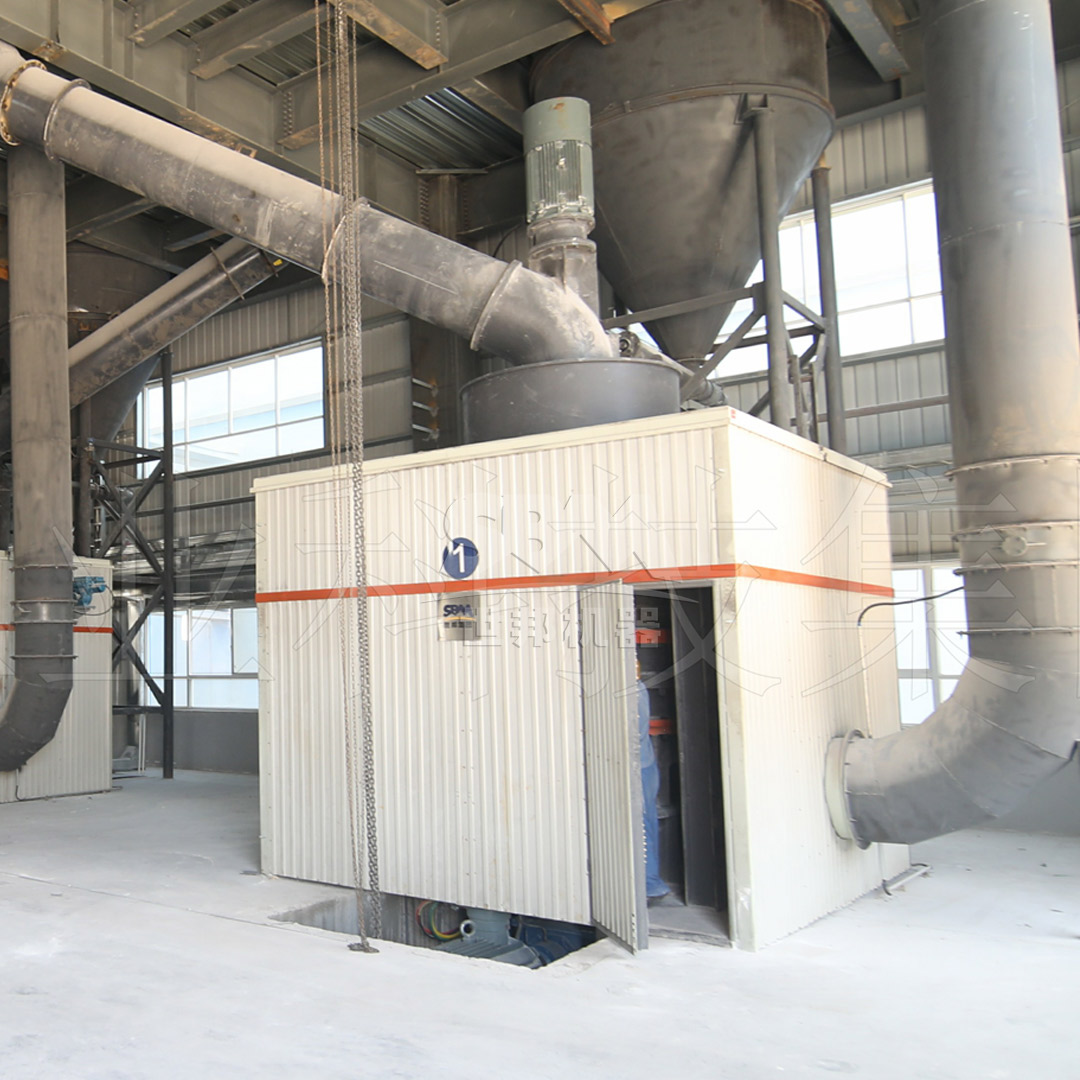
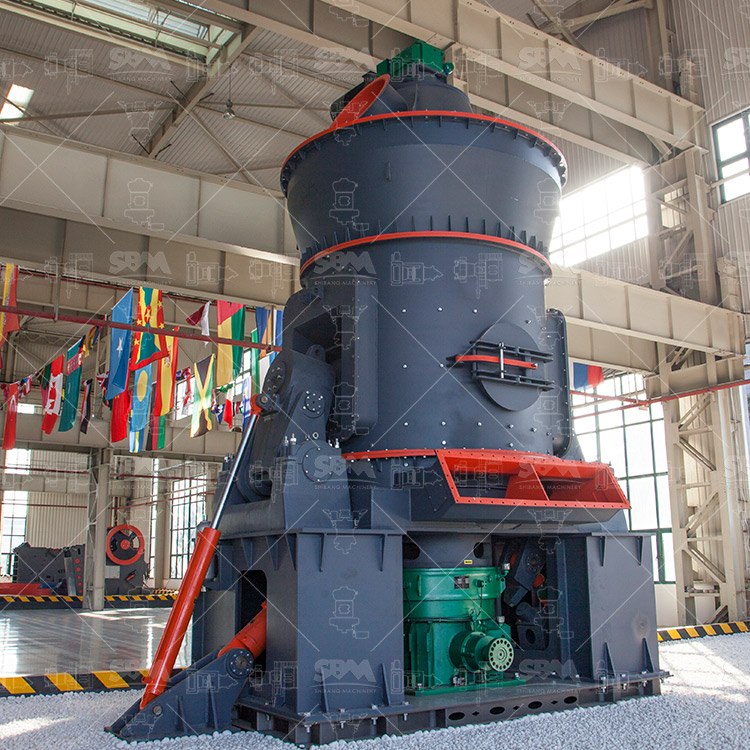
Precision is paramount. The SCM Ultrafine Mill’s technological advantages directly address quality control challenges. Its vertical turbine classifier is a key component, enabling precise cut-point control to achieve fineness from 325 to 2500 mesh (D97 ≤ 5µm) with exceptional uniformity and no coarse particle contamination. Furthermore, its intelligent control system features automatic feedback on product fineness, allowing for real-time adjustments. This ensures batch-to-batch consistency, a fundamental requirement for ISO and other quality management certifications. For operations requiring high-capacity processing of materials to a slightly coarser range, our MTW Series Trapezium Mill offers robust quality assurance. Its curved air duct design and integral gear transmission provide stable airflow and mechanical efficiency, leading to consistent product quality at throughputs up to 45 tons per hour, while its modular wear parts design simplifies maintenance without compromising process stability.
| Compliance Challenge | Conventional Mill Issue | Advanced Mill Solution (e.g., SCM/MTW Series) |
|---|---|---|
| Dust Emissions > Limit | Open system, inefficient bag filter | Fully sealed negative-pressure system + >99.9% efficiency pulse-jet collector |
| PSD Unstable, Too Many Coarse Particles | Inefficient static classifier | High-precision dynamic turbine classifier for sharp cuts |
| High Noise Levels | Unenclosed machinery | Integrated acoustic damping, noise ≤75-80 dB(A) |
| Product Contamination from Wear | Rapid wear of grinding media | Special alloy rollers/rings with 3-5x longer lifespan |
Begin with a thorough HAZOP (Hazard and Operability Study) and quality risk assessment. Define your target PSD, contamination limits, and all applicable safety regulations (OSHA, ATEX, EPA, etc.).
Choose equipment whose design specifications explicitly address your identified risks. Verify certifications, review dust explosion protection documentation, and demand performance data on product uniformity and system emissions.
Develop detailed Standard Operating Procedures (SOPs) for startup, operation, shutdown, and maintenance. Implement a PLC-based automation system to control feed rates, grinding pressure, classifier speed, and temperature, locking in the optimal parameters for quality and safety.
Install continuous monitoring for bearing temperature, vibration, differential pressure across filters, and outlet dust concentration. Use in-line or at-line particle size analyzers (e.g., laser diffraction) for real-time quality feedback. Adhere to a predictive maintenance schedule based on equipment hours and sensor data, not just on failure.
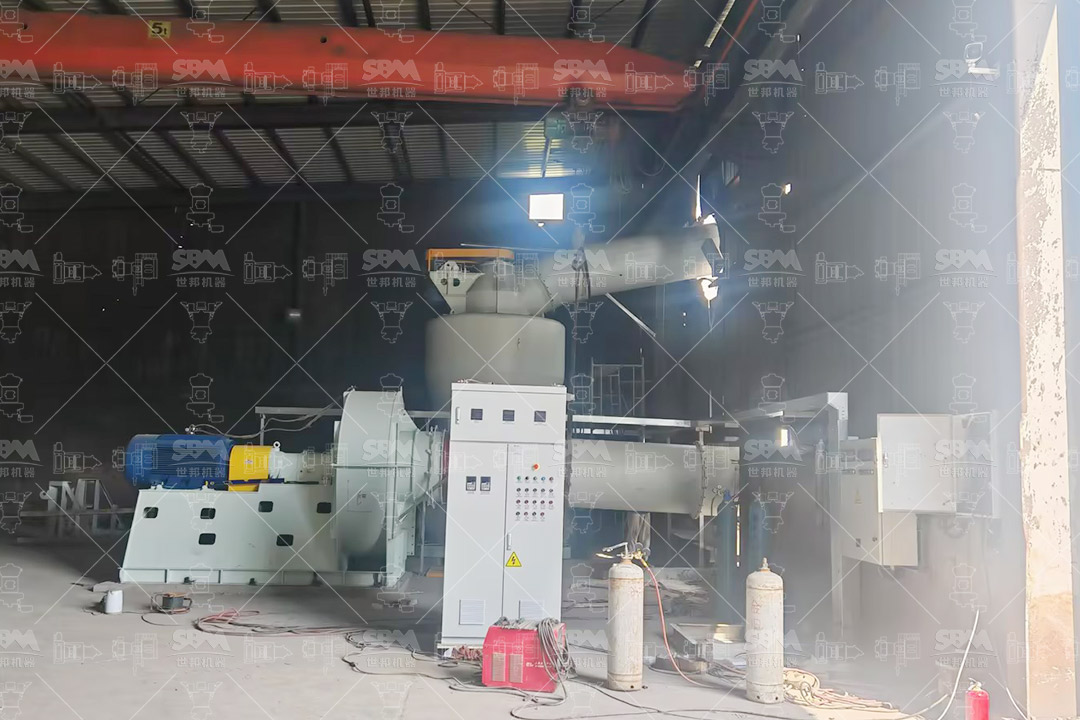
Ensuring compliance in grinding is not about adding filters or writing procedures in isolation. It is about adopting an integrated philosophy where safety and quality are designed into the process from the outset. This begins with selecting grinding technology engineered for this purpose—technology like the SCM Ultrafine Mill or the MTW Series Trapezium Mill, which offer built-in environmental controls, precision classification, and operational stability. By combining such advanced equipment with rigorous risk management, thorough SOPs, and a culture of continuous monitoring, companies can establish grinding processes that are not only productive and profitable but also inherently safe, environmentally responsible, and capable of delivering unparalleled product quality consistently. In doing so, they turn compliance from a cost center into a competitive advantage.