December 02, 2025
Introduction: The Quest for Fineness
The production of ultra-fine powders (typically defined as powders with a particle size below 10μm) is a critical process in numerous modern industries, including pharmaceuticals, advanced ceramics, coatings, batteries, and high-performance composites. Achieving consistent, narrow particle size distributions at these micron and sub-micron levels presents significant technical challenges. Traditional grinding methods often fall short in terms of efficiency, energy consumption, and product uniformity. Among the advanced solutions, roller mill technology, particularly those employing multiple grinding rollers, has emerged as the industry benchmark. This article delves into the key advantages of 21-roller mill systems, a sophisticated evolution in this field, and highlights specific solutions for superior ultra-fine powder production.
1. Unparalleled Grinding Efficiency and Energy Savings
The core principle behind multi-roller mills is the application of high-pressure grinding through multiple contact points. A 21-roller configuration dramatically increases the active grinding surface area and optimizes the force distribution within the material bed. This leads to several direct benefits:
- High Reduction Ratio in a Single Pass: The multi-stage, multi-roller design allows for progressive size reduction from feed sizes up to 20mm down to the micron scale within a single machine, eliminating the need for complex multi-machine circuits.
- Exceptional Energy Efficiency: The “material-bed comminution” principle minimizes energy loss to vibration, heat, and noise. Compared to traditional ball mills or jet mills, advanced roller mills can achieve energy savings of 30% to 50% for the same output fineness. The grinding action is focused directly on the particle layer, making the process inherently more efficient.
- High Throughput Capacity: The distributed grinding load allows for handling larger volumes of material simultaneously. This results in a significantly higher production rate per unit of installed power, maximizing return on investment for large-scale operations.
2. Superior Product Quality and Particle Size Control
Beyond mere fineness, the quality of an ultra-fine powder is defined by its particle size distribution (PSD), shape, and purity. 21-roller mills excel in these aspects:
- Narrow and Consistent PSD: The integrated, high-precision dynamic classifiers (often turbine-type) work in closed circuit with the grinding chamber. They provide sharp cuts, ensuring that only particles meeting the target fineness exit the system. This prevents coarse particle contamination (“fish eyes”) and yields a remarkably uniform product, crucial for applications like optical coatings or ceramic sintering.
- Desirable Particle Morphology: The predominant grinding mechanism in roller mills is compression and inter-particle abrasion within the bed, rather than impact. This tends to produce particles with fewer fractures and a more equiaxial shape, which can improve packing density, flowability, and final product strength.
- Low Contamination: Advanced designs utilize wear-resistant materials for rollers and liners and often feature ingenious designs that keep bearings and lubricants away from the grinding zone. This minimizes the risk of metallic contamination, a vital factor for industries like lithium battery materials or pharmaceutical actives.
3. Advanced System Design and Operational Intelligence
Modern 21-roller mills are not just mechanical devices but integrated processing systems with smart controls.
- Automated Control Systems: They are equipped with PLC-based systems that continuously monitor key parameters such as grinding pressure, classifier speed, feed rate, and motor load. These systems can automatically adjust operations to maintain a set product fineness (e.g., D97 value), compensating for variations in feed material or wear on grinding elements.
- Integrated Drying Capability: Hot gas can be introduced into the mill, allowing simultaneous grinding and drying of moist materials. This is a significant advantage for processing minerals, clays, or industrial by-products, eliminating the need for a separate, energy-intensive drying step.
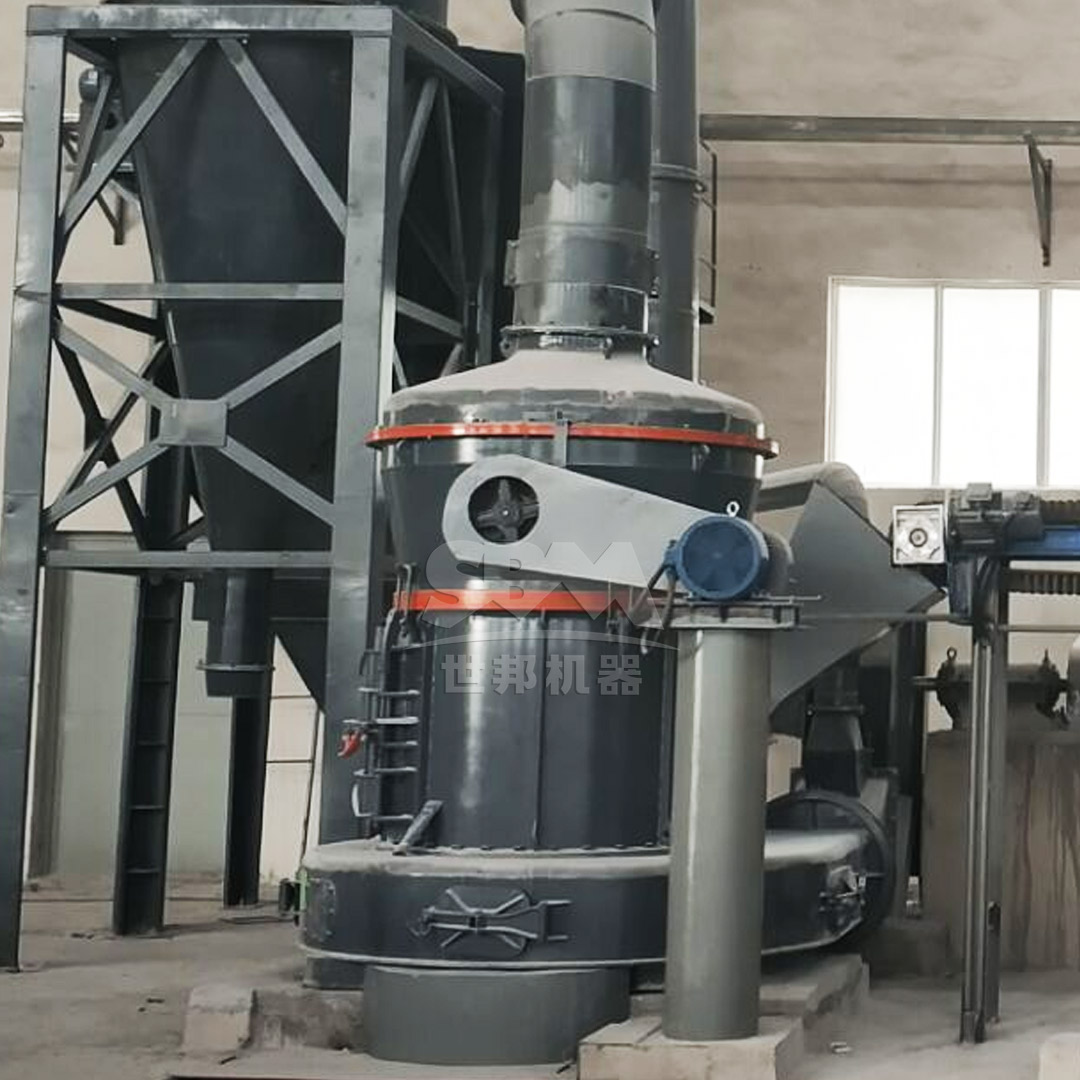
- Compact and Modular Layout: The vertical design of most high-end roller mills integrates grinding, classification, and collection (cyclone + bag filter) into a single, space-saving footprint. This reduces civil engineering costs and simplifies plant layout.
4. Enhanced Reliability, Durability, and Ease of Maintenance
Downtime is the enemy of productivity. The design philosophy of premium roller mills prioritizes operational continuity.
- Extended Wear Part Life: Rollers and grinding tracks are made from advanced composite materials or high-chromium alloys with exceptional hardness and toughness. Their life can be several times longer than components in conventional mills, reducing the frequency and cost of replacements.
- Maintenance-Friendly Features: Many models feature hydraulic systems that allow rollers to be swung out of the mill housing for inspection or replacement without dismantling the entire structure. Online lubrication systems and condition monitoring sensors further predict and prevent failures.
- Robust Construction: The mill foundation and main frame are designed to absorb dynamic loads, ensuring stable, vibration-free operation even under full load, which contributes to longer mechanical life.
5. Meeting Stringent Environmental and Safety Standards
Industrial operations must comply with increasingly strict regulations.
- Dust-Free Operation: The entire milling and classification process occurs under negative pressure. Combined with high-efficiency pulse-jet baghouse filters (with efficiency >99.9%), dust emissions are kept well below international standards (e.g., <20 mg/Nm³).
- Low Noise Emission: Enclosed designs, sound-dampening materials, and optimized mechanical drives result in low operational noise levels, typically below 75-80 dB(A), protecting workers’ hearing and reducing environmental noise pollution.
- Safe Operation: Interlocked safety systems prevent access to moving parts during operation, and automatic shutdown sequences are triggered in case of abnormal conditions like over-temperature or loss of pressure.
Spotlight on Industry-Leading Solutions
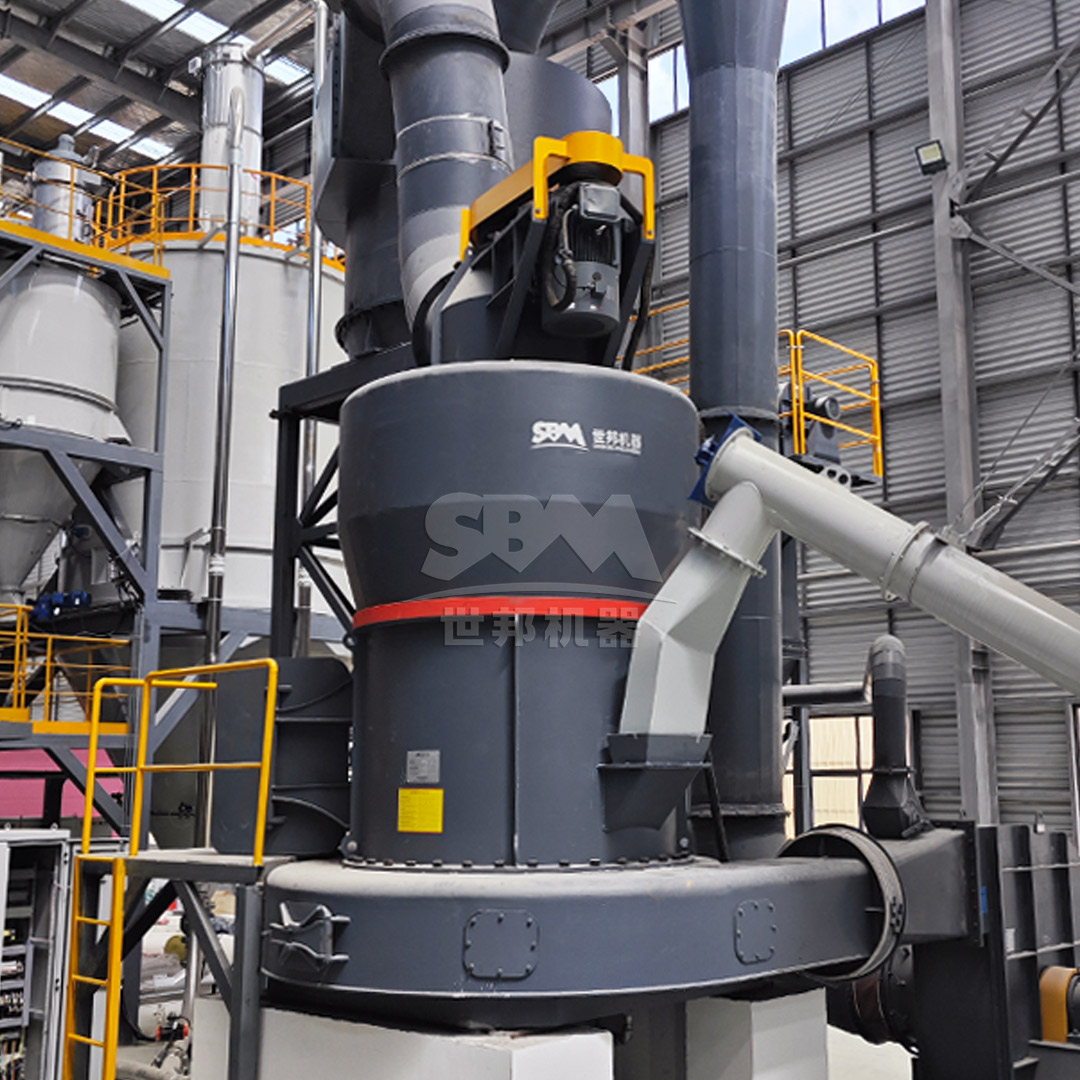
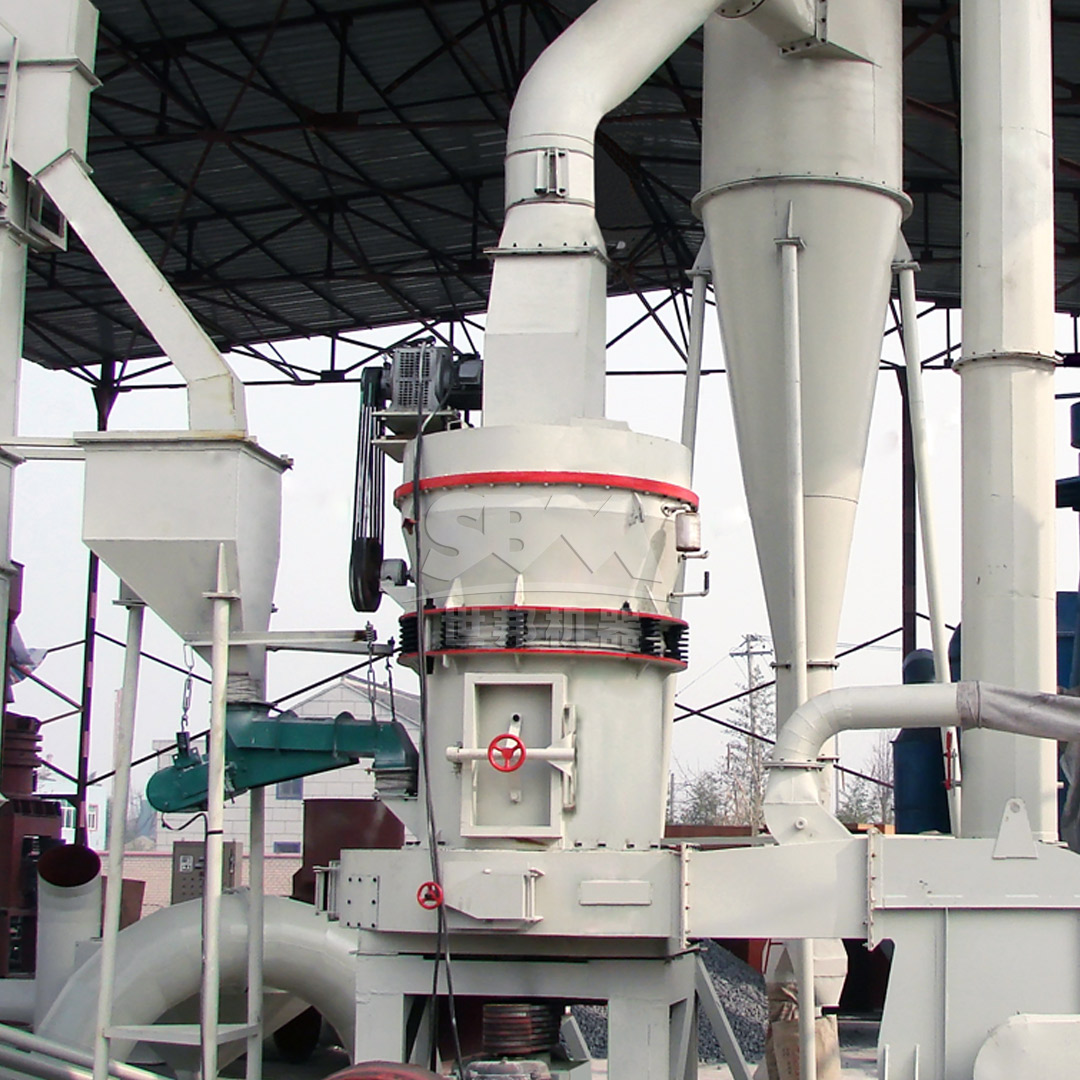
To harness the full spectrum of advantages described above, selecting the right equipment is paramount. For applications demanding the ultimate in ultra-fine powder production, our SCM Series Ultrafine Mill stands out as a premier choice. Engineered specifically for fineness ranging from 325 to 2500 mesh (D97 ≤ 5μm), it embodies the key principles of multi-roller efficiency.
The SCM mill utilizes a sophisticated multi-layer grinding roller and ring design. Its vertical turbine classifier ensures precise particle size cuts, guaranteeing a uniform product free of coarse grains. Notably, it achieves a capacity twice that of traditional jet mills while reducing energy consumption by 30%. Its intelligent control system provides automatic feedback on product fineness, ensuring consistent quality. For operations requiring high-volume production of slightly coarser powders, our MTW Series Trapezium Mill offers an excellent balance of capacity, efficiency, and reliability, producing powders from 30 to 325 mesh with throughputs up to 45 tons per hour.
| Key Feature |
SCM Ultrafine Mill Advantage |
Impact on Ultra-Fine Production |
| Grinding Mechanism |
Multi-layer roller/ring system |
Progressive, efficient size reduction to micron level |
| Classification |
High-precision vertical turbine classifier |
Sharp cut, narrow PSD, no coarse contamination |
| Energy Efficiency |
~30% lower energy use vs. jet mills |
Significantly reduced operating costs |
| Automation |
Intelligent control with fineness feedback |
Consistent product quality, reduced manual intervention |
| Environmental |
Pulse dust collector, noise ≤75dB |
Fully compliant with strict environmental regulations |
Conclusion
The evolution towards 21-roller mill technology represents a significant leap forward in ultra-fine powder processing. By offering a synergistic combination of high efficiency, superior product quality, operational intelligence, robust durability, and environmental compliance, these advanced systems provide a compelling economic and technical solution. For industries where powder performance is critical, investing in such technology is not merely an upgrade but a strategic move to secure product superiority, production sustainability, and long-term market competitiveness. Choosing a proven and advanced platform, such as the SCM Ultrafine Mill, is the key to unlocking these benefits and achieving excellence in ultra-fine powder production.