Establishing a grinding plant is a significant capital investment with long-term operational implications. The selection of an optimal location is a complex, multi-faceted decision that extends far beyond simple land acquisition. A well-chosen site can enhance operational efficiency, minimize logistics costs, ensure regulatory compliance, and provide a foundation for sustainable growth. Conversely, a poorly selected location can lead to chronic inefficiencies, high operational costs, and regulatory hurdles. This article outlines the key factors that must be meticulously evaluated when determining the ideal location for a grinding facility, with a focus on integrating advanced equipment solutions to maximize return on investment.
The fundamental economics of any grinding operation are heavily influenced by the cost of transporting raw materials in and finished products out. The ideal location minimizes the total ton-kilometers traveled.
The plant should be situated as close as possible to the primary source of raw materials (e.g., quarries for limestone, mines for ores, ports for imported clinker). This reduces inbound transportation costs, which constitute a major portion of operational expenses. A detailed analysis of the quality, consistency, and long-term availability of the raw material source is paramount. For operations processing multiple materials, a central location relative to all sources must be calculated.
Similarly, proximity to the target market for the ground product—whether it’s a cement plant, a construction materials distributor, or an industrial consumer—is critical for outbound logistics. Consider the infrastructure needed: access to highways for trucking, rail sidings for bulk transport, or waterways for barge shipping. The choice of grinding technology can also influence this decision. For instance, a high-capacity, coarse-grinding system might be best located near the raw material source to produce an intermediate product that is cheaper to transport, while a fine or ultra-fine grinding plant producing high-value additives might be positioned closer to the end-user market.
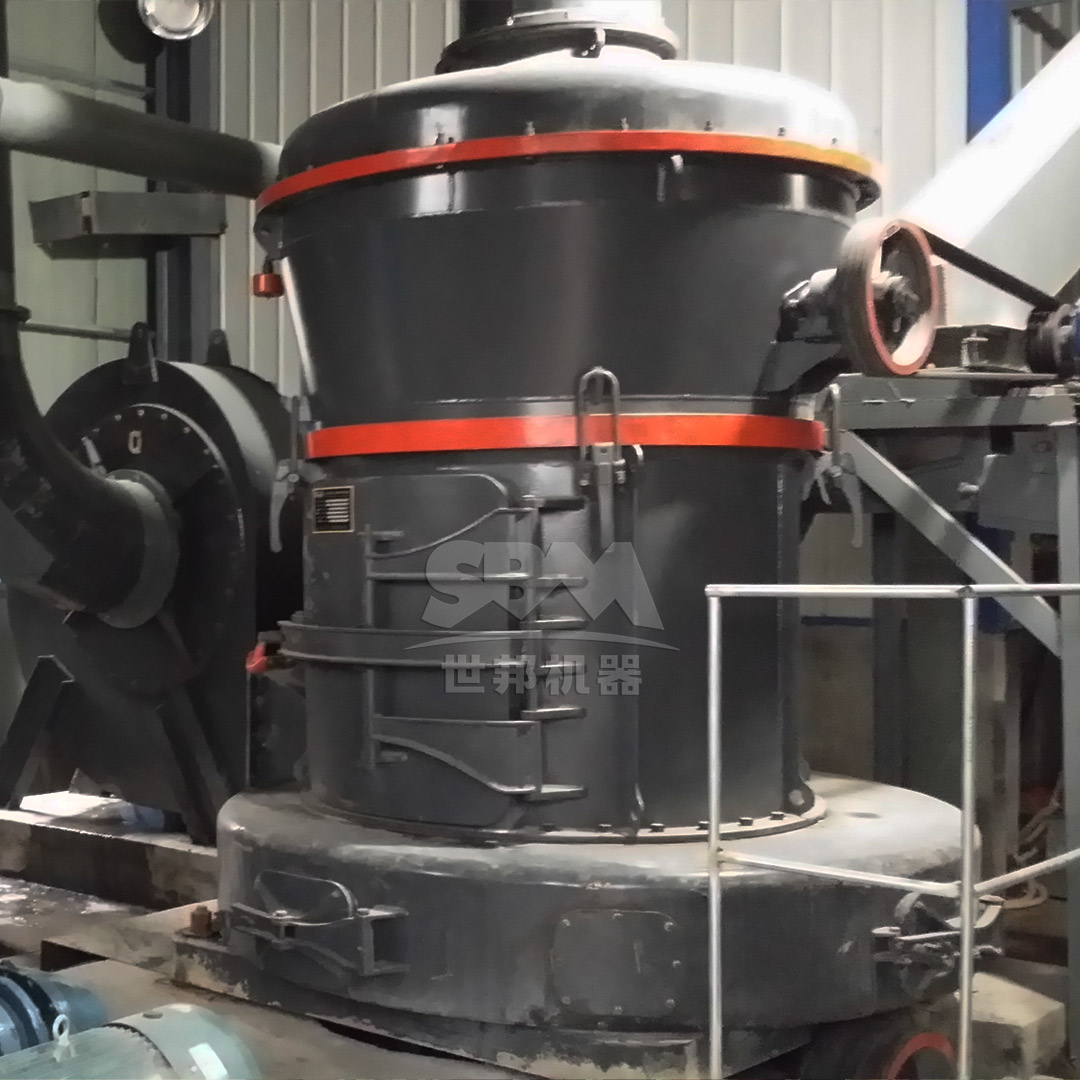
For operations requiring versatile and high-capacity coarse to medium-fine grinding, our MTW Series Trapezium Mill presents an excellent solution. Its robust design, with a maximum feed size of ≤50mm and a wide output range of 30-325 mesh (up to 0.038mm), makes it suitable for primary grinding stations near quarries. Models like the MTW215G offer capacities up to 45 tons per hour, efficiently handling large volumes of material, thereby optimizing the logistics chain from source to initial processing.
A location is only viable if it is supported by adequate infrastructure. The absence of key utilities can lead to prohibitive startup costs.
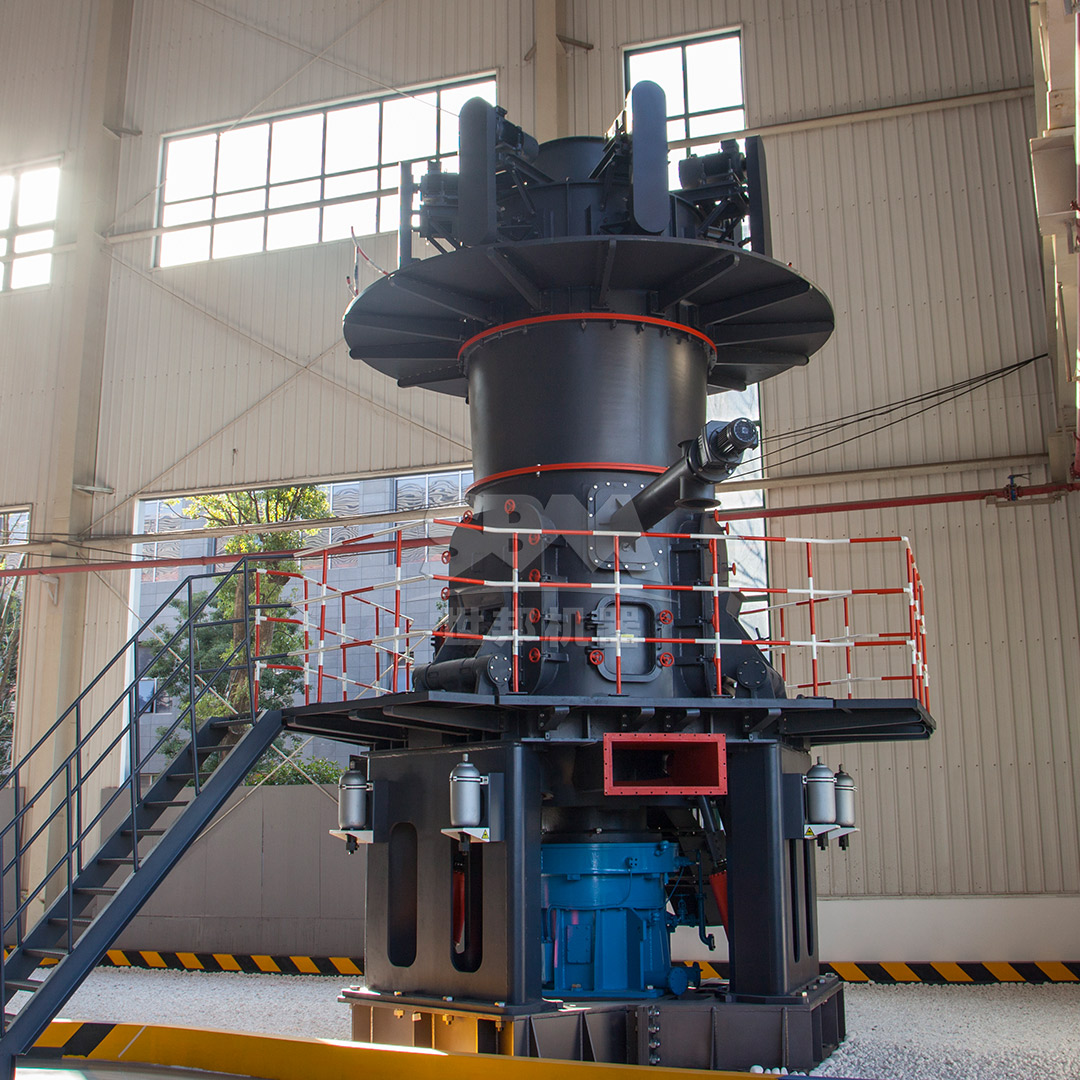
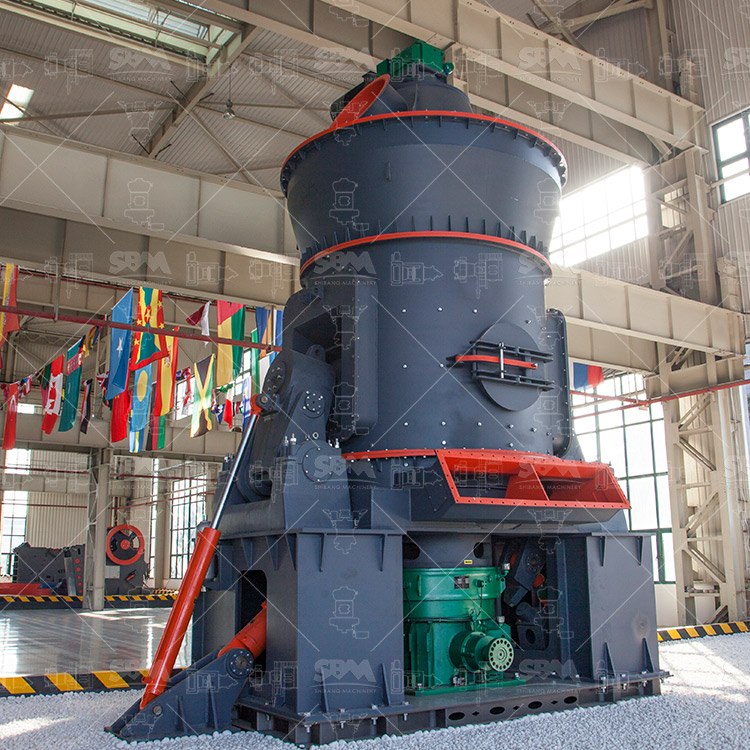
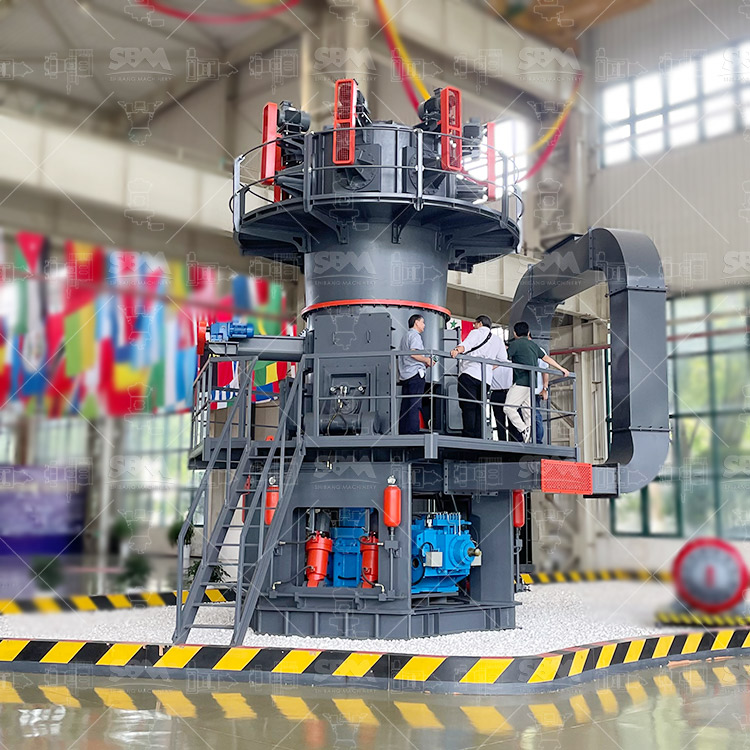
Grinding mills are significant consumers of electrical energy. The site must have access to a reliable, high-capacity power grid. Unstable power can damage sensitive equipment and cause production stoppages. The cost of electricity per kilowatt-hour is a major operational expense, so regions with competitive industrial power rates are advantageous. For large installations, such as those employing our LM Series Vertical Roller Mills with main motors exceeding 1000kW, a direct connection to a high-voltage substation is often necessary.
While dry grinding processes are common, water may be required for dust suppression, equipment cooling, and domestic use. A reliable source of water, along with a plan for wastewater treatment or recycling, must be secured.
As mentioned, access to roads, rail, or ports is essential. The condition, capacity, and any seasonal limitations (e.g., frozen ports, monsoon-affected roads) of these networks must be assessed. On-site space for truck maneuvering, loading bays, and potential future rail spur construction should be factored into the site layout.
Modern grinding plants must operate within a strict framework of environmental regulations. The chosen location can significantly ease or complicate compliance.
Grinding operations generate dust. Sites must be evaluated for prevailing wind directions relative to residential areas. Stringent dust collection systems are non-negotiable. Investing in equipment with superior built-in environmental controls is crucial. For example, our grinding mills feature advanced pulse-jet baghouse dust collectors with efficiency rates exceeding international standards, ensuring emissions are kept well below permissible limits (e.g., <20mg/m³). This can streamline the permitting process in environmentally sensitive regions.
Industrial noise can be a source of conflict with neighboring communities. Selecting a site with natural sound barriers or sufficient buffer zones is ideal. Furthermore, specifying equipment designed for low-noise operation, such as mills with soundproofed enclosures achieving noise levels ≤75-80dB(A), demonstrates a commitment to being a good neighbor and facilitates regulatory approval.
The location must be zoned for heavy industrial use. The process of obtaining construction, environmental, and operational permits can be lengthy and costly. Understanding the local regulatory landscape, including future planned restrictions, is essential before land purchase.
The human element is vital for sustainable operations.
While modern mills are highly automated, they still require skilled technicians, electricians, and mechanics for maintenance and operation. Proximity to technical schools or existing industrial hubs with a skilled workforce can reduce training costs and recruitment challenges.
Building a positive relationship with the local community is an investment in social license to operate. A location where the plant is seen as a source of employment and economic development, rather than a nuisance, is preferable. Transparent communication about operations and environmental management is key.
The physical characteristics of the site directly impact construction costs and long-term stability.
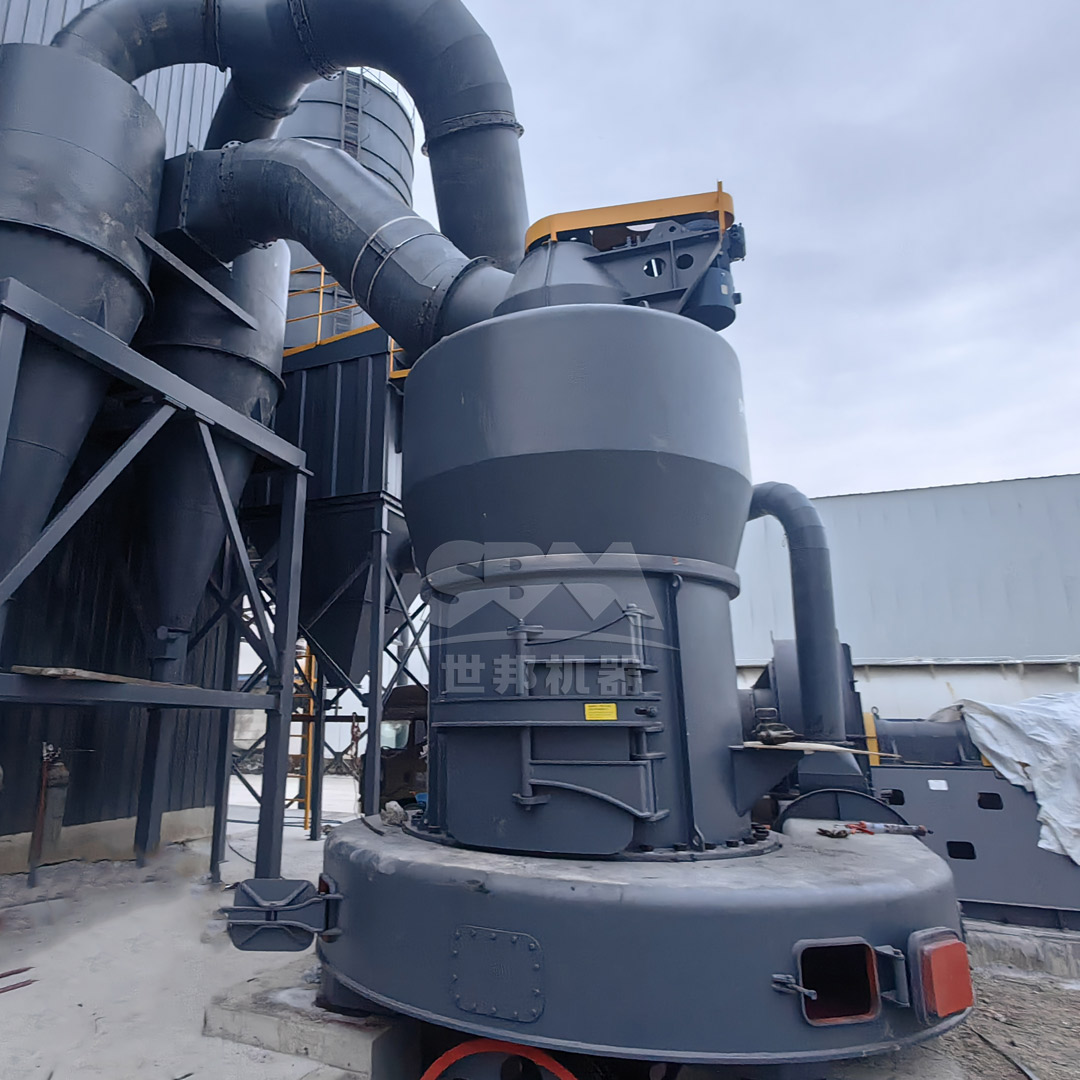
Grinding mills, especially large vertical roller mills and ball mills, are extremely heavy and generate dynamic loads. A thorough geotechnical survey is required to ensure the soil can support the foundation. A relatively flat site minimizes earthmoving costs. The LM Series Vertical Roller Mill offers a distinct advantage here with its集约化设计 (intensive design). Its integrated system (crushing/grinding/separating) reduces the plant footprint by up to 50%, and its structural design often allows for露天安装 (open-air installation), significantly reducing civil construction and foundation costs compared to traditional ball mill systems.
Locations in seismic zones require specialized (and costly) engineering. Similarly, regions prone to extreme weather events like hurricanes, floods, or deep frost must have mitigation plans, influencing both building design and insurance costs.
| Key Location Factor | Primary Considerations | Impact on Grinding Plant |
|---|---|---|
| Raw Material & Market | Distance to source & customers; Transport mode & cost | Determines core logistics cost; Influences optimal plant capacity and product type |
| Infrastructure | Power reliability/cost; Water access; Road/Rail links | Major OPEX component; Essential for operation; Defines supply chain capability |
| Environmental | Emission limits; Noise regulations; Zoning permits | Defines required investment in pollution control; Can prevent or delay operation |
| Geotechnical | Soil bearing capacity; Seismic risk; Topography | Directly impacts capital cost of foundations and plant layout |
The choice of grinding technology should not be made in isolation from the site selection. The two decisions are interdependent.
A site with expensive or limited power favors energy-efficient technologies. Our SCM Ultrafine Mill is a prime example of a technology that can turn a constraint into an advantage. It boasts energy consumption 30% lower than traditional jet mills while offering double the output capacity for ultra-fine products (325-2500 mesh, D97≤5μm). Its compact design and low noise operation (≤75dB) also make it suitable for locations with stricter space or noise limitations, potentially opening up more site options.
The selected site should have room for future expansion. Will the chosen mill technology allow for modular upgrades? For example, the modular design of our LM Series and the scalable model range of the MTW Series allow for capacity increases without completely redesigning the plant layout, making a site with expansion space a valuable long-term asset.
Selecting the optimal location for a grinding plant is a strategic exercise that balances cost, efficiency, compliance, and growth potential. It requires a holistic analysis of logistical networks, infrastructure robustness, environmental frameworks, and community dynamics. This decision must be made in concert with the selection of grinding technology. By choosing advanced, efficient, and environmentally sound equipment like our SCM Ultrafine Mill for high-value fine grinding or our LM Series Vertical Roller Mill for large-scale, energy-efficient coarse grinding, project planners can mitigate site-related challenges, optimize total cost of ownership, and ensure the long-term viability and profitability of their grinding operation. A successful project is born from the synergy of the right machine in the right place.