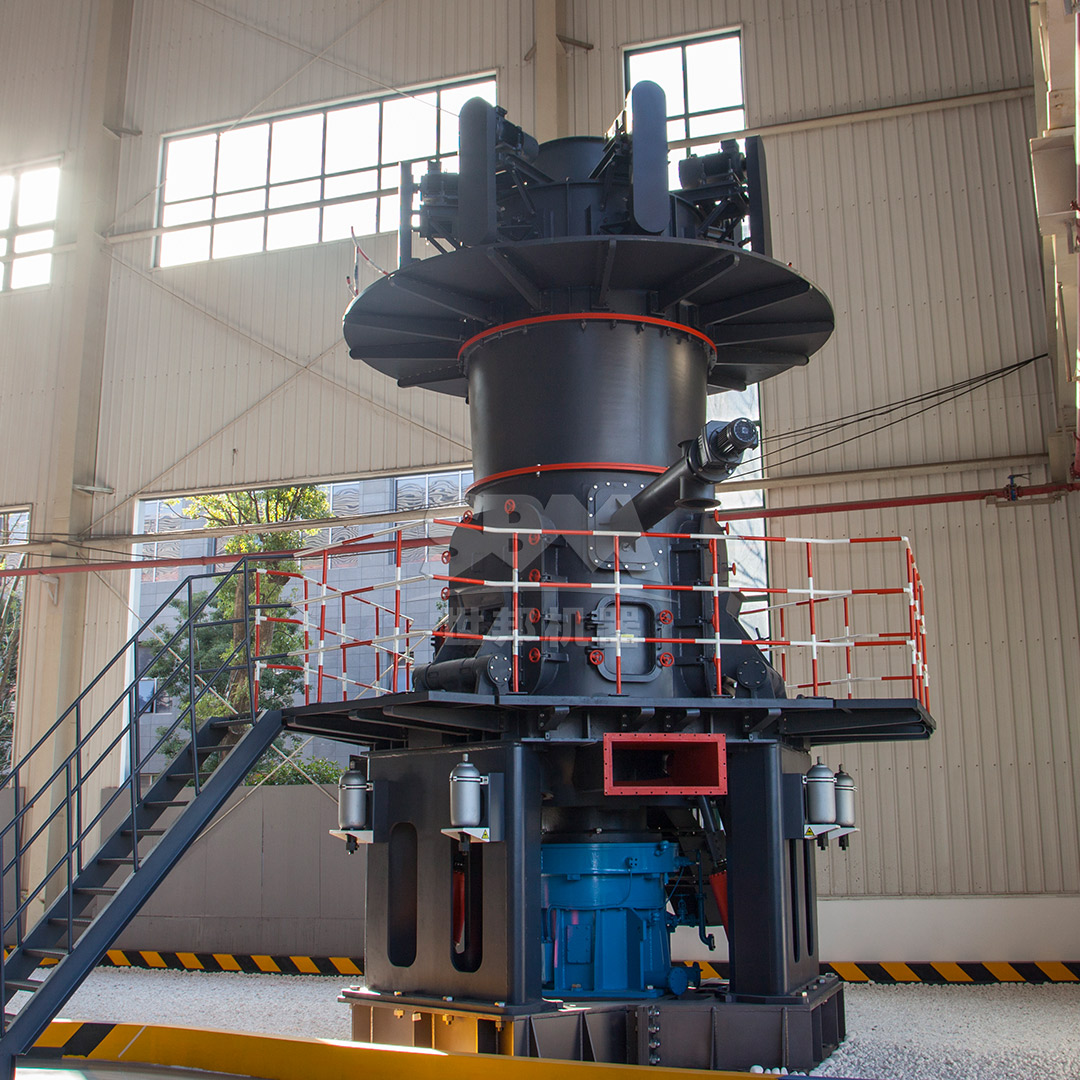
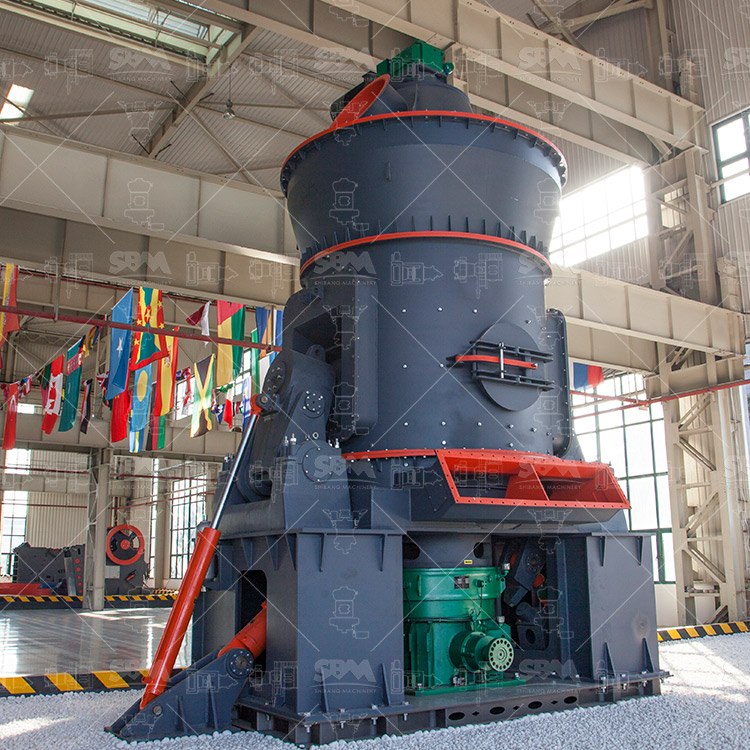
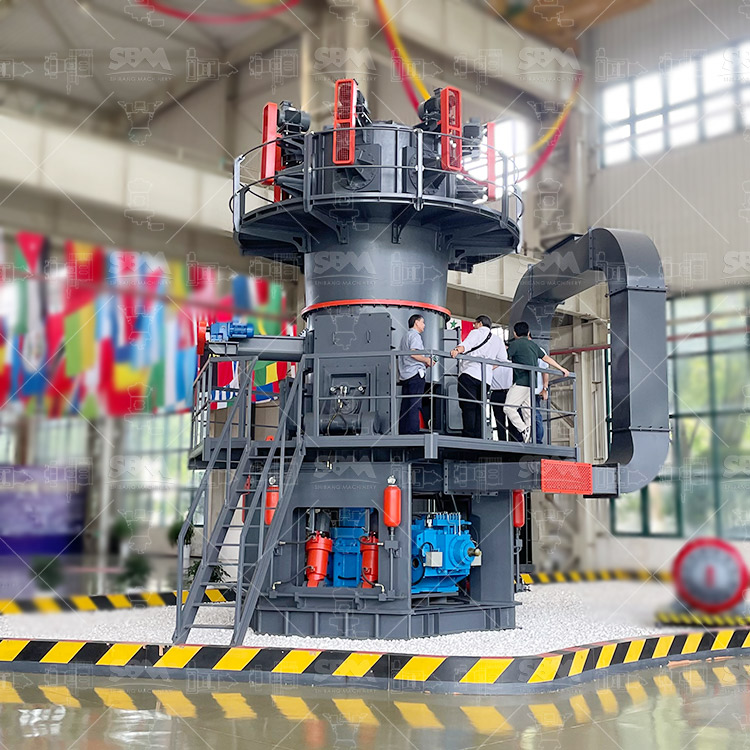
In today’s competitive industrial landscape, maximizing the throughput and efficiency of grinding equipment is paramount for profitability and sustainability. Vertical roller mills (VRMs) have become the cornerstone of modern powder processing across industries such as mining, cement, chemicals, and power generation due to their superior energy efficiency and compact design compared to traditional ball mills. However, achieving and maintaining optimal capacity requires a holistic approach that encompasses equipment selection, operational parameters, and maintenance strategies. This article delves into proven strategies for increasing vertical mill capacity, ensuring higher throughput while maintaining product quality and operational reliability.
The rated capacity of a vertical mill is influenced by a complex interplay of factors. It is not merely a function of motor power but a result of the efficient interaction between grinding pressure, material grindability, feed size distribution, gas flow, and classification efficiency. The core principle of a VRM is bed grinding, where material is ground between rollers and a rotating table under hydraulic pressure. The capacity is directly related to the stability of this grinding bed, the fineness of the desired product, and the system’s ability to remove finished product efficiently via the integrated classifier and gas stream. Disruptions in any of these areas can lead to significant throughput losses.
| Key Factor | Impact on Capacity | Optimization Goal |
|---|---|---|
| Grinding Pressure | Directly affects grinding force and bed stability. Insufficient pressure reduces grinding efficiency; excessive pressure can cause vibration. | Maintain optimal, stable pressure for the specific material. |
| Feed Size & Uniformity | Larger or highly variable feed size increases grinding load, reduces throughput, and can destabilize the grinding bed. | Ensure consistent, optimally sized feed material (e.g., ≤10% oversize). |
| Gas Flow & Temperature | Insufficient flow fails to lift fines; excessive flow carries coarse particles. Incorrect temperature affects drying and material flow. | Optimize for efficient material transport and drying without overloading the classifier. |
| Classifier Speed & Efficiency | Determines final product fineness. Inefficient classification leads to coarse product or excessive internal circulation, wasting energy. | Use high-efficiency classifiers and adjust speed precisely for target fineness. |
| Material Moisture & Grindability | High moisture causes clogging and reduces grinding efficiency. Harder materials require more specific energy. | Pre-dry if necessary; understand material’s Bond Work Index for proper mill sizing. |
One of the most effective ways to boost the capacity of a downstream vertical mill is to optimize the feed material. The adage “an ounce of prevention is worth a pound of cure” holds true here. Implementing a pre-grinding or pre-crushing stage can dramatically increase the main mill’s throughput.
For operations requiring significant capacity increases, especially with hard or abrasive materials like cement clinker or slag, integrating a dedicated pre-grinding mill is a game-changer. Our LM-Y Series Vertical Pre-grinding Roller Mill is engineered specifically for this purpose. It utilizes the efficient bed grinding principle to partially grind feed material (≤20mm) before it enters the main finishing mill. This reduces the particle size and work index of the feed, allowing the main mill to operate at a significantly higher throughput—often increasing overall system capacity by 30-50% while lowering specific energy consumption. The LM340Y model, for example, can handle pre-grinding循环处理量 (circulating load) of up to 800-1000 t/h, making it ideal for large-scale cement production lines seeking to debottleneck their grinding circuits.
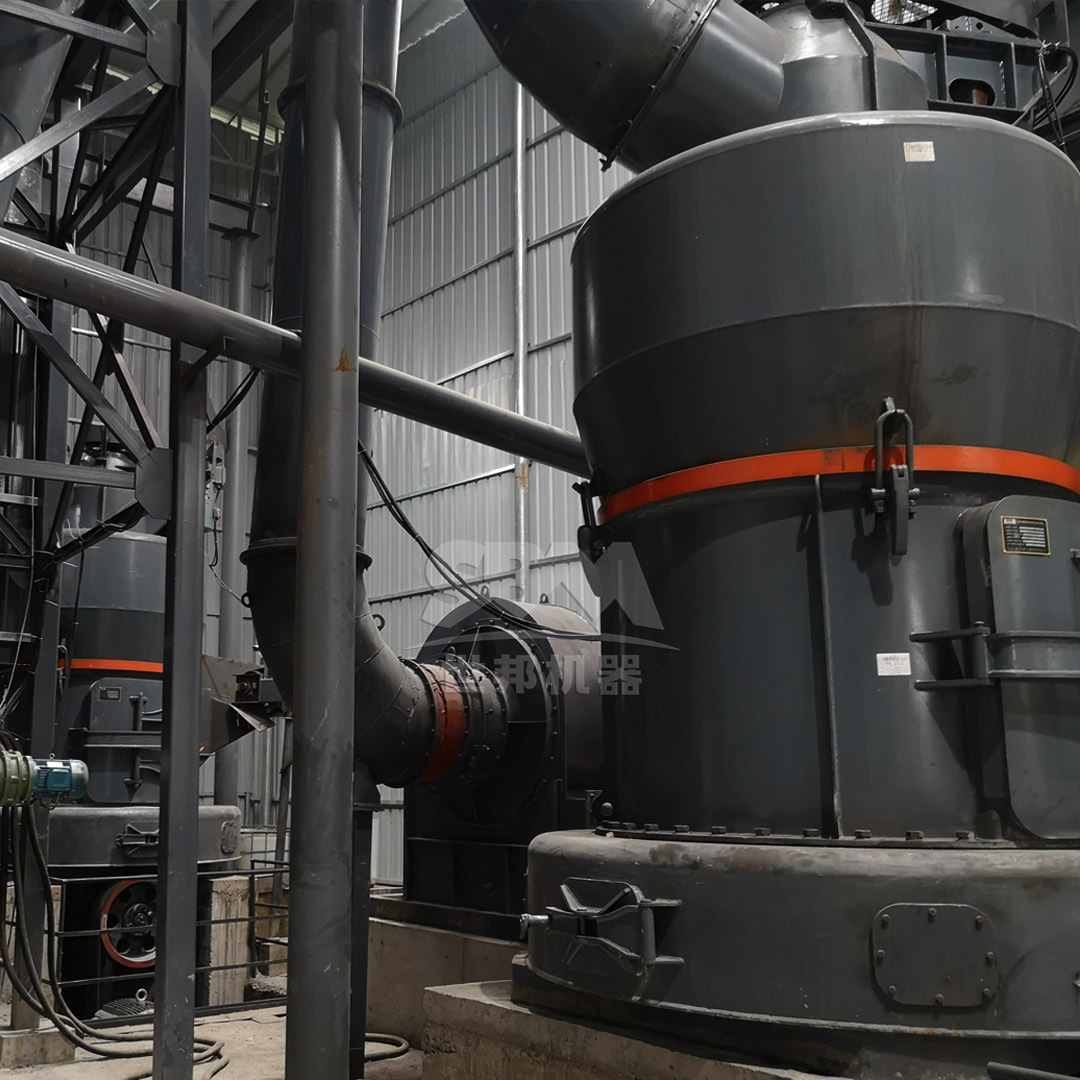
Fine-tuning the mill’s operational parameters is an ongoing process that yields immediate capacity gains.
Investing in modern vertical mill technology designed for high capacity and efficiency is a fundamental strategy. Older mills may lack the design features necessary for today’s high-throughput demands.
For operations targeting ultra-fine powders (325-2500 mesh / D97 ≤5μm) with significant capacity requirements, the choice of mill is critical. Our flagship SCM Series Ultrafine Mill is engineered to deliver exceptional throughput in this demanding range. Its technological advantages directly address key capacity limitations:
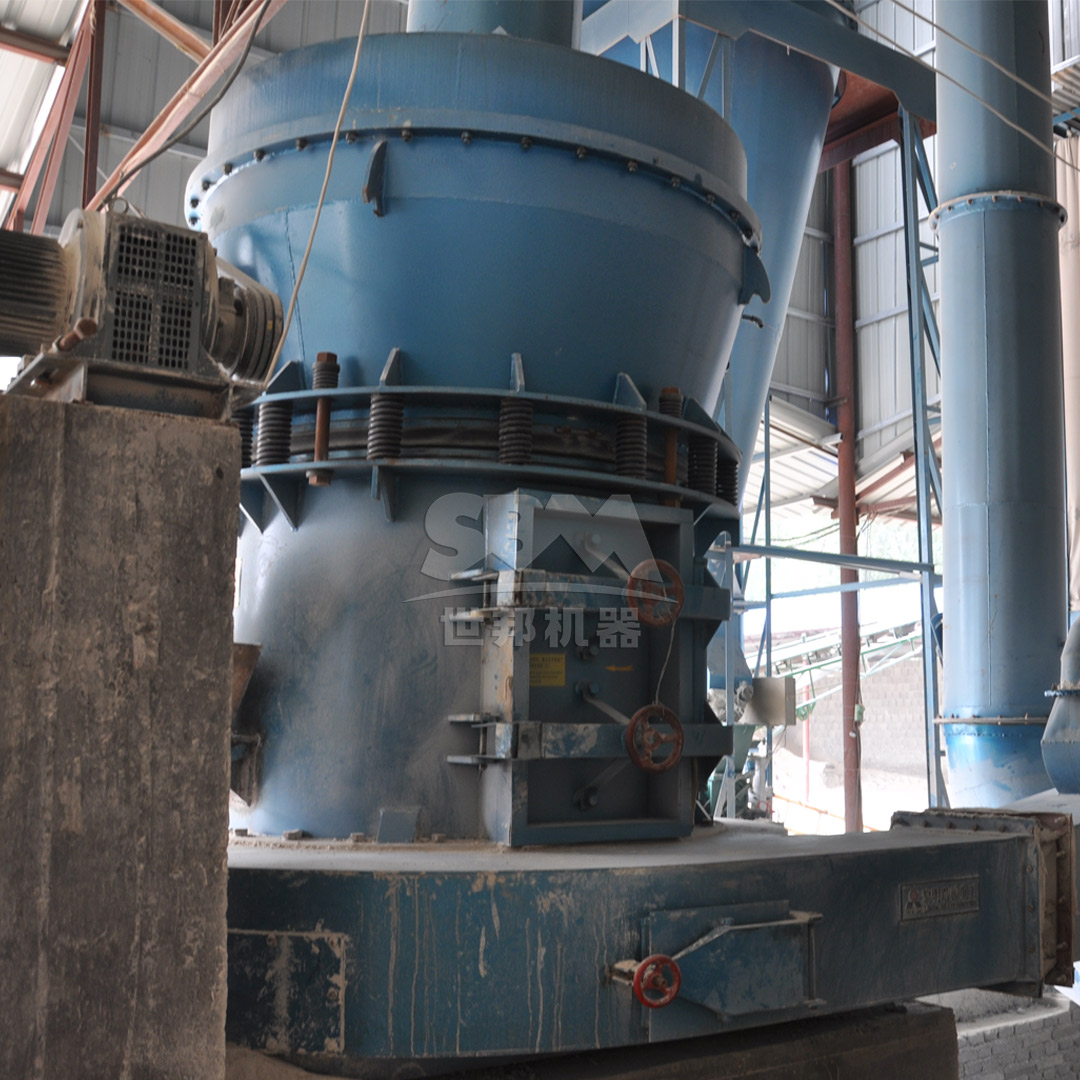
Capacity is not just about peak performance but also about sustained performance. Unplanned downtime is the enemy of throughput. A proactive maintenance strategy focused on wear parts is essential.
A vertical mill does not operate in isolation. Its performance is tied to the entire process chain, from raw material feed to product collection.
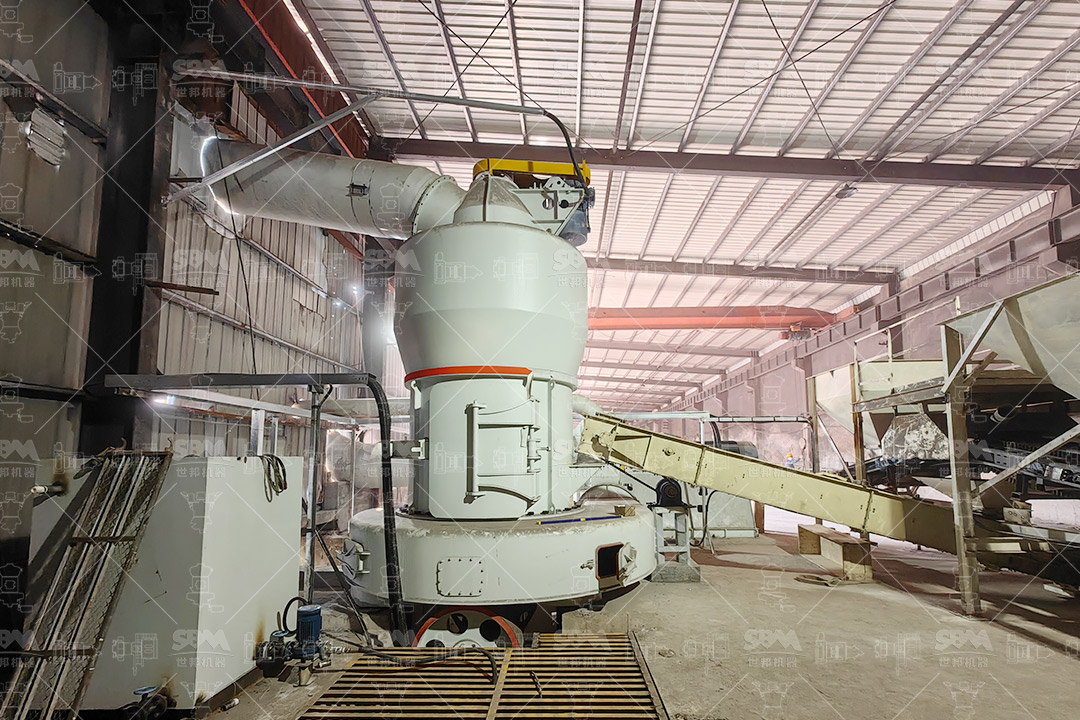
Increasing the capacity of a vertical roller mill is a multifaceted endeavor that requires a blend of correct equipment selection, precise operational tuning, diligent maintenance, and smart process control. There is no single “silver bullet.” Strategies range from upstream interventions like pre-grinding with specialized equipment such as the LM-Y Pre-grinding Mill to selecting inherently high-capacity finishing mills like the SCM Ultrafine Mill for superfine applications. By systematically addressing feed characteristics, grinding mechanics, classification efficiency, and system stability, plant operators can unlock significant latent capacity in their vertical mills, leading to higher throughput, reduced energy costs, and improved overall profitability. The journey to higher capacity is one of continuous analysis, optimization, and investment in the right technologies.