The talc industry faces increasing pressure to optimize production efficiency while minimizing environmental impact. Energy consumption during the grinding stage represents a significant portion of overall operational costs, often accounting for 60-70% of the total power used in mineral processing. Reducing this energy footprint is not only an economic imperative but also a key component of sustainable manufacturing. This article explores comprehensive strategies for energy reduction in talc grinding, focusing on process optimization, technological upgrades, and the integration of high-efficiency equipment. By implementing these measures, producers can achieve substantial cost savings, improve product quality, and enhance their environmental stewardship.
Grinding talc, a soft mineral with a Mohs hardness of 1, might seem less energy-intensive than harder materials. However, achieving the ultra-fine particle sizes (often down to D97 ≤ 5μm or 2500 mesh) required for high-value applications in plastics, paints, and cosmetics demands precise and efficient milling technology. The primary energy consumers in a grinding circuit are the mill’s main drive, the classifier or separator, and the system’s fans and conveyors. Inefficiencies arise from several sources: over-grinding due to poor classification, excessive recirculation of material, mechanical friction losses, and sub-optimal system design. A holistic approach to energy saving must address all these factors simultaneously.
The specific energy required for grinding is inversely proportional to the feed particle size. Implementing an efficient pre-crushing stage (e.g., using a jaw crusher or hammer mill) to reduce the talc feedstock from large lumps to a consistently small size (e.g., ≤20mm) before it enters the fine grinding mill dramatically reduces the work required by the main mill. This is a high-return, low-complexity first step.
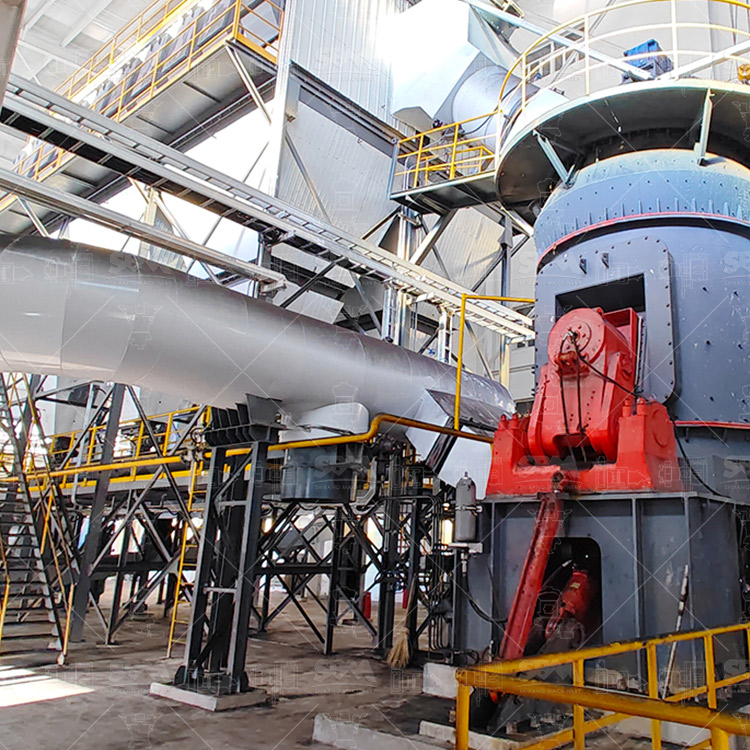
Traditional ball mills, while robust, are notoriously inefficient for fine and ultra-fine grinding due to high energy dissipation as heat and noise. Modern vertical roller mills and ring-roller mills operate on the principle of bed compression grinding, where material is crushed between rollers and a rotating table. This method is far more energy-efficient as it directs force more effectively into particle breakage.
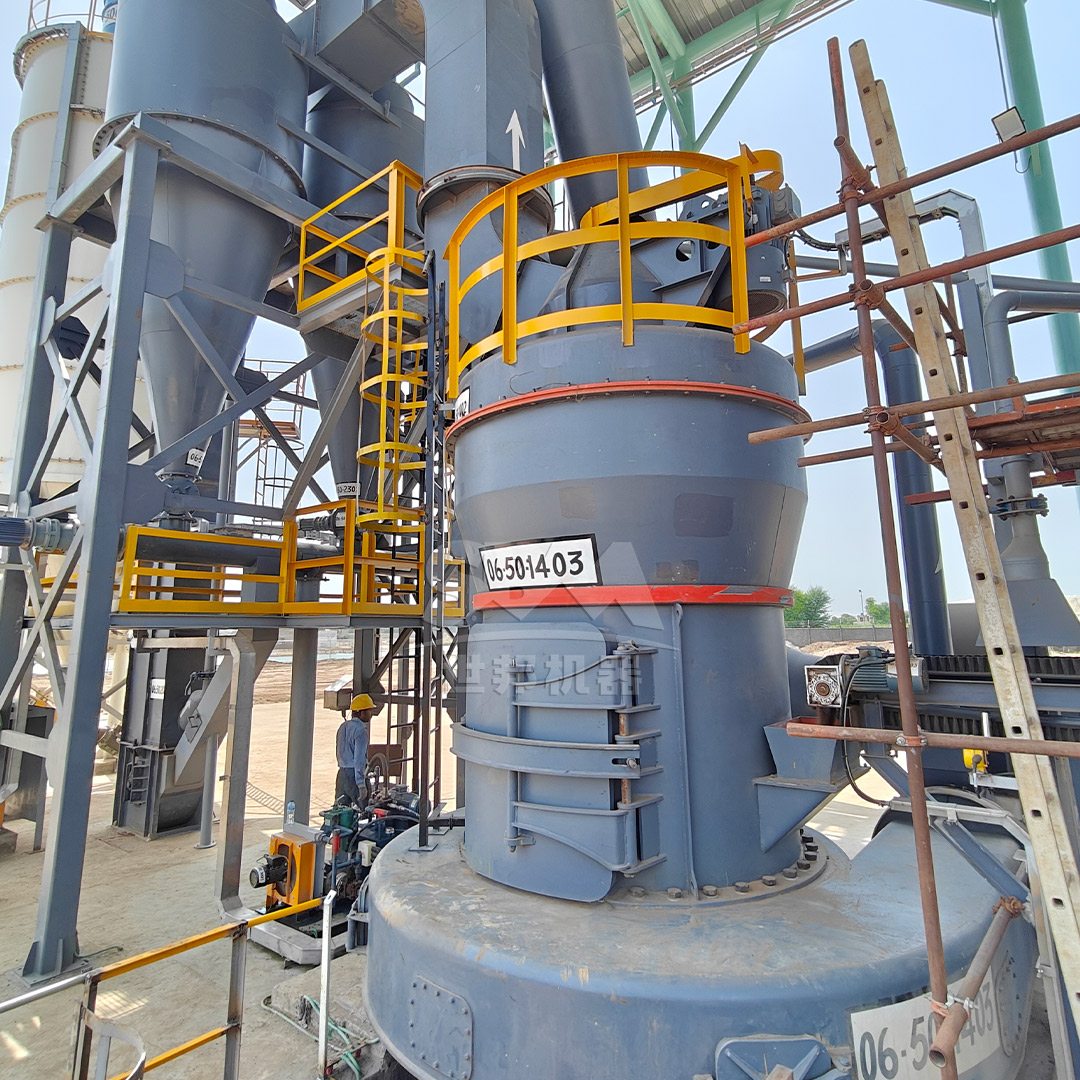
For ultra-fine talc production, technologies like SCM Ultrafine Mill represent a paradigm shift. Compared to traditional jet mills, the SCM series offers a compelling advantage: it can deliver twice the production capacity while reducing energy consumption by up to 30%. Its success lies in its efficient mechanical grinding action and an integrated high-precision vertical turbine classifier. The classifier ensures sharp particle size cuts, preventing fine particles from circulating back into the grinding zone (over-grinding) and coarse particles from contaminating the final product. This precise in-process classification is a major contributor to its low specific energy consumption.
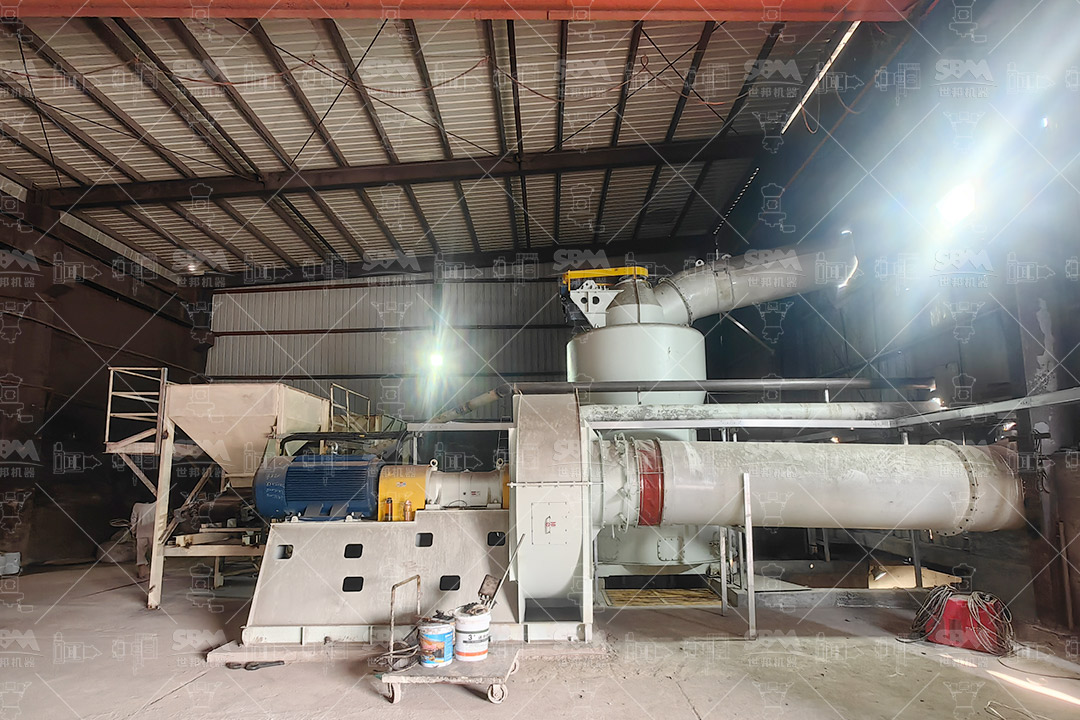
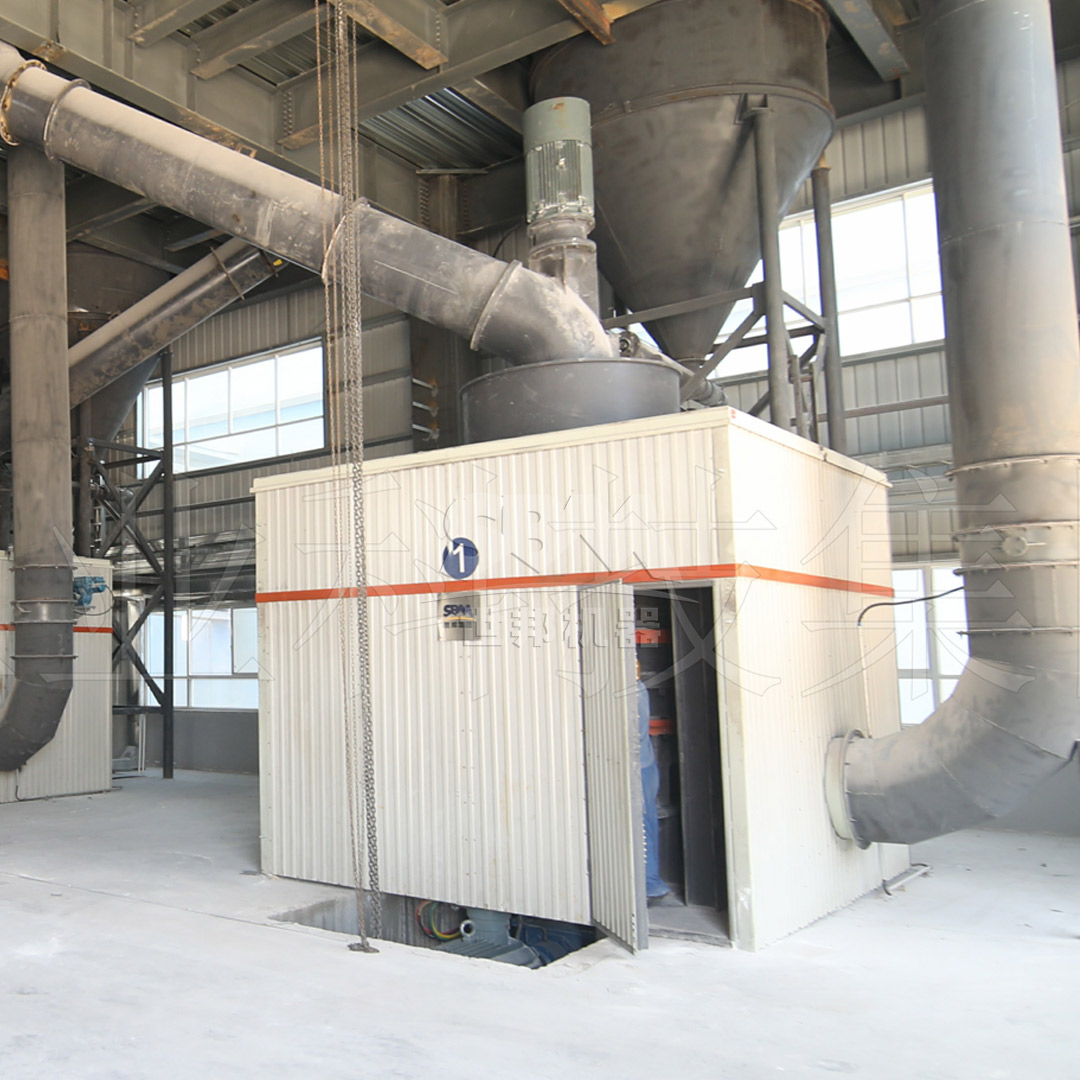
The classifier is the brain of a modern grinding circuit. An efficient, dynamic classifier instantly removes product-sized particles from the grinding zone. Technologies like forced vortex turbines or multi-rotor designs allow for real-time adjustment of cut points without stopping production. This ensures the mill is always working on the correct size fraction, maximizing throughput and minimizing energy waste. The system’s fan and cyclone must be optimally sized to match the airflow required by the mill and classifier, avoiding unnecessary power draw from moving excess air or creating high system resistance.
Implementing an advanced process control system (APC) with real-time monitoring of power draw, feed rate, classifier speed, and pressure differentials can stabilize the entire operation. The system can automatically adjust parameters to maintain optimal loading in the mill and target fineness, responding to variations in feed material. This constant optimization prevents manual over-correction and drift into inefficient operating regimes, leading to consistent energy savings of 5-15%.
Worn grinding elements (rollers, rings, liners) significantly reduce grinding efficiency. As profiles change, the grinding bed becomes unstable, and more energy is required to achieve the same fineness. Implementing a predictive maintenance schedule based on throughput or operating hours, rather than reactive breakdown maintenance, keeps the mill in peak condition. Using wear parts made from special alloys, as featured in the MTW Series Trapezium Mill with its curved shovel blade design and wear-resistant grinding elements, can extend service life by several times, maintaining high efficiency over longer periods and reducing specific energy consumption related to wear.
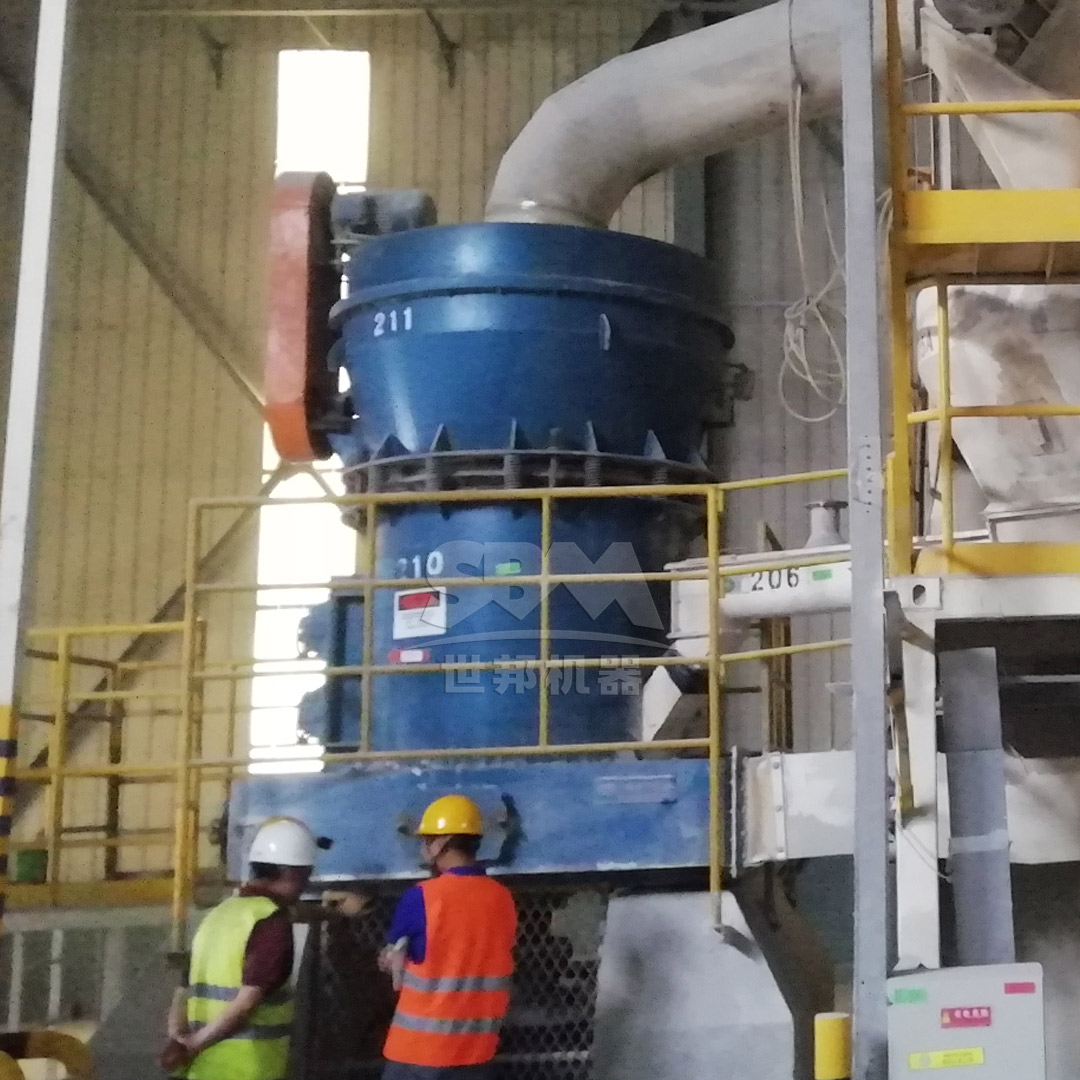
Selecting the right mill is the cornerstone of an energy-efficient talc plant. For high-volume production of fine talc (e.g., 30-325 mesh), the MTW Series Trapezium Mill is an excellent choice. Its design incorporates several energy-saving features: an arc-shaped air channel that reduces airflow resistance and energy loss, and an integral conical gear transmission with a remarkable 98% transmission efficiency. This direct, efficient drive system eliminates the energy losses associated with traditional reduction gearboxes. Furthermore, its internal aerodynamic design minimizes pressure drop across the system, reducing the load on the main fan.
| Model | Grinding Capacity (t/h) | Main Motor Power (kW) | Output Fineness (mesh) | Key Energy-Saving Feature |
|---|---|---|---|---|
| MTW138Z | 6-17 | 90 | 10-325 | High-Efficiency Conical Gear Drive |
| MTW175G | 9.5-25 | 160 | 10-325 | Optimized Airflow & Wear-Resistant Design |
For the most demanding ultra-fine applications (325-2500 mesh), the SCM Ultrafine Mill is the benchmark. Its multi-layer grinding roller and ring structure, coupled with the precision vertical turbine classifier, create an environment where energy is used almost exclusively for productive particle size reduction. The intelligent control system automatically adjusts operational parameters based on feedback from the product fineness monitor, ensuring the mill operates at its most efficient point at all times. The result is a system that not only saves energy but also produces a more consistent, high-quality talc powder with a narrow particle size distribution.
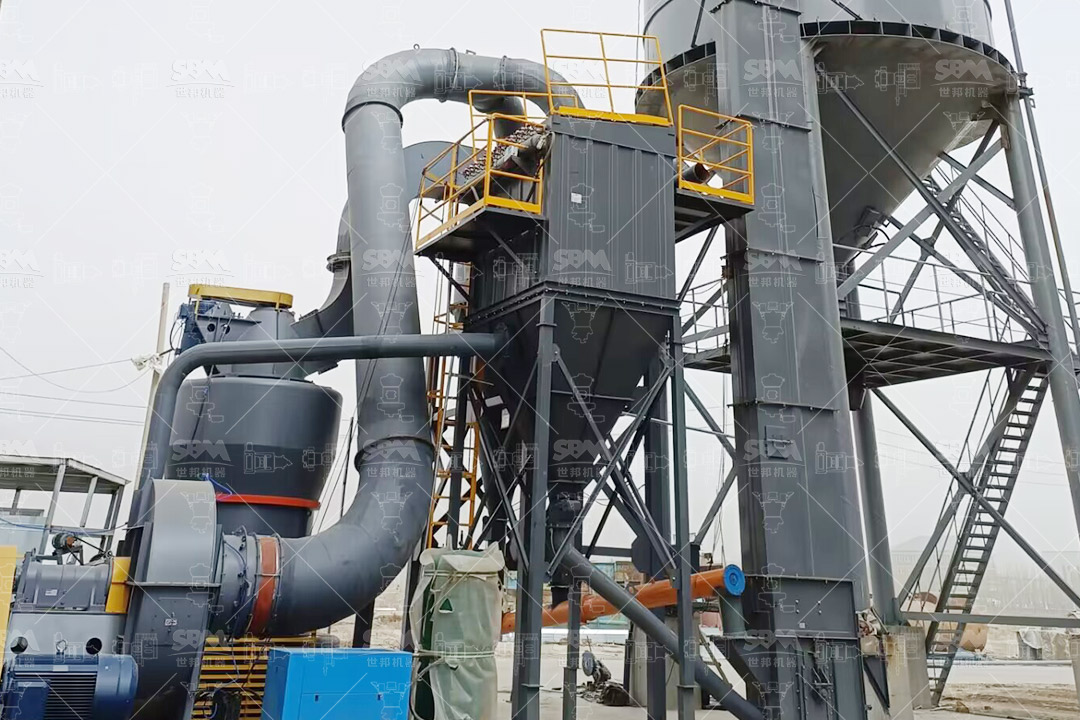
Reducing energy consumption in talc grinding is an achievable goal that delivers immediate financial benefits and long-term competitive advantage. The journey begins with a systematic audit of the entire size reduction process, from feed preparation to product collection. The most significant gains, however, come from technological modernization. Replacing outdated, inefficient mills with advanced, integrated systems like the MTW Series Trapezium Mill for fine grinding or the SCM Ultrafine Mill for ultra-fine production provides a direct path to lower specific energy consumption, higher productivity, and superior product quality. By embracing these technologies and strategies, talc producers can build a more sustainable, profitable, and resilient operation for the future.