Graphite, a critical material for modern industries ranging from lithium-ion batteries to refractories, presents unique challenges in size reduction and milling. Its layered, soft yet abrasive nature, combined with stringent purity and particle size distribution (PSD) requirements, makes conventional hammer mills often inadequate. While hammer mills excel at high-capacity, coarse crushing, achieving the fine and ultra-fine powders (often below 325 mesh or 45 μm) required for advanced applications necessitates significant modifications or a complete shift in technology. This article explores practical modifications to hammer mills for improved graphite pre-processing and introduces specialized milling solutions for achieving superior final product quality, efficiency, and consistency.
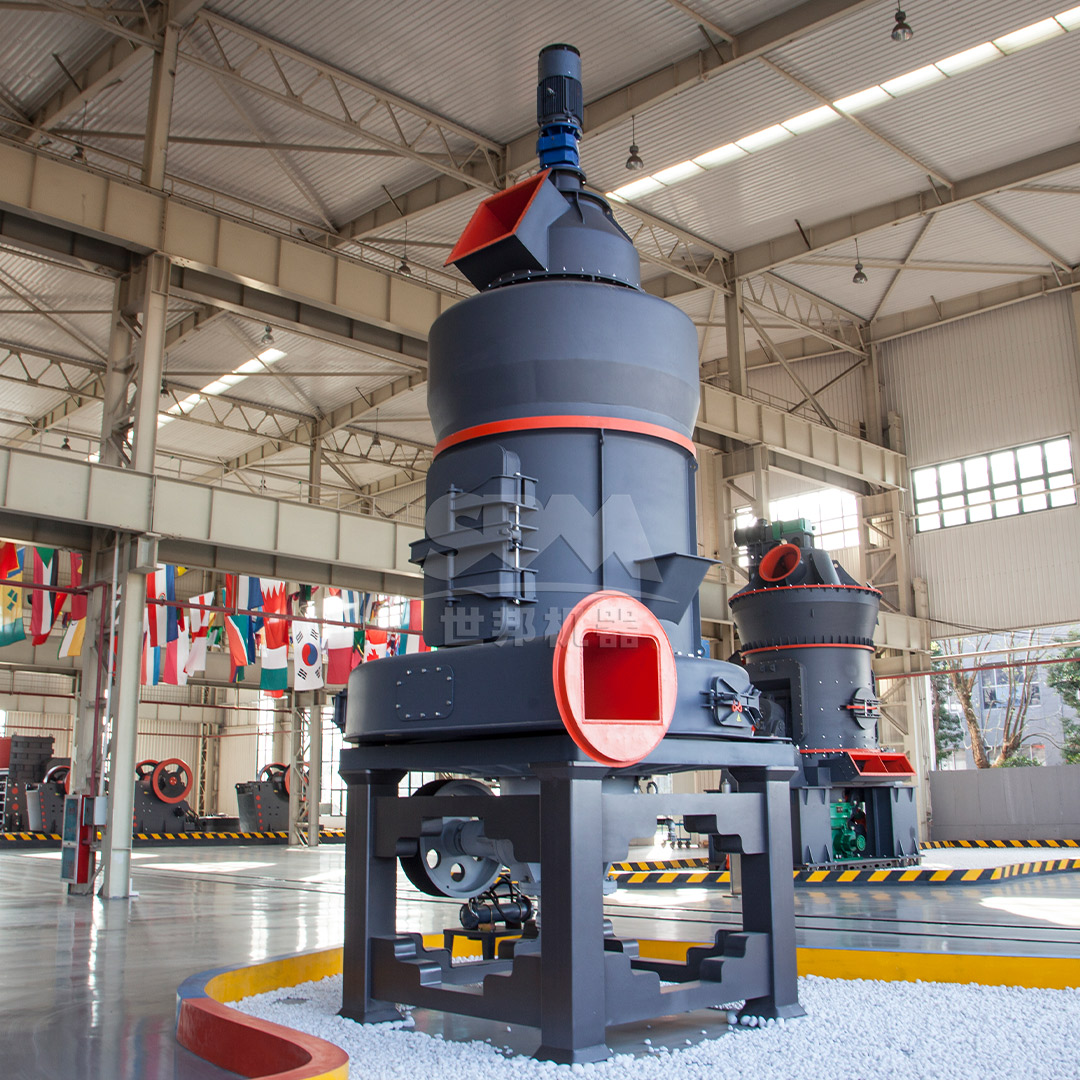
Standard hammer mills operate on impact and attrition principles, where rapidly rotating hammers strike and shatter feed material against breaker plates. For graphite, this approach has several drawbacks:
For primary or secondary crushing stages before fine grinding, the following modifications can enhance a hammer mill’s suitability for graphite:
Replace standard manganese steel hammers and liners with ceramic-lined or tungsten carbide-tipped components. This drastically reduces metallic contamination. Hardened tool steel with specialized coatings can also offer a balance between wear resistance and cost.
Integrate a forced-air cooling system or a liquid nitrogen injection port to manage mill temperature. Modifying the fan or air assist system to increase airflow helps evacuate fine particles and dissipate heat, preventing thermal damage to the graphite.
Retrofit the discharge with an external dynamic classifier (e.g., a small turbo classifier). This allows for continuous separation of fines, returning coarse material for further impact. It reduces over-grinding, improves classification efficiency compared to static screens, and helps achieve a tighter PSD in the intermediate product.
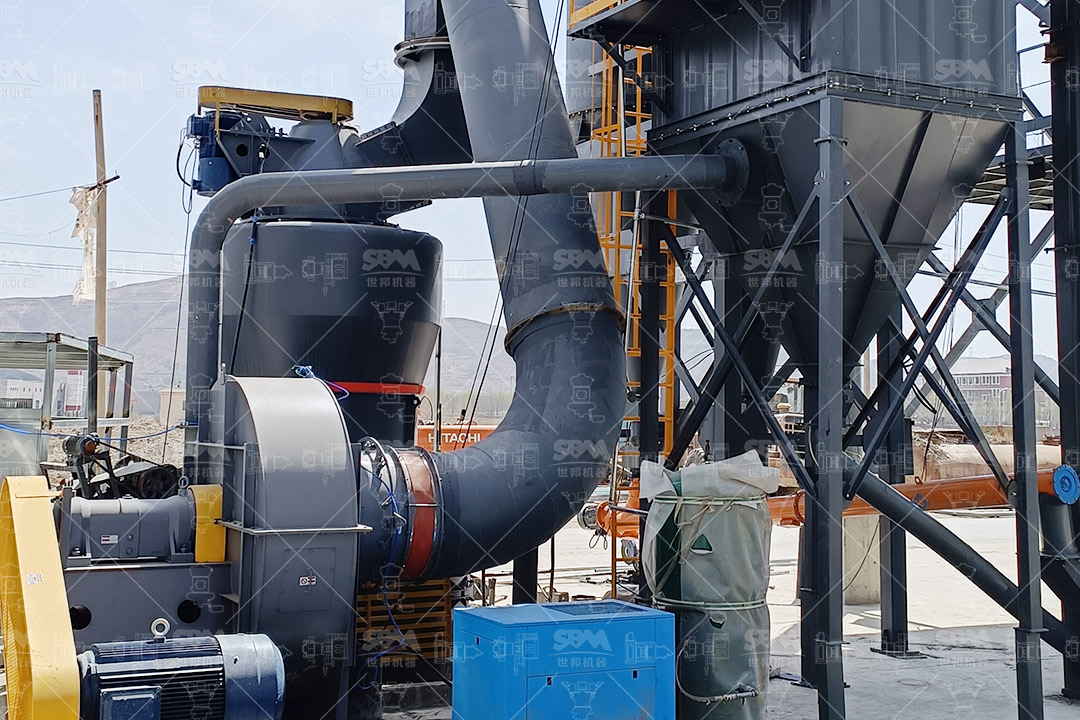
Implement a variable-speed, precision feeder (e.g., loss-in-weight feeder) to ensure a consistent and optimal feed rate. This prevents mill overload, stabilizes power draw, and contributes to a more uniform product.
Modify the mill housing for improved sealing to contain graphite dust, which is both a valuable product and a combustible hazard. Dedicate a mill solely to graphite processing to avoid cross-contamination from other materials.
While these modifications extend the utility of hammer mills for graphite, achieving ultra-fine, high-purity, and shape-controlled powder consistently requires technology specifically designed for such demanding applications.
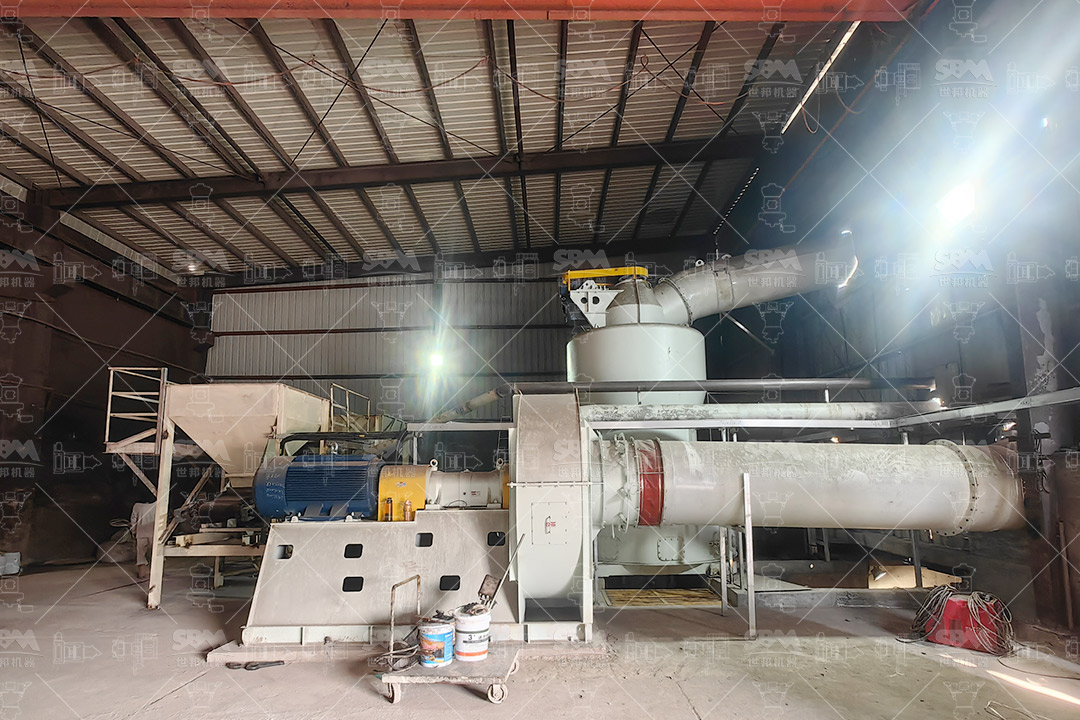
For the final milling stage to produce fine (325-800 mesh) and ultra-fine (2500 mesh / D97 ≤ 5μm) graphite powder, specialized mills that employ combined compression, shear, and precise classification are essential. Our company offers engineered solutions that address the core challenges of graphite processing.
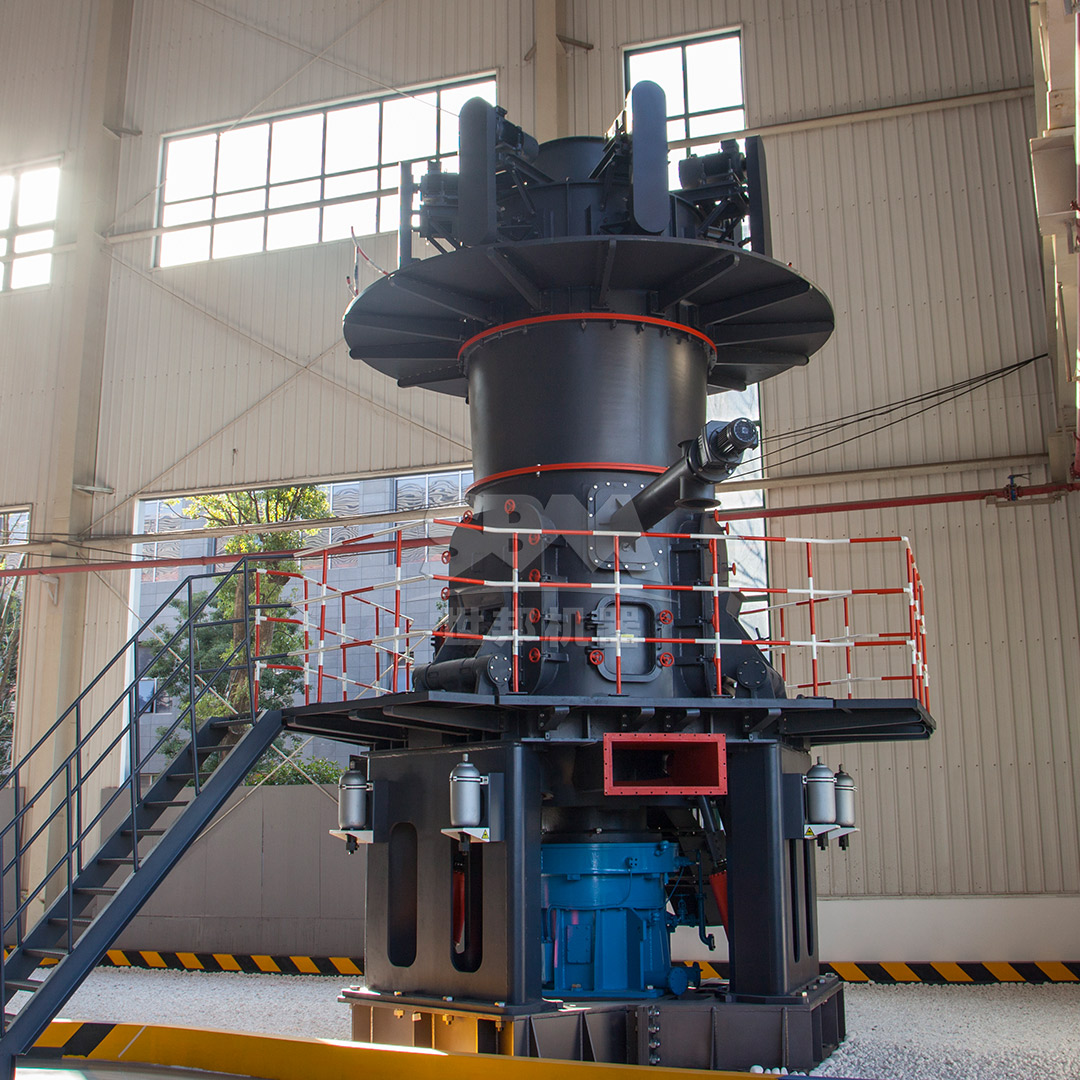
For producing battery-grade spherical graphite or conductive additives requiring ultra-fine and narrow particle size distributions, the SCM Ultrafine Mill is the ideal choice. Its design principles align perfectly with graphite’s milling needs.
| Model | Processing Capacity (ton/h) | Main Motor Power (kW) | Output Fineness (mesh) |
|---|---|---|---|
| SCM800 | 0.5 – 4.5 | 75 | 325-2500 |
| SCM1000 | 1.0 – 8.5 | 132 | 325-2500 |
| SCM1680 | 5.0 – 25.0 | 315 | 325-2500 |
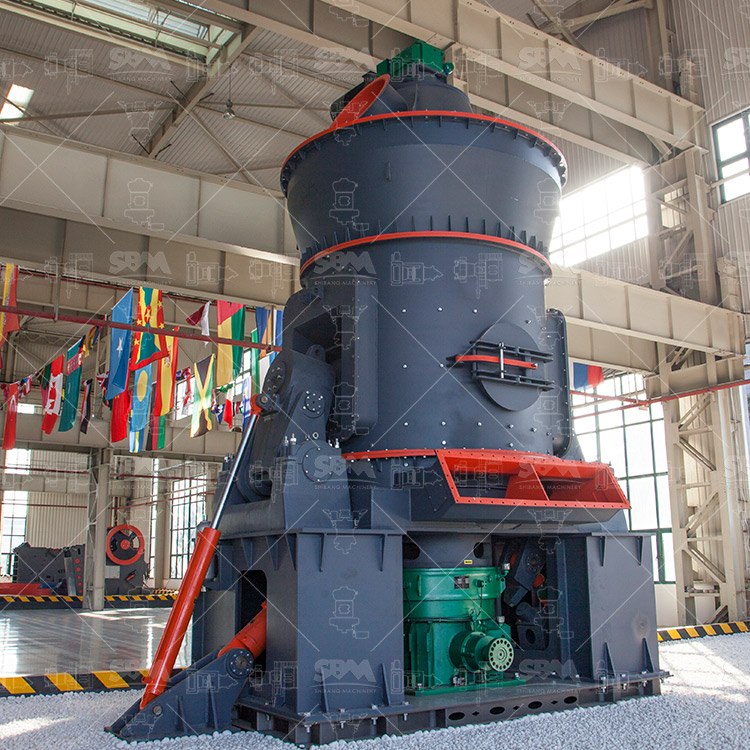
For high-volume production of fine graphite powders in the range of 30-325 mesh (0.6mm-45μm) for applications like refractories, foundry facings, or expanded graphite precursors, the MTW Series Trapezium Mill offers robust and efficient performance.
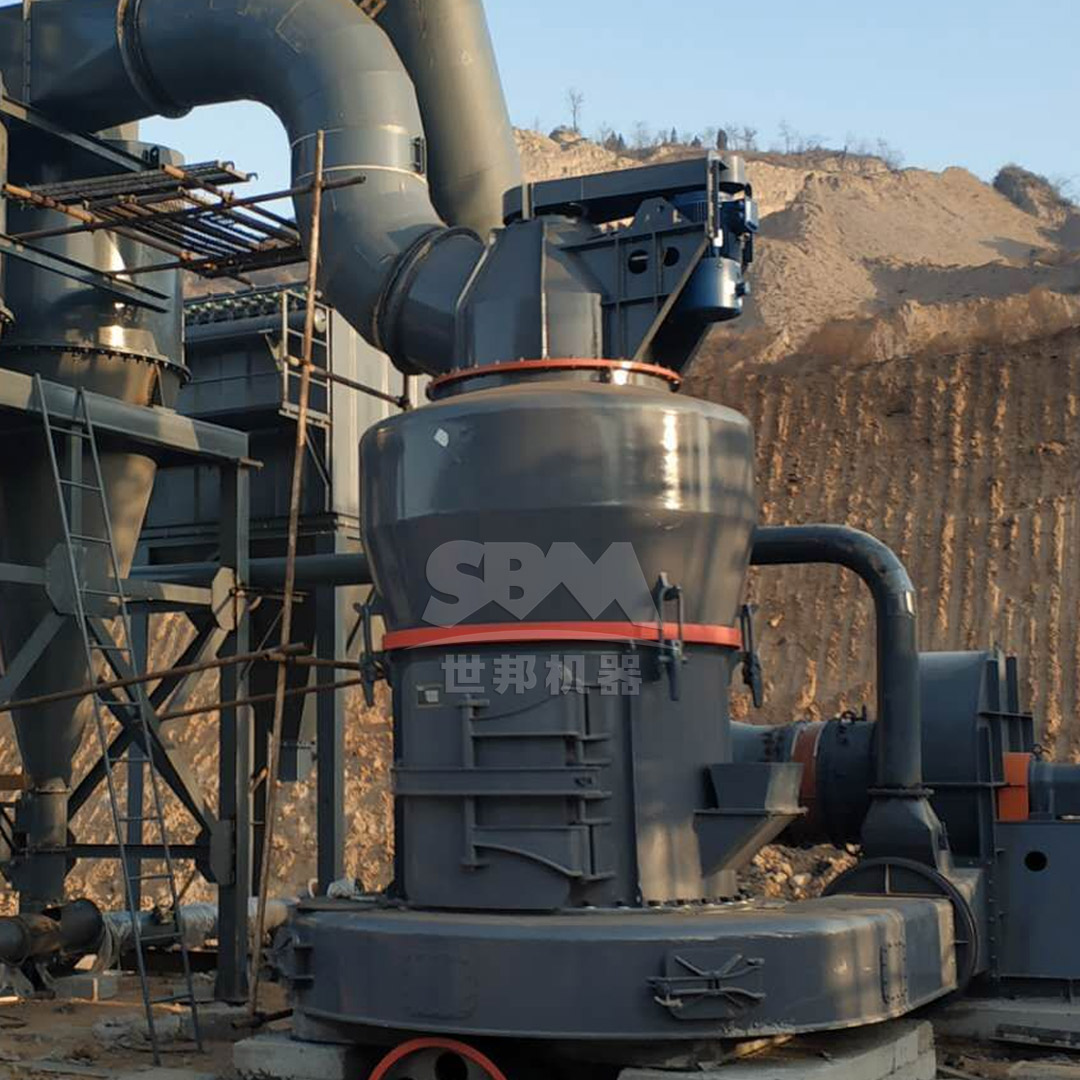
A complete graphite processing line often involves multiple stages. A modified hammer mill can serve as an effective primary crusher to reduce run-of-mine graphite to 0-3mm. This pre-crushed material is then conveyed to a drying system (if moisture is present) before entering the fine grinding circuit with an MTW or SCM mill.
Key Integration Points:
While hammer mills can be modified with ceramic liners, cooling systems, and external classifiers to better handle graphite in pre-processing roles, their fundamental technology has limits for producing high-value, fine graphite powders. For consistent, efficient, and contamination-free production, transitioning to purpose-built grinding technology is paramount. Our SCM Ultrafine Mill and MTW Series Trapezium Mill represent two such solutions, engineered to overcome the specific challenges of graphite milling across different fineness and capacity requirements. By selecting the appropriate technology and integrating it into a well-designed process flow, producers can achieve superior product quality, reduce operational costs, and meet the exacting standards of advanced graphite markets.