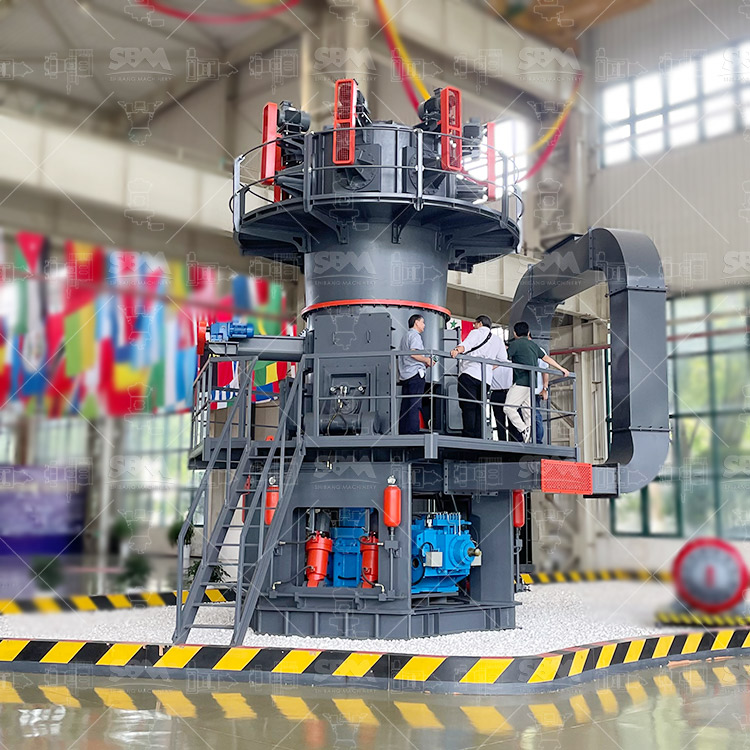
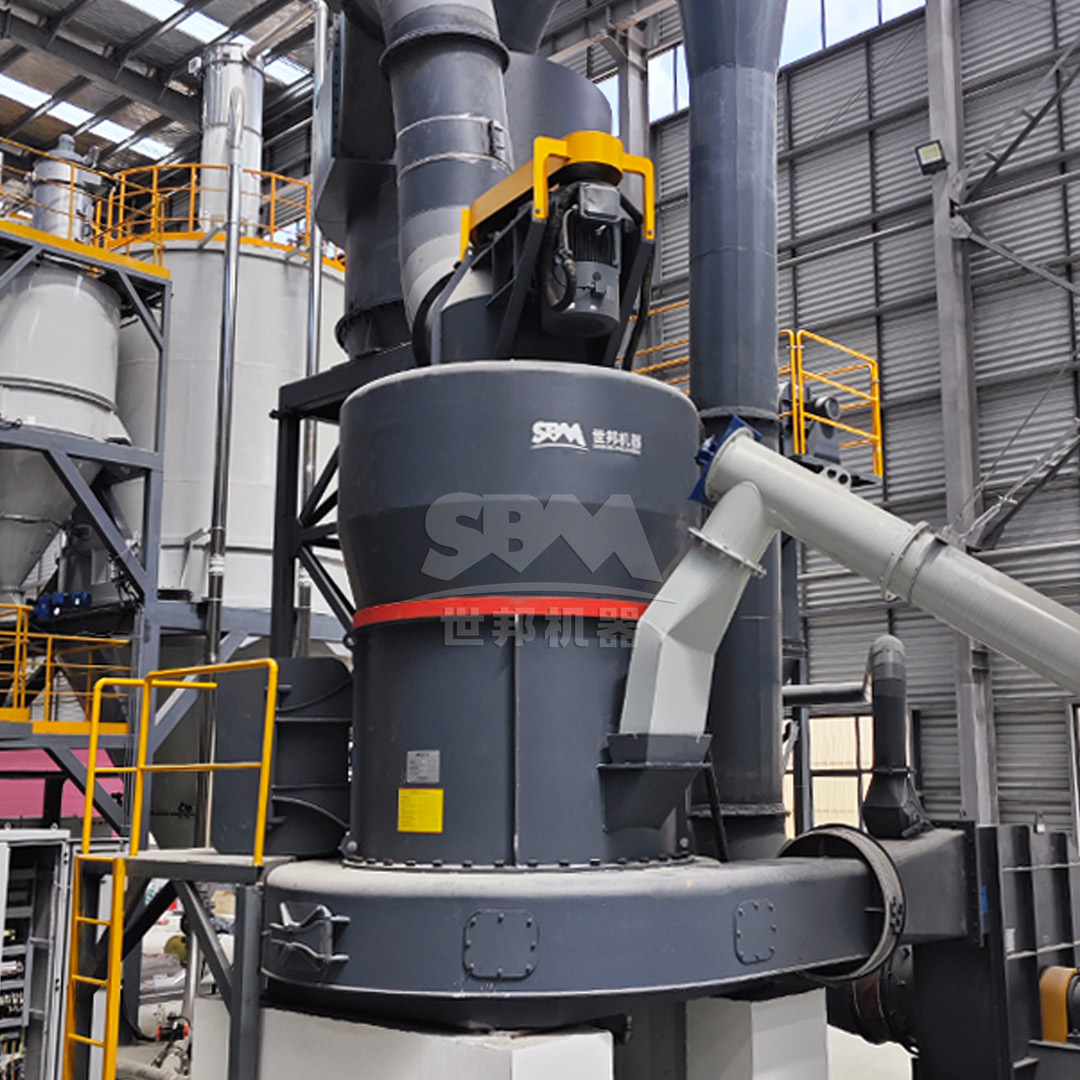
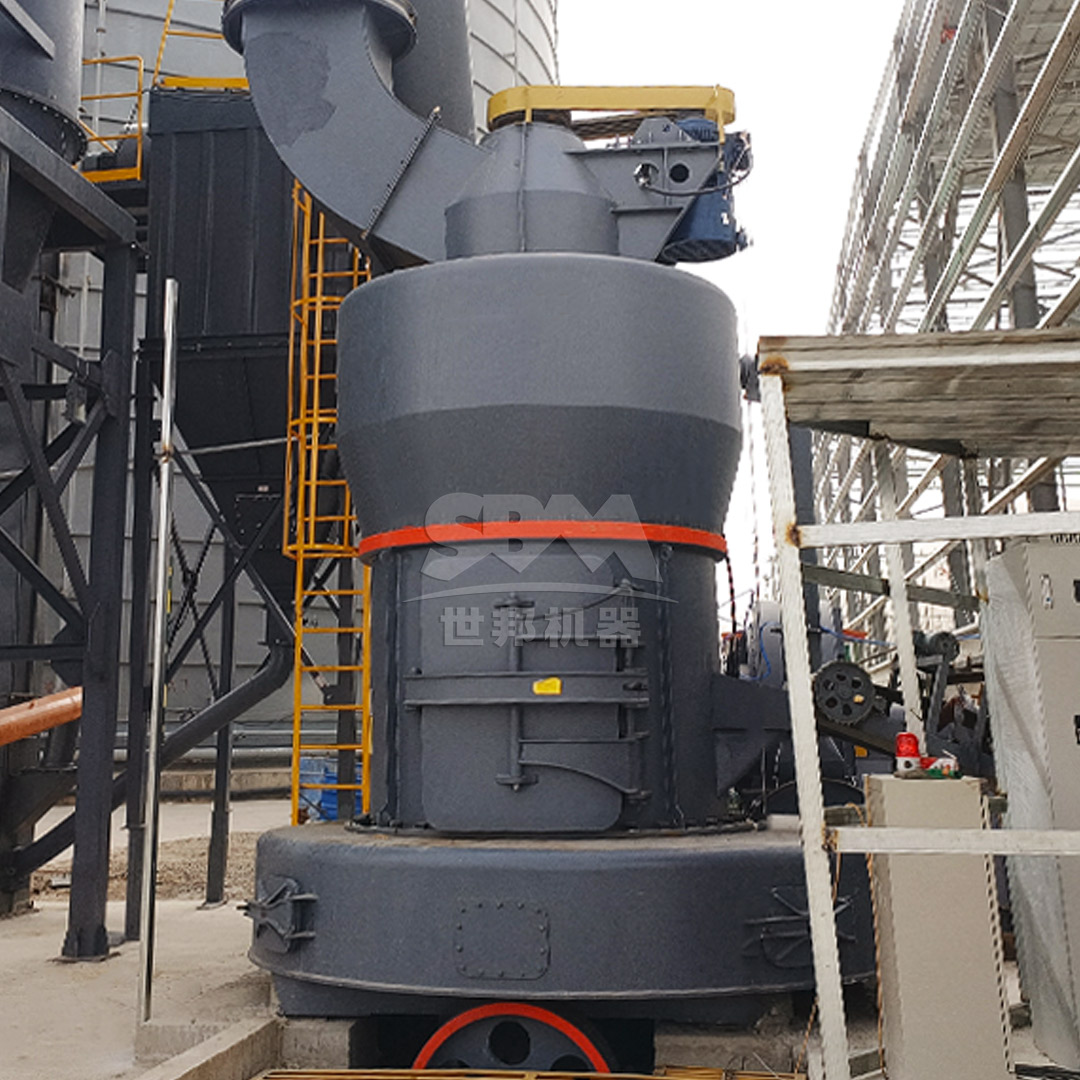
In the competitive landscape of modern mineral processing, chemical manufacturing, and building materials production, achieving high-volume output with superior product quality and minimal operational cost is the ultimate goal. Traditional grinding systems, while reliable, often struggle with the trade-offs between throughput, energy consumption, and particle size consistency. The advent of advanced multi-roller mill technology, particularly exemplified by the 21-roller configuration in large-scale vertical mills, represents a paradigm shift. This article delves into the top five economic benefits that make such sophisticated machinery, like our flagship LM Series Vertical Roller Mill, a transformative investment for high-volume production facilities.
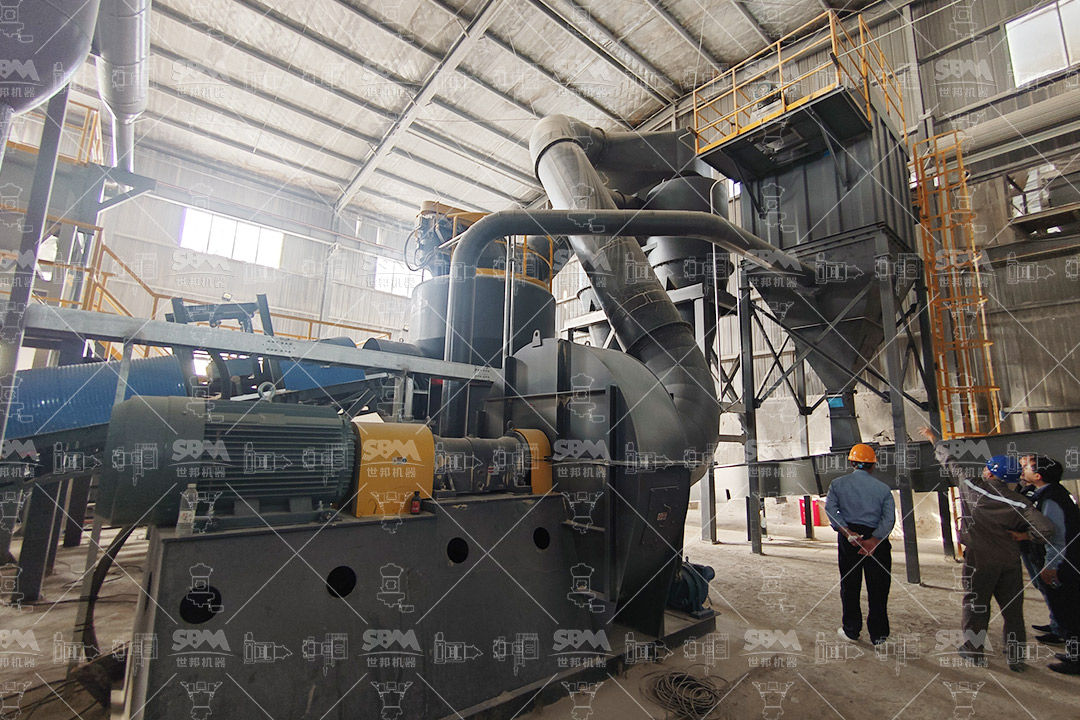
The most compelling economic argument for a 21-roller mill lies in its exceptional energy efficiency. The core principle of material bed comminution, where multiple rollers apply pressure to a bed of material on a rotating table, is inherently more efficient than the impact and attrition mechanisms of ball mills. A 21-roller system amplifies this advantage by distributing the grinding force over a vastly larger area, reducing the load per roller and minimizing energy losses due to vibration and friction.
Our LM Series Vertical Roller Mill embodies this principle. Its intelligent design, featuring a robust gearbox and optimized grinding curve, achieves a specific energy consumption that is typically 30-40% lower than traditional ball mill systems. For a high-volume operation running 24/7, this translates into millions of dollars saved in annual electricity costs. Furthermore, the mill’s ability to handle drying, grinding, and classifying in a single unit eliminates the energy drain associated with separate conveyors and classifiers in conventional circuits.
| Grinding System | Specific Power Consumption (kWh/t) | Relative Efficiency |
|---|---|---|
| Traditional Ball Mill (Closed Circuit) | 32-38 | Baseline (100%) |
| Conventional Vertical Roller Mill (4-6 Rollers) | 24-28 | ~75-85% |
| Advanced 21-Roller Mill (e.g., LM Series) | 18-22 | ~58-69% |
High-volume production demands not just efficiency but also massive capacity. The 21-roller configuration directly addresses this by significantly increasing the active grinding area. With more rollers working simultaneously, the mill can process a greater volume of material per revolution of the grinding table. This design allows for the construction of extremely large mills capable of unprecedented throughput rates.
For instance, our largest LM370N model for slag grinding features a massive 4500mm grinding table and is powered by a 3150-3300 kW motor. It delivers a staggering output of 90-110 tons per hour of high-quality slag powder with a specific surface area ≥420 m²/kg. This level of throughput enables mega-projects and large-scale plants to meet their production targets with fewer grinding lines, reducing capital expenditure on buildings, auxiliary equipment, and infrastructure.
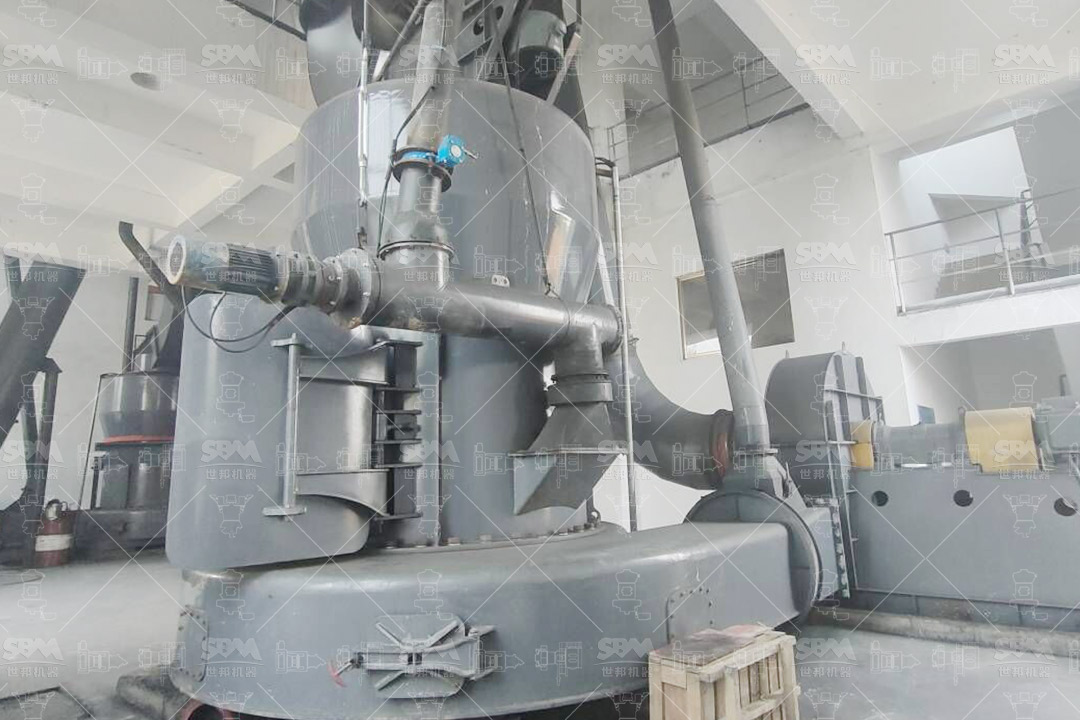
Economic benefit is not solely about quantity; product quality directly impacts market value and customer satisfaction. The 21-roller mill excels in producing a consistently fine and uniform product. The multi-roller system ensures stable material bed formation and even pressure distribution, leading to a narrower particle size distribution (PSD). The integrated high-efficiency classifier, such as the dynamic selector in our LM mills, provides precise cut-point control, ensuring no oversized particles contaminate the final product.
This consistency is crucial for downstream processes and product performance. Whether producing cement with optimal strength development, mineral fillers with specific surface area requirements, or ultra-fine powders for advanced materials, the stability of the 21-roller mill minimizes product variability, reduces waste, and enhances the brand’s reputation for quality. Our LM Vertical Fine-powder Mill series (e.g., LM190X-GX) can achieve a consistent fineness of 325-600 mesh (D97), making it ideal for high-value applications where particle uniformity is paramount.
Downtime is the enemy of high-volume production. The advanced engineering of a 21-roller mill focuses on durability and maintainability. Key wear parts, such as rollers and table liners, are made from special alloy materials with service lives several times longer than conventional parts. The modular design of the roller assemblies is a critical feature.
Our LM Series incorporates a patented Quick-Change Roller Assembly System. Individual rollers can be swung out of the grinding chamber hydraulically for maintenance or replacement without needing to disassemble other major components. This can reduce planned maintenance downtime from days to mere hours. Additionally, the absence of direct metal-to-metal contact between rollers and the table (operating with a material bed) and advanced lubrication systems further extend component life. The result is a dramatic reduction in maintenance labor costs, spare parts inventory, and production losses due to unplanned stops.
The economic calculus of a new production line must include space and environmental costs. A 21-roller mill’s integrated design—combining crushing, grinding, drying, classification, and conveying within a single, vertical structure—offers a remarkably small footprint, often reducing required floor space by 50% compared to a ball mill plant of equivalent capacity. This saves significant capital on building construction and land use.
Environmentally, these mills are designed for the modern era. They operate under full negative pressure, ensuring dust emissions are kept below 20 mg/m³, well within stringent international standards. The enclosed system, coupled with high-efficiency pulse jet bag filters, contains all particulate matter. Moreover, the significant reduction in energy consumption directly lowers the plant’s carbon footprint. Noise levels are also controlled to ≤80 dB(A) through optimized mechanical design and sound insulation, contributing to a better workplace and community relations. For operations requiring ultra-fine products, our SCM Ultrafine Mill offers similar environmental and space-saving benefits, with noise levels as low as 75dB, making it an excellent complementary solution for specialized, high-value fine powder production lines.
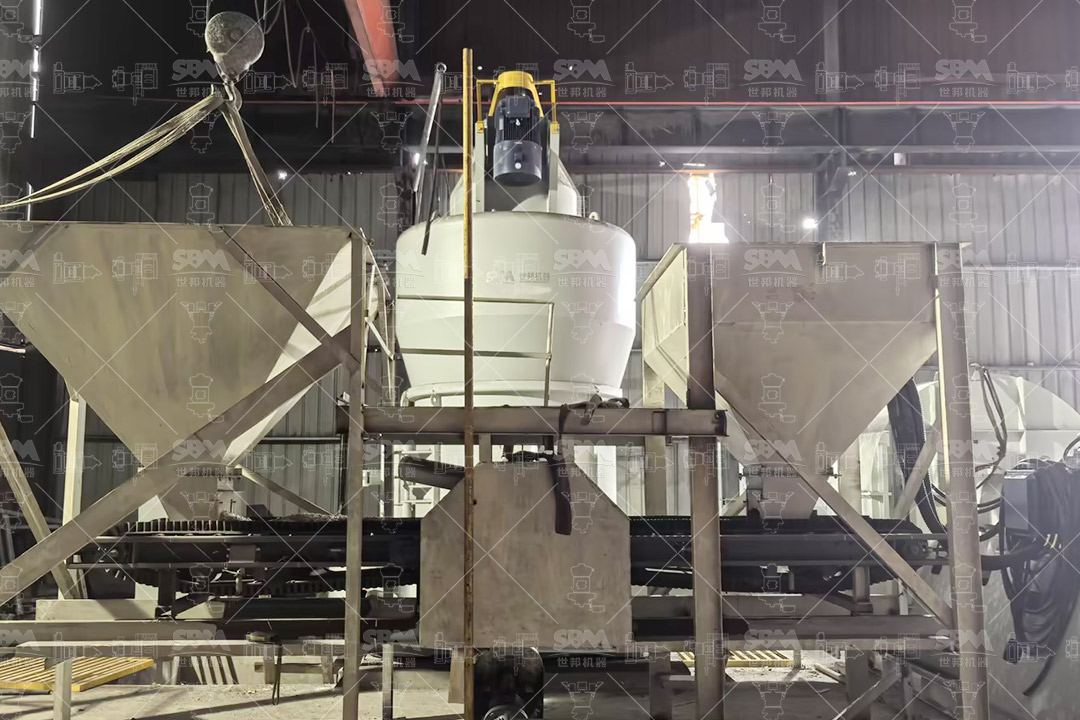
The transition to a 21-roller mill system, such as the advanced LM Series Vertical Roller Mill, is far more than a simple equipment upgrade; it is a strategic investment in long-term economic resilience and competitive advantage. The synergy of drastically lower energy use, massive and scalable throughput, superior product quality, reduced maintenance burdens, and a compact, environmentally compliant footprint creates a compelling total cost of ownership (TCO) profile.
For high-volume producers aiming to thrive in a market that demands both scale and sustainability, this technology provides the foundational capability to do more with less—less energy, less space, less waste, and less operational complexity. By partnering with a provider offering proven, large-scale solutions like the LM Series, companies can secure not only immediate operational gains but also a future-proof platform for growth and innovation in their respective industries.