The grinding process is a fundamental operation across numerous industries, from mining and construction to pharmaceuticals and food processing. However, the efficiency, output quality, and operational stability of any grinding system are profoundly influenced by the physical characteristics of the feed material. Among these, moisture content stands as a critical variable, presenting a distinct and often opposing set of challenges. Successfully navigating the complexities of grinding high-moisture versus low-moisture materials requires not only a deep understanding of the underlying physics but also the selection of equipment specifically engineered to handle these extremes. This article delves into the specific challenges associated with each material type and explores technological solutions that can optimize performance across the moisture spectrum.
Materials with elevated moisture content, typically above 5-10% depending on composition, introduce a host of operational difficulties primarily related to material handling, flow, and system clogging.
The most immediate challenge is the tendency of wet particles to adhere to each other and to equipment surfaces. This cohesion leads to the formation of agglomerates or paste-like masses within the grinding chamber, feed chutes, and classifiers. These masses can clog the system, disrupt the uniform flow of material, and create dead zones that reduce effective grinding volume. The result is often erratic feed rates, pressure build-ups, and unplanned downtime for manual cleaning.
High moisture acts as a cushioning agent within the grinding zone. It reduces the effective contact and pressure between grinding media (rollers, balls) and particles, dampening the impact and shear forces necessary for efficient size reduction. This leads to a significant drop in specific throughput (tons per hour per kilowatt) and can force operators to reduce feed rates to compensate, lowering overall productivity.
In air-swept grinding systems, moisture-laden fine particles are heavier and more difficult for the air stream to lift and carry to the classifier. Furthermore, these particles tend to stick to the walls of ducts, cyclones, and bag filters. This can blind filter bags in pulse-jet dust collectors, drastically reducing collection efficiency and increasing system pressure drop. The collected product itself may be damp, leading to storage and handling problems downstream.
Prolonged exposure to moisture, especially when combined with certain chemical compositions in the feed material, can accelerate corrosion of internal mill components. Additionally, wet, sticky materials can cause abrasive wear in different patterns compared to dry materials, potentially shortening the lifespan of liners, blades, and other wear parts.
While dry materials avoid the stickiness problem, they present a different constellation of challenges centered around dust generation, heat, and explosive potential.
The primary issue with dry, fine grinding is the creation of vast quantities of airborne dust. This poses serious health and safety risks for personnel, can lead to product loss, and places immense strain on dust collection systems. Without robust, high-efficiency containment and filtration, the work environment becomes hazardous, and equipment can be contaminated.
The grinding process inherently converts mechanical energy into heat. With dry materials, there is no moisture to act as a heat sink through evaporation. Consequently, temperatures within the mill chamber can rise dramatically. This excessive heat can degrade heat-sensitive materials (e.g., certain polymers, resins, food products), cause thermal expansion of machine parts leading to misalignment, and even ignite the material in extreme cases.
Many dry, finely divided organic materials (e.g., flour, starch, coal, certain metals) are combustible. When dispersed in air within a confined space like a grinding chamber or dust collector, they can form explosive mixtures. The heat generated by grinding, combined with a potential spark from metal-to-metal contact or static electricity, can trigger a devastating dust explosion. This necessitates the integration of explosion venting, inerting systems, or spark detection and suppression technology.
Very dry particles can develop strong electrostatic charges during grinding and conveying. These charged particles may repel each other, causing fluidization issues, or they may cling stubbornly to metal surfaces, again leading to buildup and potential blockages in a different manner than wet materials.
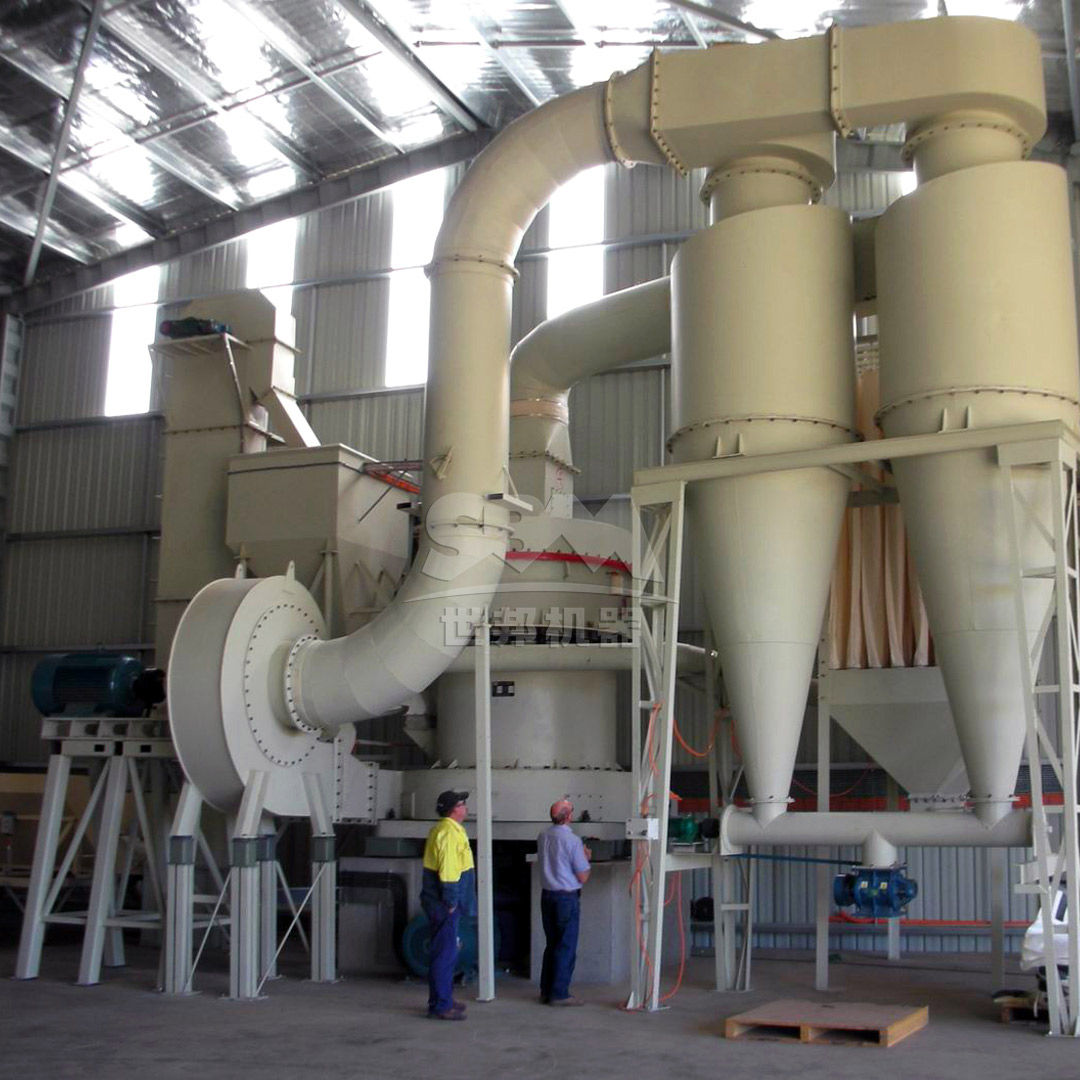
Overcoming these challenges requires a holistic approach combining process design and advanced equipment engineering. The key is to select a mill whose design actively mitigates the specific drawbacks of the target material’s moisture range.
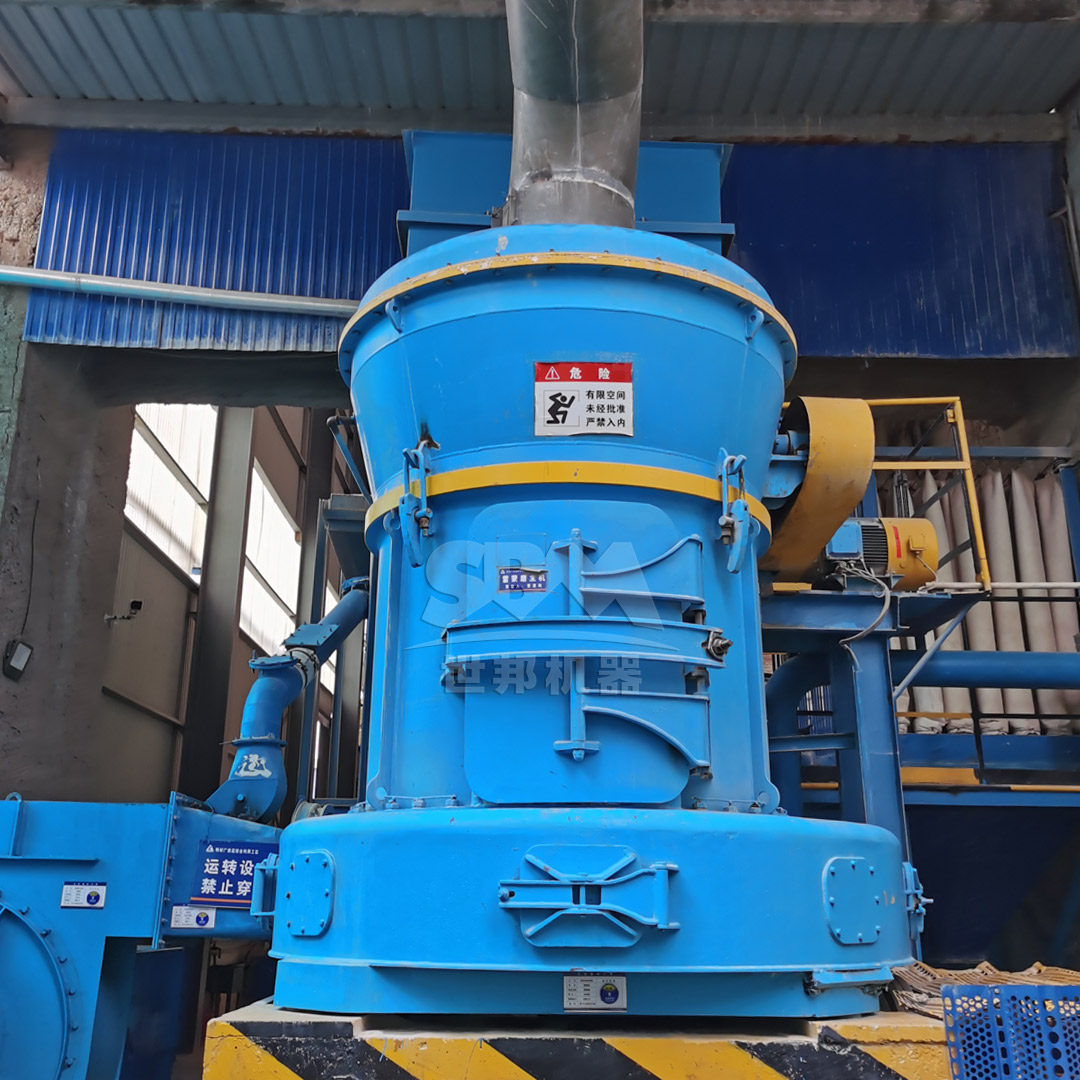
Grinding systems for wet materials often integrate a drying function. The most effective solution is a vertical roller mill (VRM) equipped with a hot gas generator. Here, the grinding and drying processes occur simultaneously. The material is ground on the rotating table while a stream of hot gases (introduced at the bottom) flows upward through the bed of material. This fluidizes the bed, carries away moisture via evaporation, and transports the dried fines to the integrated classifier.
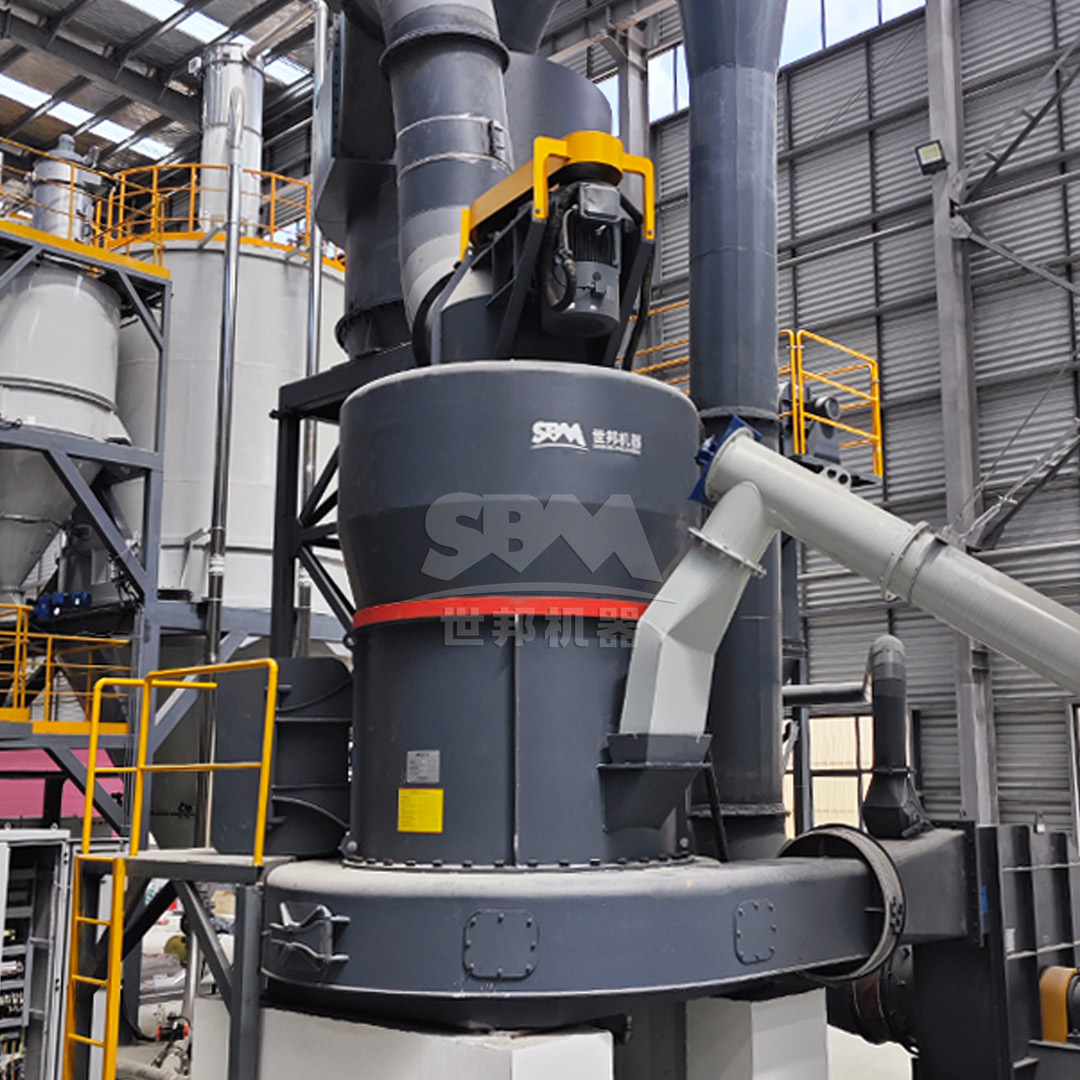
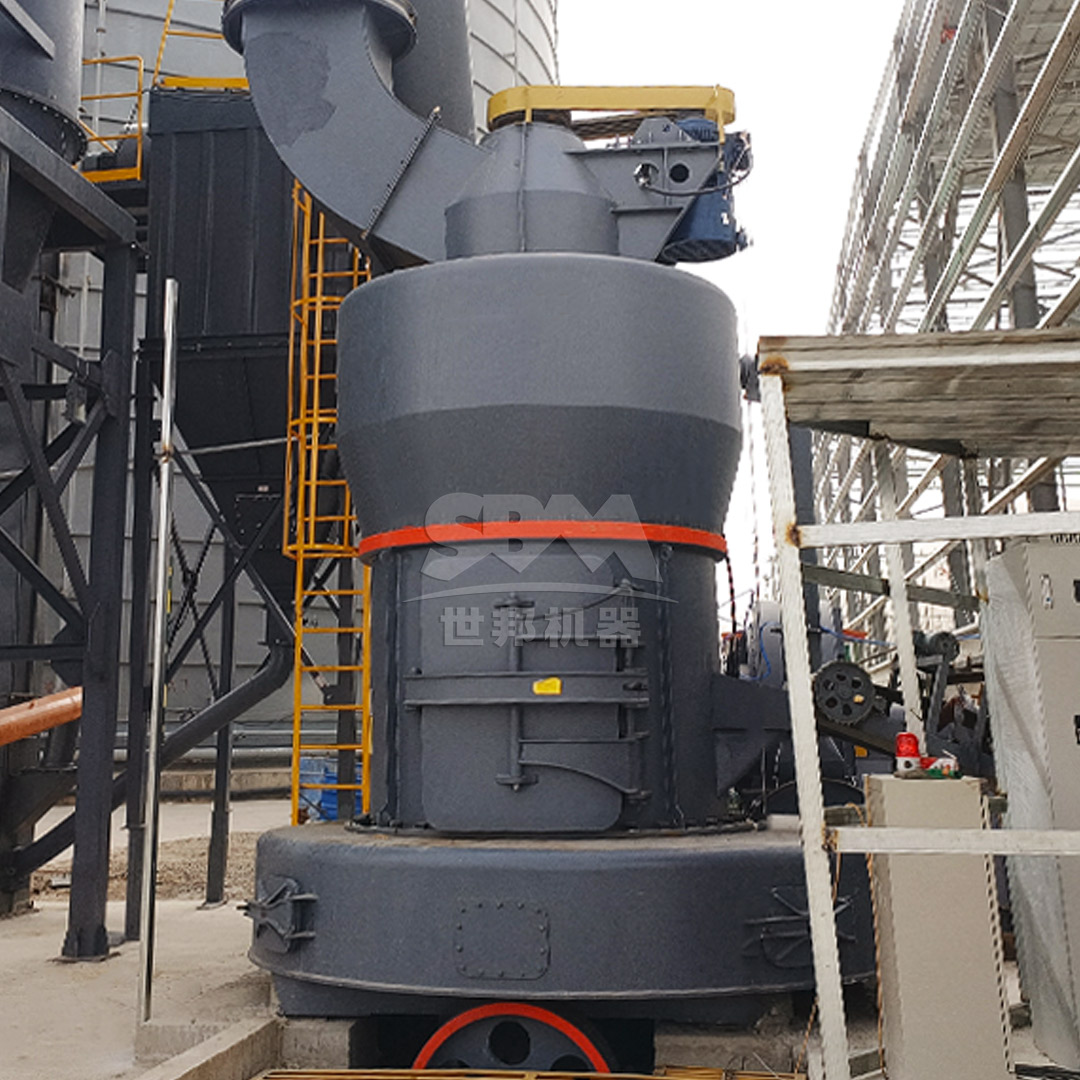
Our LM Series Vertical Roller Mill is exceptionally well-suited for this dual-purpose role. Its集约化设计 (Intensive Design) integrates crushing, grinding, drying, and classification in a single unit. The low running cost is achieved through efficient料床粉碎 (material-bed comminution) and耐磨件 (wear parts) with extended life. For operations dealing with slag or similar moist industrial by-products, the Vertical Slag Mill series (e.g., LM130N to LM370N) is specifically engineered to handle feed humidity up to 15%, efficiently drying it to a product moisture of ≤1% while achieving a high Blaine surface area. The智能控制 (Intelligent Control) system allows for precise regulation of the grinding pressure, gas flow, and temperature, ensuring stable operation even with fluctuating feed moisture.
| Key Feature | Benefit for High-Moisture Grinding |
|---|---|
| Integrated Hot Gas System | Simultaneous grinding and drying, eliminating need for a separate dryer. |
| Material-Bed Comminution | Efficient crushing with lower sensitivity to material cushioning compared to impact mills. |
| Robust, Sealed Construction | Prevents leakage and handles the abrasive nature of wet slurries. |
| High-Efficiency Classifier | Effective separation of dried fines in the hot gas stream. |
When processing dry materials, the focus shifts to heat management, dust containment, and explosion safety. Mills designed for this environment feature excellent sealing, efficient cooling mechanisms, and compatibility with advanced safety systems.
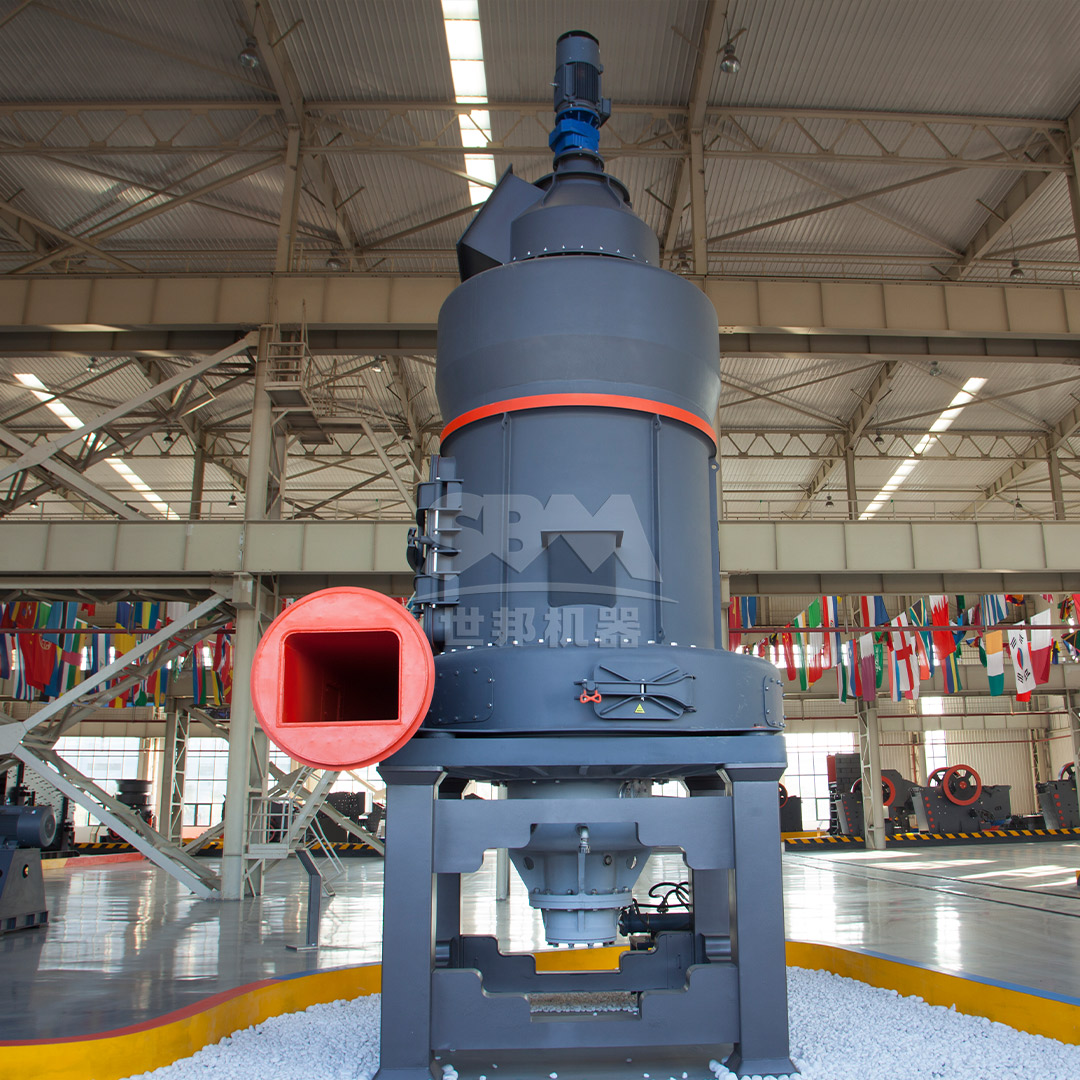
For ultra-fine grinding of dry, low-moisture materials where heat sensitivity and precise particle size control are paramount, our SCM Series Ultrafine Mill presents an ideal solution. Its 高效节能 (High Efficiency & Energy Saving) design consumes 30% less energy than jet mills while offering double the output. The 高精度分级 (High-Precision Classification) system, featuring a vertical turbine classifier, ensures a sharp particle cut and uniform product without coarse grit contamination—critical for high-value dry powders. The mill operates under负压 (negative pressure), which combined with its脉冲除尘 (pulse dust collection) system exceeding international standards, ensures a completely dust-free workshop environment. Furthermore, its隔音室 (soundproof room) design keeps noise levels below 75dB, contributing to a safer and more comfortable workplace.
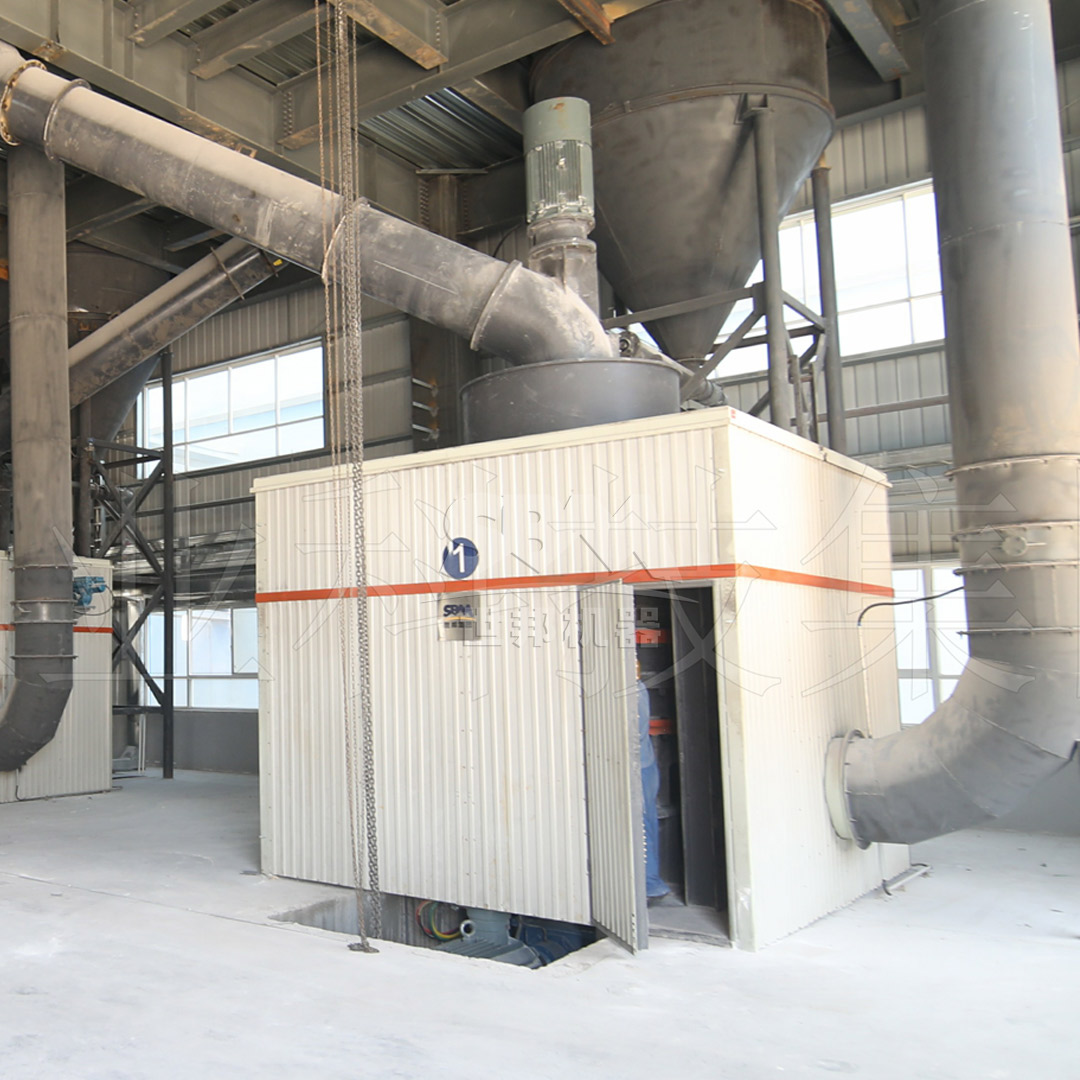
| Key Feature | Benefit for Low-Moisture/Dry Grinding |
|---|---|
| Fully Enclosed, Negative Pressure System | Zero dust leakage, protecting product yield and operator health. |
| High-Efficiency Air Classification | Produces extremely uniform fine powder (D97 ≤5μm) suitable for premium applications. |
| Low Heat Generation Design | Efficient grinding mechanism and optional cooling systems protect heat-sensitive materials. |
| Compatibility with Safety Systems | Design allows for integration of inert gas purging or explosion venting as required. |
The dichotomy between grinding high-moisture and low-moisture materials defines core considerations in process design and equipment selection. High-moisture materials demand systems that can dry, convey, and grind cohesive feeds without clogging, making integrated vertical roller mills like our LM Series the technology of choice. Conversely, low-moisture, often heat-sensitive materials require meticulously sealed, cool-running mills with superior classification and dust containment, a domain where the SCM Ultrafine Mill excels.
The ultimate key to success lies in moving beyond a one-size-fits-all approach. By accurately characterizing material properties—with moisture content being paramount—and partnering them with grinding technology specifically engineered to transform those challenges into controlled processes, operators can achieve optimal efficiency, product quality, safety, and profitability. Investing in the right grinding solution is an investment in the stability and competitiveness of your entire production line.