The grinding process is a critical stage in numerous industries, from mineral processing and cement production to the manufacturing of fine chemicals and advanced materials. The quality of the final powder product—defined by parameters such as particle size distribution (PSD), purity, moisture content, and specific surface area—directly impacts downstream processes, product performance, and overall profitability. Traditionally, quality control in milling operations relied heavily on manual sampling, offline laboratory analysis, and operator experience, leading to inherent delays, variability, and potential for human error. The advent of advanced automation technologies is fundamentally transforming this landscape, enabling real-time monitoring, predictive adjustments, and unprecedented consistency in product quality.
Modern automated quality control systems in grinding mills are built upon several interconnected technological pillars that work in concert to optimize the entire process.
The cornerstone of automated quality control is the ability to measure product fineness continuously and in real-time. Online particle size analyzers, using technologies like laser diffraction or dynamic image analysis, are installed directly in the product stream. These devices provide instantaneous feedback on the PSD, eliminating the lag time (often hours) associated with lab samples. This data is the primary input for the control system.
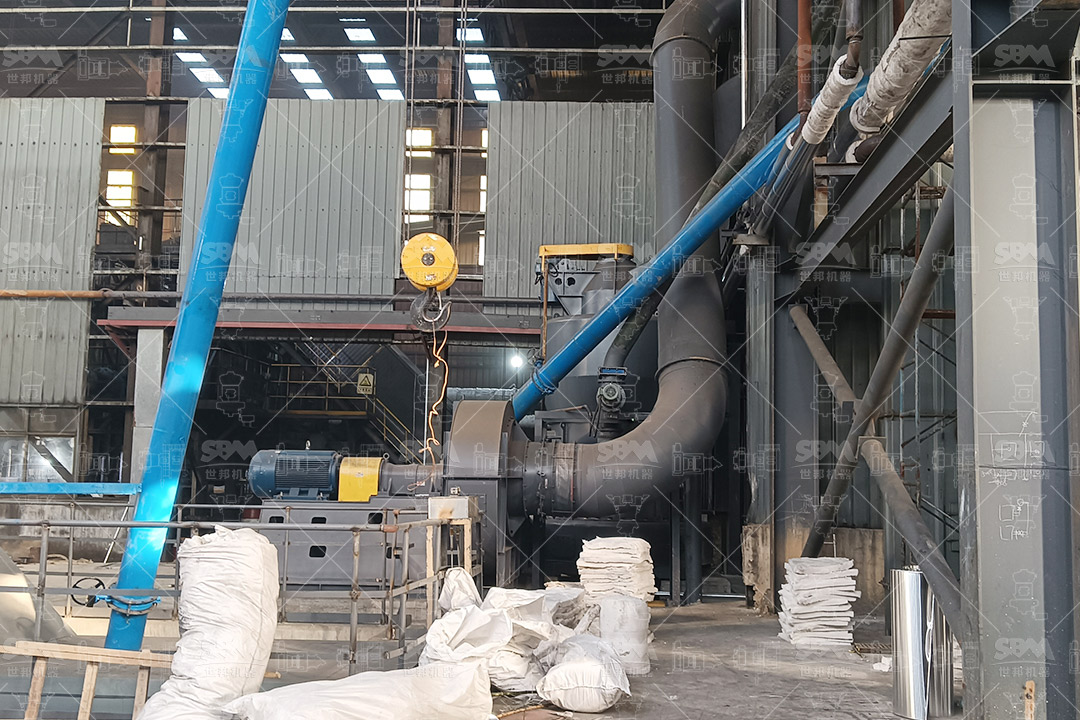
At the heart of automation is a robust control system—Programmable Logic Controller (PLC) or Distributed Control System (DCS). This system acts as the “brain,” receiving data from various sensors (particle size, feed rate, motor load, pressure, temperature) and executing control logic. Advanced systems utilize sophisticated algorithms, including Model Predictive Control (MPC), to not just react to changes but to anticipate them and make pre-emptive adjustments.
Automation requires the ability to physically adjust the process. Key parameters controlled include:
The wealth of data generated by automated systems is leveraged through Industrial Internet of Things (IIoT) platforms. Machine learning algorithms can analyze historical and real-time data to identify complex patterns, predict equipment wear (e.g., liner and roller wear), optimize setpoints for energy efficiency, and even diagnose potential faults before they cause downtime or quality deviations.
The implementation of a comprehensive automation strategy delivers measurable benefits across key operational metrics:
| Quality Parameter | Traditional Manual Control | Automated Control | Impact |
|---|---|---|---|
| Particle Size Consistency | Variable, subject to sampling error and delay. | Extremely consistent, with real-time correction. | Higher product quality, reduced customer rejections. |
| Product Yield | Sub-optimal, often over-grinding to meet spec. | Maximized, grinding precisely to target. | Increased throughput of in-spec material. |
| Energy Consumption | Higher and fluctuating. | Minimized and stable. | Significant reduction in kWh/ton, lowering OPEX. |
| Operator Role | Reactive, manual adjustments, frequent sampling. | Proactive, monitoring, and exception handling. | Higher staff efficiency, focus on optimization. |
| Raw Material Variability | Causes major process upsets. | Automatically compensated for. | Increased process robustness and flexibility. |
The effectiveness of automation is profoundly amplified when the grinding equipment itself is designed with precision, stability, and smart control integration in mind. Modern mill designs incorporate features that are inherently more responsive to automated commands and provide more stable operating conditions.
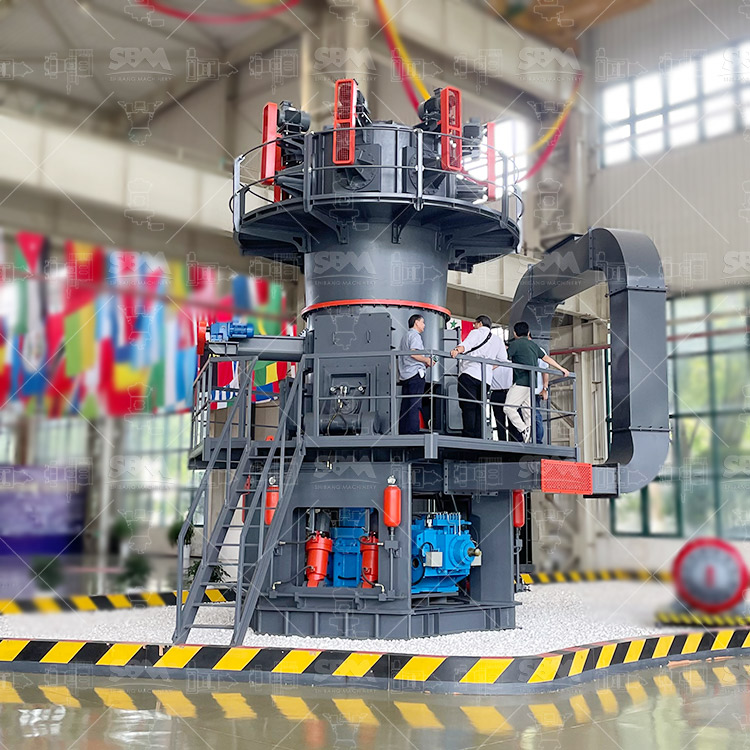
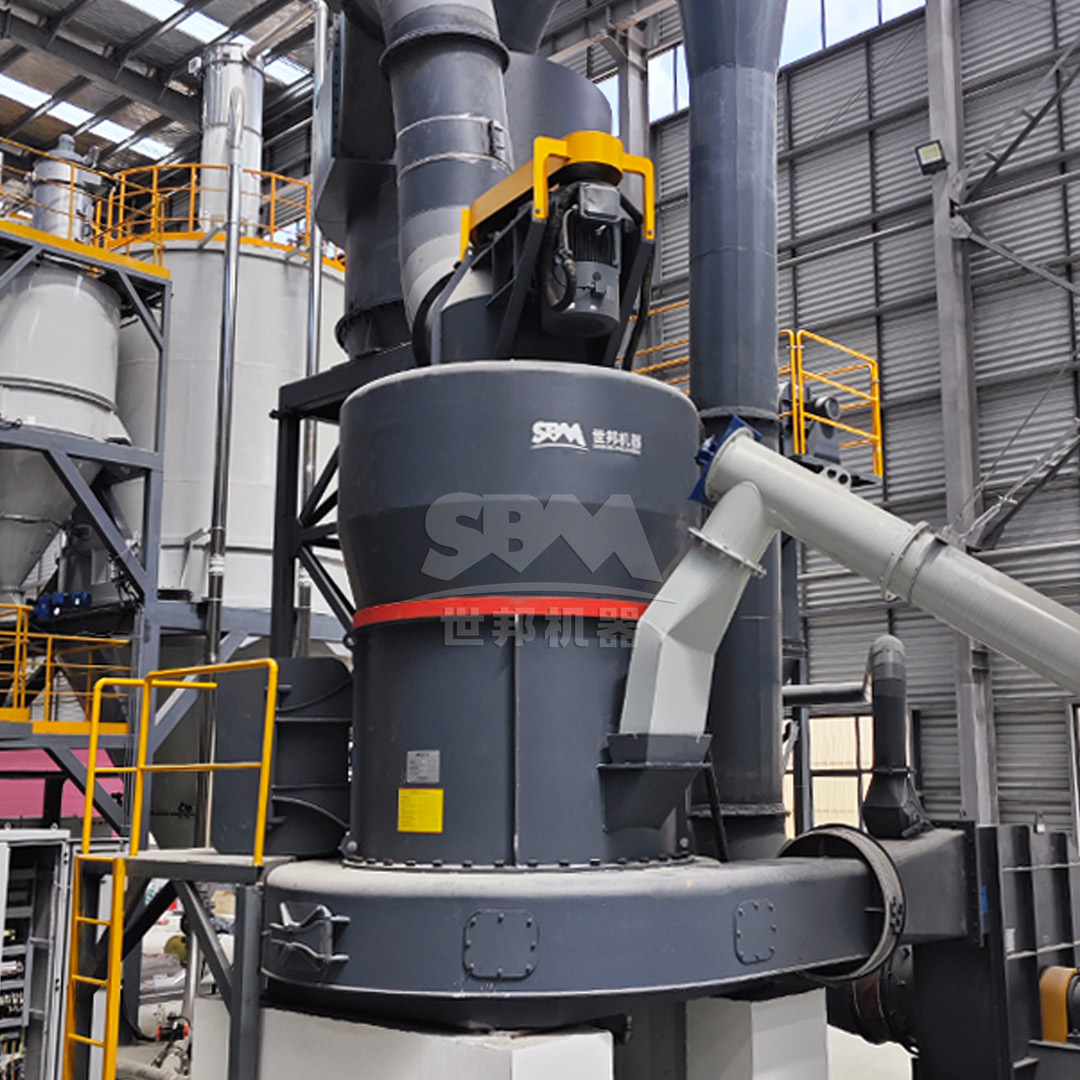
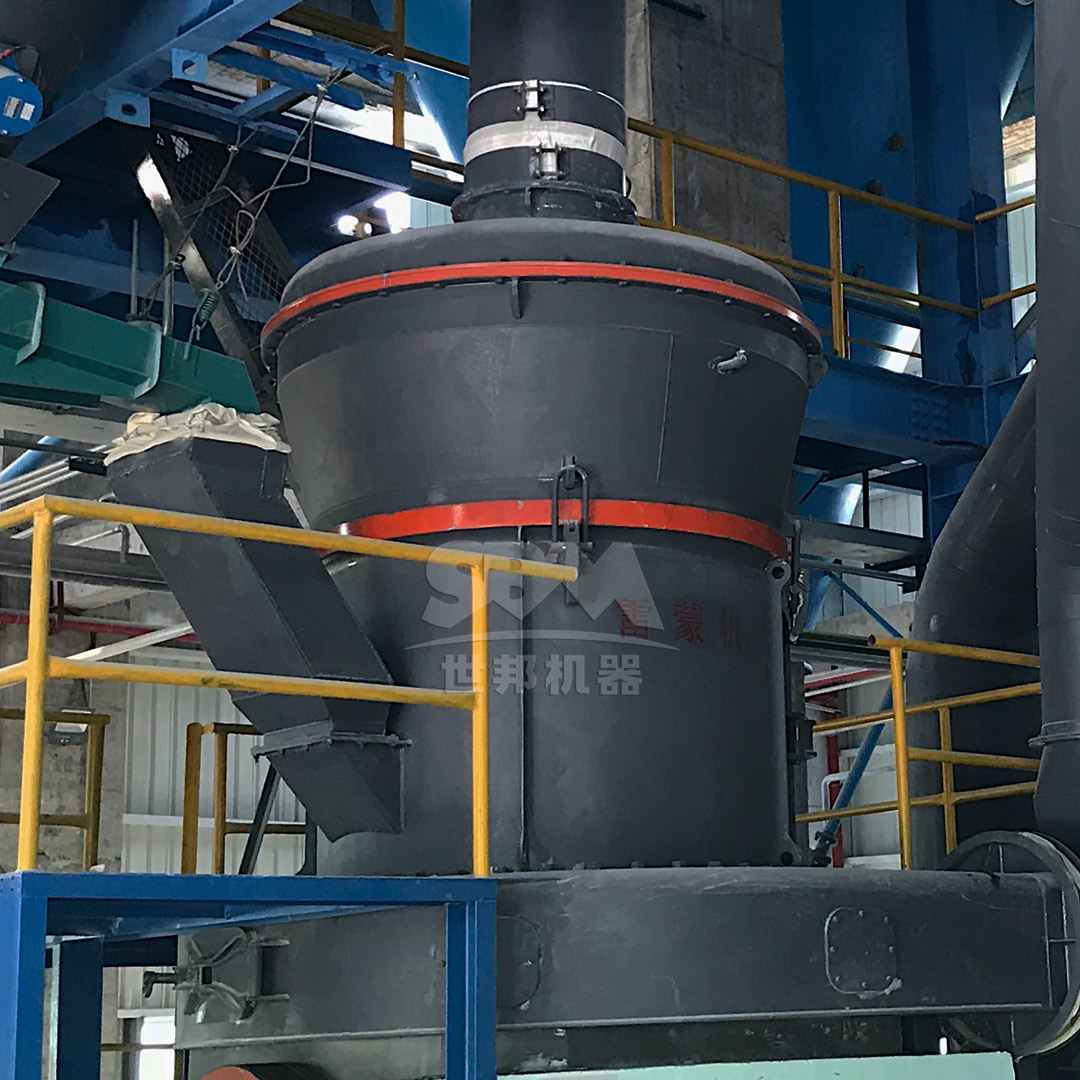
A prime example is our SCM Series Ultrafine Mill. This mill is engineered from the ground up to excel in high-precision, automated production environments for superfine powders (325-2500 mesh). Its design directly supports enhanced quality control:
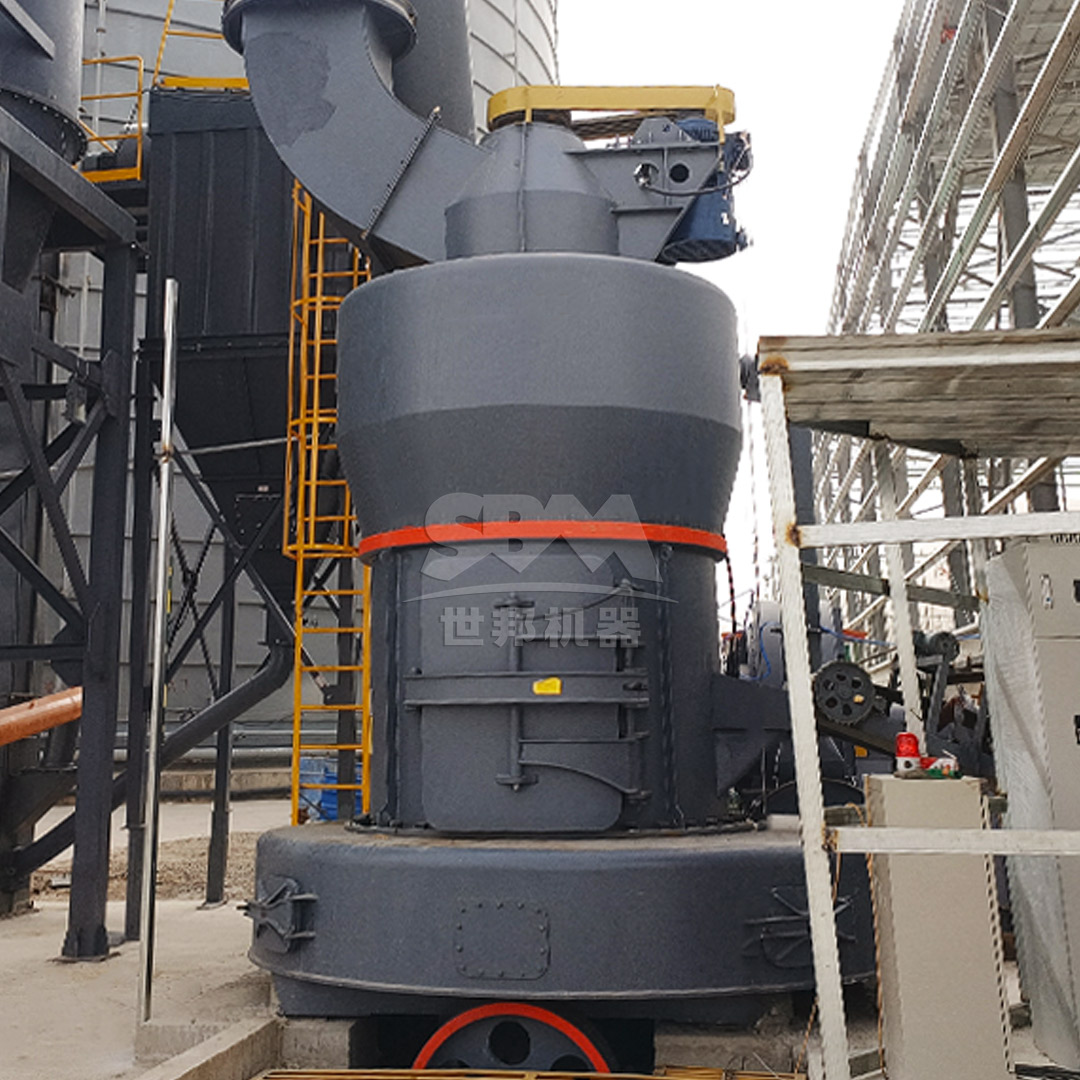
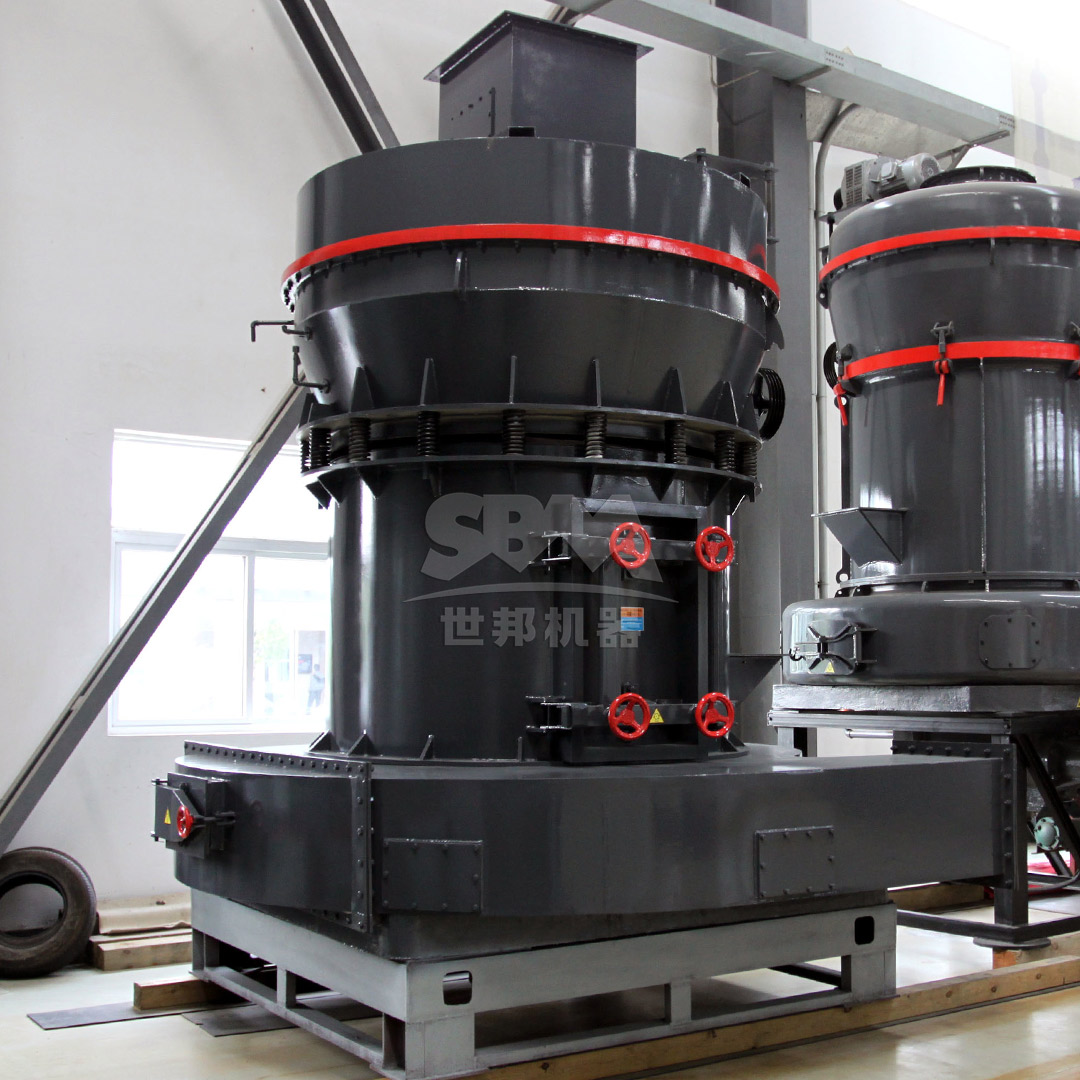
For large-scale production requiring robust and efficient grinding in the range of 30-325 mesh, the MTW Series European Trapezium Mill showcases how automation-ready design benefits coarse to medium-fine grinding. Its features that complement automation include:
Implementing automation for quality control is a strategic journey. It typically starts with core instrumentation (online analyzer, smart sensors) and basic control loops for feed rate and classifier speed. This can then evolve to advanced process control (APC) with MPC and eventually integrate with plant-wide IIoT and AI platforms for predictive maintenance and holistic optimization.
The future points towards even greater autonomy. We are moving towards self-optimizing mills that can adjust their own parameters to achieve the best possible trade-off between quality, throughput, and energy consumption for any given feed material, all while predicting maintenance needs and scheduling downtime with minimal disruption.
In conclusion, automation is no longer a luxury in grinding mill operations; it is a necessity for achieving the level of quality, efficiency, and competitiveness demanded by modern markets. By pairing sophisticated control systems with intelligently designed milling equipment like the SCM Ultrafine Mill and MTW Trapezium Mill, operators can transform their quality control from a reactive, offline checkpoint into a proactive, real-time strategic asset, ensuring every ton of product meets the exacting standards of today’s industries.