December 08, 2025
Common Causes of Equipment Failure in Industrial Grinding Mills and How to Prevent Them
Industrial grinding mills are the workhorses of mineral processing, cement production, power generation, and countless other sectors. Their continuous, high-load operation subjects them to immense stress, making them susceptible to various failure modes. Unplanned downtime due to equipment failure can cripple production schedules, inflate maintenance costs, and compromise product quality. This article delves into the most common causes of equipment failure in industrial grinding mills and outlines practical prevention strategies. Furthermore, we will explore how selecting the right, modern grinding technology can inherently mitigate many of these risks, highlighting solutions from our product portfolio.
1. Wear and Abrasion of Grinding Components
This is the most prevalent and inevitable cause of performance degradation. The direct contact between grinding elements (rollers, balls, liners, rings) and abrasive feed material leads to gradual material loss.
- Causes: Grinding of hard, abrasive ores (e.g., quartz, granite); insufficient hardness of wear parts; high grinding pressure; contaminated feed (e.g., with silica or tramp metal).
- Symptoms: Reduced throughput, increased specific energy consumption (kWh/ton), coarser product fineness, increased metal contamination in product, abnormal noises.
- Prevention & Solutions:
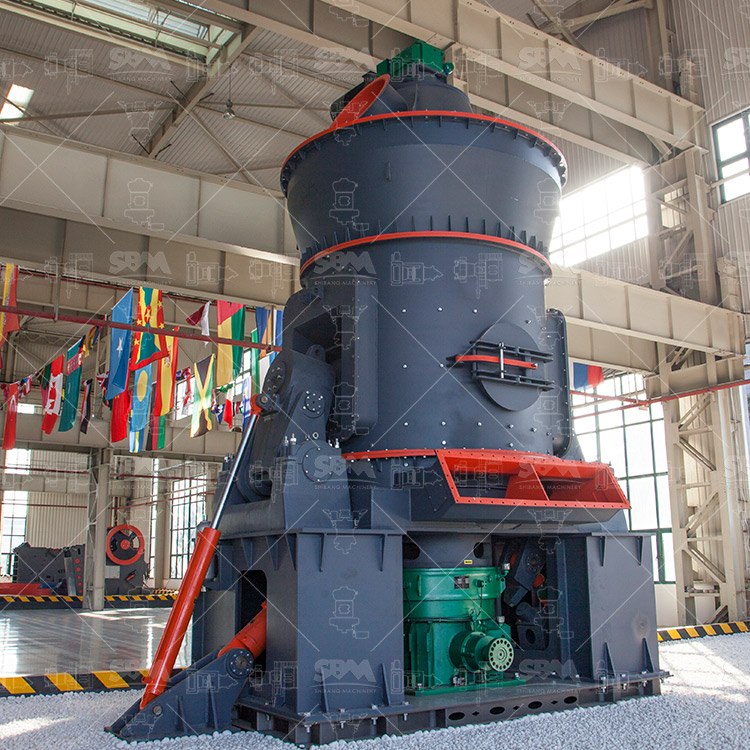
- Material Selection: Use high-chrome alloys, nickel-hard irons, or ceramic composites for critical wear parts. Our MTW Series Trapezium Mill features a curved shovel blade design and wear-resistant materials that significantly extend the service life of grinding rollers and rings.
- Predictive Maintenance: Implement regular thickness measurements of liners and rollers. Use vibration analysis to detect imbalance caused by uneven wear.
- Feed Control: Ensure effective scalping and magnetic separation to remove tramp metal and overly abrasive contaminants before the mill.
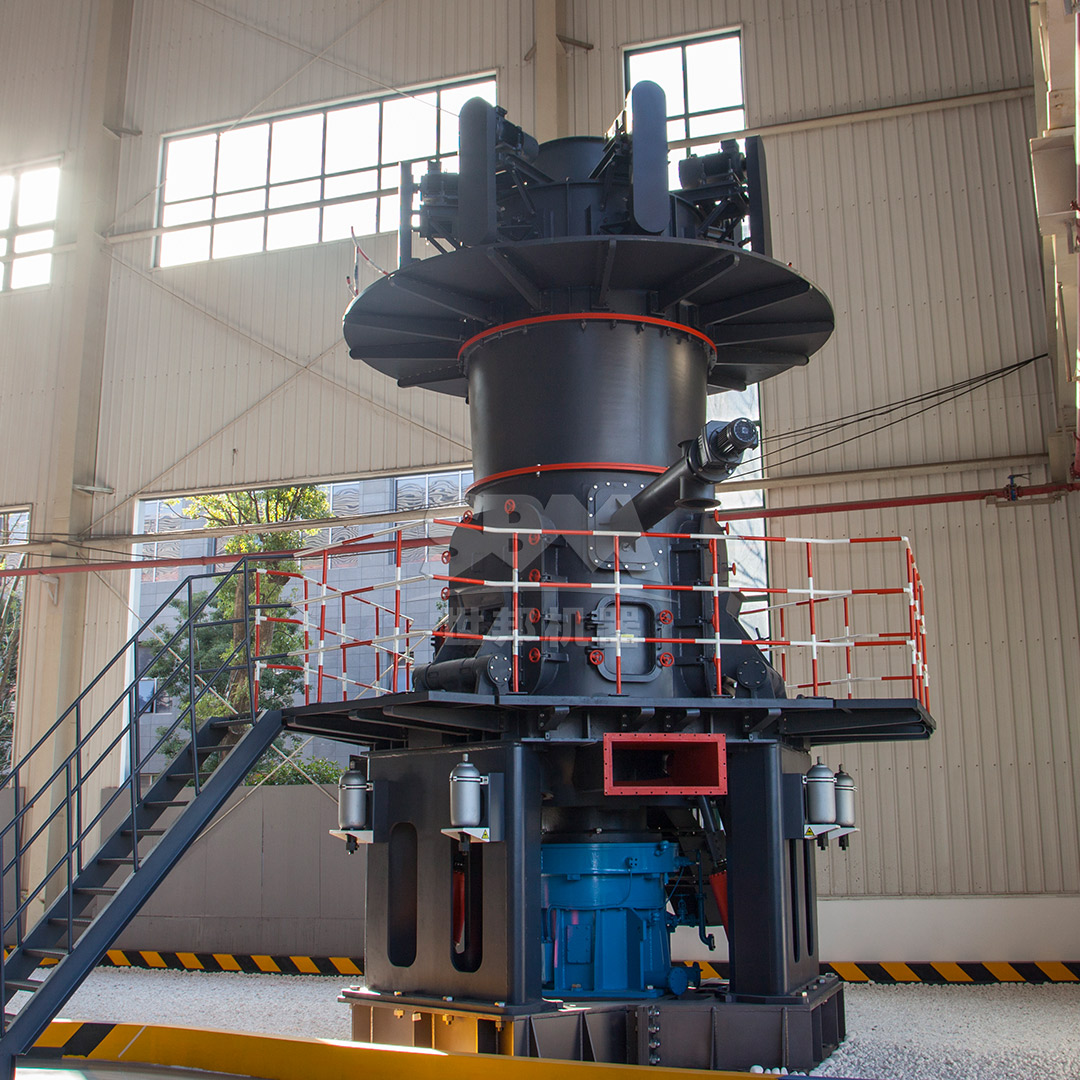
- Technology Upgrade: Consider mills designed for lower wear. For instance, our LM Series Vertical Roller Mill employs a non-contact grinding principle where the roller and table liner do not directly touch, relying on a material bed. This design can increase wear part life by up to 3 times compared to traditional ball mills.
Common Wear Parts and Typical Lifespans
| Mill Type |
Wear Part |
Typical Material |
Average Life (Hours) |
Failure Impact |
| Ball Mill |
Liners, Grinding Balls |
High-Cr Steel, Manganese Steel |
3,000 – 8,000 |
Gradual capacity drop |
| Raymond Mill / MTW Mill |
Grinding Roller, Grinding Ring |
Alloy Steel, Chill Cast Iron |
2,000 – 5,000 |
Fineness instability |
| Vertical Roller Mill (LM Series) |
Roller Tyre, Table Liner |
High-Chrome Alloy, Composite |
8,000 – 15,000+ |
Increased vibration, power spike |
| Ultrafine Mill (SCM/LUM) |
Roller & Ring, Classifier Blades |
Special Alloy, Ceramic |
5,000 – 10,000 |
Product contamination, efficiency loss |
2. Bearing and Lubrication System Failures
Bearings support massive rotating masses under heavy loads. Their failure is catastrophic and often leads to prolonged downtime.
- Causes: Contaminated lubricant (dust, moisture ingress); improper lubrication (wrong grease, over/under greasing); poor sealing; misalignment; excessive vibration; thermal overload.
- Symptoms: Rising bearing temperature, increased noise (humming, grinding), high vibration readings, lubricant discoloration, seal leakage.
- Prevention & Solutions:
- Sealed & Advanced Lubrication: Use mills with labyrinth seals and centralized automatic lubrication systems. Our MRN Pendulum Mill features an innovative internal thin-oil lubrication system, a domestically pioneering design that ensures consistent lubrication to key moving parts, drastically reducing maintenance needs and failure risk.
- Strict Lubrication Schedule: Follow OEM guidelines for oil/grease type, quantity, and change intervals. Use oil analysis to monitor contamination and wear metals.
- Alignment & Vibration Control: Perform laser alignment during installation and after major overhauls. Continuous vibration monitoring can provide early warning of bearing deterioration.
- Temperature Monitoring: Install RTDs (Resistance Temperature Detectors) on main bearings with alarms and auto-shutdown triggers.
3. Gear and Transmission System Issues
Gearboxes, pinions, and girth gears transmit immense torque. Failures here are complex and expensive to repair.
- Causes: Tooth fatigue/pitting due to cyclic loading; misalignment; lubrication failure; foreign object damage; improper backlash setting.
- Symptoms: Gear mesh noise, vibration at gear mesh frequency, oil leaks from gearbox, metal particles in gear oil, visible tooth damage.
- Prevention & Solutions:
- Robust Design: Opt for mills with well-proven, efficient transmission systems. The MTW Series Trapezium Mill utilizes an integral bevel gear transmission with up to 98% efficiency. This compact, direct-drive design eliminates intermediate components like reducers and couplings, reducing potential failure points and installation complexity.
- Precision Alignment: Critical for girth gear and pinion setups. Use specialized techniques and regular checks.
- Oil Filtration & Analysis: Maintain ultra-clean oil with offline filtration systems. Regular oil analysis is non-negotiable for large gearboxes.
- Load Management: Avoid sudden shock loads and ensure the mill is not consistently operated above its design capacity.
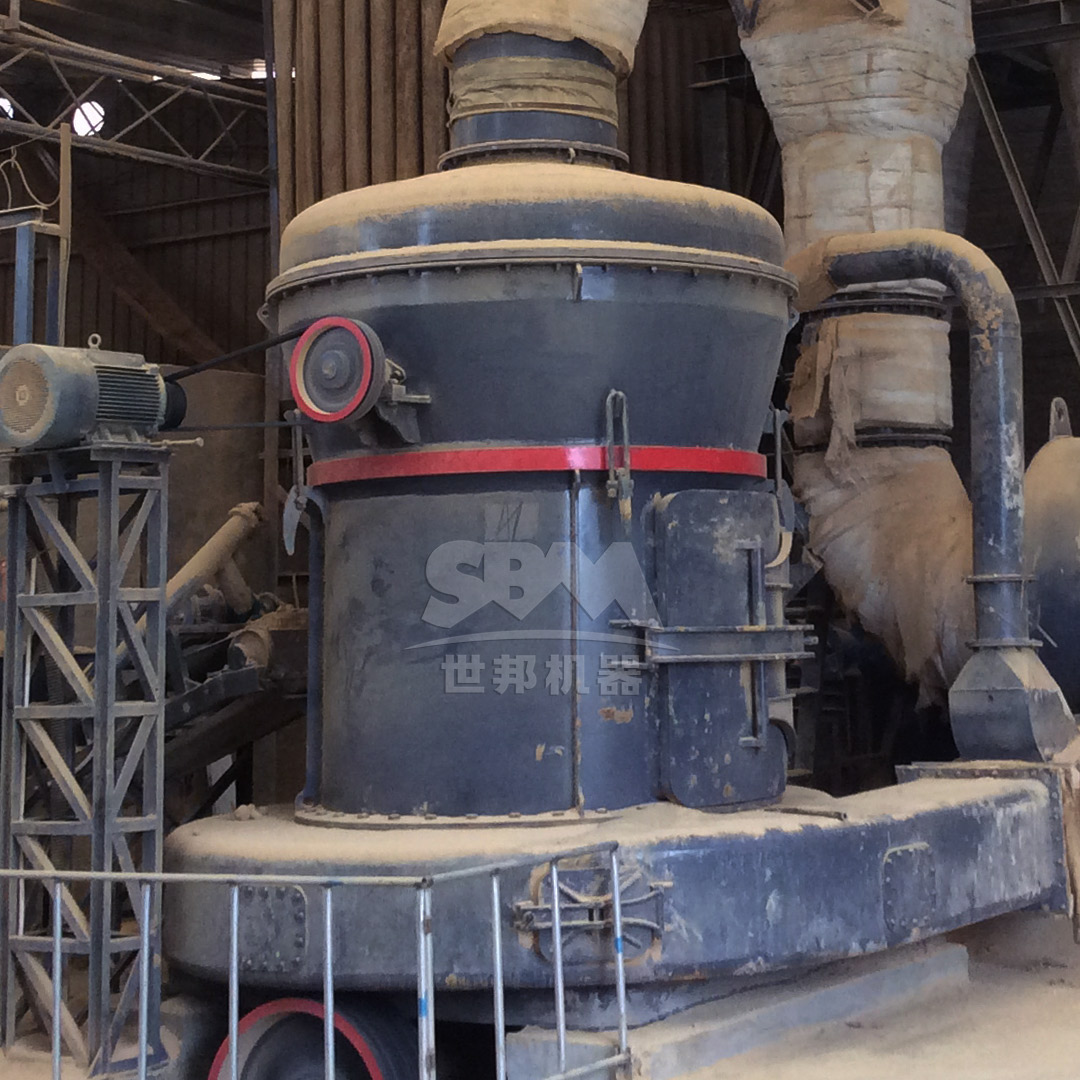
4. Imbalance and Vibration
Excessive vibration accelerates wear on all components and can lead to structural failures.
- Causes: Uneven wear of grinding media or rollers; buildup of material in the mill; loose foundation bolts; misalignment; damaged fan blades; faulty bearings.
- Symptoms: Visible shaking of the mill, high vibration readings on sensors, loud rhythmic noises, cracking in foundation or support structures.
- Prevention & Solutions:
- Dynamic Balancing: Re-balance rotating assemblies (classifier rotors, fan wheels) after maintenance. For ball mills, regularly add grinding balls according to a prescribed charge profile to maintain balance.
- Cleanliness: Prevent material buildup through proper air flow and periodic inspection/cleaning shutdowns.
- Foundation Integrity: Regularly check foundation bolt torque and inspect for cracks.
- Vibration Monitoring System: Install a permanent online vibration monitoring system to track trends and provide early warnings.
5. Classifier and Separator Malfunctions
In air-swept mills, the classifier is crucial for final product size control. Its failure directly impacts product quality.
- Causes: Wear of classifier blades/rotors; bearing failure in the classifier shaft; variable frequency drive (VFD) issues; material buildup on static vanes; incorrect air flow.
- Symptoms: Inability to achieve target fineness, wide particle size distribution (PSD), excessive coarse particles in product, unstable classifier motor current.
- Prevention & Solutions:
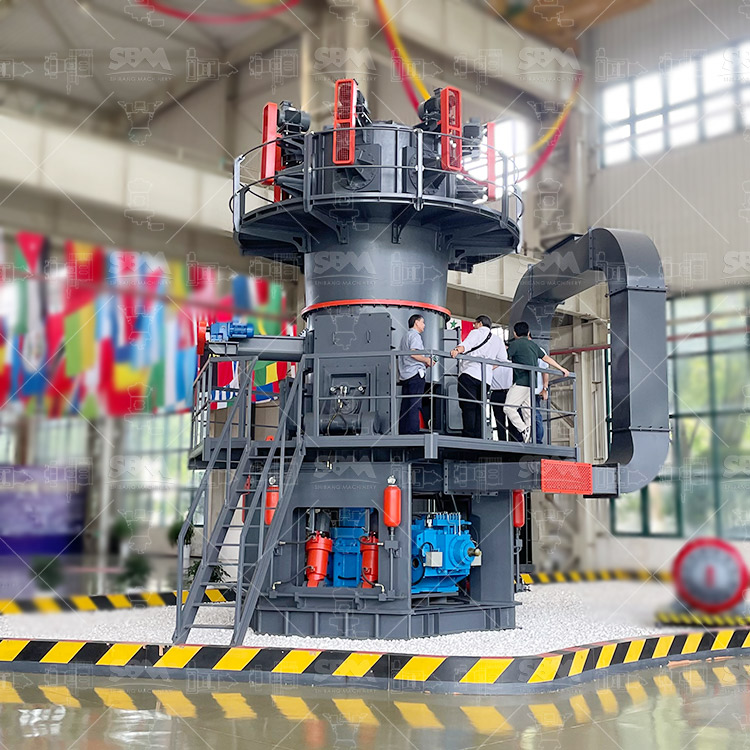
- High-Precision Design: Choose mills with advanced, reliable classifiers. Our SCM Ultrafine Mill is equipped with a vertical turbine classifier that ensures precise particle size切割 (cut). It achieves a sharp top-size cut (D97 ≤5μm) with no coarse powder contamination, guaranteeing uniform product quality. Its intelligent control system provides automatic feedback on product size.
- Wear-Resistant Materials: Use hardened or ceramic-coated classifier blades for abrasive applications.
- Airflow Management: Ensure fan performance and system sealing are maintained to provide stable, designed airflow through the classifier.
- Regular Inspection: Schedule inspections of classifier internals during planned outages.
6. Overheating and Thermal Stress
Excessive heat can degrade lubricants, cause thermal expansion leading to seizures, and damage electrical components.
- Causes: Insufficient cooling; blocked heat exchangers; excessive grinding pressure (high specific energy); high ambient temperature; faulty cooling fans.
- Symptoms: High bearing, gearbox, or motor temperatures; thermal alarms; smell of burnt oil or insulation; reduced lubrication viscosity.
- Prevention & Solutions:
- Adequate Cooling Systems: Ensure water-cooling systems for bearings and gearboxes are clean and functional. Maintain air-cooled heat exchangers.
- Efficient Grinding Technology: Utilize energy-efficient mills that generate less waste heat. The LM Series Vertical Roller Mill consumes 30-40% less energy than traditional ball mill systems, inherently reducing the thermal load on the system.
- Monitoring: Closely monitor all temperature points. Integrate temperature data into the plant DCS/SCADA system.
- Operational Discipline: Avoid pushing the mill beyond its optimal operating window for extended periods.
Failure Cause vs. Prevention Strategy & Technological Solution
| Failure Cause |
Traditional Prevention |
Modern Technological Solution (Example) |
| Severe Wear |
Frequent part replacement, Hardfacing |
LM Vertical Mill: Non-contact bed grinding, 3x longer wear life. |
| Bearing Failure |
Manual greasing, Periodic checks |
MRN Pendulum Mill: Internal thin-oil lubrication system for automatic, reliable protection. |
| Poor Product Fineness |
Manual classifier adjustment, Sieve testing |
SCM Ultrafine Mill: High-precision vertical turbine classifier with intelligent feedback control. |
| High Energy/Heat |
Operational limits, External cooling |
LM/MTW Mills: 30-50% lower energy consumption reduces thermal load at source. |
| Transmission Issues |
Complex alignment, Multiple components |
MTW Trapezium Mill: Integral bevel gear direct drive, 98% efficiency, fewer failure points. |
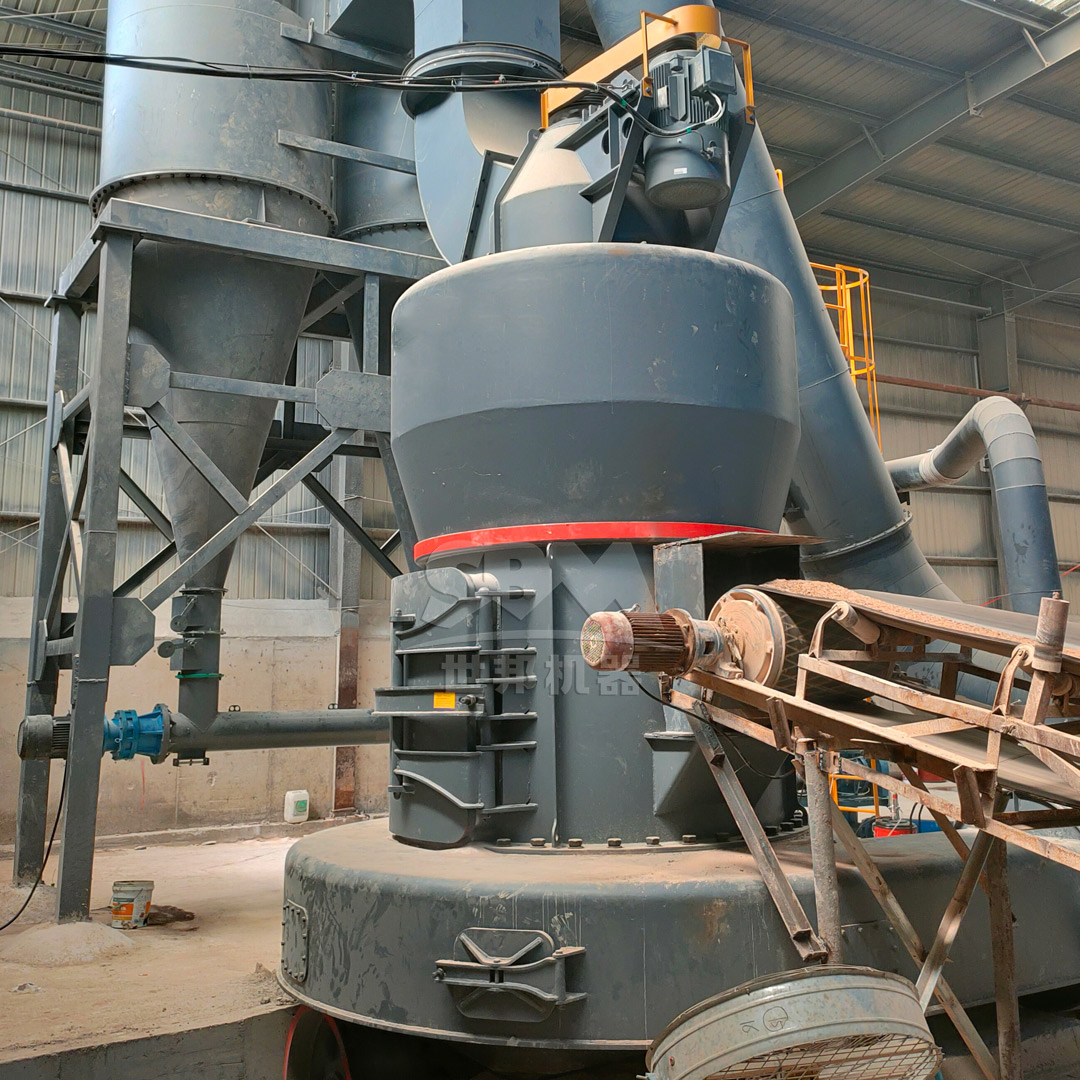
Conclusion: Proactive Strategy and Smart Technology Selection
Preventing failures in industrial grinding mills is not about eliminating wear and tear but managing it predictably and extending the time between interventions. A holistic approach combining rigorous preventive maintenance (lubrication, alignment, vibration monitoring) with strategic investment in modern grinding technology yields the highest return.
Modern mills like our SCM Ultrafine Mill, MTW Series Trapezium Mill, and LM Series Vertical Roller Mill are engineered with failure prevention in mind. They incorporate features such as advanced lubrication systems, efficient direct drives, wear-resistant materials, non-contact grinding principles, and intelligent controls. These features directly address the root causes of common failures—reducing unscheduled downtime, lowering operating costs, and ensuring consistent, high-quality output.
By understanding failure modes and leveraging the inherent reliability of advanced equipment, plant managers can transform their grinding operations from a source of frequent downtime into a pillar of stable, profitable production.