The global industrial sector is undergoing a profound transformation, driven by the urgent need for environmental stewardship and operational sustainability. Within mineral processing, cement production, and fine powder manufacturing, grinding operations are often significant consumers of energy and potential sources of pollution. Implementing eco-friendly grinding practices is no longer a mere option for forward-thinking companies; it is a strategic imperative for regulatory compliance, cost reduction, and long-term viability. This article outlines a comprehensive framework for achieving sustainable grinding operations, focusing on energy efficiency, emission control, and lifecycle management, while showcasing advanced technological solutions that make these goals attainable.
Sustainable grinding extends beyond simply installing a dust collector. It requires a systemic approach that considers the entire comminution process. The key pillars include:
Traditional grinding systems, like ball mills, are notoriously energy-intensive, with a significant portion of energy lost as heat and noise. Modern grinding technology focuses on the principle of interparticle breakage or bed comminution, which is fundamentally more efficient.
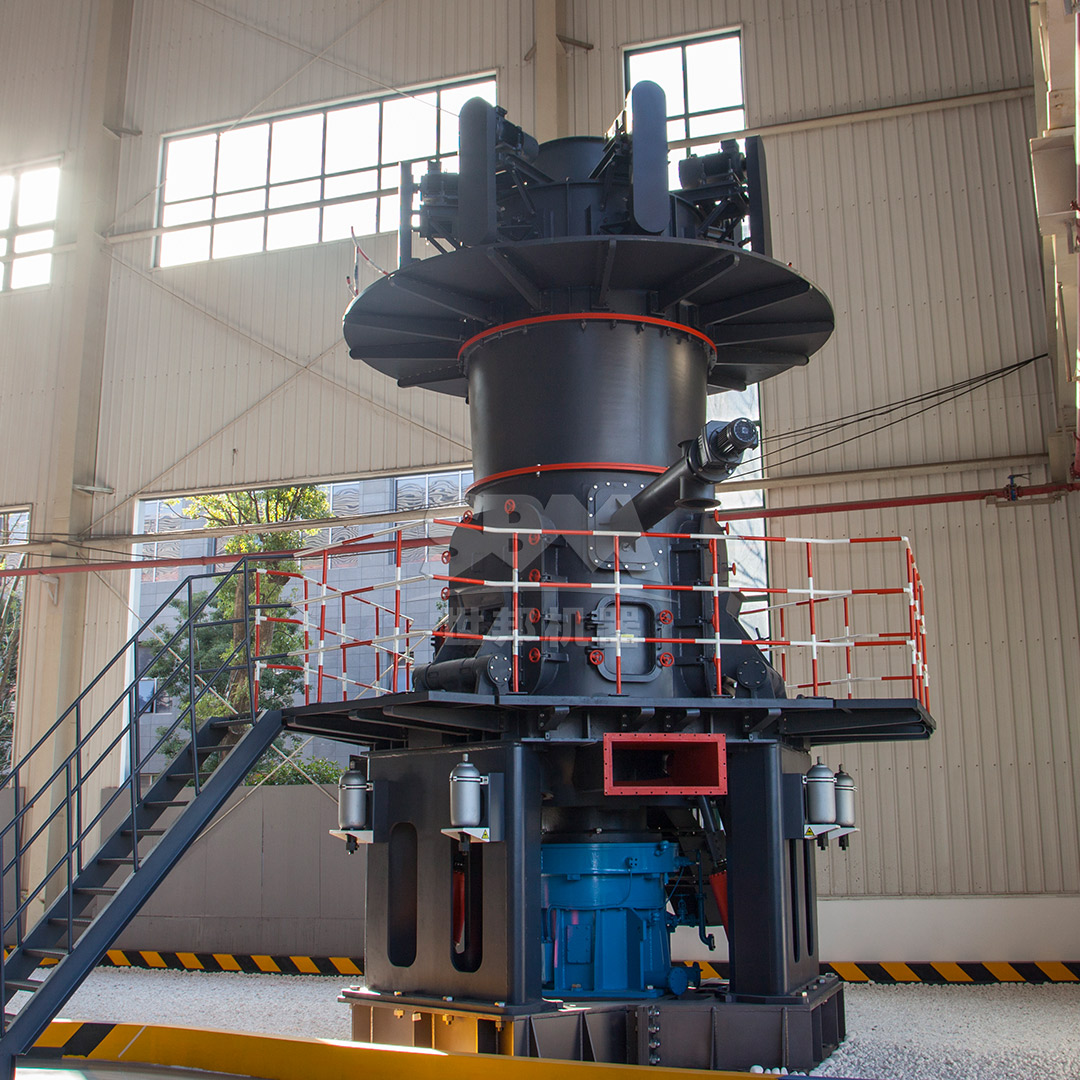
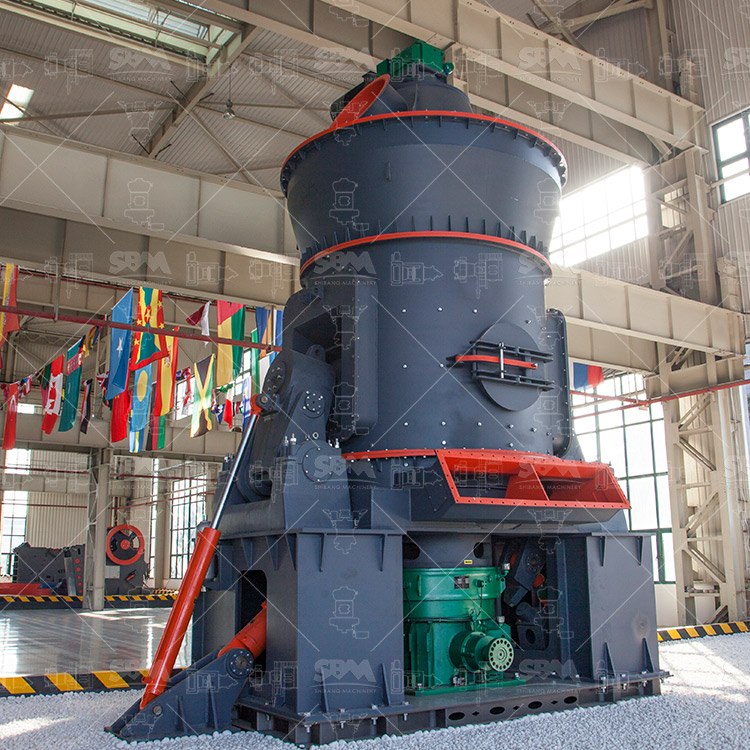
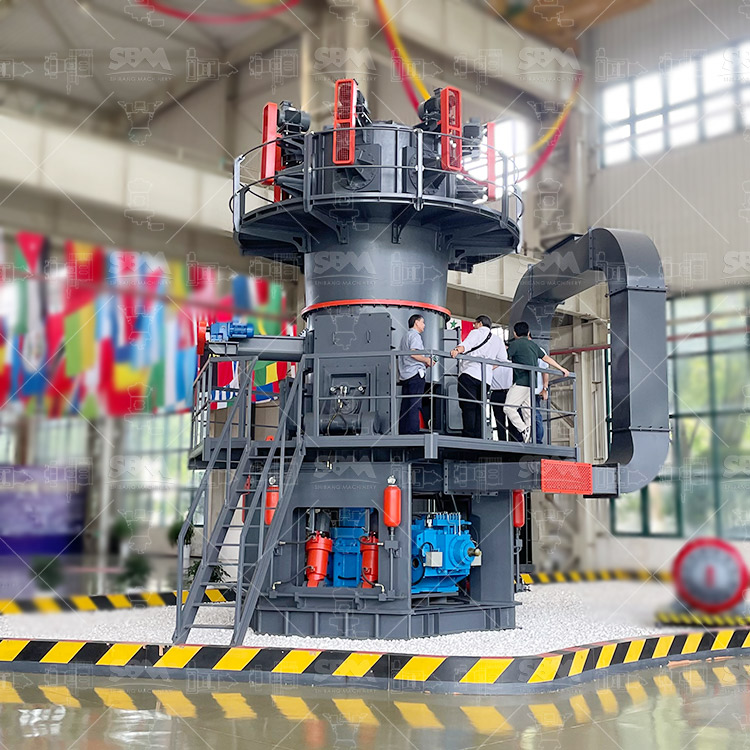
Vertical Roller Mill (VRM) Technology: This represents a paradigm shift in grinding efficiency. Unlike ball mills where grinding media tumble randomly, VRMs apply concentrated pressure to a material bed between rollers and a rotating table. This method drastically reduces energy waste. For instance, our LM Series Vertical Roller Mill exemplifies this advancement. Its集约化设计 integrates crushing, grinding, drying, and classifying into a single unit, reducing plant footprint by 50%. More critically, its low运行成本 is achieved through a磨辊与磨盘非接触设计 that triples the lifespan of wear parts and reduces energy consumption by 30-40% compared to traditional ball mill systems. The智能控制 system allows for expert-level automation, fine-tuning operations for peak efficiency with minimal manual intervention.
| Technology | Energy Saving vs. Ball Mill | Key Efficiency Feature |
|---|---|---|
| Vertical Roller Mill (LM Series) | 30-40% | Bed comminution, integrated drying/classifying |
| Ultrafine Mill (SCM Series) | ~30% vs. Jet Mill | Multi-layer grinding, intelligent feedback control |
| Trapezium Mill (MTW Series) | Significant | Curved air duct,锥齿轮整体传动 (98% efficiency) |
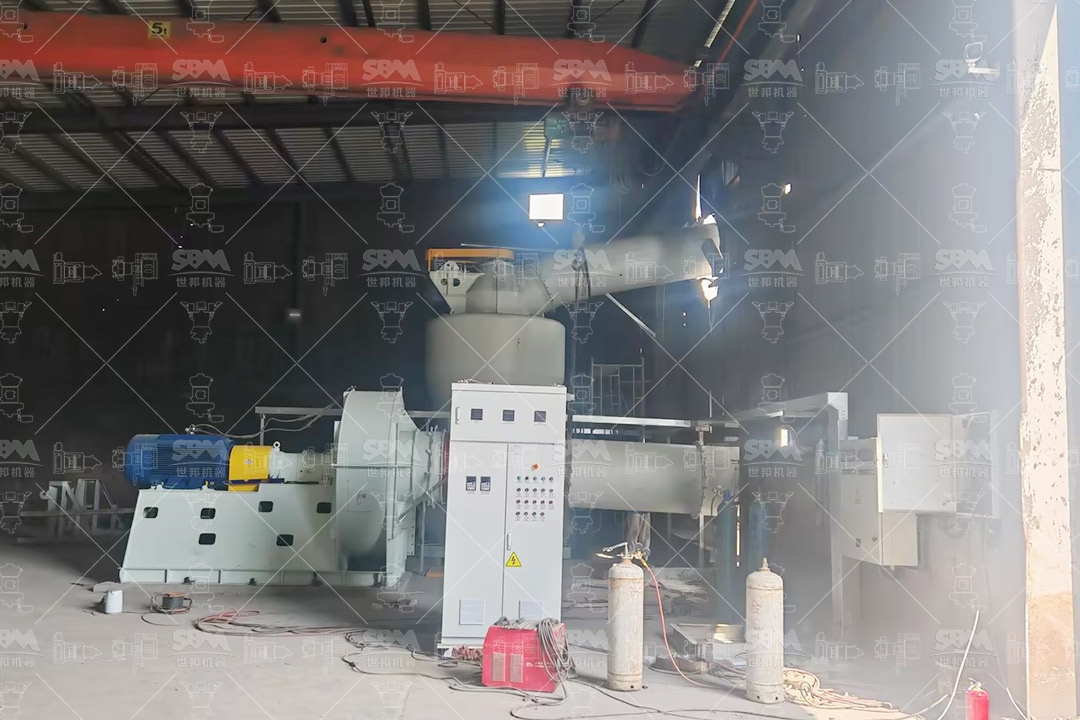
An eco-friendly operation must guarantee clean air and a safe acoustic environment. Modern mills are designed as负压系统, meaning the internal air pressure is kept lower than the atmosphere, preventing dust from escaping at any point of leakage.
Integrated Pulse-Jet Dust Collection: Advanced mills come equipped with or are designed for seamless integration with high-efficiency pulse-jet baghouse filters. Our SCM Ultrafine Mill, for example, features a脉冲除尘效率超国际标准 system that captures over 99.9% of particulate matter, ensuring emissions are well below the strictest global thresholds of 20mg/m³.
Comprehensive Noise Management: Noise reduction is addressed at multiple levels:
1. Source Control: Using precision-machined gears (like the锥齿轮整体传动 in the MTW Series Trapezium Mill) and optimized mechanical designs to minimize vibration and impact noise.
2. Enclosure: Key noise-generating components are housed within隔音室设计. The SCM mill operates at噪音≤75dB, creating a much quieter workplace.
3. Damping Materials: Strategic use of damping pads and acoustic insulation on mill housings and ducting.
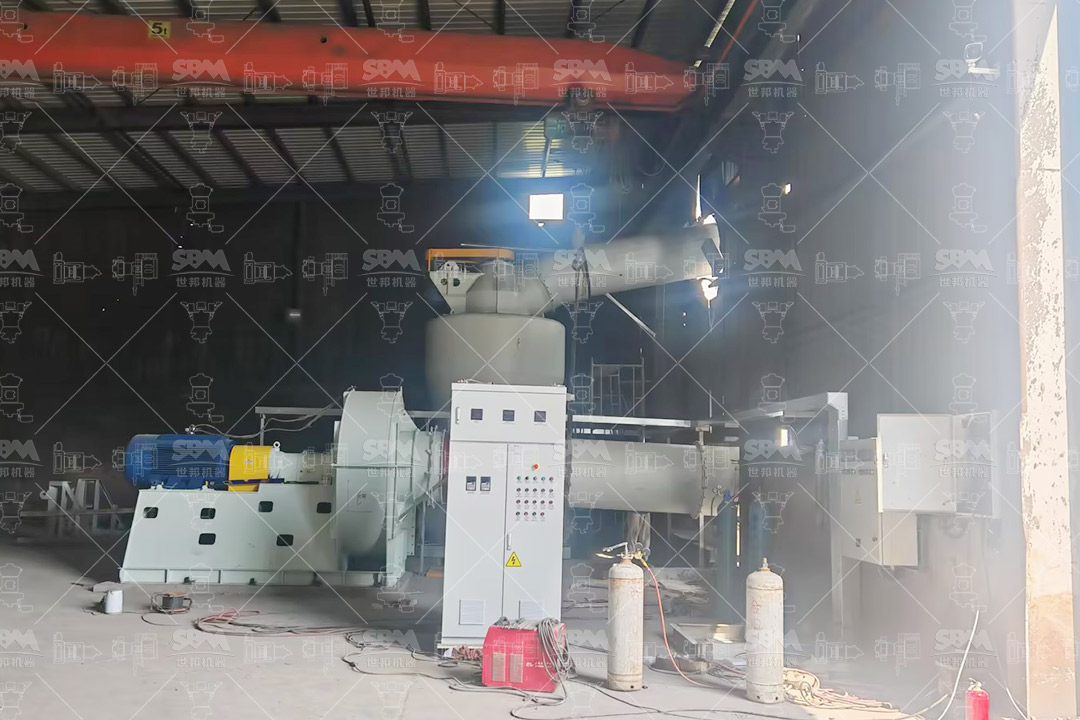
Sustainability is also about producing the right product the first time, eliminating the need for re-grinding and wasted energy. Precision internal classification is crucial. Our SCM Ultrafine Mill is equipped with a垂直涡轮分级器 (vertical turbo classifier) that performs精准粒度切割. This ensures no coarse particles are mixed into the final product, achieving a uniform fineness between 325-2500 mesh (D97≤5μm). This level of control prevents over-grinding, which is a major source of energy inefficiency.
Furthermore,智能控制 systems are the brain of a sustainable operation. They provide real-time monitoring of power draw, pressure, temperature, and product fineness. The system can automatically adjust feed rates, classifier speed, and grinding pressure to maintain optimal conditions, adapting to variations in feed material. This not only saves energy but also maximizes throughput and product consistency.
The environmental impact of manufacturing and replacing wear parts is substantial. Eco-friendly design prioritizes durability and ease of maintenance. Key strategies include:
Transitioning to sustainable grinding requires investing in the right technology. For operations requiring medium to coarse grinding (30-325 mesh) of materials like limestone, calcite, or barite, the MTW Series Trapezium Mill offers an excellent balance of efficiency, reliability, and eco-performance. Its弧形风道优化 reduces air flow resistance, its锥齿轮整体传动 is highly efficient, and its耐磨蜗壳结构 lowers long-term maintenance costs by 30%. It is a robust workhorse designed for sustainable, high-tonnage production.
For applications demanding ultra-fine powders (325-2500 mesh) in industries like cosmetics, pharmaceuticals, or advanced materials, the SCM Ultrafine Mill is the definitive solution. It directly addresses the high energy cost of ultrafine grinding by offering产能为气流磨2倍,能耗降低30%. Its combination of高效节能 design,高精度分级, and built-in环保低噪 features makes it the most sustainable choice for high-value fine powder production.
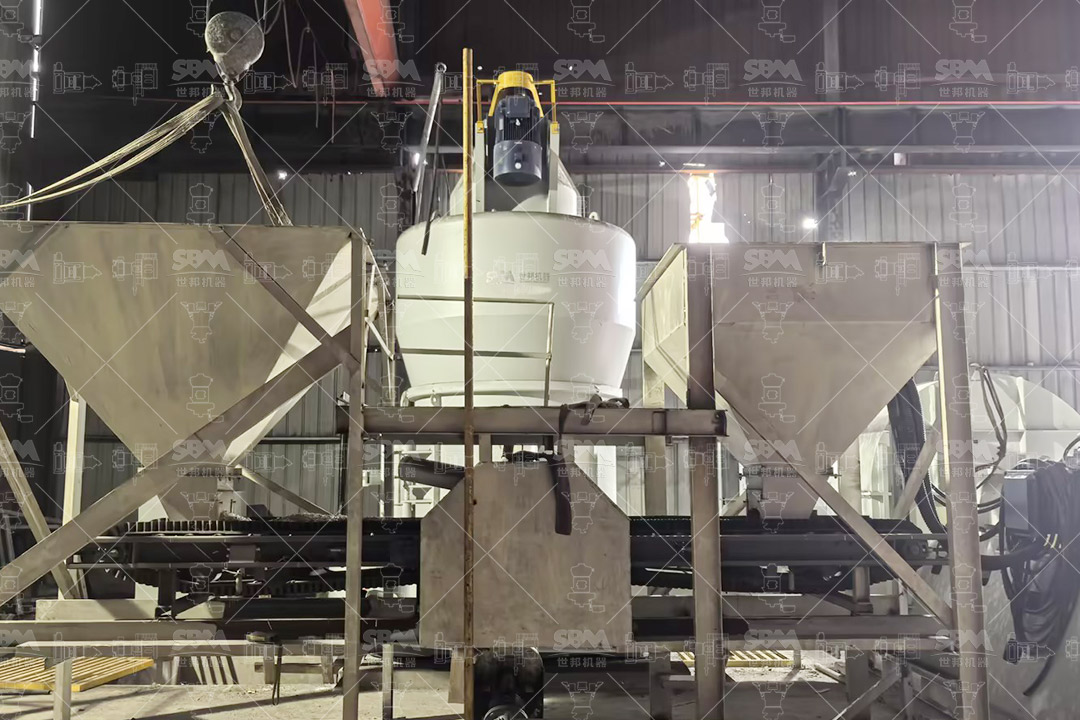
Adopting eco-friendly grinding practices is a multifaceted journey that yields tangible benefits: slashed energy bills, compliance with evolving regulations, improved workplace safety, and a stronger corporate sustainability profile. The foundation of this journey is technological innovation. By moving from outdated, energy-hungry equipment to intelligent, integrated systems like the LM Vertical Roller Mill for large-scale processing or the SCM Ultrafine Mill for specialized fine grinding, industries can significantly reduce their environmental impact while enhancing profitability and operational resilience. Sustainable grinding is not a constraint; it is an opportunity to build a more efficient, responsible, and competitive operation for the future.