Grinding mills and pulverizers are the workhorses of numerous industries, from mining and cement production to pharmaceuticals and food processing. Their continuous operation is critical for production throughput and product quality. However, these machines are subjected to extreme mechanical stress, abrasion, and vibration, making them prone to wear and failure. A reactive, run-to-failure maintenance approach leads to unplanned downtime, costly emergency repairs, and inconsistent product output. Implementing a robust Preventive Maintenance (PM) plan is not merely a cost-saving measure; it is a strategic imperative for operational excellence, safety, and asset longevity. This guide provides a comprehensive framework for developing and executing an effective PM plan tailored to grinding and pulverizing equipment.
Before drafting a plan, a deep understanding of the specific equipment is essential. Different mill types have unique failure modes and critical components.
| Mill Type | Primary Grinding Mechanism | Critical Wear Components | Common Failure Modes |
|---|---|---|---|
| Ball/Rod Mills | Impact & attrition via tumbling media | Liners, grinding media, trunnion bearings, girth gear & pinion | Liner wear/failure, bearing overheating, gear misalignment, mill overload |
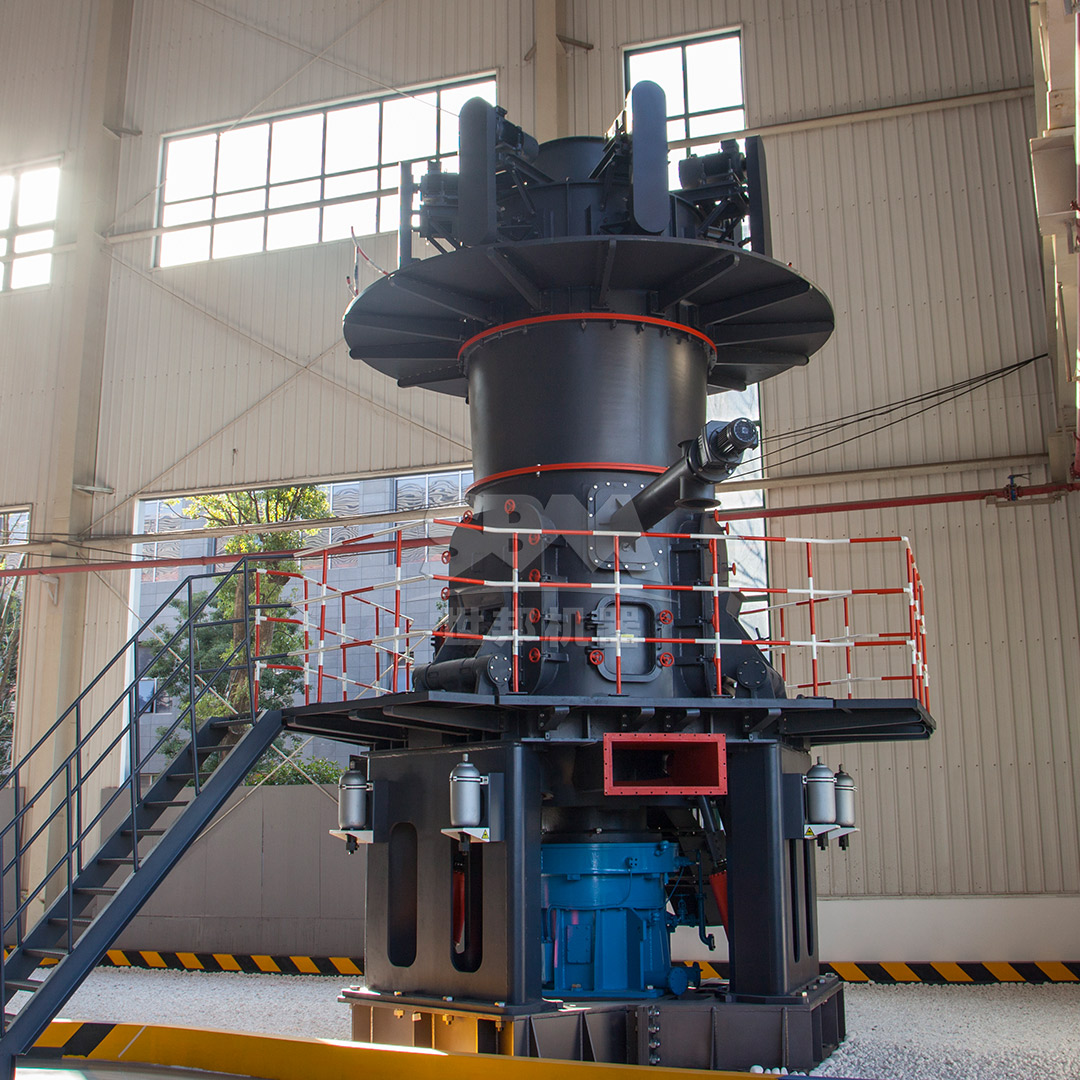
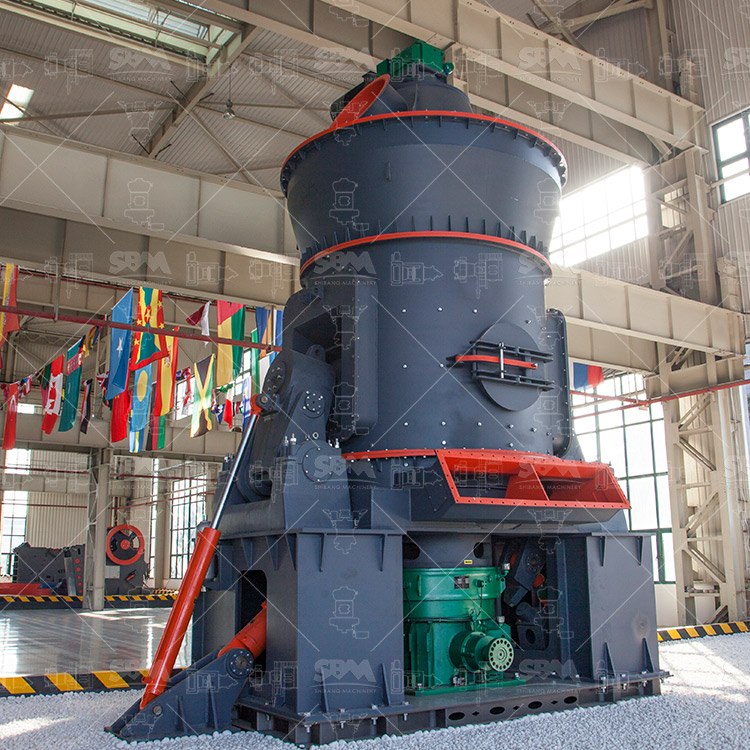
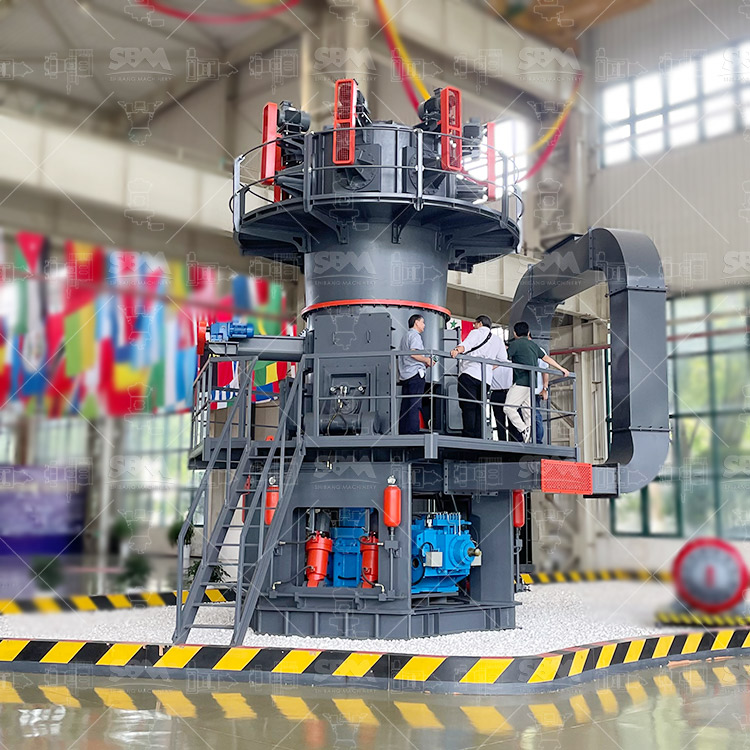
| Vertical Roller Mills (VRM) | Compression via rollers against a rotating table | Grinding rollers/tires, grinding table/liners, classifier blades, hydraulic system | Roller/tire wear, table liner wear, hydraulic leaks, classifier motor failure |
| Raymond/ Pendulum Roller Mills | Spring-pressure rollers against a stationary ring | Grinding rolls, grinding ring, shovel/plow tips, classifier blades, main shaft bushings | Roll & ring wear, shovel wear, classifier fineness control issues |
| Hammer Mills / Impact Pulverizers | Impact by rotating hammers/beaters | Hammers/beaters, screens/grates, liners, bearings | Hammer wear/breakage, screen clogging/rupture, rotor imbalance |
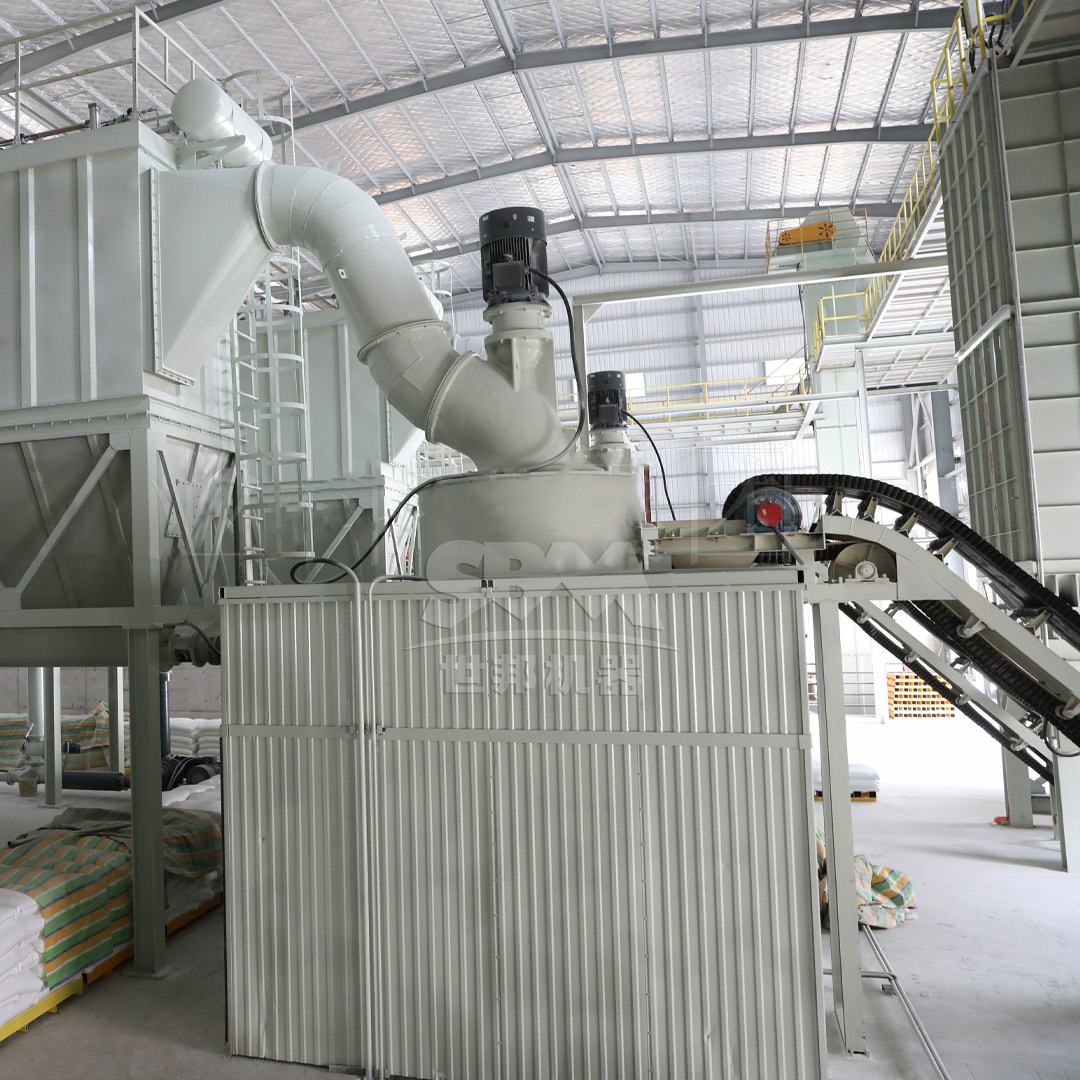
For operations requiring ultra-fine grinding with high precision and energy efficiency, selecting a mill designed for reliability is half the battle. For instance, our SCM Ultrafine Mill series is engineered with preventive maintenance in mind. Its durable design features special alloy grinding rollers and rings that extend service life by multiples compared to conventional materials. Furthermore, its no-bearing screw grinding chamber and intelligent control system that provides automatic feedback on product fineness not only ensure stable operation but also offer predictive data that can be integrated into a PM program, alerting operators to potential efficiency drops before they become failures.
Not all mills are equally critical. Classify each asset based on its impact on:
Create a detailed inventory for each critical mill, including manufacturer manuals, drawings, bill of materials (BOM) for wear parts, and historical maintenance records.
Use a Reliability-Centered Maintenance (RCM) mindset. For each critical component identified in Step 1, ask: “How can it fail?” and “What should we do to prevent it?”
| Component | Potential Failure Mode | Preventive Maintenance Task | Frequency |
|---|---|---|---|
| Main Bearings | Overheating, lubrication failure, contamination | Check oil level/temperature; analyze oil sample; listen for unusual noise/vibration | Daily / Weekly / Quarterly |
| Grinding Rolls & Table (VRM) | Progressive wear, uneven wear profile, cracking | Measure wear depth; inspect for cracks/spalling; check hydraulic pressure for roller positioning | Monthly / During scheduled shutdown |
| Drive Gears | Misalignment, tooth wear/pitting, lubrication issues | Check alignment with laser tools; inspect tooth contact pattern; check spray lubrication system | Quarterly / Semi-Annually |
| Classifier Rotor | Blade wear, imbalance, bearing failure | Inspect blade tips for wear; check rotor balance; monitor motor current and product fineness trend | Monthly / As per fineness data |
Intervals should be based on:
Develop detailed, step-by-step Standard Operating Procedures (SOPs) for each PM task, including safety lockout/tagout (LOTO), required tools, and acceptance criteria.
Move from purely time-based to condition-based maintenance where possible.
A PM plan is only as good as its execution. It requires:
A well-structured Preventive Maintenance plan for grinding mills and pulverizers transforms maintenance from a cost center into a reliability driver. It systematically addresses wear and tear, prevents catastrophic failures, and ensures consistent product quality and throughput. The initial investment in planning, monitoring tools, and training pays for itself many times over through reduced downtime, lower repair costs, extended equipment life, and enhanced safety. By understanding your equipment, implementing a rigorous PM framework, and fostering a proactive maintenance culture, you secure the relentless, efficient performance that is the hallmark of a world-class operation.