The global grinding technology market is undergoing a significant transformation, driven by intensifying demands for efficiency, sustainability, and precision across industries such as mining, construction, chemicals, and advanced materials. As we move through 2024, several key trends are emerging that are not only defining the future of particle size reduction but also setting new benchmarks for equipment performance. This article explores these pivotal trends and highlights how innovative grinding solutions are positioned to meet these evolving challenges head-on.
In an era of volatile energy prices and heightened focus on operational expenditure (OPEX), energy efficiency is no longer a luxury but a critical necessity. The trend is moving decisively away from traditional, high-energy-consumption technologies like ball mills for certain applications, towards more efficient grinding principles. The focus is on technologies that deliver higher throughput with lower specific energy consumption (kWh/ton).
Modern grinding systems are integrating advanced drive systems, optimized grinding kinematics, and intelligent process controls that dynamically adjust parameters like pressure, speed, and feed rate to minimize energy waste. The goal is to achieve more size reduction with less power input, directly impacting the bottom line and reducing the carbon footprint of industrial operations.
| Technology Comparison | Specific Energy Consumption (Typical Range) | Key Efficiency Driver |
|---|---|---|
| Traditional Ball Mill | Higher | Impact & attrition; significant heat loss |
| Modern Vertical Roller Mill | 30-40% Lower | Bed compression grinding, integrated drying |
| Advanced Ultrafine Mill | Up to 30% Lower vs. Jet Mill | Mechanical grinding with precision classification |
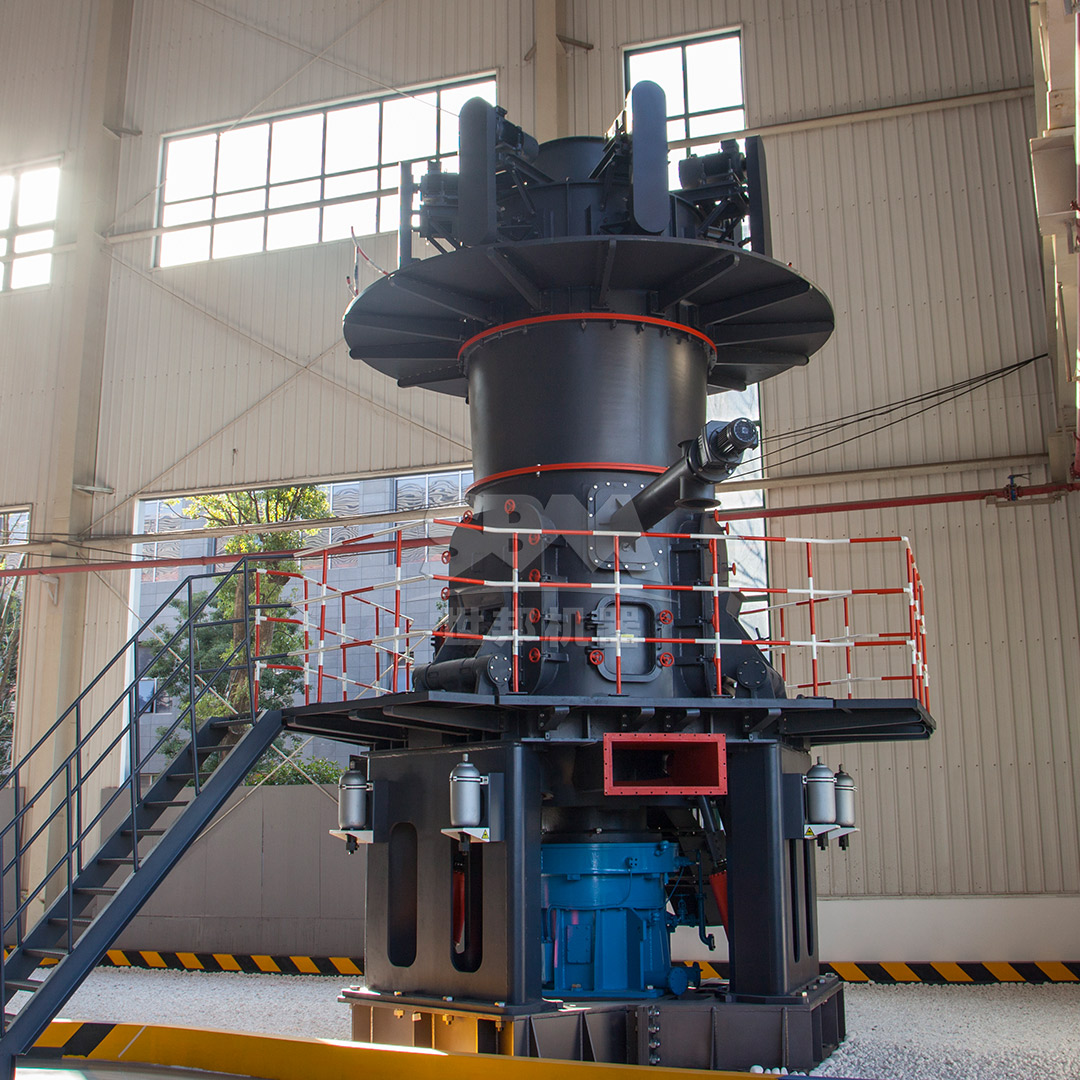
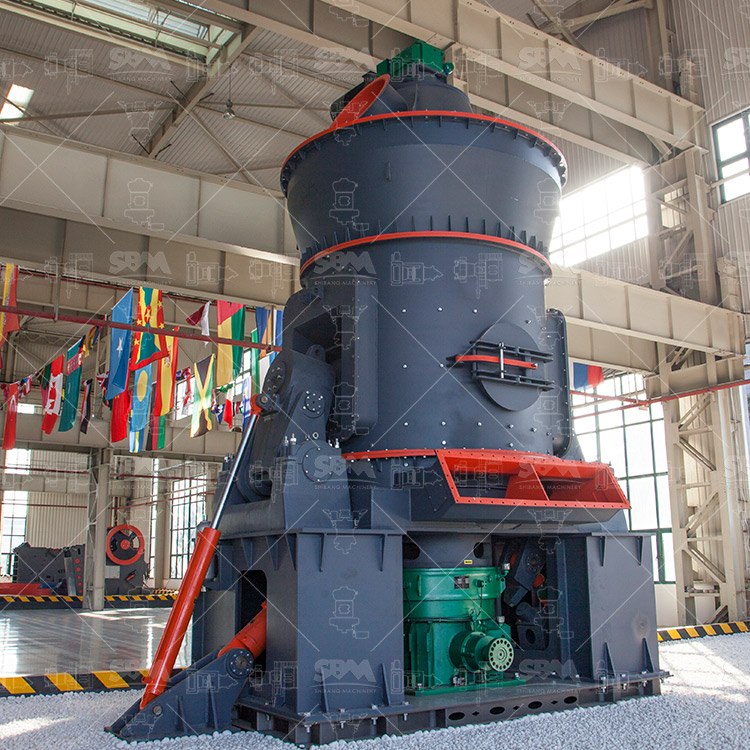
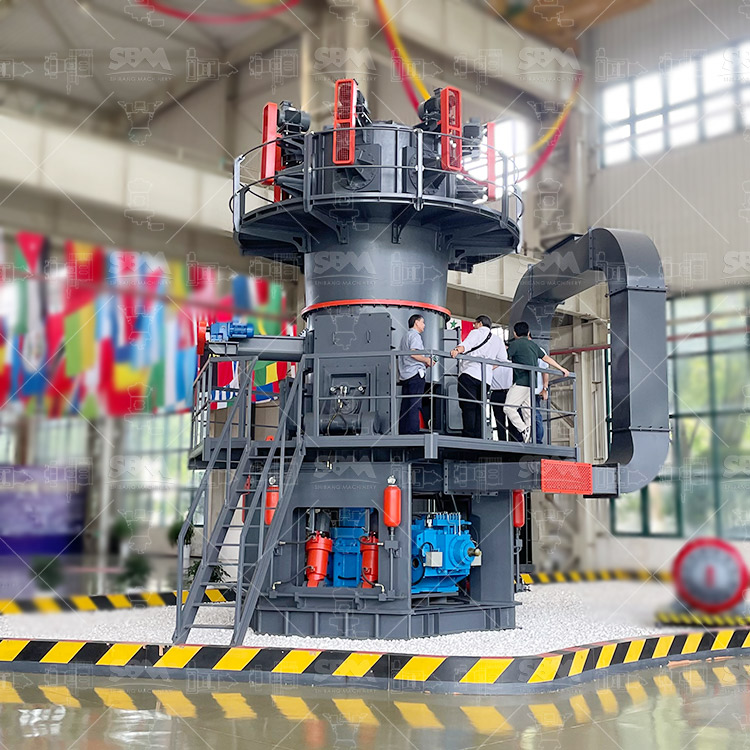
In this context, our LM Series Vertical Roller Mill exemplifies this trend. Its集约化设计 integrates crushing, grinding, drying, and classifying into a single unit, reducing energy losses associated with multi-stage processes. The料床粉磨原理 (bed grinding principle) and磨辊与磨盘非接触设计 (non-contact roller and disc design) significantly reduce wear and associated energy waste. With能耗较球磨系统降低30-40% (30-40% lower energy consumption compared to ball mill systems), it represents a cornerstone technology for cost-conscious and environmentally responsible operations seeking high capacity (3-250 t/h) across minerals, slag, and coal.
Market requirements for powdered materials are becoming increasingly stringent. Industries such as pharmaceuticals, high-performance ceramics, battery materials (e.g., cathode/anode powders), and advanced composites require not just ultrafine particles (often down to the micron or sub-micron range) but also exceptionally narrow particle size distributions (PSD). Consistency in PSD is crucial for product performance, reactivity, flowability, and final product quality.
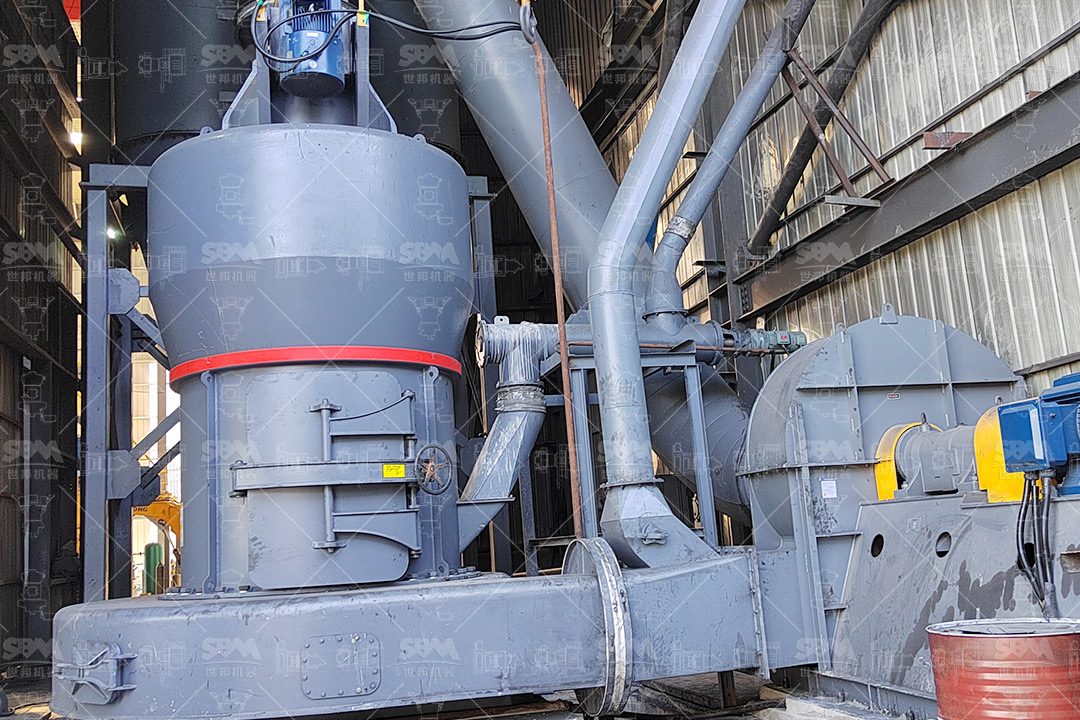
This trend places immense importance on the classification stage within a grinding circuit. The market is moving towards grinding systems where precision classification is not an afterthought but an integral, co-engineered component. Advanced涡轮分级器 (turbo classifiers) and动态分选机 (dynamic separators) with multiple stages and variable-speed drives allow for real-time, precise切割点 (cut point) control, ensuring that no oversize particles contaminate the final product and that the target fineness (e.g., D97, D50) is reliably met.
The Industrial Internet of Things (IIoT) and Industry 4.0 are firmly embedding themselves in grinding technology. The trend in 2024 is towards fully automated, data-driven milling plants. Smart sensors continuously monitor critical parameters: bearing temperature, vibration, motor load, pressure differentials, and even acoustic emissions from the grinding chamber.
This data feeds into专家级自动控制系统 (expert automatic control systems) and cloud-based platforms that perform two key functions: Process Optimization and Predictive Maintenance. AI algorithms can adjust operational parameters in real-time for optimal efficiency and product quality. More importantly, they analyze trends to predict component failure (e.g., roller wear, bearing issues) before it happens, scheduling maintenance during planned downtime. This shift from reactive or preventive to predictive maintenance drastically reduces unplanned stoppages, extends equipment寿命 (service life), and maximizes overall equipment effectiveness (OEE).
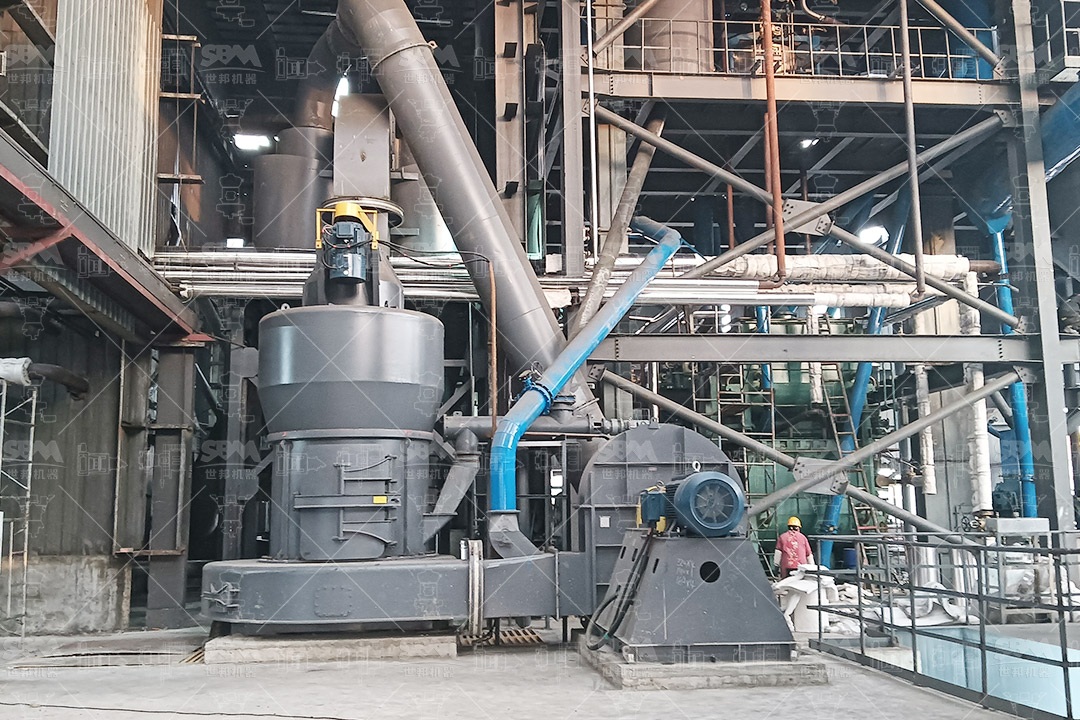
Downtime is the enemy of productivity. A major trend is the design of grinding equipment with enhanced durability and dramatically improved serviceability. This involves the use of special wear-resistant materials for磨辊 (grinding rollers) and磨环 (grinding rings), often with advanced metallurgy or composite overlays, to extend replacement intervals by multiples.
Furthermore, modular and快速更换系统 (quick-change systems) are becoming standard. For example, complete磨辊总成 (roller assemblies) can be swapped out using hydraulic systems without requiring extensive disassembly of the main frame. This design philosophy, evident in our product lines, minimizes maintenance time from days to hours. The focus on降低维护成本 (reducing maintenance costs) and designing for easy access to wear parts is a critical response to the industry’s need for higher availability and lower total lifecycle cost.
Environmental regulations worldwide are tightening, particularly concerning dust emissions and noise pollution. Grinding technology in 2024 is being developed with环保 (environmental protection) as a core design parameter, not an add-on. The trend is towards全密封负压运行 (fully sealed, negative-pressure operation) to completely contain dust within the system.
Advanced脉冲除尘技术 (pulse-jet dust collection technology) with filtration efficiencies exceeding international standards ensures that粉尘排放 (dust emissions) are kept well below stringent limits (e.g., <20 mg/m³). Simultaneously, comprehensive noise reduction strategies—including隔音室设计 (soundproof chamber design), acoustic damping materials, and optimized mechanical layouts—are employed to bring operational noise levels down to ≤75-80 dB(A), protecting workers and communities.
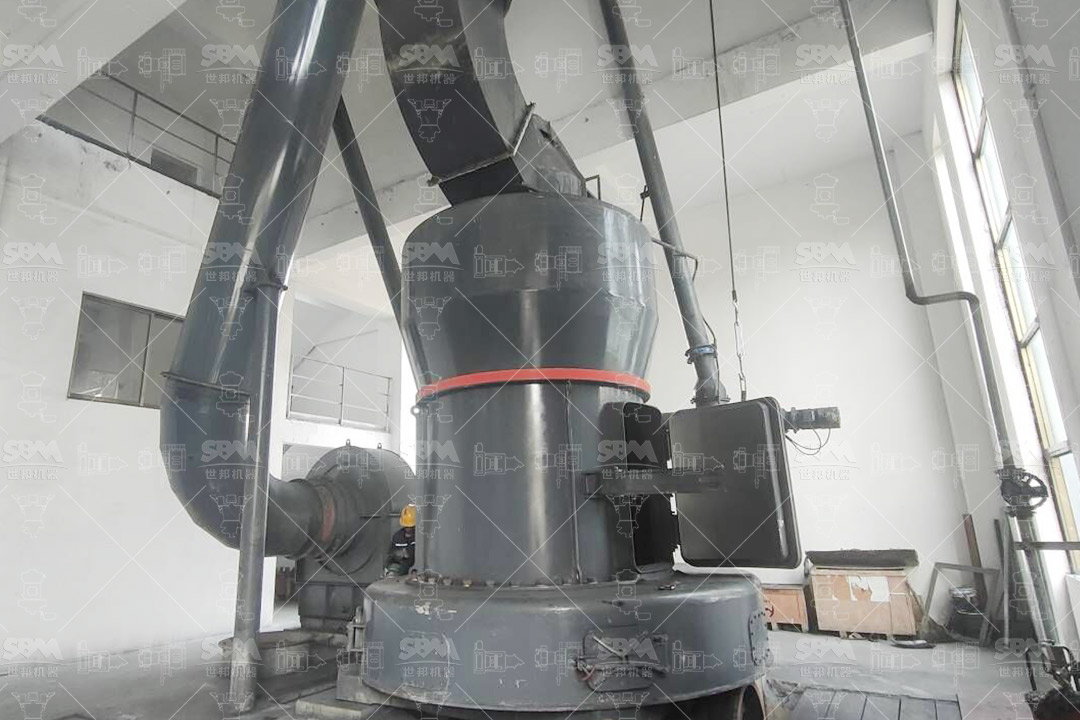
Converging the trends of energy efficiency, ultra-fine precision, and environmental stewardship, our SCM Series Ultrafine Mill (45-5μm) stands out as a purpose-built solution for the high-end market. It directly addresses the need for cost-effective production of superfine powders.
With models ranging from the SCM800 (0.5-4.5 t/h) to the high-capacity SCM1680 (5.0-25 t/h), it offers a scalable solution for producing high-value fine powders in chemicals, pigments, and advanced materials.
The grinding technology market in 2024 is being shaped by a powerful confluence of economic, regulatory, and technological forces. Success will belong to those who adopt solutions that seamlessly integrate energy efficiency, precise particle control, smart automation, robust durability, and uncompromising environmental standards. The progression is clear: from standalone machines to optimized, intelligent systems that deliver not just size reduction, but predictable performance, lower total cost of ownership, and sustainable operation. By aligning with these key trends, manufacturers can ensure their processes remain competitive, compliant, and ready for the challenges of tomorrow.