In the mineral processing industry, the grinding circuit stands as the pivotal link between comminution and separation, directly influencing both recovery rates and operational profitability. An optimized grinding circuit ensures that valuable minerals are liberated from the gangue at the optimal particle size, maximizing downstream flotation or leaching efficiency while minimizing energy consumption—the single largest cost factor in many operations. This guide provides a systematic, step-by-step approach to designing a grinding circuit that balances technical performance with economic viability.
The design process begins with a clear definition of objectives. Key performance indicators (KPIs) must be established, including target product fineness (e.g., P80), required throughput, overall plant recovery goals, and energy consumption limits. Concurrently, a comprehensive characterization of the feed material is non-negotiable. This involves:
Without accurate feed data, any circuit design is built on uncertain foundations, risking underperformance or costly over-design.
Choosing between open and closed-circuit grinding, and selecting the number of stages, are fundamental decisions. For most modern mineral recovery plants aiming for fine to ultra-fine product sizes, closed-circuit grinding is essential. It allows for continuous classification, returning oversized material for further grinding, which improves efficiency and controls product size. Common configurations include:
The choice depends on throughput, feed size, target product size, ore hardness, and capital/operating cost trade-offs.
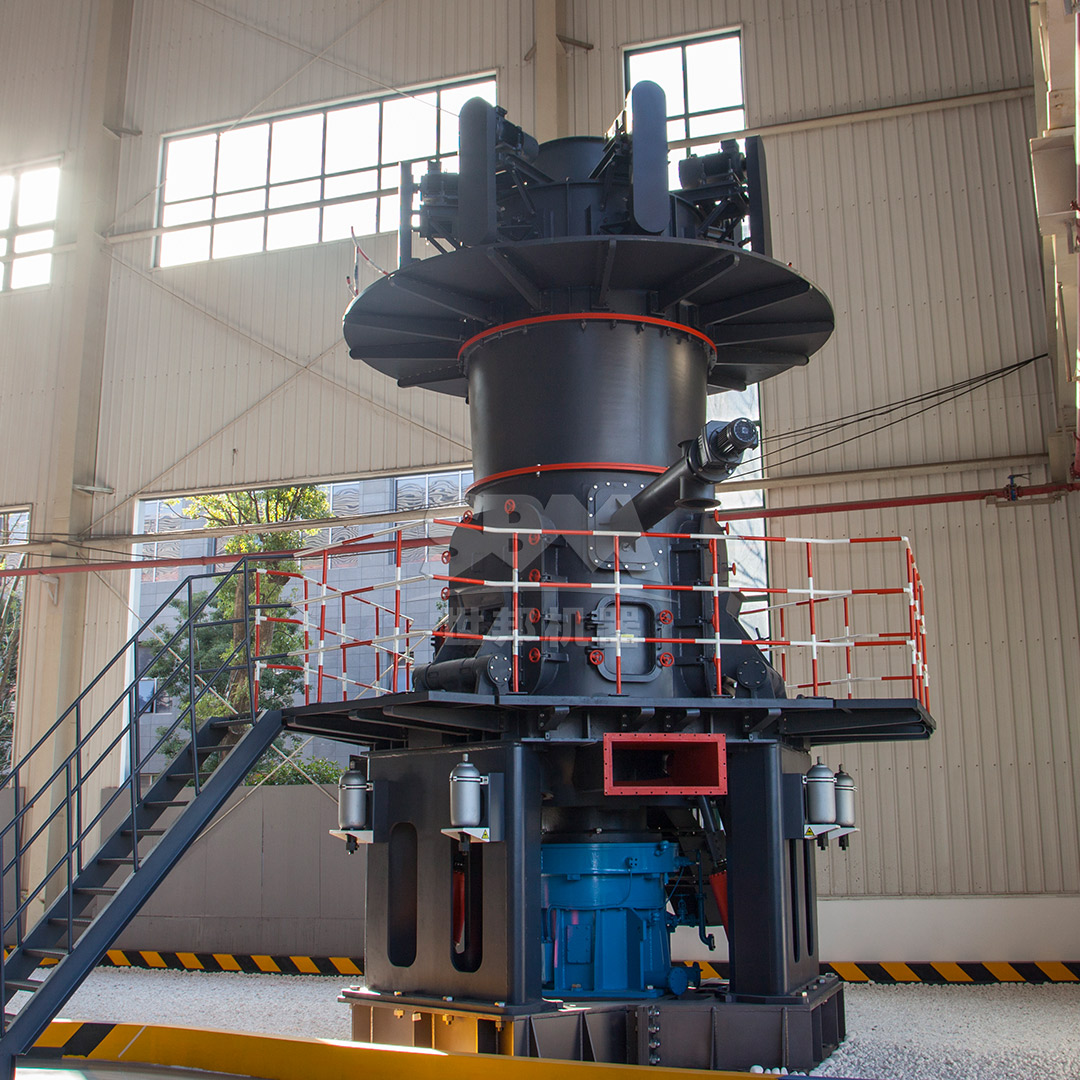
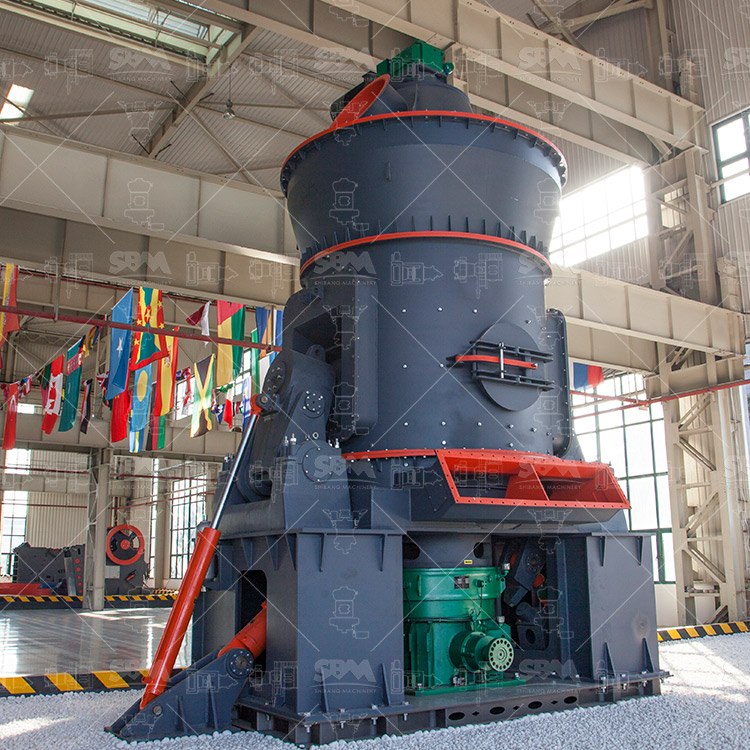
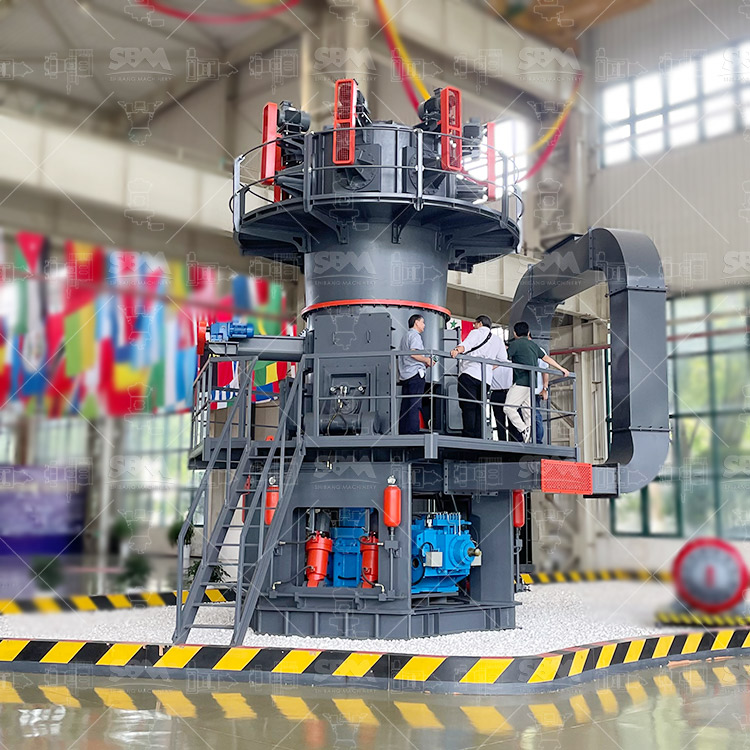
Modern circuit design emphasizes integration. Equipment that combines grinding, classification, and often drying into a single, compact footprint offers significant advantages in space, energy use, and process control. This is where advanced vertical roller mill technology excels.
For operations targeting product fineness in the range of 30 to 325 mesh (600 to 45μm) with medium to high capacity requirements, the MTW Series Trapezium Mill presents an outstanding solution. Its design incorporates several features critical for optimized mineral recovery circuits. The curved air duct minimizes pressure loss and improves material conveying efficiency. More importantly, its integral conical gear transmission achieves a remarkable 98% transmission efficiency, directly translating to lower energy consumption per ton of product. The wear-resistant volute structure further reduces maintenance costs by approximately 30%, enhancing overall circuit availability and reducing total cost of ownership.
| Model | Capacity (t/h) | Main Motor Power (kW) | Feed Size (mm) | Product Fineness (mesh) |
|---|---|---|---|---|
| MTW138Z | 6-17 | 90 | <35 | 10-325 |
| MTW175G | 9.5-25 | 160 | <40 | 10-325 |
| MTW215G | 15-45 | 280 | <50 | 10-325 |
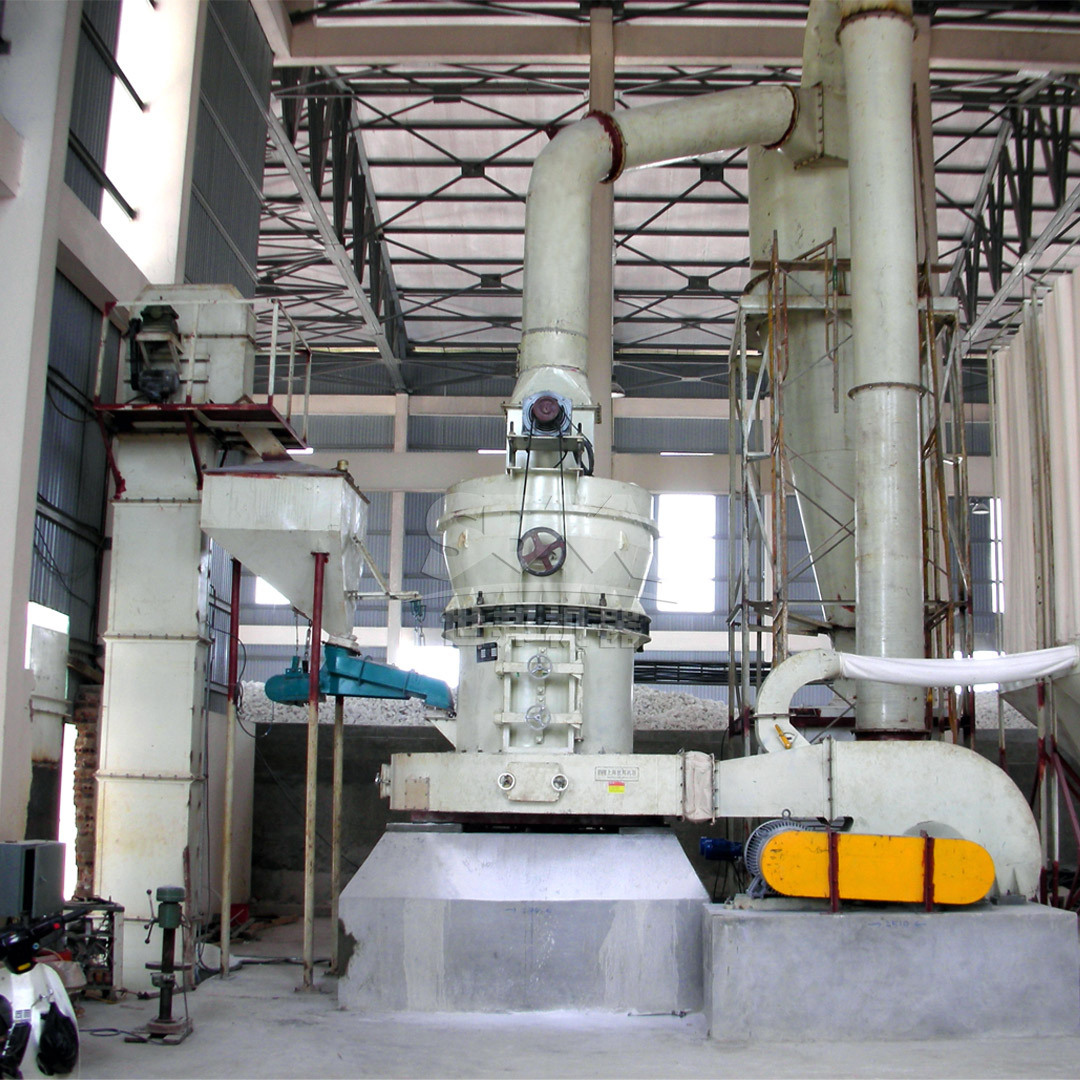
With a circuit configuration chosen, detailed equipment sizing follows. This involves using the ore characterization data and mass balance simulations to determine the specific energy requirement (kWh/t) and subsequently the motor power needed for the grinding mills. Key considerations include:
For classification in closed-circuit grinding, hydrocyclones are common for wet circuits, while dynamic air classifiers are essential for dry grinding circuits requiring precise top-size control.
A well-designed physical circuit must be paired with an intelligent control strategy to achieve optimal performance. Advanced Process Control (APC) systems use real-time data from sensors (e.g., particle size analyzers, density gauges, bearing pressure sensors, power draw) to maintain the circuit at its peak operating point. Key control loops include:
Automation not only stabilizes operations but also allows for pushing the circuit to its limits safely, maximizing throughput and recovery.
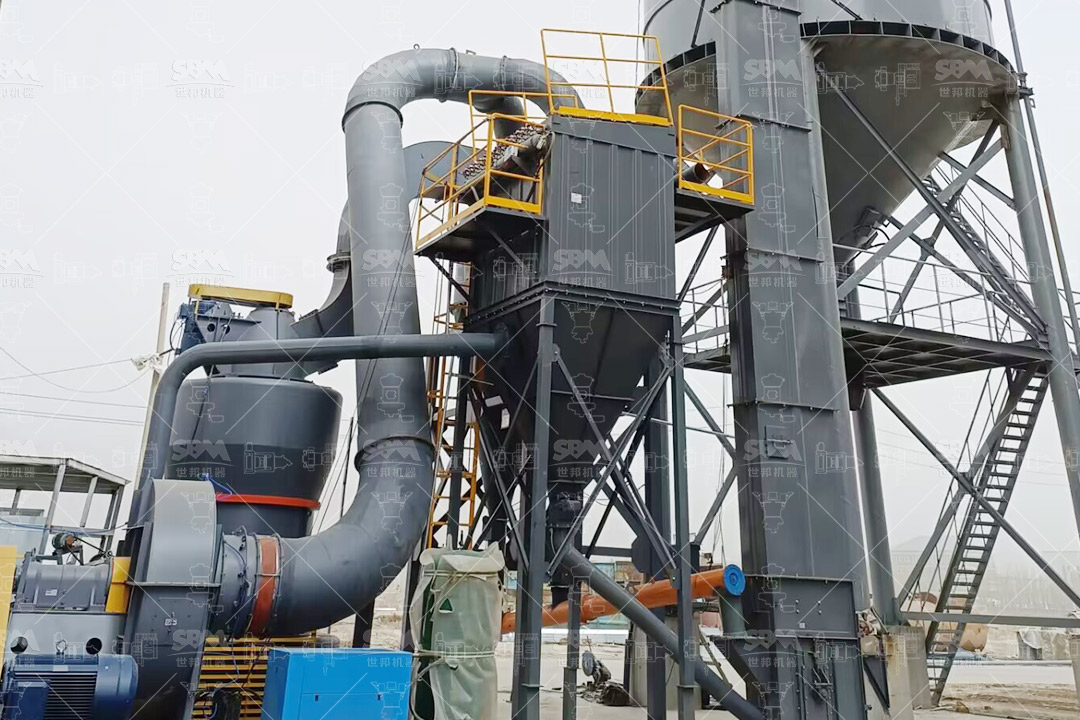
Certain minerals, such as graphite, kaolin, or rare earth elements, require liberation or final product sizes in the ultra-fine range (<10μm). Traditional ball mills become highly inefficient at this scale due to reduced grinding media impact energy. Specialized equipment is required.
For these demanding applications, the SCM Ultrafine Mill is engineered to deliver high-efficiency, cost-effective grinding down to 5μm (D97). Its core advantage lies in its vertical turbine classification system, which ensures precise particle size cuts without coarse powder contamination, resulting in a uniform, high-quality product. Furthermore, its high-efficiency, low-energy consumption design offers approximately twice the capacity of a jet mill while reducing energy use by 30%. The mill’s robust construction, featuring special-material rollers and rings, along with a bearingless screw grinding chamber, ensures stable, long-term operation crucial for continuous mineral processing plants.
| Model | Capacity (t/h) | Main Motor Power (kW) | Product Fineness (mesh) | Key Feature |
|---|---|---|---|---|
| SCM1000 | 1.0-8.5 | 132 | 325-2500 | Vertical Turbine Classifier |
| SCM1250 | 2.5-14 | 185 | 325-2500 | High Capacity Design |
| SCM1680 | 5.0-25 | 315 | 325-2500 | Maximum Throughput |
The final step involves a comprehensive economic analysis of the proposed circuit design. This goes beyond capital expenditure (CAPEX) to focus on life-cycle costs, dominated by operating expenditure (OPEX):
Sustainability is now a core economic driver. Designs must minimize water usage (favoring dry grinding where possible), incorporate efficient dust collection systems (e.g., pulse jet baghouses with >99.9% efficiency), and utilize equipment with low noise emissions (<85 dB(A)). The environmental benefits of energy-efficient technologies like the MTW or SCM series directly translate into lower carbon emissions and operational costs.
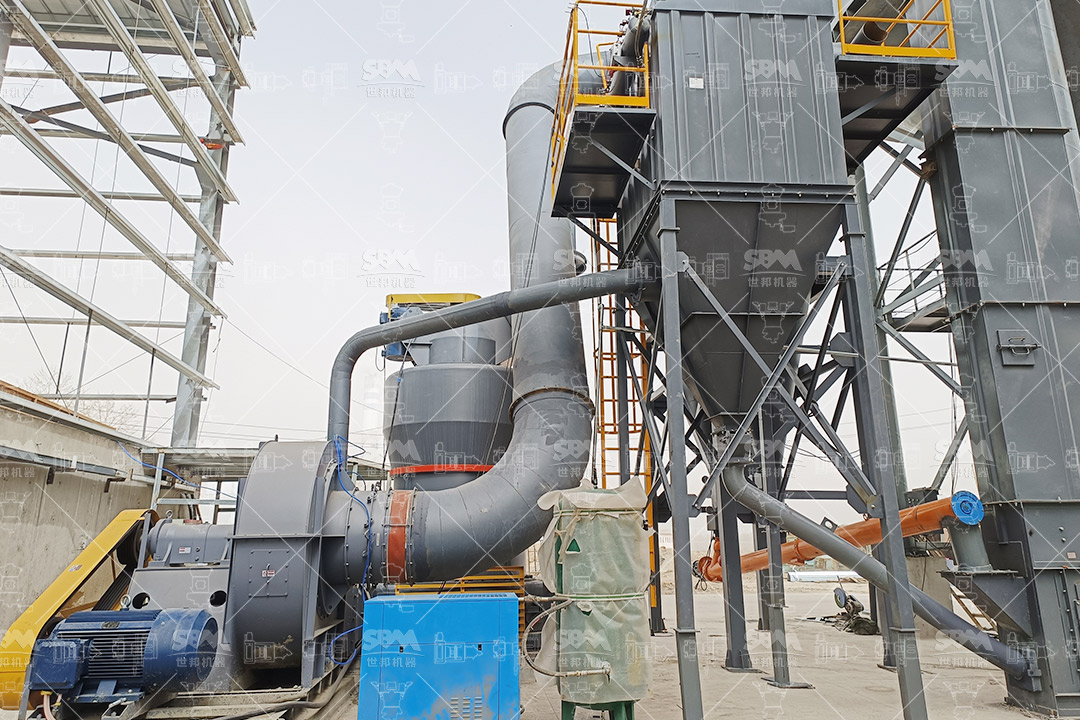
Optimizing mineral recovery through grinding circuit design is not a one-size-fits-all exercise. It is a meticulous, iterative process that integrates geology, metallurgy, mechanical engineering, and economics. By following a structured approach—from precise feed characterization to the selection of energy-efficient, reliable equipment like the MTW Series for mid-range grinding or the SCM Series for ultra-fine applications—engineers can design circuits that are not only technically sound but also economically superior and environmentally responsible. The ultimate goal is to create a robust, flexible system that consistently delivers the target mineral liberation at the lowest possible cost per recovered unit, thereby maximizing the asset’s value over its entire lifecycle.