For manufacturers across industries such as mining, cement, chemicals, and advanced materials, scaling up grinding operations is a critical yet complex endeavor. The transition from pilot-scale success to full-scale, high-volume production presents a multifaceted set of challenges. Successfully navigating these hurdles is paramount to achieving operational efficiency, product quality consistency, and long-term profitability. This article explores the primary challenges in scaling grinding processes and outlines strategic solutions, highlighting how advanced grinding technology can be the cornerstone of a successful scale-up strategy.
Scaling up is not merely about making equipment larger. It involves a systemic transformation where several interconnected factors can become bottlenecks.
Perhaps the most significant challenge is preserving the precise particle size distribution (PSD) and product quality achieved in smaller batches when output is multiplied. Inconsistent fineness leads to downstream processing issues, variable product performance, and customer rejection. Traditional grinding systems often struggle with classification efficiency at high volumes, allowing coarse particles to contaminate the final product or causing over-grinding, which wastes energy and creates unwanted ultra-fines.
Grinding is notoriously energy-intensive, often accounting for a substantial portion of a plant’s total power draw. As capacity increases, energy costs can escalate exponentially if the grinding efficiency does not scale linearly. Older technologies like ball mills or basic Raymond mills see diminishing returns on energy input at higher capacities. Furthermore, the wear and tear on grinding media and liners accelerate, leading to frequent maintenance shutdowns and high consumable costs, crippling operational continuity and budget.
Large-scale operations demand maximum uptime. Unplanned downtime in a high-capacity grinding line can halt entire production chains, resulting in massive financial losses. Challenges include mechanical failures of critical components, the logistical difficulty of replacing large wear parts, and system instability due to fluctuating feed materials or improper process control. Reliability is not just about robust machinery but also about intelligent systems that can predict and prevent failures.
Industrial scale amplifies environmental impact. Dust emissions, noise pollution, and vibration become major concerns for regulatory compliance and community relations. Containing fine powder within the system to protect worker health and the environment requires highly efficient, large-scale dust collection solutions. Furthermore, the sheer size and power of scaled-up equipment necessitate enhanced safety protocols and fail-safe designs.
Space is often at a premium. A new, high-capacity grinding system must fit into the existing plant layout without requiring prohibitively expensive civil works. The system must also integrate seamlessly with upstream feeding and downstream collection/processing stages, requiring careful engineering of material handling, airflow, and automation interfaces.
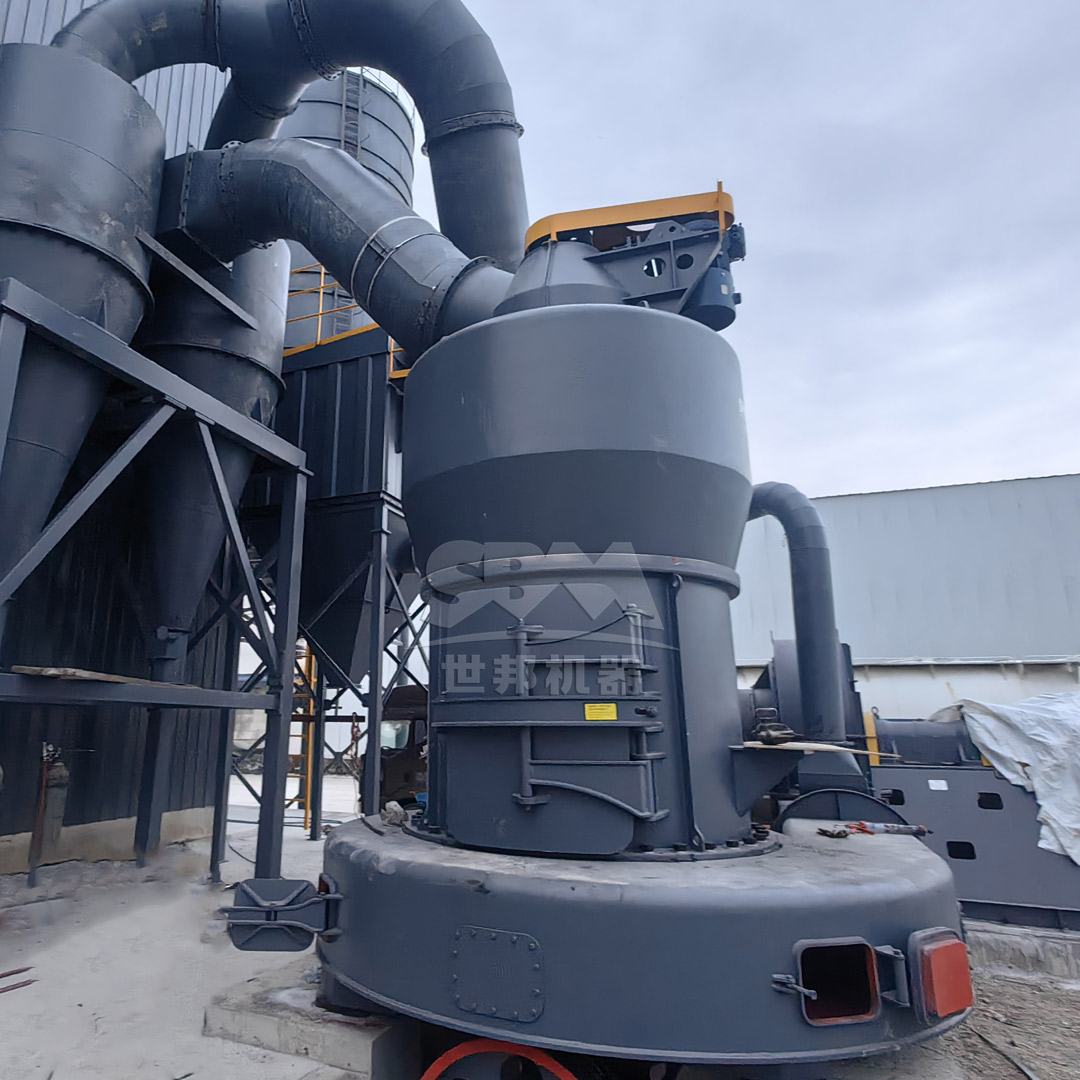
Overcoming these challenges requires moving beyond conventional grinding approaches. The solution lies in adopting next-generation grinding systems engineered specifically for efficient, reliable, and intelligent large-scale operation.
The key is to select technology that applies energy directly to the particle breakage process with minimal losses. Technologies based on bed grinding (pressure comminution) rather than impact or attrition alone offer superior energy efficiency at scale. These systems crush material between grinding rolls and a track, a method that transfers power more effectively and generates less heat and noise compared to tumbling ball mills.
To solve the consistency challenge, the grinding mill must be paired with an advanced, high-capacity internal or external classifier. Dynamic classifiers with adjustable rotor speeds allow real-time, precise control over the cut point of particle size, ensuring that only product meeting the spec leaves the system. This closed-loop classification is vital for maintaining PSD at throughputs of tens or hundreds of tons per hour.
Wear part longevity is critical. Solutions include using specially alloyed materials for rollers and grinding tables, innovative designs that allow for roller reversal to utilize unused surfaces, and modular designs that enable quick replacement of wear parts without dismantling the entire mill structure. Coupled with condition monitoring systems (vibration, temperature, pressure sensors), operators can shift from reactive to predictive maintenance.
Modern grinding systems must be governed by sophisticated PLC/DCS systems. These systems automate the start-up and shutdown sequences, continuously monitor key parameters (feed rate, motor load, pressure differential, fineness), and make micro-adjustments to maintain optimal performance. This reduces operator dependency, stabilizes the process against feed variations, and ensures consistent quality 24/7.
Large-scale grinders should be designed as negative-pressure systems, ensuring no dust escape. Integrated, high-efficiency pulse-jet baghouse filters or cartridge filters with automatic cleaning are essential. Acoustic enclosures and vibration-damping foundations address noise pollution. An environmentally conscious design is no longer an add-on but a fundamental requirement.
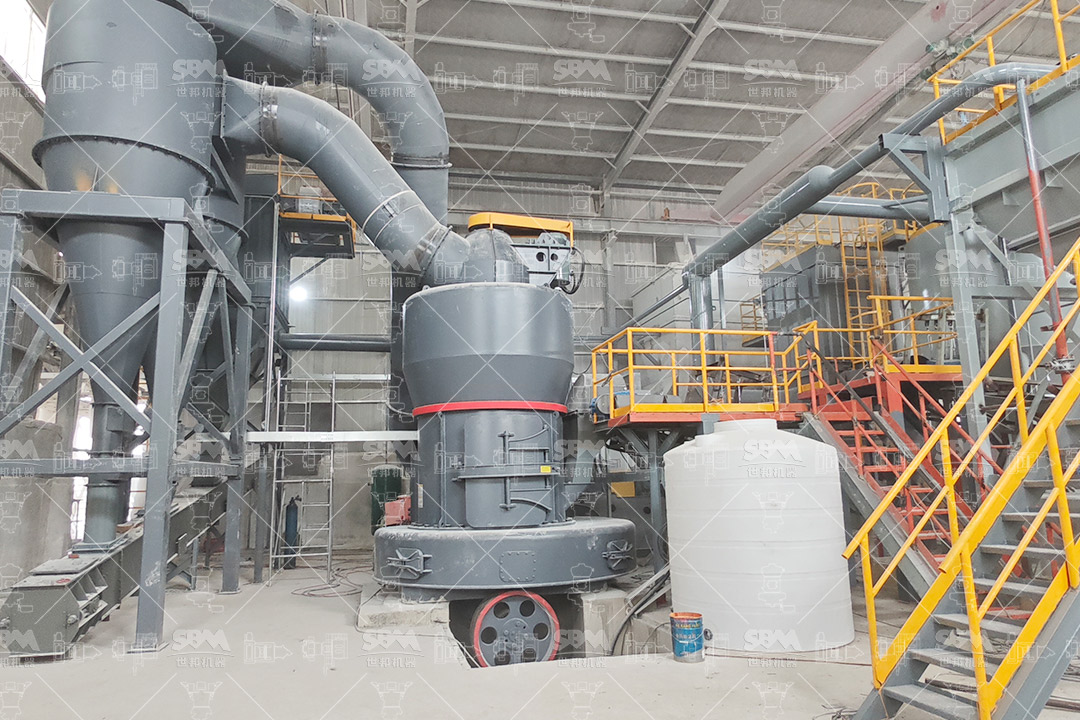
Based on the outlined challenges and strategic solutions, selecting the right equipment is decisive. For manufacturers looking to scale their fine and ultra-fine grinding operations, two product lines stand out as exemplary solutions.
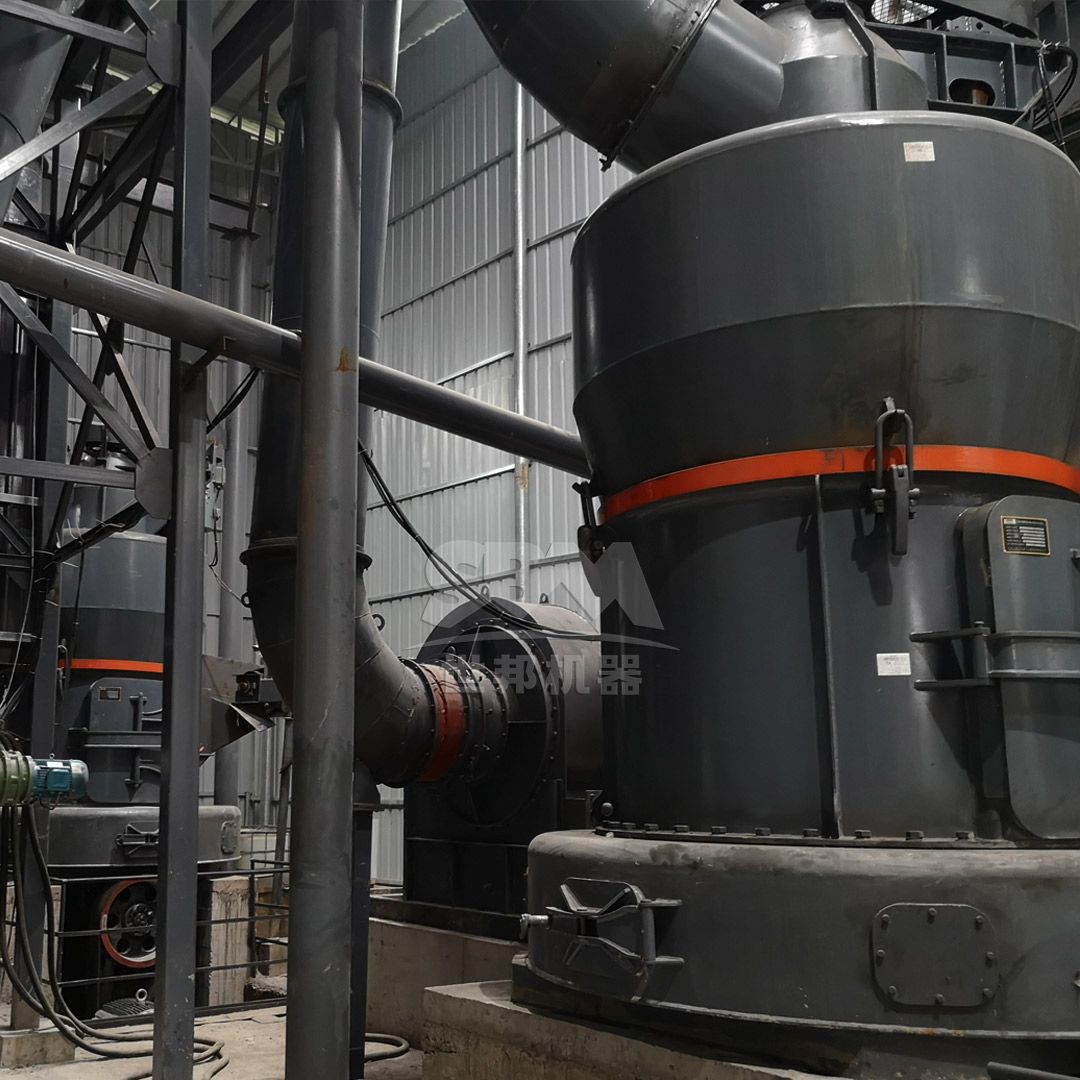
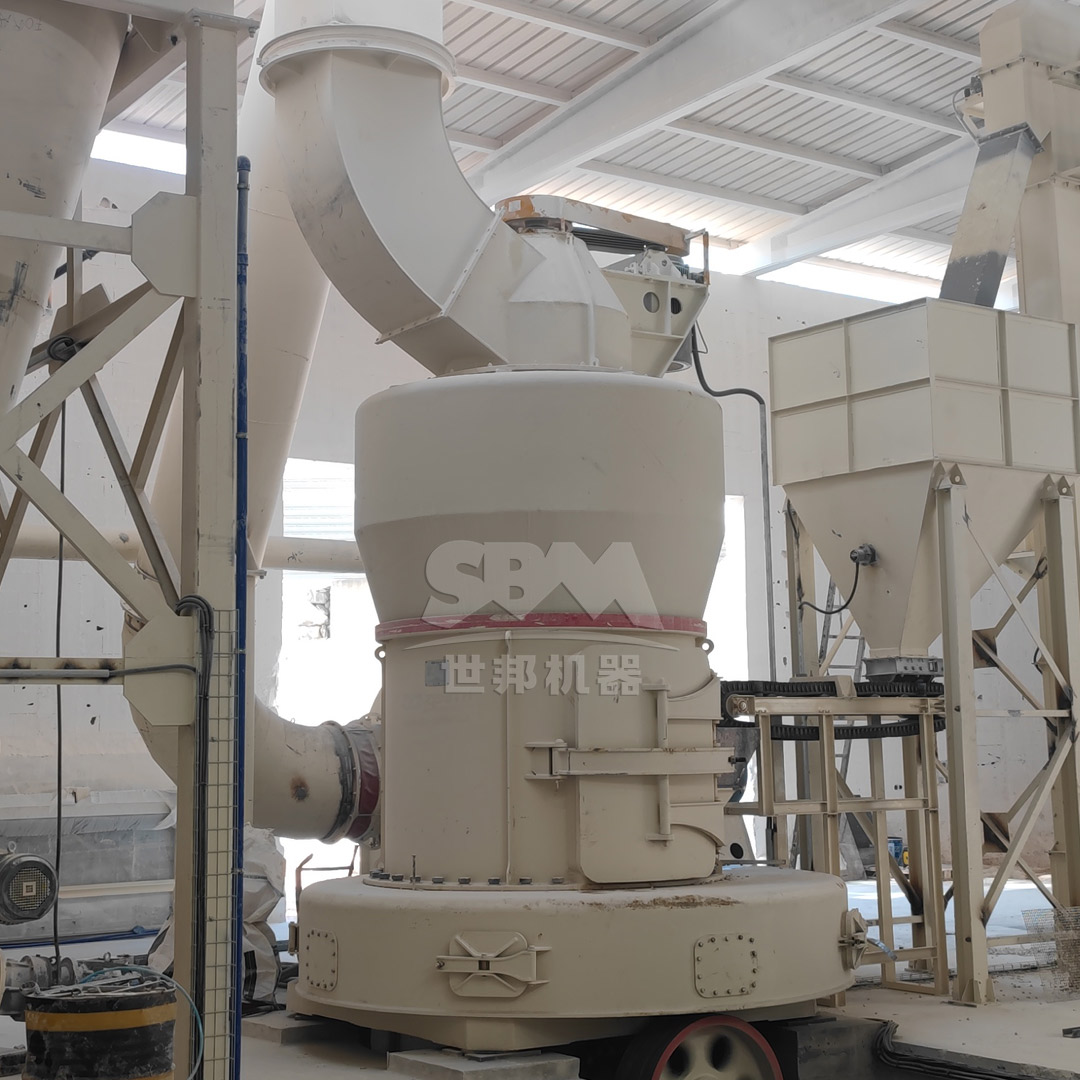
When scaling up production of high-value, ultra-fine powders (325-2500 mesh), the SCM Ultrafine Mill series presents a transformative solution. It directly addresses the core scale-up challenges:
With models like the SCM1680 offering capacities up to 25 tons per hour and a fineness down to D97≤5μm, it allows manufacturers to scale ultra-fine production without compromising on quality or operational cost. Its intelligent control system provides automatic feedback on product fineness, ensuring consistent output.
| Model | Processing Capacity (ton/h) | Main Motor Power | Output Fineness |
|---|---|---|---|
| SCM1000 | 1.0 – 8.5 | 132 kW | 325 – 2500 mesh (D97≤5μm) |
| SCM1250 | 2.5 – 14 | 185 kW | |
| SCM1680 | 5.0 – 25 | 315 kW |
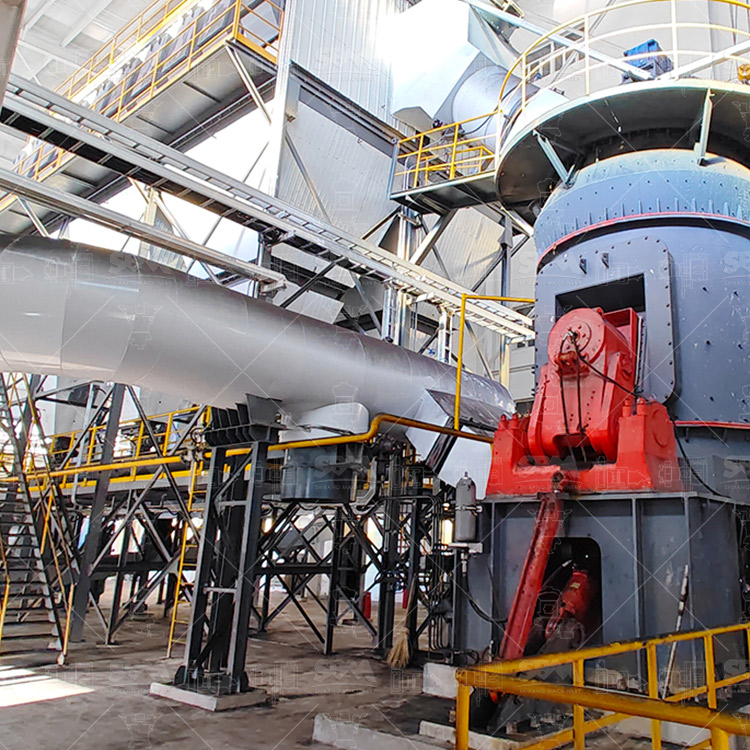
For massive-scale grinding of minerals, slag, or coal where throughputs from tens to hundreds of tons per hour are required, the LM Vertical Roller Mill series is the industry benchmark for scale-up.
Models such as the LM280K (for minerals) with a capacity of 50-170 t/h or the LM340Y (for pre-grinding) handling循环处理量 of 800-1000 t/h demonstrate this series’ capability to drive the most demanding scale-up projects in cement, metallurgy, and power generation.
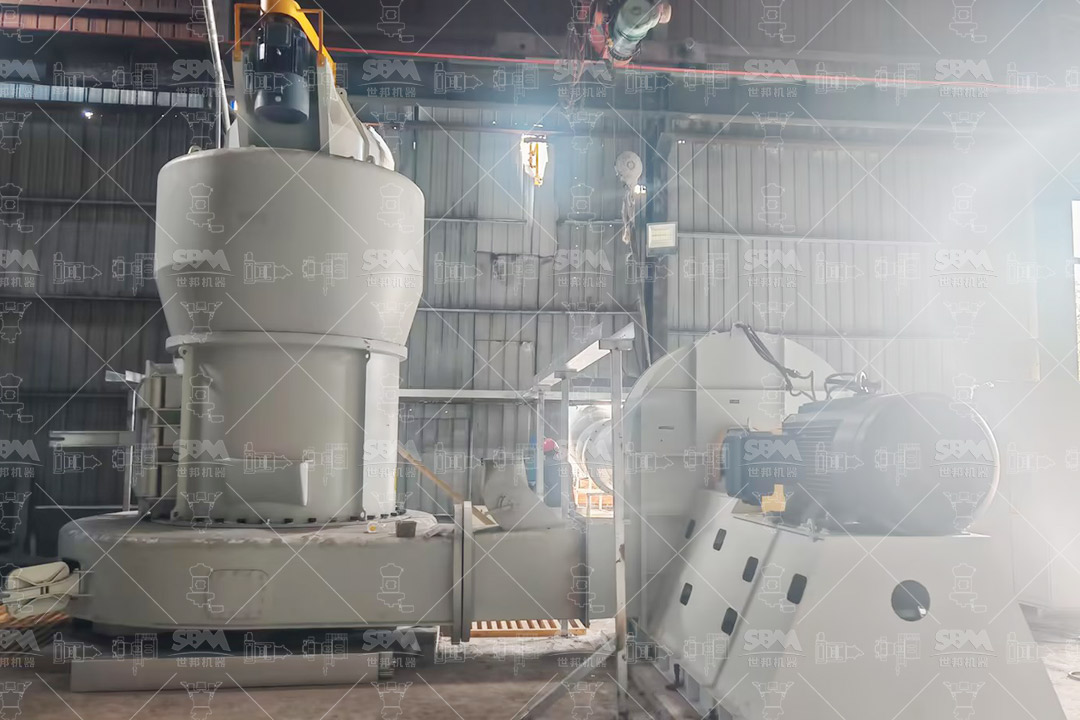
Scaling up industrial grinding operations is a high-stakes engineering challenge that extends far beyond simple equipment magnification. It requires a holistic approach that prioritizes energy efficiency, product consistency, system reliability, and environmental stewardship from the initial design phase. The limitations of outdated technology become exponentially costly and risky at larger scales.
Investing in advanced, integrated grinding systems like the SCM Ultrafine Mill for ultra-fine applications or the LM Vertical Roller Mill for high-tonnage fine grinding provides a future-proof foundation. These technologies are engineered with the specific pain points of scale-up in mind, offering the intelligent automation, robust durability, and superior process efficiency needed to turn scaling challenges into competitive advantages. For manufacturers on a growth trajectory, the choice of grinding technology is not just an equipment purchase; it is a strategic decision that defines operational excellence for years to come.