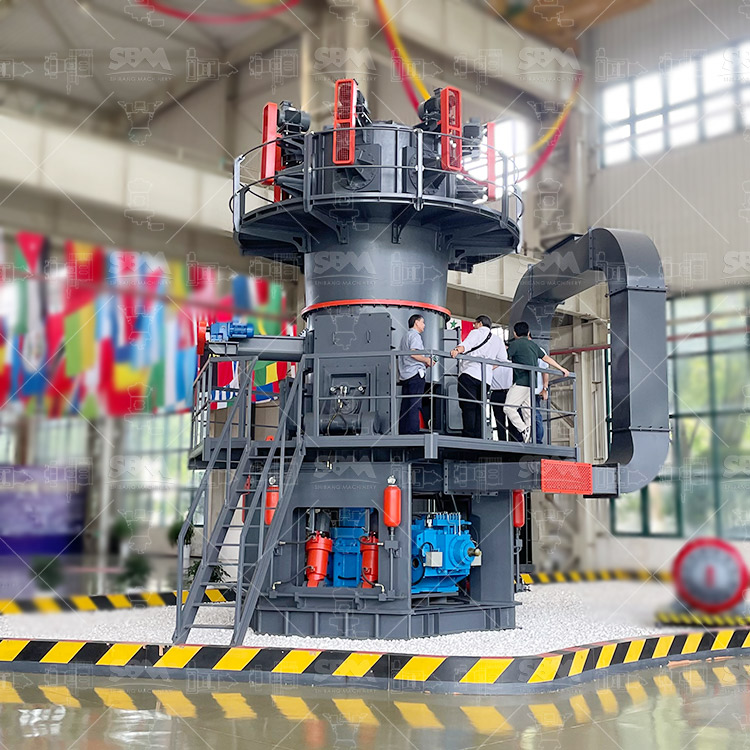
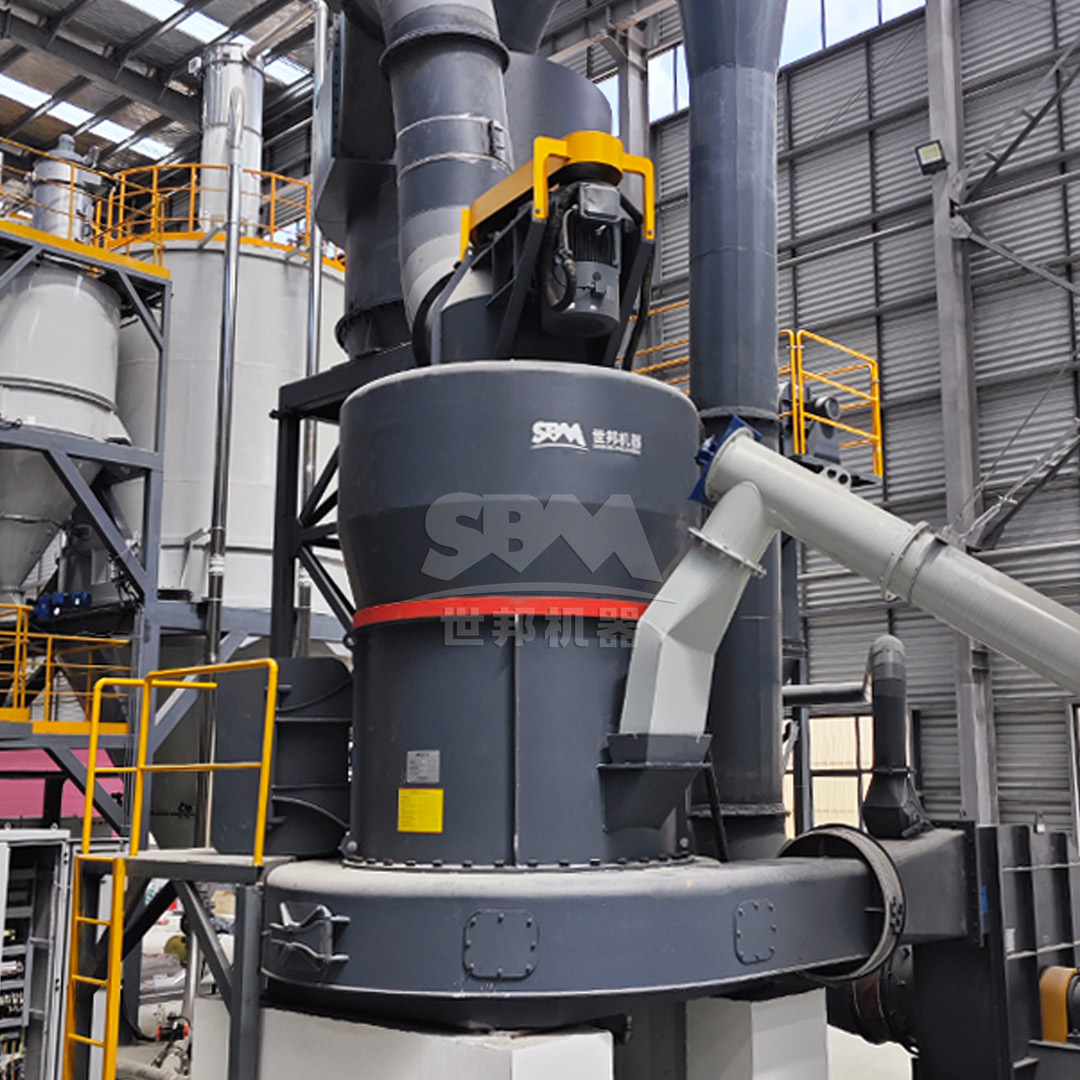
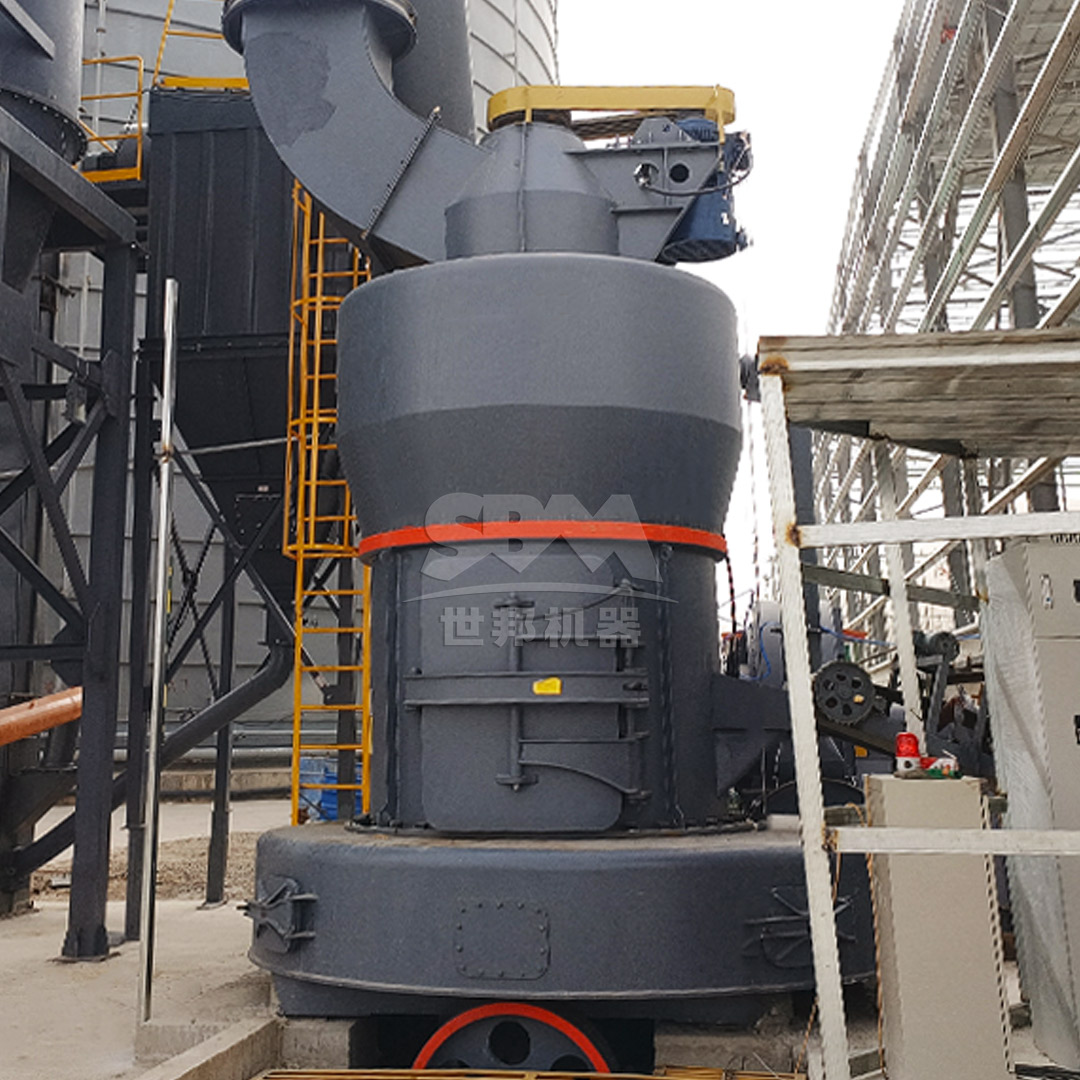
The quest for higher efficiency and greater production output in mineral processing, cement production, and fine powder manufacturing is a constant driver of technological advancement. At the heart of this pursuit lies the grinding process, a critical yet energy-intensive stage that directly impacts product quality, operational costs, and overall plant profitability. While traditional ball mills have served industries for decades, their limitations in energy consumption, particle size control, and footprint are increasingly at odds with modern demands for sustainability and precision. This article explores how innovations in grinding media design and mill technology are revolutionizing this field, focusing on key technological leaps that deliver measurable gains in efficiency and output.
The fundamental shift in modern grinding technology moves away from pure impact and attrition (as seen in traditional ball mills) towards controlled pressure grinding. This principle, exemplified by vertical roller mills and advanced pendulum mills, involves creating a stable bed of material between grinding elements. The applied pressure causes inter-particle comminution, which is inherently more energy-efficient than lifting and dropping heavy steel balls. This method not only reduces specific energy consumption by 30-50% but also generates less heat and wear, directly translating to lower operational costs and extended maintenance intervals.
| Grinding Principle | Typical Technology | Key Advantage | Energy Saving vs. Ball Mill |
|---|---|---|---|
| Impact/Attrition | Traditional Ball Mill | High reliability, simple operation | Baseline (0%) |
| Bed Compression/Pressure | Vertical Roller Mill (VRM) | High efficiency, low wear | 30% – 50% |
| Centrifugal Roller Grinding | Advanced Pendulum Mill (e.g., MTW) | Excellent particle size distribution | 20% – 40% |
| Multi-layer Grinding & Precision Classification | Ultrafine Mill (e.g., SCM) | Ultra-fine powder production, high precision | Up to 30% vs. jet mills |
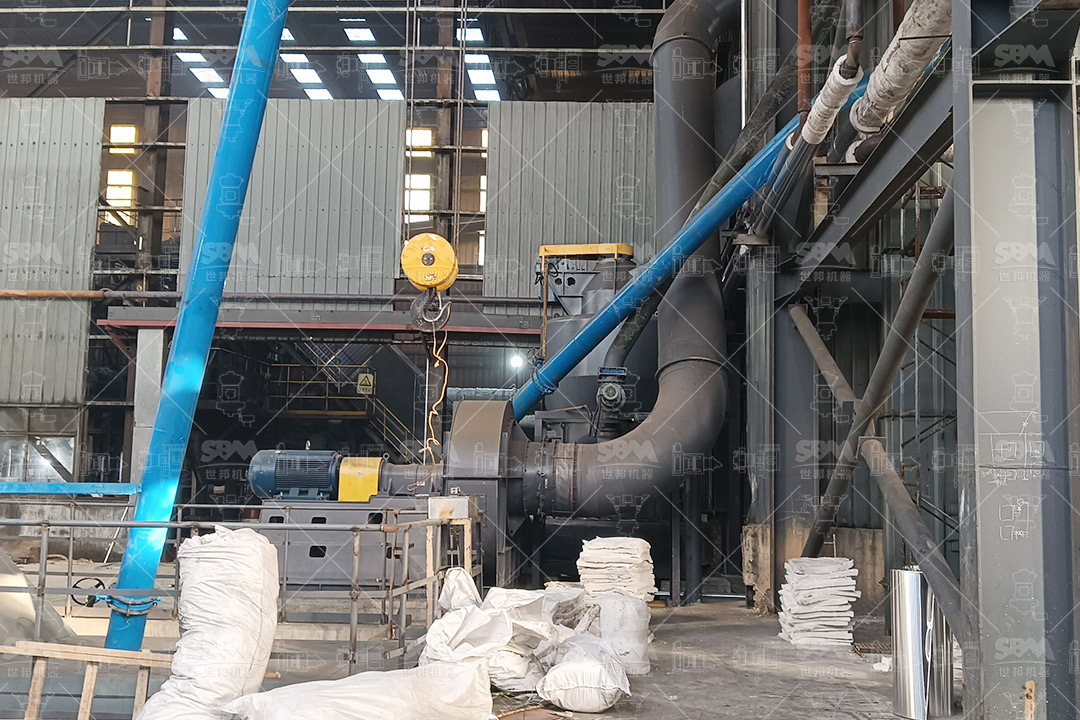
Several core technological innovations are synergistically boosting mill performance:
Innovations in metallurgy have led to the development of ultra-hard, durable alloys for grinding rollers, tables, and liners. Combined with optimized geometry (e.g., curved rollers and segmented wear parts), these advancements extend service life by multiples, drastically reducing downtime for part replacement and associated costs.
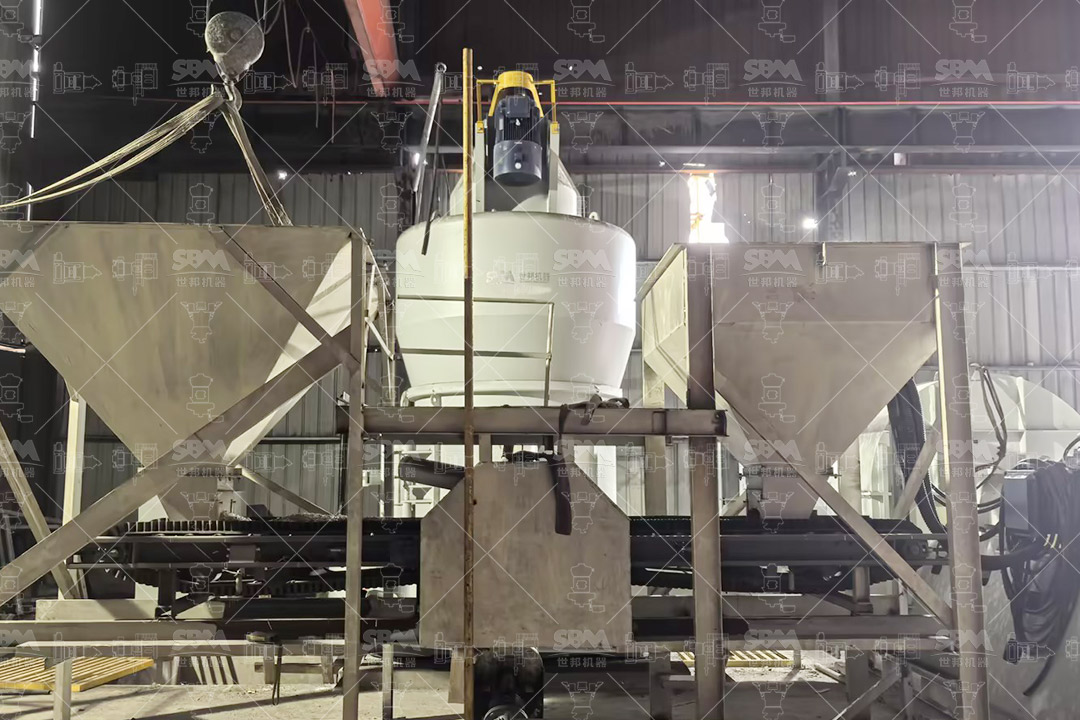
For operations requiring ultra-fine powders in the range of 325 to 2500 mesh (D97 ≤5μm), conventional grinding reaches its limits. This is where cutting-edge technology like our SCM Ultrafine Mill creates a decisive advantage. Moving beyond traditional pressure grinding, the SCM series employs a unique multi-layer grinding principle driven by a vertically oriented turbine classification system.
Its core technological advantages directly address efficiency and output challenges:
With models like the SCM1680 offering capacities up to 25 tons per hour, this technology enables scalable, efficient production of premium ultra-fine powders.
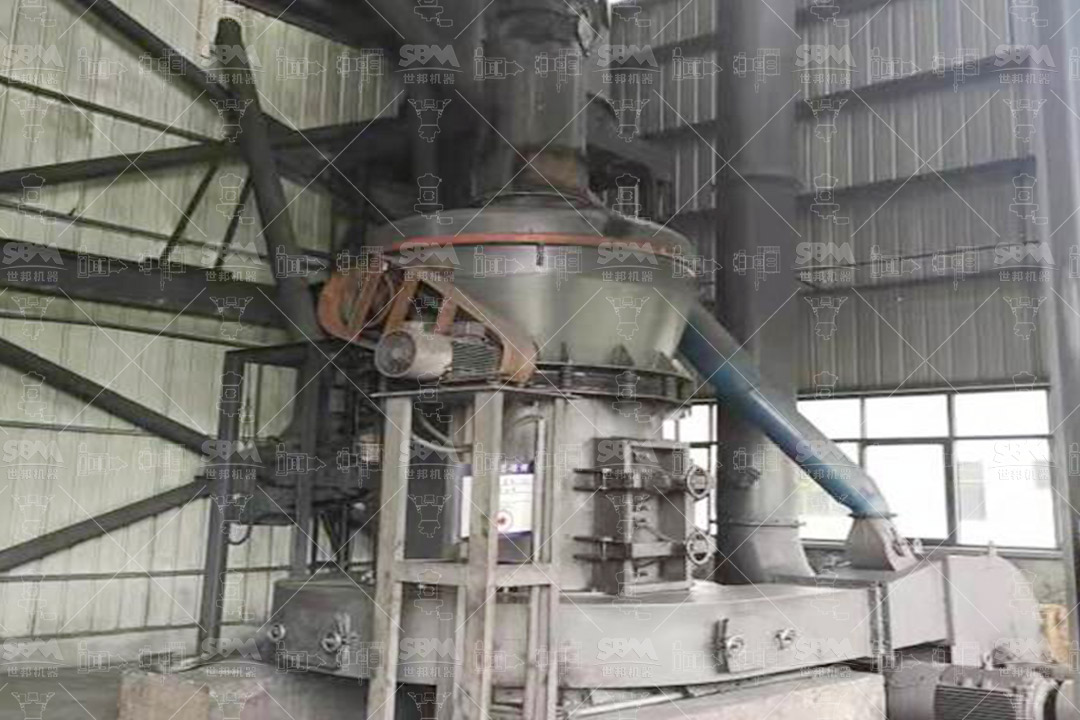
For high-volume processing of materials to medium fineness (30-325 mesh), reliability, energy efficiency, and ease of maintenance are paramount. Our MTW Series Trapezium Mill embodies innovation for large-scale production. It incorporates several patented features that collectively enhance output and reduce operational costs.
The adoption of advanced grinding media innovations has a profound impact beyond immediate throughput figures. The significant reduction in specific energy consumption (kWh/ton) directly lowers carbon footprint and operational expenses. Longer-lasting wear parts decrease raw material consumption for spare parts and reduce waste. Furthermore, the precision of modern classification systems minimizes over-grinding—a major source of energy waste—and produces more consistent product quality, reducing rejects and improving downstream process efficiency.
In today’s competitive and environmentally conscious industrial landscape, investing in advanced grinding technology is no longer optional but a strategic imperative. Innovations in grinding media and mill design, as demonstrated by solutions like the SCM Ultrafine Mill and the MTW Series Trapezium Mill, offer a clear pathway to simultaneously boost production output, enhance product quality, and dramatically improve energy efficiency. By embracing these technologies, producers can achieve a lower total cost of ownership, ensure regulatory compliance, and secure a sustainable competitive advantage for the future. The evolution from simple crushing to intelligent, system-optimized grinding represents one of the most impactful areas for operational improvement in modern material processing.