The processing of hard, abrasive minerals like bauxite presents a unique set of challenges for the mining and mineral processing industries. Bauxite, the primary ore of aluminum, is characterized by its variable hardness, high abrasiveness, and often complex mineralogy. Efficient grinding is a critical step in the Bayer process for alumina extraction, directly impacting production costs, energy consumption, and final product quality. This article delves into the seven major challenges encountered when grinding hard minerals such as bauxite and explores how modern milling technology provides effective solutions, with a particular focus on the application of advanced grinding equipment.
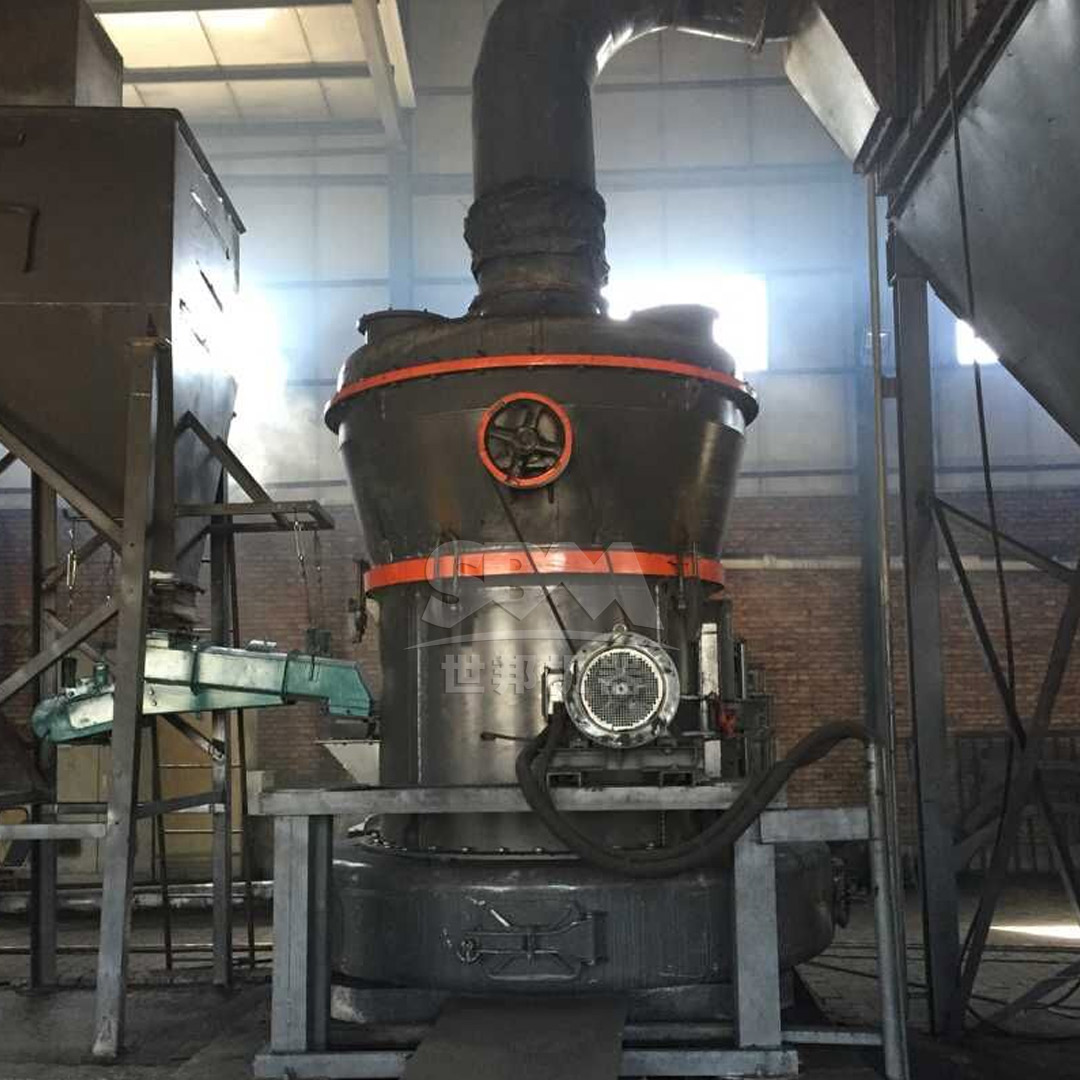
Traditional grinding circuits, particularly ball mills, are notorious for their high specific energy consumption. The grinding of hard bauxite requires significant power input, often constituting a major portion of the plant’s operational expenditure. Inefficient energy transfer, excessive heat generation, and over-grinding contribute to this problem. The key is to move from impact-dominated comminution to more efficient bed-compression grinding principles, which apply force directly to the particle bed, minimizing energy waste.
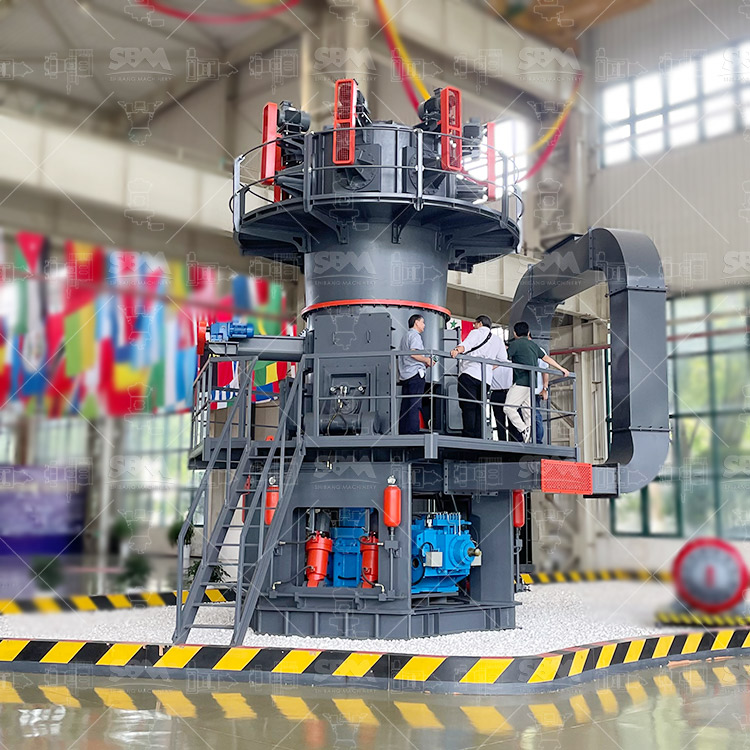
Modern vertical roller mills (VRMs) and advanced trapezium mills are engineered to address this challenge head-on. For instance, our LM Series Vertical Roller Mill is designed with a highly efficient grinding mechanism. Its integrated design combines crushing, grinding, drying, and classifying in a single unit, significantly reducing system energy losses. Compared to traditional ball mill systems, the LM series can achieve energy savings of 30-40%. The principle of material bed grinding, where rollers hydraulically press against a rotating grinding table, ensures that energy is used primarily for particle breakage rather than being dissipated as noise, heat, or wear.
The abrasive nature of minerals like bauxite leads to rapid wear of grinding media, liners, rollers, and tables. This not only increases maintenance costs and downtime for component replacement but also gradually degrades grinding performance as part geometries change. Frequent shutdowns for maintenance disrupt continuous production cycles, a critical factor in high-volume alumina refineries.
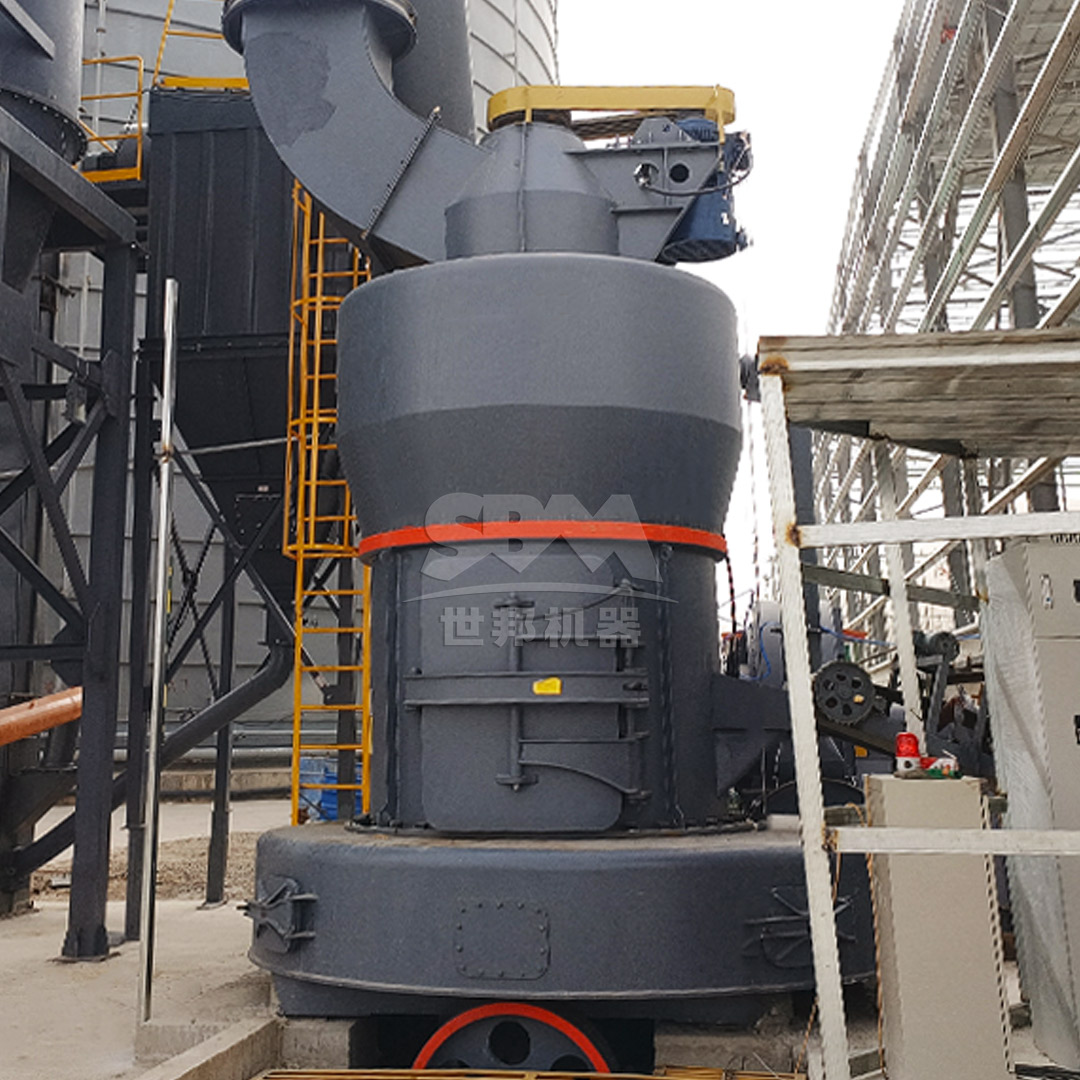
Overcoming this requires a dual approach: superior materials and intelligent design. Our grinding equipment incorporates specially formulated alloy steels and composite materials for high-wear components. The MTW Series Trapezium Mill, for example, features a curved air duct with high-strength wear plates and an innovative wear-resistant shovel design. The shovel utilizes a modular, replaceable blade system that dramatically lowers maintenance costs and extends service intervals. Furthermore, the磨辊 (grinding roller) and磨环 (grinding ring) are made from multi-element alloy castings, offering a service life several times longer than standard materials under bauxite grinding conditions.
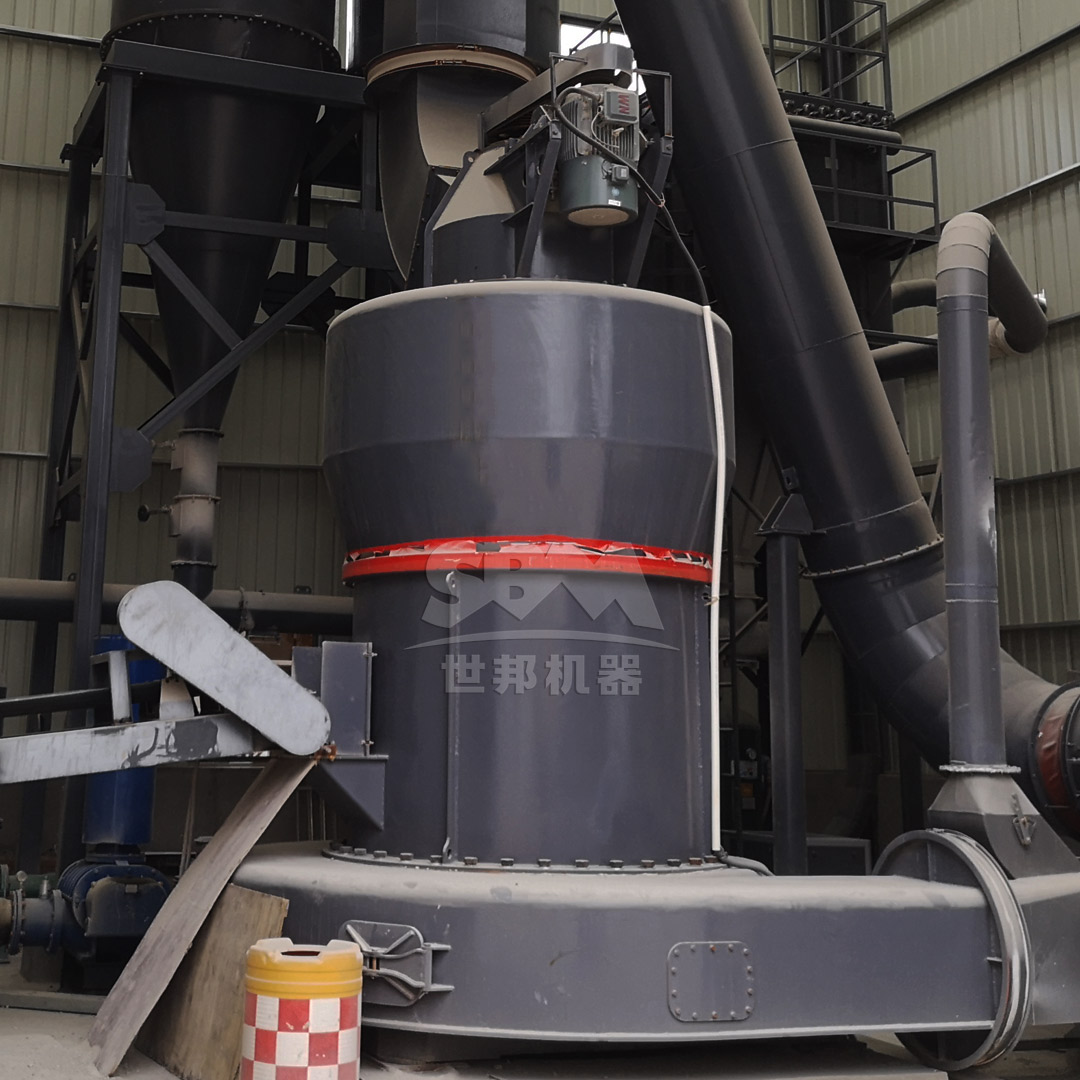
The Bayer process requires bauxite to be ground to a specific and consistent fineness to optimize the subsequent digestion efficiency. Inconsistent particle size distribution (PSD) can lead to poor alumina recovery, scaling in process vessels, and filtration issues. Traditional mills with static or inefficient classifiers struggle to maintain tight control over the top-size and fines content, especially when feed characteristics fluctuate.
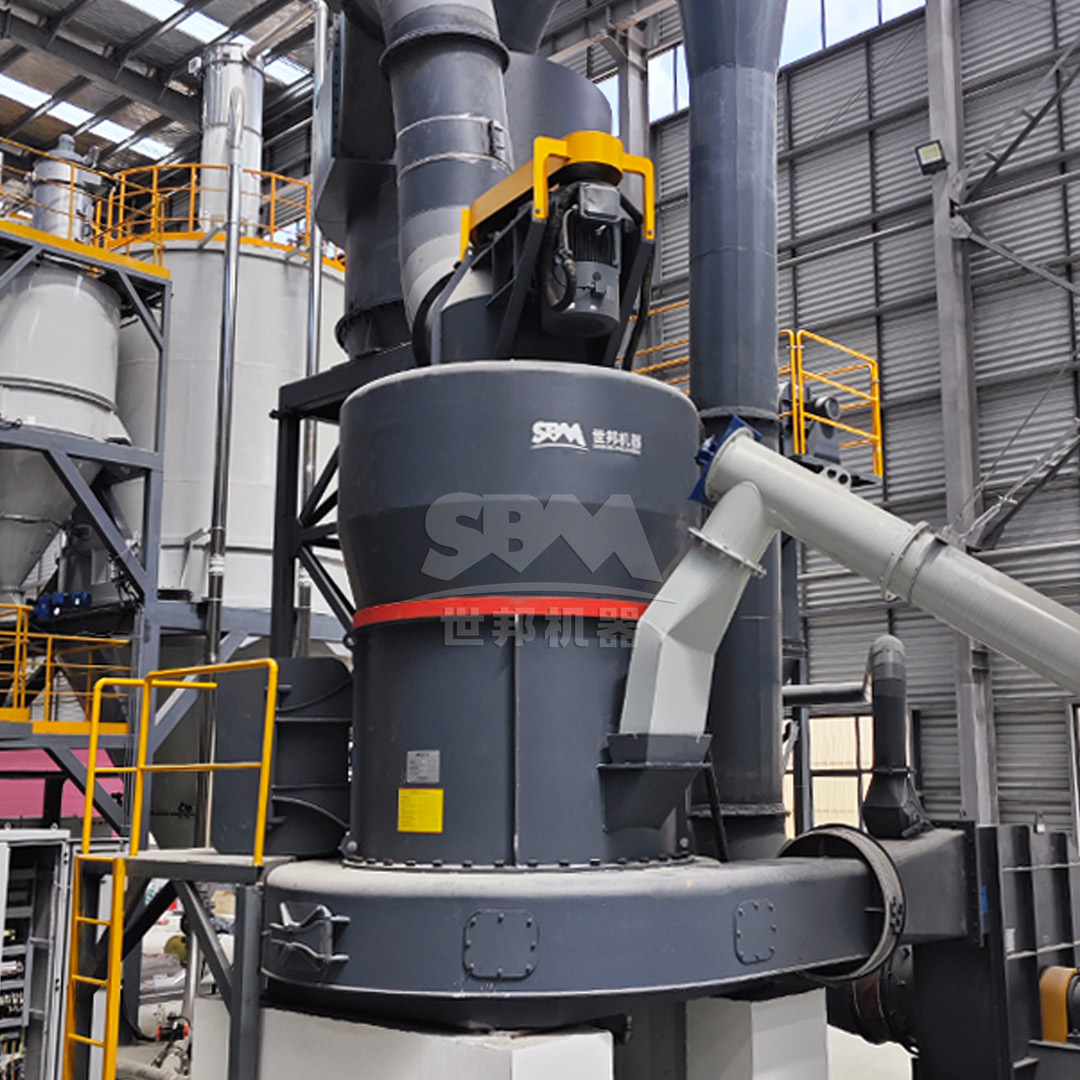
The answer lies in integrating an efficient grinding mechanism with a dynamic, high-precision classifier. Our SCM Ultrafine Mill excels in this regard. It is equipped with a vertical turbine classifier that allows for precise cut-point adjustment. This system ensures that only particles meeting the target fineness (adjustable from 325 to 2500 mesh) leave the grinding chamber, while coarse particles are efficiently returned for further size reduction. The result is a uniform product with a narrow PSD and no coarse particle contamination, which is crucial for downstream chemical processing.
Conventional multi-stage grinding circuits involving crushers, conveyors, and large ball mills require extensive plant space and significant civil engineering work. The capital investment for such infrastructure is substantial. For greenfield projects or plant expansions in space-constrained areas, this poses a major hurdle.
Modern mill designs prioritize space efficiency. The LM Series Vertical Roller Mill is a prime example of this集约化设计 (intensive design). By integrating multiple functions into a single, vertical structure, it can reduce the plant’s footprint by up to 50% compared to a ball mill system of equivalent capacity. Furthermore, its robust construction often allows for露天安装 (open-air installation), slashing building and foundation costs by approximately 40%. This makes it an economically attractive solution for both new installations and retrofit projects.
Grinding operations are traditionally associated with high noise levels and significant dust generation. These pose serious environmental and occupational health and safety risks. Controlling dust from abrasive bauxite is particularly challenging and essential to meet increasingly stringent environmental regulations and ensure a safe working environment.
State-of-the-art mills are designed as负压运行 (negative pressure operation) systems. The entire grinding zone is sealed, preventing dust escape. They are paired with high-efficiency pulse-jet baghouse dust collectors. Our equipment standard配置 (standard configuration) includes pulse除尘器 (dust collectors) with filtration efficiency exceeding international standards, ensuring emissions are kept well below 20 mg/m³. Additionally, features like sound insulation enclosures and damping systems ensure operational noise levels are controlled to ≤75-80 dB(A), creating a better workplace.
Older milling systems often require constant operator attention to monitor feed rates, product fineness, bearing temperatures, and lubrication systems. This manual intervention can lead to process variability and increased risk of human error, affecting overall system stability and product quality.
The integration of Programmable Logic Controller (PLC) systems and expert automatic control packages has revolutionized mill operation. Our advanced mills, such as the LM and MTW series, come with sophisticated control systems that allow for本地/远程切换 (local/remote switching). Key parameters like磨辊压力 (grinding roller pressure), classifier speed, fan flow, and bearing temperature are monitored in real-time. The system can automatically adjust operational settings to maintain target product fineness and throughput, minimizing the need for manual intervention and ensuring consistent, stable performance.
Beyond standard alumina-grade bauxite, there is growing demand for ultra-fine and high-purity bauxite powders for advanced ceramics, refractories, and other high-value applications. Producing these grades with a D97 below 10µm efficiently is extremely difficult with conventional technology, often requiring multiple processing stages with high energy intensity.
For these demanding applications, specialized equipment is required. Our SCM Ultrafine Mill is engineered specifically for this purpose. It utilizes a multi-layer grinding ring and roller system where material undergoes progressive, layered grinding. Combined with its high-precision涡轮分级器 (turbine classifier), it can reliably produce powders in the range of 325 to 2500 mesh (D97 ≤5µm). Remarkably, it achieves this with产能 (production capacity) twice that of traditional jet mills while reducing energy consumption by 30%, making the production of high-value ultrafine bauxite powders both technically feasible and economically viable.
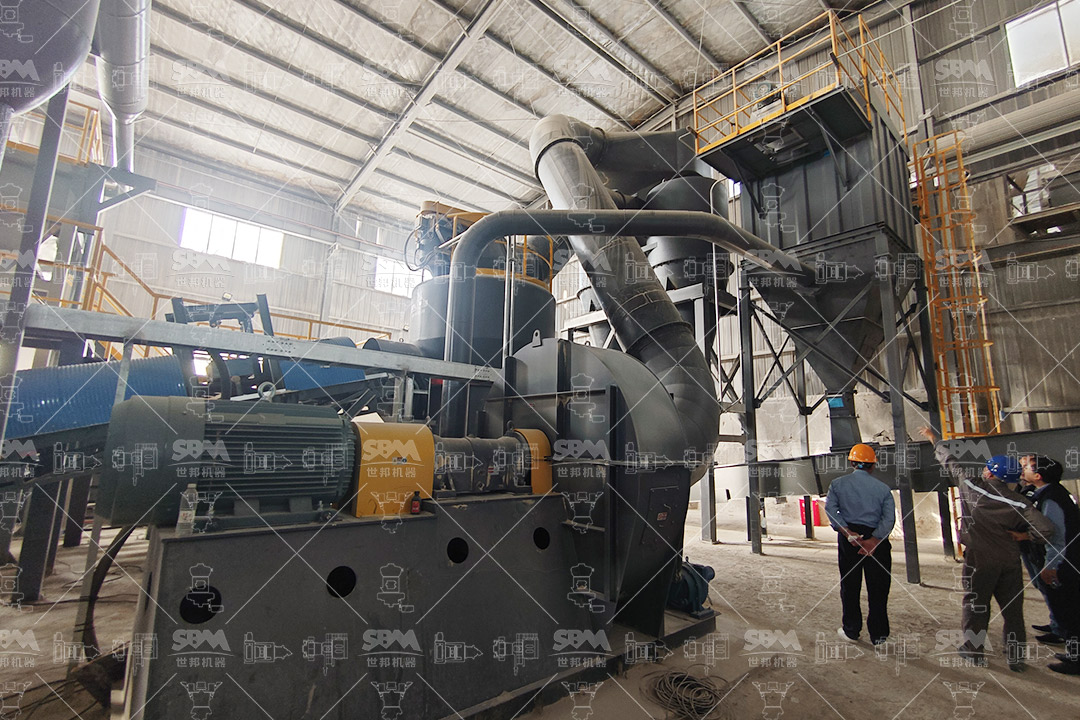
| Equipment Model | Key Application in Bauxite | Primary Advantage | Typical Output Fineness |
|---|---|---|---|
| LM Vertical Roller Mill | Primary grinding for Bayer process feed | High capacity, 30-40% energy saving, low footprint | 30-325 mesh (0.6-0.045mm) |
| SCM Ultrafine Mill | Production of high-value ultrafine bauxite powders | Precise classification down to 5µm, efficient operation | 325-2500 mesh (D97 ≤5µm) |
| MTW Trapezium Mill | Reliable mid-range grinding with low wear | Durable design, easy maintenance, stable output | 30-325 mesh (0.6-0.045mm) |
The journey from raw bauxite to a precisely ground feed for alumina extraction is fraught with technical challenges centered on efficiency, wear, product quality, and environmental compliance. Successfully overcoming these seven major challenges is no longer a matter of incremental improvements to old technology but requires the adoption of next-generation grinding solutions. Equipment like the LM Series Vertical Roller Mill for high-capacity, energy-efficient primary grinding and the SCM Ultrafine Mill for specialized, high-precision applications represent the forefront of this technological evolution. By leveraging such advanced, integrated, and intelligent milling systems, processors can significantly enhance the profitability, sustainability, and product flexibility of their bauxite and hard mineral operations, securing a competitive edge in the global market.