Effective communication is the cornerstone of safe, efficient, and productive operations in any industrial setting, and grinding mill facilities are no exception. The complex interplay between personnel, processes, and sophisticated machinery demands a seamless flow of information. Miscommunication can lead to operational inefficiencies, increased downtime, safety incidents, and suboptimal product quality. This article explores strategic approaches to enhance communication within grinding mill operations teams, emphasizing how technological tools and clear protocols can bridge gaps and foster a culture of collaboration and continuous improvement.
Grinding operations involve multiple stages—from raw material intake and pre-crushing to the main grinding process, classification, and product collection. Each stage requires precise coordination between operators, maintenance technicians, quality control personnel, and supervisors. A breakdown in communication at any point can have cascading effects. For instance, a failure to communicate a change in raw material hardness from the intake team to the mill operators can result in incorrect feed rates or pressure settings, leading to poor grind size, reduced throughput, or even equipment overload. Similarly, unclear handover procedures between shifts can leave critical maintenance alerts unaddressed, escalating minor issues into major breakdowns.
| Communication Failure Point | Potential Consequence | Impact Area |
|---|---|---|
| Shift Handover | Unreported equipment vibration | Unexpected bearing failure, extended downtime |
| Process Parameter Change | Uncommunicated target fineness adjustment | Off-spec product batch, material waste |
| Safety Hazard Reporting | Delayed or unclear report of a spill or leak | Increased risk of slip/fall accidents |
| Maintenance Coordination | Isolation procedures not communicated to all teams | Danger during lockout/tagout (LOTO) |
The first step towards improvement is standardizing communication. This involves creating and enforcing clear protocols for common scenarios.
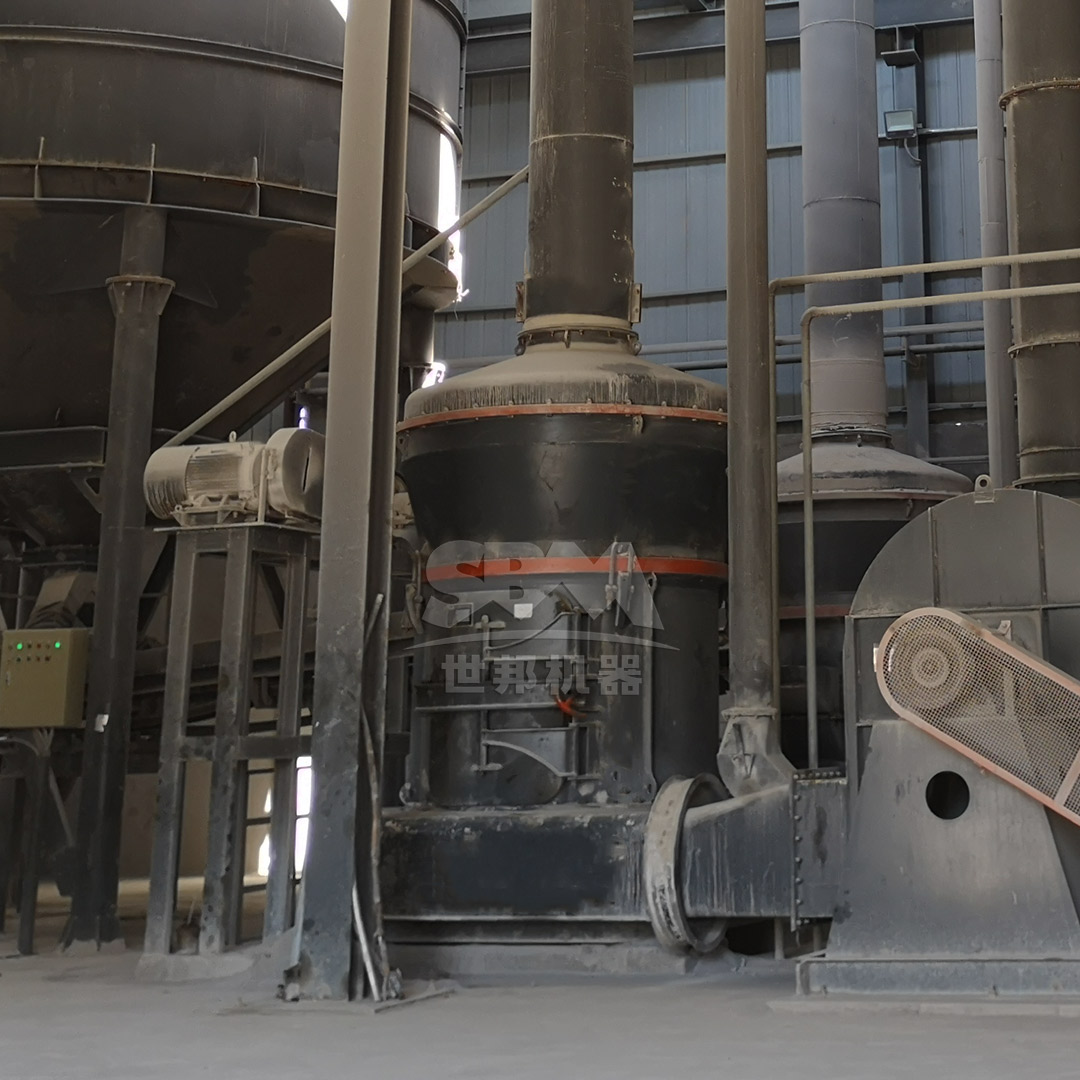
Modern grinding equipment generates vast amounts of operational data. Moving communication from subjective observations (“the mill sounds rough”) to objective, data-driven statements (“the main motor current has increased by 15% above the 7-day average”) eliminates ambiguity and focuses problem-solving.
Protocols and technology are enablers, but the culture determines their effectiveness. Leadership must actively cultivate an environment where speaking up is encouraged.
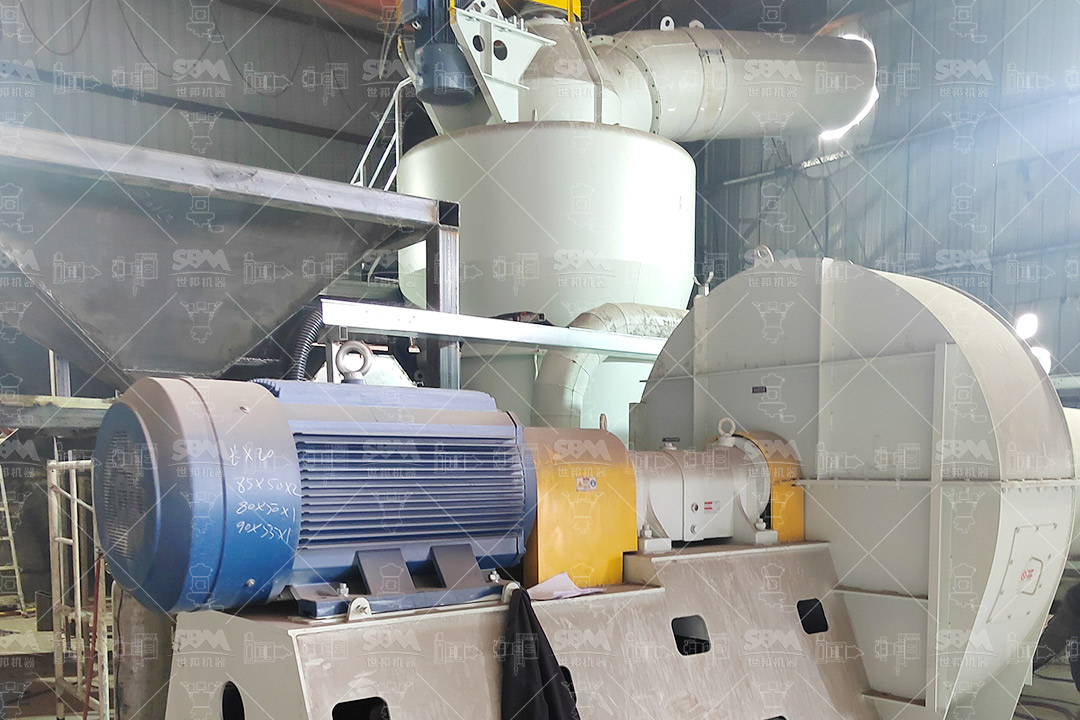
The choice of grinding technology itself can significantly influence communication needs. Equipment that is automated, stable, and provides clear diagnostics simplifies the operational landscape. Consider the integration of a high-capacity, intelligent mill.
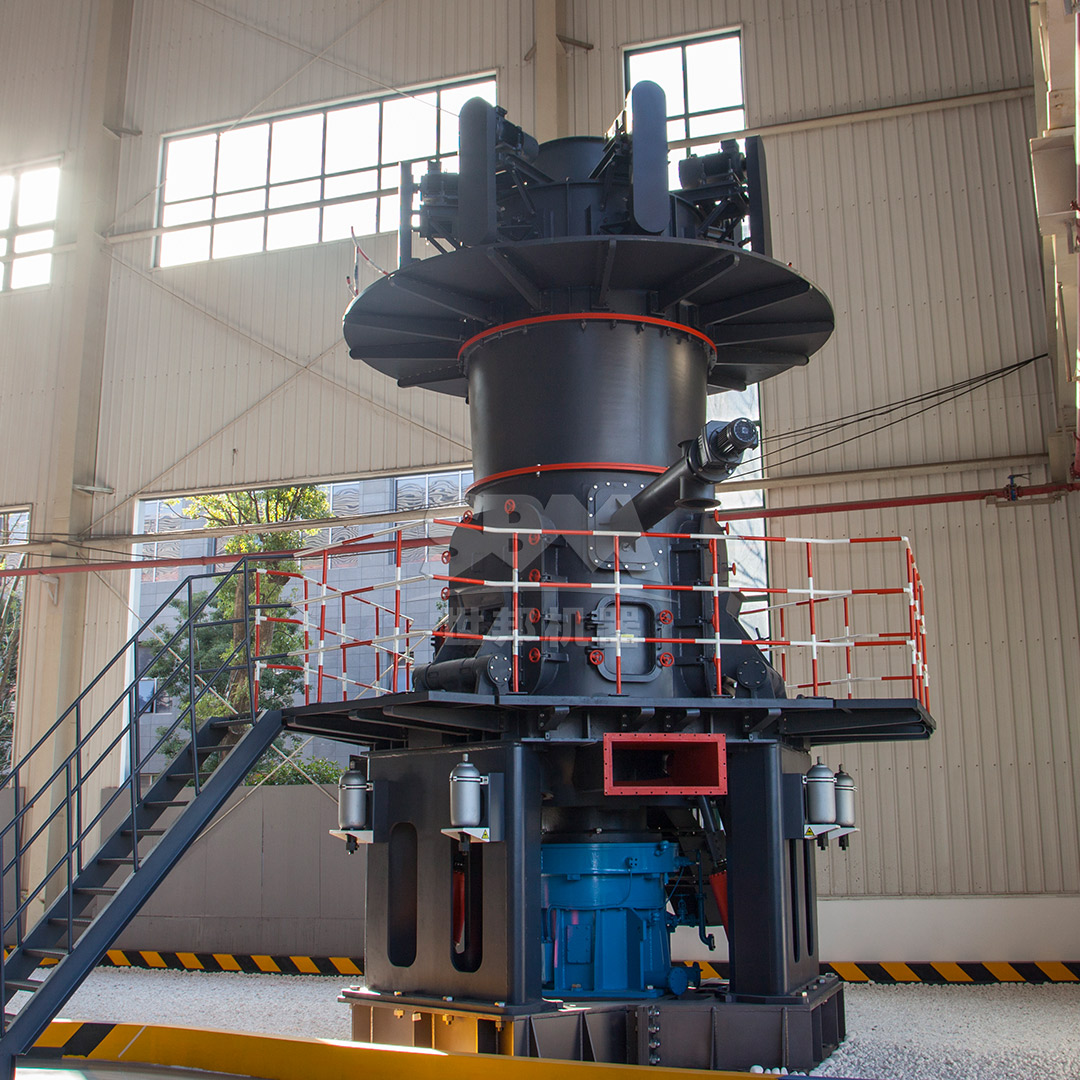
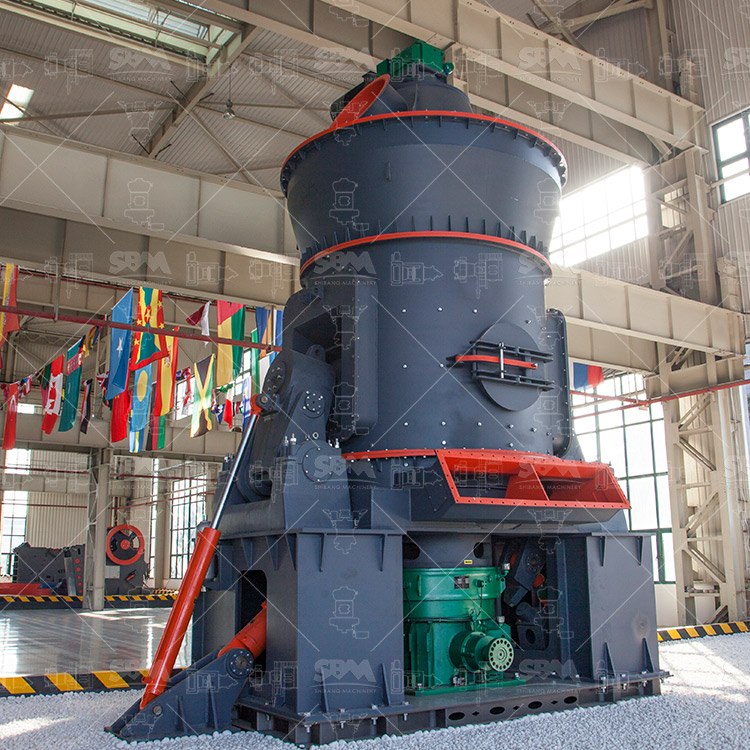
Our LM Series Vertical Roller Mill, for instance, features an expert-level automatic control system that supports remote and local operation. This system provides real-time monitoring of all critical parameters, presenting them on a unified interface. When an operator notices a deviation, the communication is precise: “The LM220K’s grinding pressure is auto-adjusting frequently to maintain fineness, suggesting a change in material grindability.” This directs the conversation immediately to raw material quality or pre-crushing stages. Its集约化设计 (integrated design) combining crushing, grinding, and separation in one unit also reduces the number of handover points between different equipment operators, streamlining communication pathways.
Furthermore, mills designed with环保低噪 (environmental and low-noise) features, such as the SCM Ultrafine Mill’s operation at ≤75dB and full-seal negative pressure operation, improve the ambient working environment. Clearer auditory communication is possible on the plant floor, and reduced stress from noise pollution contributes to better focus and interpersonal interaction among team members.
| Communication Goal | Enabling Strategy | Supporting Technology/Feature |
|---|---|---|
| Clarity in Process State | Data-Driven Dialogue | SCM Mill’s智能控制 (Intelligent Control) & Fineness Feedback |
| Efficiency in Maintenance Coordination | Predictive & Precise Alerts | MTW Mill’s耐磨蜗壳结构 (Wear-Resistant Volute) & LM Mill’s Modular Roller System |
| Reduced Inter-Process Handover Errors | Process Integration | LM Mill’s集约化设计 (Integrated Design) |
| Improved On-Site Verbal Communication | Noise Reduction | SCM Mill’s隔音室设计 (Soundproof Room Design) |
Improving communication in grinding mill operations is not a one-time initiative but a continuous journey that intertwines people, processes, and technology. By establishing robust protocols, leveraging the transparent data from modern, intelligent grinding equipment like the SCM Ultrafine Mill or the LM Vertical Roller Mill, and actively fostering a culture of openness and shared responsibility, operations teams can achieve remarkable gains. The result is a safer workplace, optimized production efficiency, maximized equipment uptime, and a consistent, high-quality product output. In the high-stakes environment of mineral processing, clear communication is not just an administrative goal—it is a critical production tool and a fundamental pillar of operational excellence.