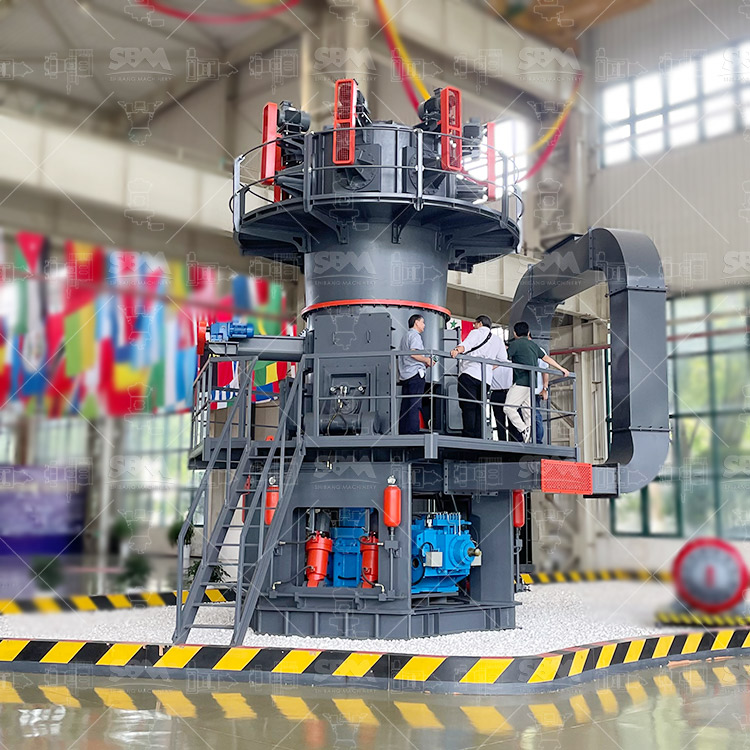
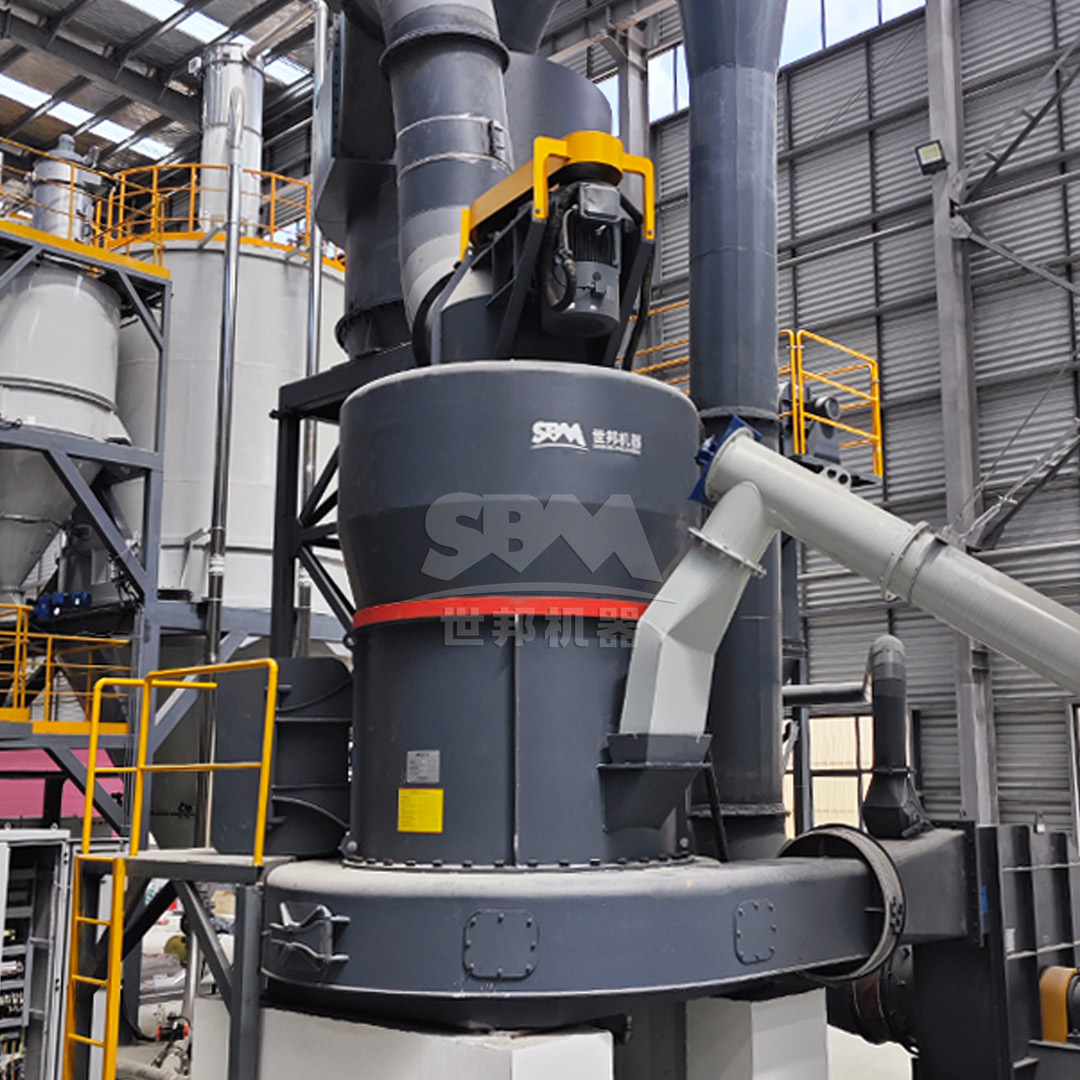
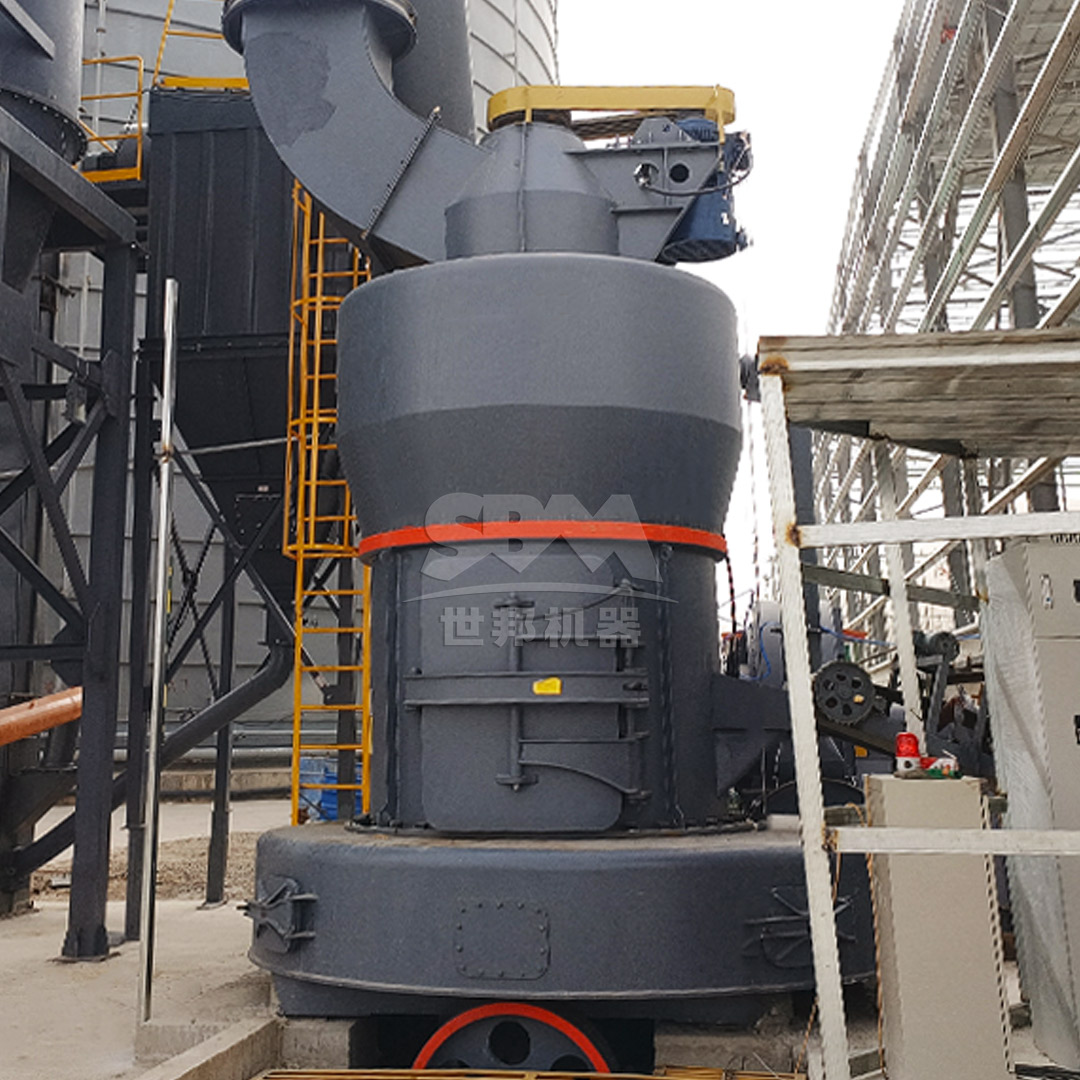
For decades, the operation of grinding mills in mining, construction, and industrial processing has been associated with significant safety hazards. Operators faced risks from high noise levels, excessive dust exposure, mechanical failures, and the inherent dangers of maintaining large, complex machinery. However, the integration of modern technologies is fundamentally transforming this landscape, shifting the paradigm from reactive protection to proactive prevention. Today’s advanced milling equipment is not only more efficient and productive but is also engineered with operator safety as a core design principle. This article explores the key technological advancements that are making grinding mills safer, more reliable, and more environmentally friendly workplaces.
Historically, the deafening roar of grinding machinery and the pervasive clouds of dust were unavoidable occupational hazards. Prolonged exposure to noise above 85 dB(A) can lead to permanent hearing loss, while respirable dust, especially silica dust, is a known cause of severe respiratory diseases like silicosis.
Modern mills combat these threats through integrated engineering solutions. Advanced acoustic enclosures and damping materials are now standard, designed to absorb and isolate sound at the source rather than merely providing personal protective equipment (PPE). For instance, innovative隔音室设计 (soundproof chamber designs) can reduce operational noise to levels below 75 dB(A), well within safer limits for extended exposure.
Dust control has seen even more dramatic improvements. The era of simple bag filters is giving way to sophisticated, automated pulse-jet dust collection systems. These systems operate under negative pressure, ensuring that any potential leak draws air inward, preventing dust escape. With filtration efficiencies exceeding 99.9%, they maintain dust emissions at concentrations far below international standards, often less than 20 mg/m³. This holistic approach to environmental control directly protects operator health by creating a cleaner, quieter operational environment.
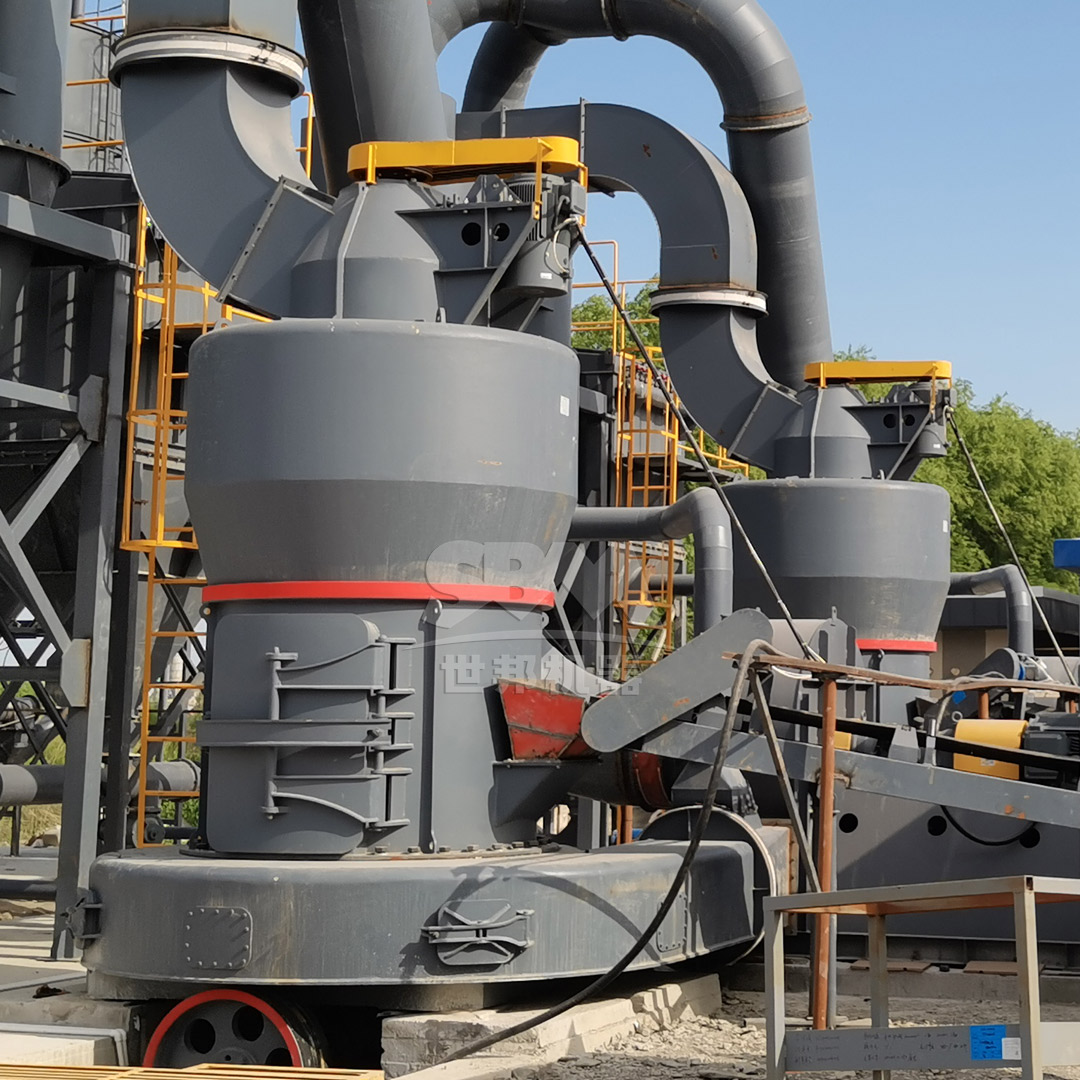
Perhaps the most significant leap in operator safety comes from the digitalization of mill operations. The integration of Industrial Internet of Things (IIoT) sensors, Programmable Logic Controllers (PLCs), and Supervisory Control and Data Acquisition (SCADA) systems has enabled a shift from schedule-based to condition-based maintenance.
Critical parameters such as bearing temperature, vibration amplitude, motor current, lubrication pressure, and gear mesh alignment are now monitored in real-time. AI-driven algorithms analyze this data stream to detect anomalies that precede mechanical failures. For example, a gradual increase in vibration frequency might indicate imbalanced grinding rollers or worn bearings. The system can alert operators long before a catastrophic failure occurs, allowing for planned, safe shutdowns and maintenance during non-peak hours.
This predictive capability eliminates the need for operators to perform risky visual or auditory checks on running equipment and prevents dangerous situations like sudden bearing seizures or structural cracks. Remote monitoring capabilities further allow experts to diagnose issues from a control room, minimizing the time personnel must spend in close proximity to heavy machinery.
Safety is also engineered into the very mechanics of next-generation grinding mills. Innovations focus on stability, durability, and simplifying maintenance procedures—activities that traditionally carried high injury risks.
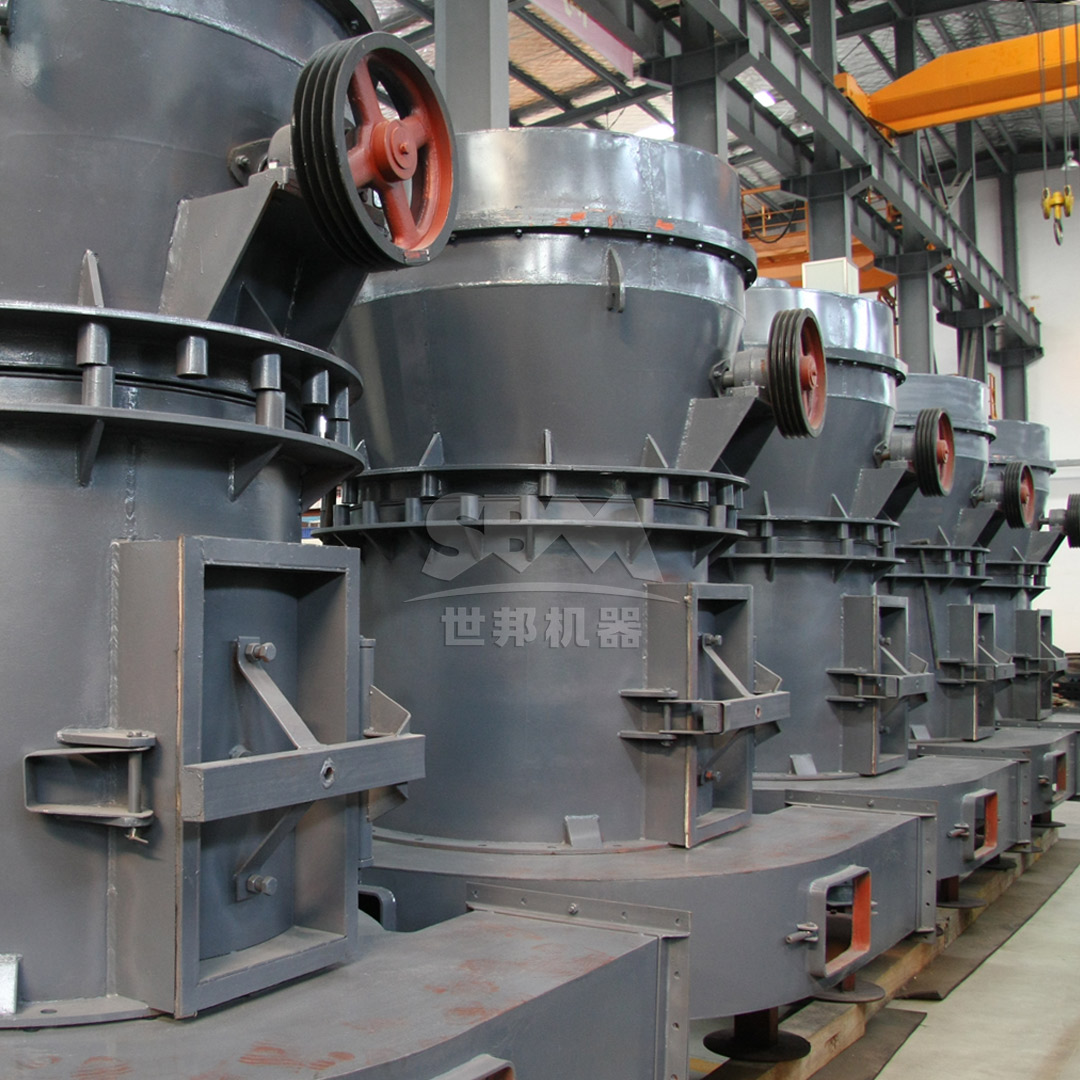
The convergence of these safety technologies is best illustrated in contemporary mill product lines. Two exemplary models that embody these principles are the SCM Series Ultrafine Mill and the LM Series Vertical Roller Mill.
The SCM Ultrafine Mill is a paradigm of safe, precision grinding for fine and ultra-fine powders (325-2500 mesh). Its safety features are integral to its design:
| Model | Capacity (ton/h) | Main Motor Power | Key Safety Feature |
|---|---|---|---|
| SCM800 | 0.5 – 4.5 | 75 kW | Fully enclosed, low-noise design |
| SCM1250 | 2.5 – 14 | 185 kW | Advanced pulse dust collector |
| SCM1680 | 5.0 – 25 | 315 kW | 智能控制 (Smart control) for stable operation |
For larger-scale raw material grinding (30-325 mesh), the LM Vertical Roller Mill offers a comprehensive safety package through集约化设计 (integrated design):
The safety journey continues toward full automation and remote operation. The future mill site may feature:
These technologies promise to further decouple human operators from hazardous environments, transforming their role into one of supervision, data analysis, and system optimization from the safety of a control center.
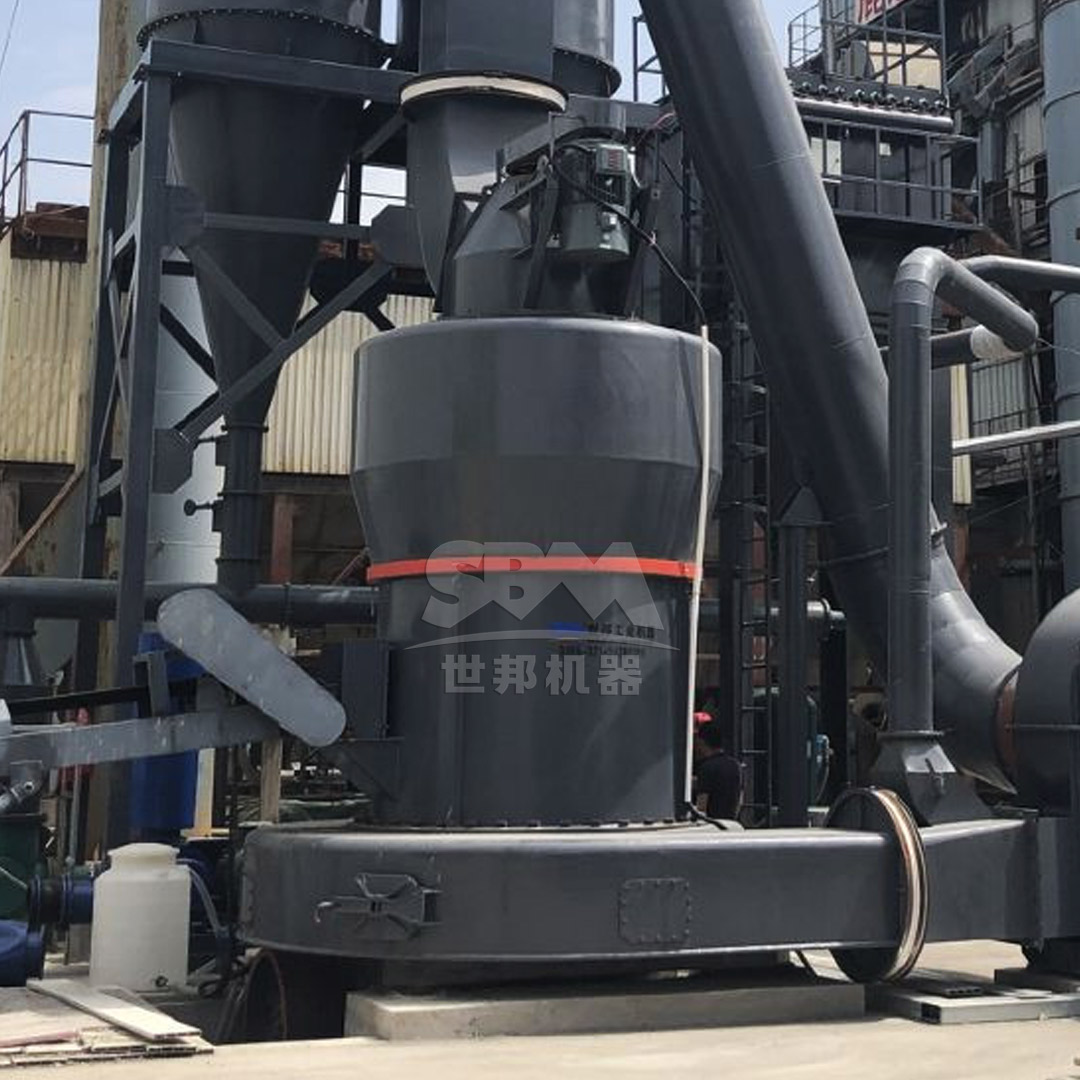
The integration of noise and dust suppression, intelligent monitoring, and robust mechanical design is not merely a regulatory compliance exercise; it represents a fundamental re-engineering of grinding mills around human well-being. Safer mills lead to more confident and focused operators, reduced downtime from accidents and unexpected failures, and lower long-term health liabilities. As exemplified by advanced mills like the SCM Ultrafine Mill and LM Vertical Roller Mill, the pursuit of operational safety goes hand-in-hand with achieving higher efficiency, better product quality, and superior environmental performance. In the modern industrial era, the safest mill is also the most productive and sustainable one, proving that the well-being of the operator is the ultimate foundation of operational excellence.