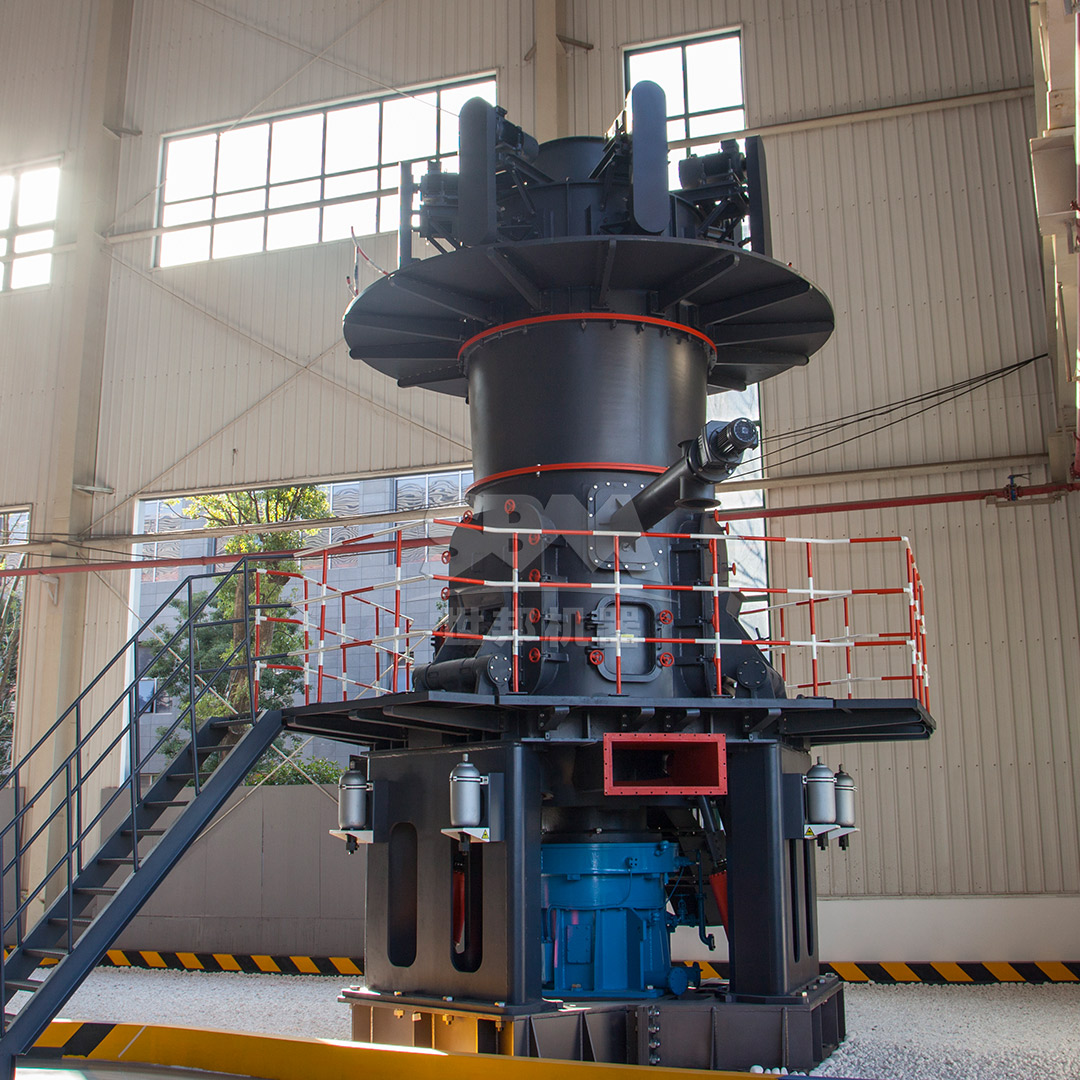
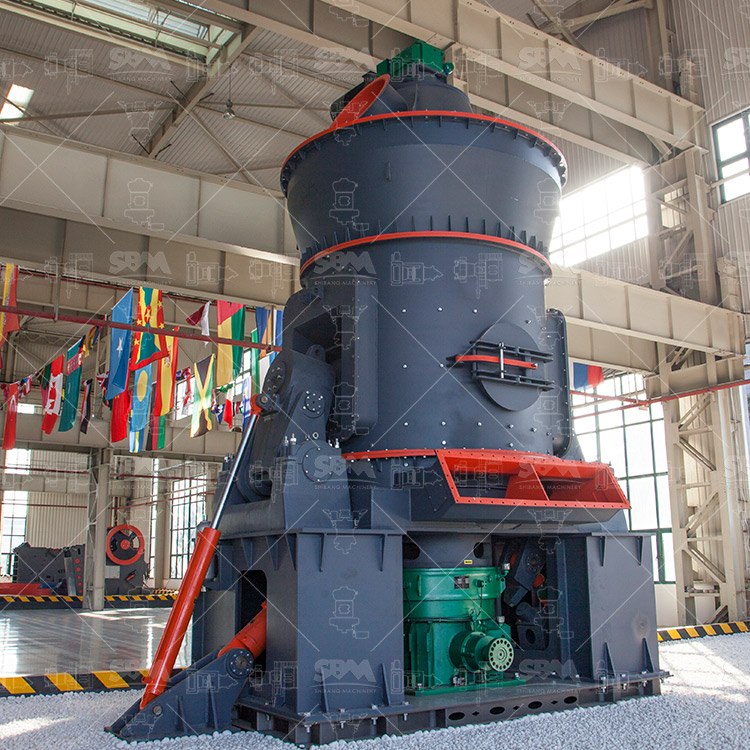
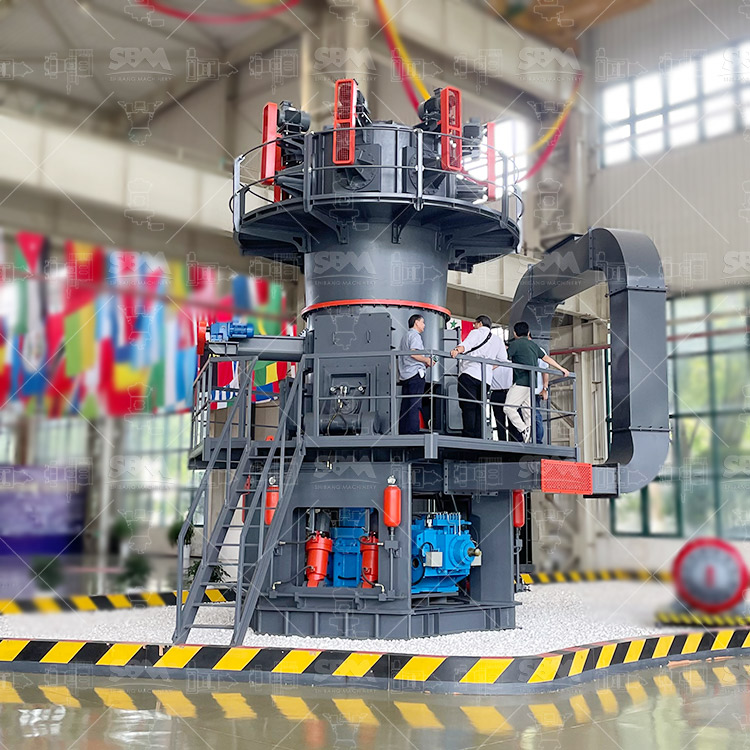
The grinding mill is a cornerstone of modern industrial processing, pivotal in transforming raw materials into fine powders for applications ranging from construction and mining to pharmaceuticals and advanced materials. However, achieving and maintaining optimal efficiency in these operations is a complex challenge, often hindered by factors such as inconsistent feed material, mechanical wear, energy consumption, and product quality control. In today’s data-driven era, digital tools offer unprecedented opportunities to overcome these hurdles. By integrating advanced monitoring, control, and analytical systems, operators can transition from reactive maintenance and manual adjustments to proactive, intelligent, and highly efficient mill management. This article explores key digital strategies and technologies that can revolutionize grinding mill performance.
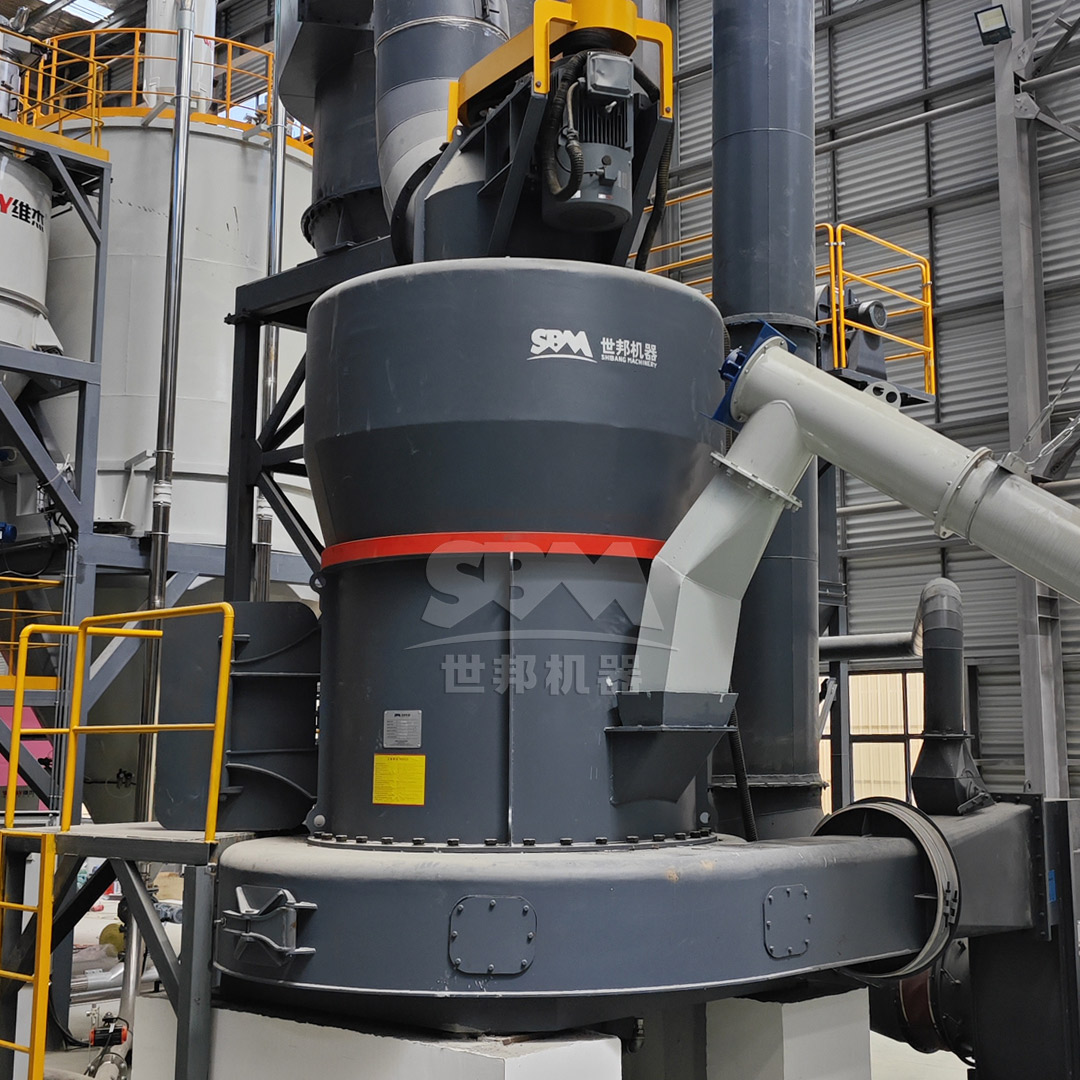
The foundation of any digital efficiency improvement is robust, real-time data. Modern sensors and Industrial Internet of Things (IIoT) devices can be deployed throughout the grinding circuit to capture a comprehensive operational picture.
Continuous data streaming from these sensors to a central platform enables operators to detect anomalies instantly, such as a rising bearing temperature indicating impending failure or a shift in PSD signaling a need for classifier adjustment.
Moving beyond basic PID loops, Advanced Process Control systems use algorithms and models to optimize multiple variables simultaneously. For grinding mills, APC can stabilize operations and push them towards their most efficient operating point.
These automated controls reduce human error, free up operator time for higher-level tasks, and ensure the mill consistently operates at its design efficiency.
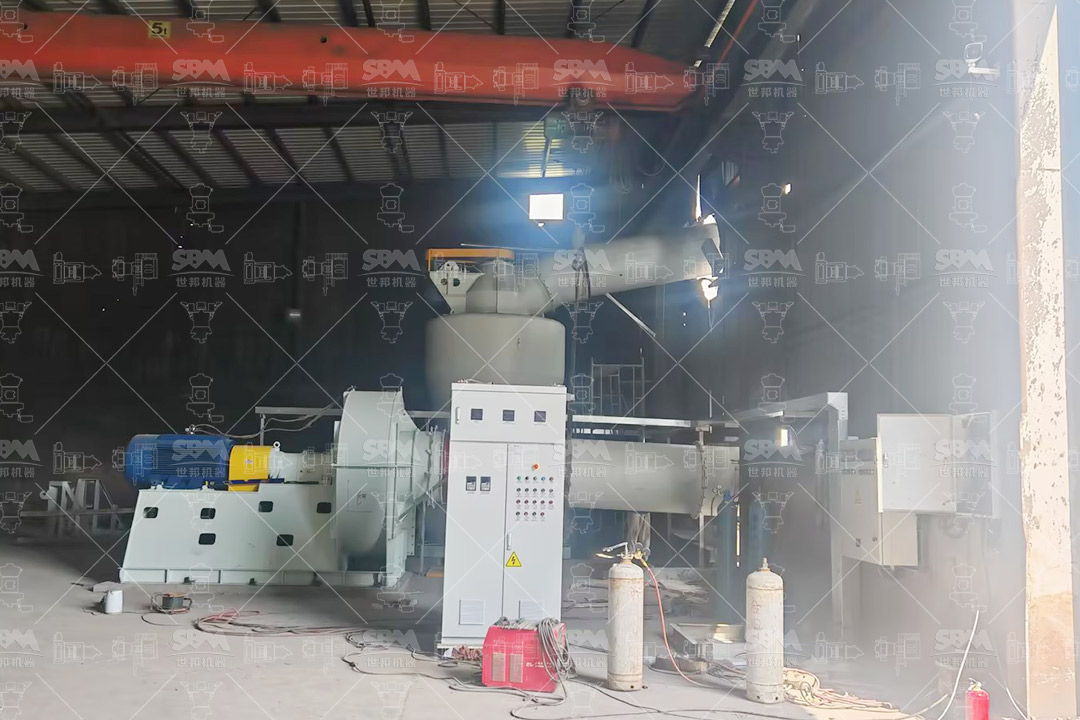
Unplanned downtime is a major efficiency killer. Predictive maintenance uses data analytics and machine learning to forecast equipment failures before they occur.
By scheduling maintenance based on actual equipment condition rather than fixed intervals, plants can extend component life, reduce spare parts inventory, and avoid catastrophic failures.
The full potential of digital tools is realized when they are integrated with grinding equipment engineered for intelligence and efficiency. Modern mills are increasingly designed with built-in sensor ports, compatible control architectures, and features that amplify the benefits of digital monitoring.
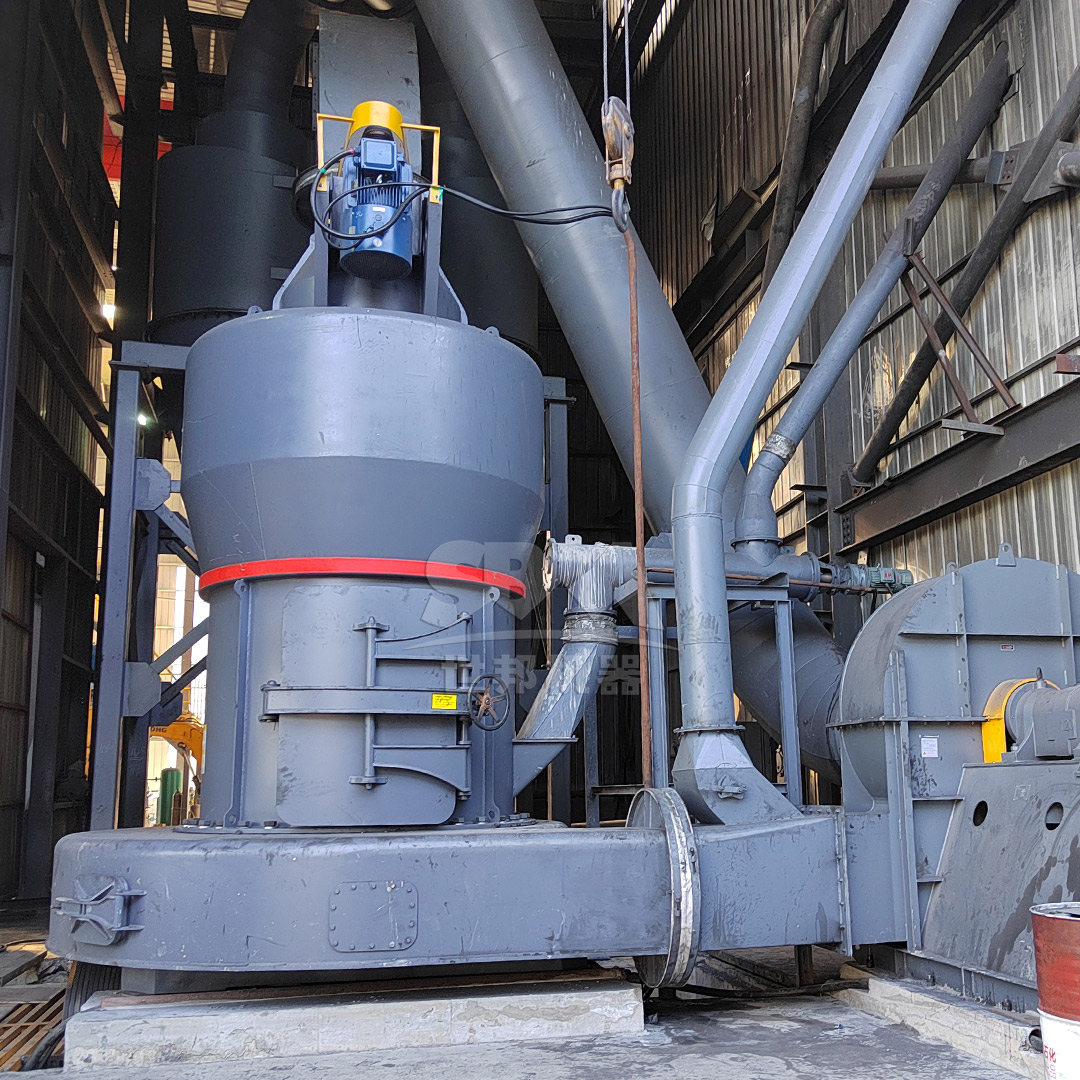
A prime example of such synergy is our SCM Series Ultrafine Mill. This mill is engineered not just for superior mechanical performance but also for seamless integration into a digital plant environment.
For operations requiring high-capacity grinding of materials to a slightly coarser range, our MTW Series Trapezium Mill also offers excellent digital integration points. Its high-efficiency curved air duct and integrated cone gear transmission (98% efficiency) provide a highly efficient and measurable process. Digital tools can monitor its power consumption and output to fine-tune the grinding pressure and classifier settings, maximizing the throughput which can reach up to 45 tons per hour in larger models like the MTW215G.
| Digital Tool | Primary Function | Benefit for Grinding Mill Operations |
|---|---|---|
| IIoT Sensors | Real-time data acquisition (temp, vibration, PSD) | Provides the foundational data for all optimization and diagnostics. |
| Advanced Process Control (APC) | Multi-variable optimization and automation | Stabilizes operations, optimizes product quality, and reduces energy use. |
| Predictive Analytics | Failure forecasting based on data trends | Minimizes unplanned downtime and enables condition-based maintenance. |
| Digital Twin | Virtual simulation of the physical mill | Allows for safe testing of scenarios, performance prediction, and advanced planning. |
Collecting data is only the first step; deriving actionable insights is the goal. Centralized data platforms with analytics capabilities can correlate information from different sources.
Interactive dashboards visualize these KPIs in real-time, giving managers and operators a single pane of glass to view plant performance, track trends, and receive alerts.
The journey towards peak grinding mill efficiency is no longer solely dependent on mechanical innovation but is increasingly powered by digital intelligence. By implementing a layered strategy of real-time monitoring, advanced control, predictive maintenance, and deep analytics, operations can achieve remarkable gains in throughput, product consistency, energy savings, and equipment reliability. The choice of grinding equipment is crucial in this digital transformation. Mills designed with precision, stability, and efficiency at their core, such as our SCM Ultrafine Mill and MTW Series Trapezium Mill, provide the ideal physical platform upon which these digital tools can build, unlocking new levels of operational excellence and profitability for the modern processing plant.