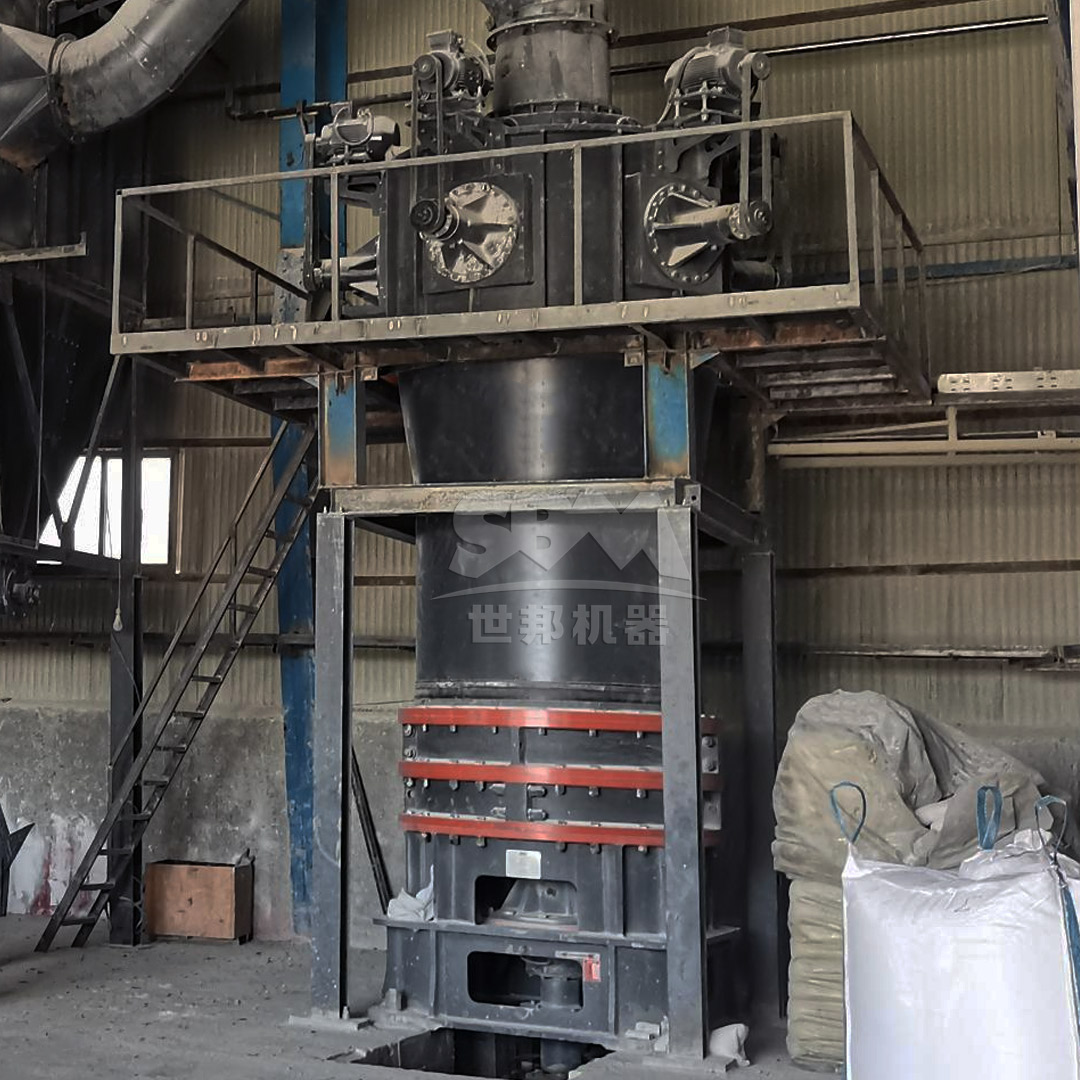
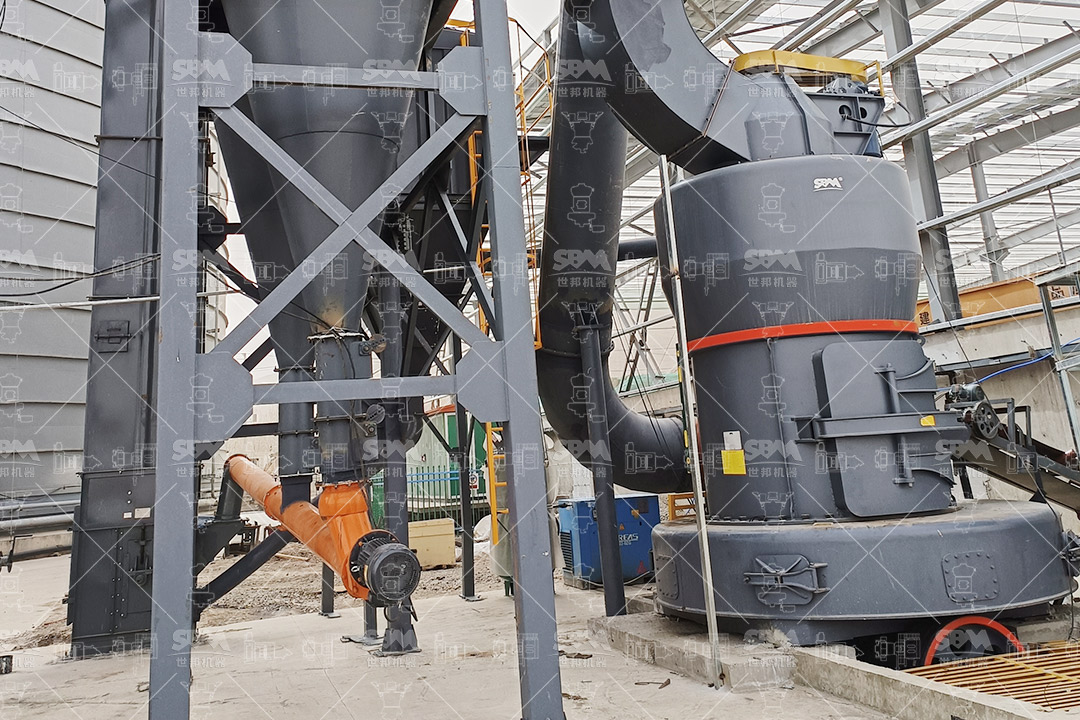
The mineral processing and powder production industries are undergoing a profound transformation, driven by the relentless pursuit of operational excellence. At the heart of this evolution lies the integration of advanced process automation into grinding mill systems. Moving beyond simple mechanization, modern automation encompasses intelligent control, real-time monitoring, and data-driven optimization, fundamentally reshaping how mills operate. This article explores the critical role of automation in enhancing efficiency, ensuring product consistency, and reducing operational costs, while highlighting how cutting-edge equipment is designed to leverage these technological advancements.
Traditional grinding operations often relied on manual adjustments based on periodic sampling and operator experience. This approach was inherently reactive, leading to fluctuations in product fineness, energy waste during sub-optimal loads, and potential equipment stress. Modern process automation introduces a proactive paradigm. By employing a network of sensors—measuring parameters like motor amperage, mill vibration, bearing temperature, airflow, and pressure differential—the system builds a real-time digital twin of the grinding process. Sophisticated algorithms, often based on PLC (Programmable Logic Controller) or DCS (Distributed Control System) platforms, analyze this data stream to make instantaneous adjustments. For instance, the feed rate can be modulated to maintain optimal grinding bed density, or the classifier speed can be fine-tuned to correct a drift in product particle size distribution, all without human intervention.
| Automation Feature | Traditional Mill Impact | Modern Automated Mill Impact |
|---|---|---|
| Feed Rate Control | Manual, inconsistent, risk of mill overload or starvation. | Continuous, optimal, maintains steady grinding pressure. |
| Product Fineness Adjustment | Lagging, based on offline lab results. | Real-time, via classifier speed/airflow control. |
| Energy Consumption | Highly variable, often inefficient. | Optimized, with power draw maintained at target efficiency. |
| Consistency (Batch-to-Batch) | Prone to variation. | Exceptionally high and repeatable. |
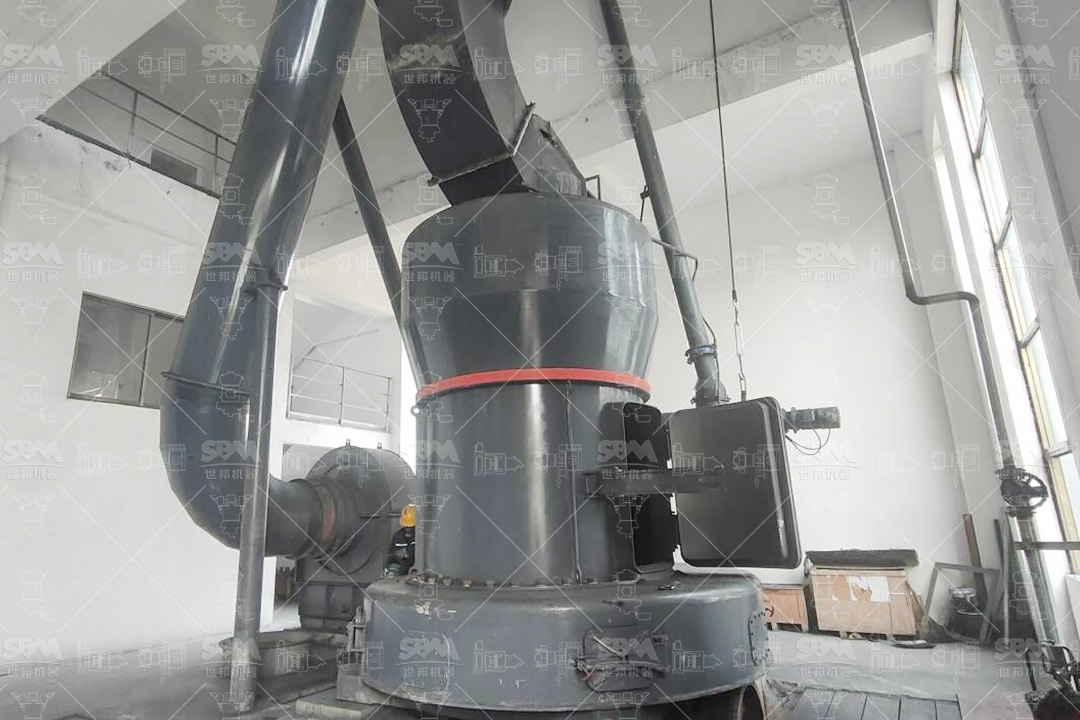
The implementation of comprehensive automation delivers tangible benefits across the entire operation.
Enhanced Grinding Efficiency: Automation ensures the mill operates continuously at its design point—the so-called “sweet spot” where specific energy consumption (kWh/ton) is minimized. By preventing over-grinding and ensuring the grinding elements are always working on an optimal amount of material, energy savings of 15-30% are commonly achieved compared to manually controlled operations. Furthermore, automated start-up and shutdown sequences protect the equipment from thermal and mechanical stress, extending the lifespan of critical wear parts like rollers and liners.
Unparalleled Product Consistency: In industries where product performance is directly linked to particle size and distribution—such as paints, coatings, pharmaceuticals, and advanced ceramics—consistency is paramount. Automated systems with closed-loop control on fineness parameters can hold tight tolerances (e.g., D97) for extended periods. This eliminates off-spec product, reduces quality control costs, and enhances customer satisfaction.
Reduced Operational Costs and Downtime: Predictive maintenance, enabled by continuous condition monitoring, is a cornerstone of modern automation. By tracking vibration spectra, lubrication quality, and temperature trends, the system can forecast potential failures like bearing wear or imbalance before they cause unplanned downtime. Maintenance becomes scheduled and strategic. Additionally, automation reduces the reliance on highly skilled operators for routine control, allowing personnel to focus on supervision, optimization, and exception handling.
Sustainability and Safety: Optimized energy use directly reduces the carbon footprint of the grinding process. Automated dust collection systems, integrated with mill pressure controls, ensure emissions remain well below regulatory limits. Furthermore, remote monitoring and control capabilities minimize personnel exposure to noisy or dusty mill areas, enhancing workplace safety.
True process automation is most effective when the grinding equipment itself is designed with intelligent control in mind. Modern mills are engineered not just as mechanical devices, but as integrated systems with built-in points for measurement and adjustment.
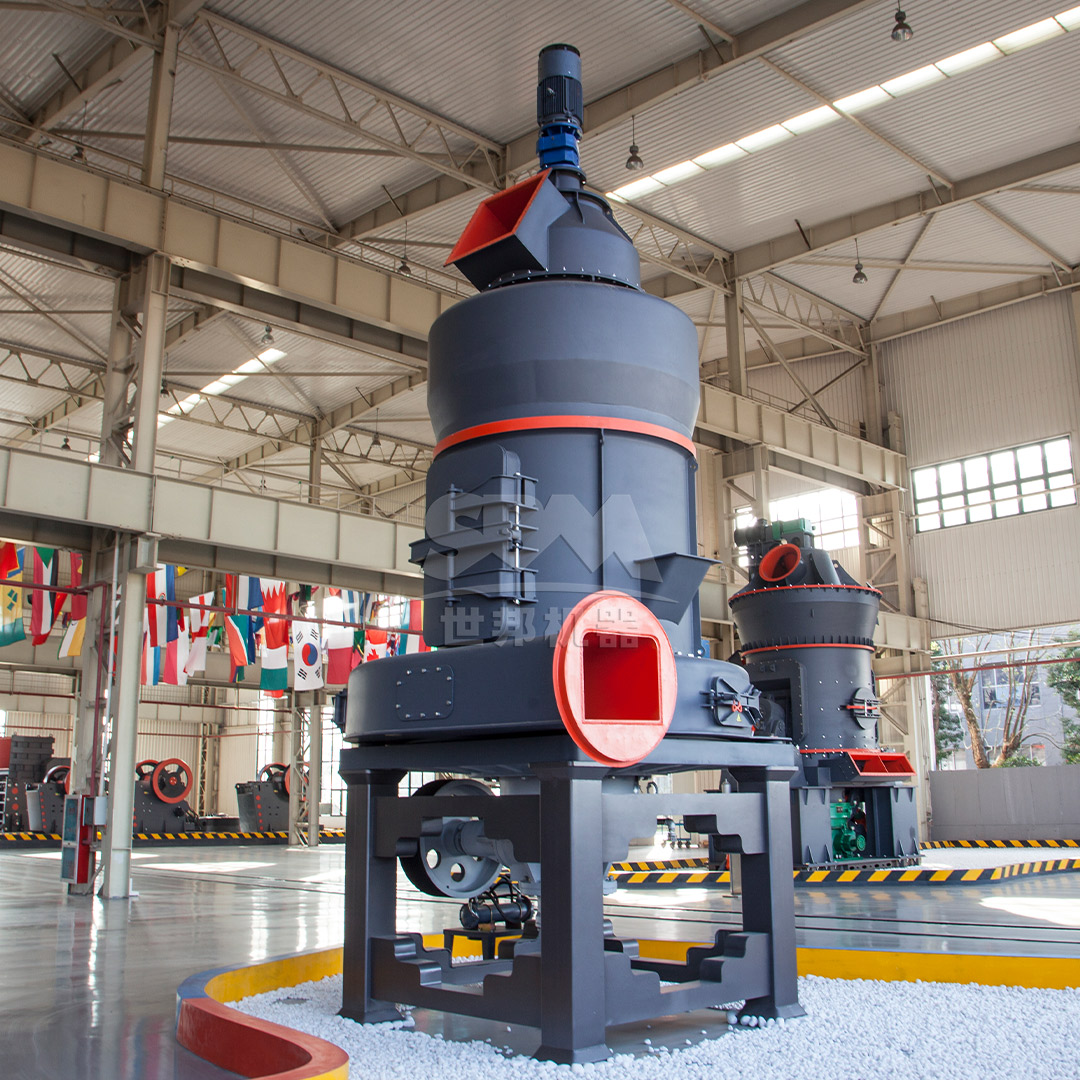
A prime example of this philosophy is our LM Series Vertical Roller Mill. This mill is a testament to how design and automation synergize. Its expert-level automatic control system is a key feature, allowing for seamless remote or local operation. The system provides real-time monitoring of all critical parameters: grinding pressure, differential pressure across the mill, material bed thickness, and product fineness. It can automatically adjust the hydraulic pressure controlling the grinding rollers and the speed of the dynamic classifier to maintain target output and quality. The mill’s low energy consumption—30-40% less than traditional ball mill systems—is consistently realized because the automation maintains optimal grinding conditions. Furthermore, its fully sealed negative-pressure operation, monitored and controlled by the automation suite, guarantees dust emissions below 20mg/m³, making it an environmentally sound choice.
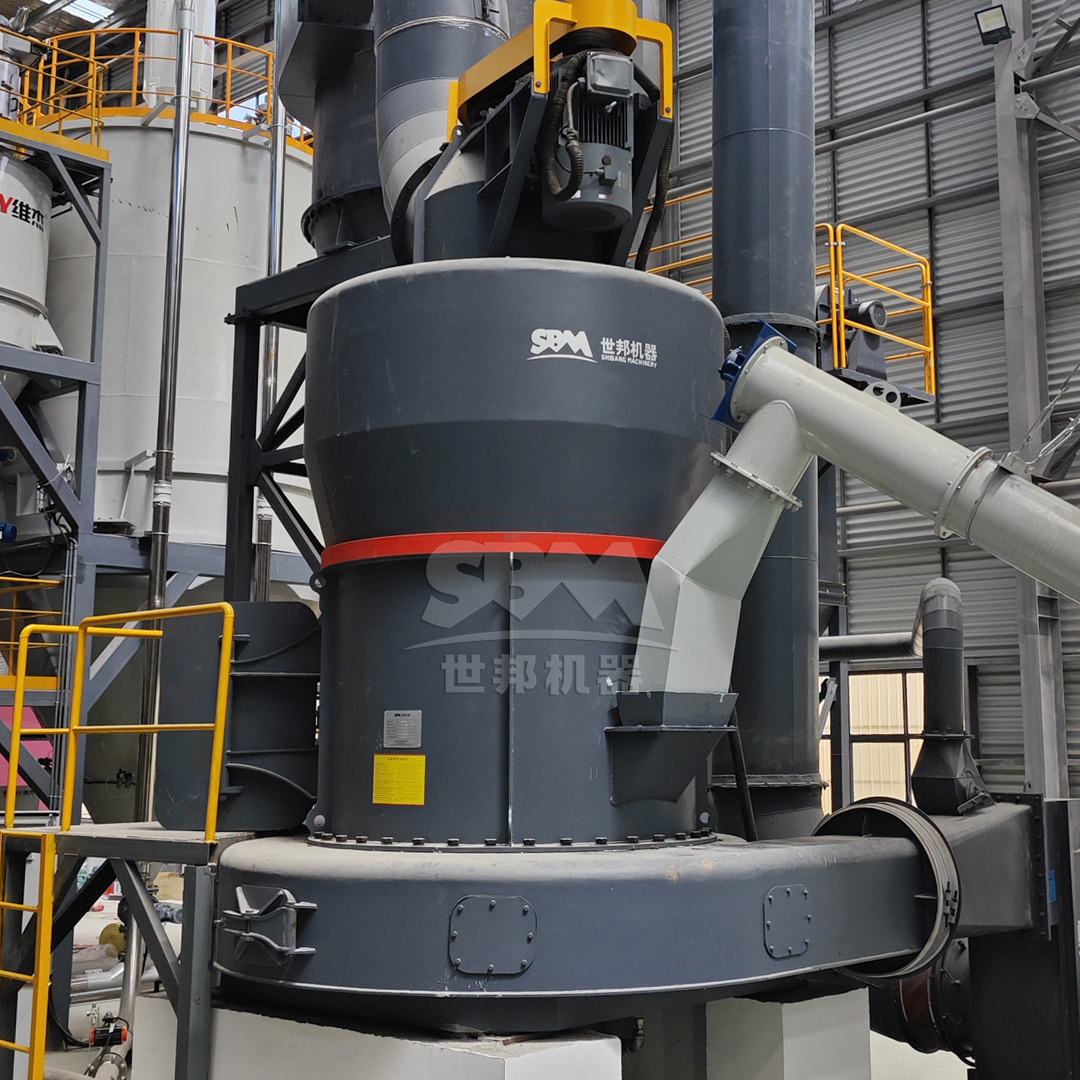
For applications demanding ultra-fine powders, our SCM Ultrafine Mill showcases automation in precision grinding. Its design incorporates an intelligent control system that provides automatic feedback on final product particle size. This is crucial when producing powders in the range of 325-2500 mesh (D97 ≤5μm). The system works in tandem with the mill’s high-precision vertical turbine classifier. By automatically adjusting the classifier’s rotational speed based on real-time fineness analysis, it ensures precise particle size切割 and eliminates coarse powder contamination, delivering a remarkably uniform product. This level of control, which also manages feed rates for optimal capacity (0.5-25 t/h depending on model) and energy use, would be impossible to achieve manually with any degree of consistency.
The future of grinding mill automation lies in deeper integration and smarter algorithms. Modern mills are no longer islands of automation. Their control systems are designed to communicate seamlessly with higher-level Plant Management Systems (PMS) or Manufacturing Execution Systems (MES). This allows for production scheduling, quality data aggregation, and energy management across the entire facility.
The next frontier is the incorporation of Artificial Intelligence (AI) and Machine Learning (ML). These technologies can move beyond maintaining setpoints to true optimization. An AI system could learn the complex, non-linear relationships between ore hardness, moisture content, feed rate, classifier speed, and power consumption. It could then predict the optimal operating parameters for the next shift’s feedstock to maximize throughput or minimize energy cost per ton, adapting to changing conditions in a way pre-programmed logic cannot. Furthermore, AI-powered predictive maintenance will become even more accurate, analyzing vast datasets to identify subtle failure signatures long before they become apparent.
Process automation has ceased to be a luxury in modern grinding operations; it is now a fundamental requirement for competitiveness, quality assurance, and sustainable production. It transforms the grinding mill from a brute-force tool into a precise, self-optimizing instrument. The synergy between intelligently engineered milling equipment—like the automation-ready LM Vertical Roller Mill and the precision-controlled SCM Ultrafine Mill—and sophisticated control systems unlocks unprecedented levels of efficiency, consistency, and operational reliability. As industries continue to demand higher-quality powders and face increasing pressure to reduce costs and environmental impact, the role of advanced automation in grinding technology will only become more central and sophisticated, paving the way for the fully autonomous mineral processing plant of the future.