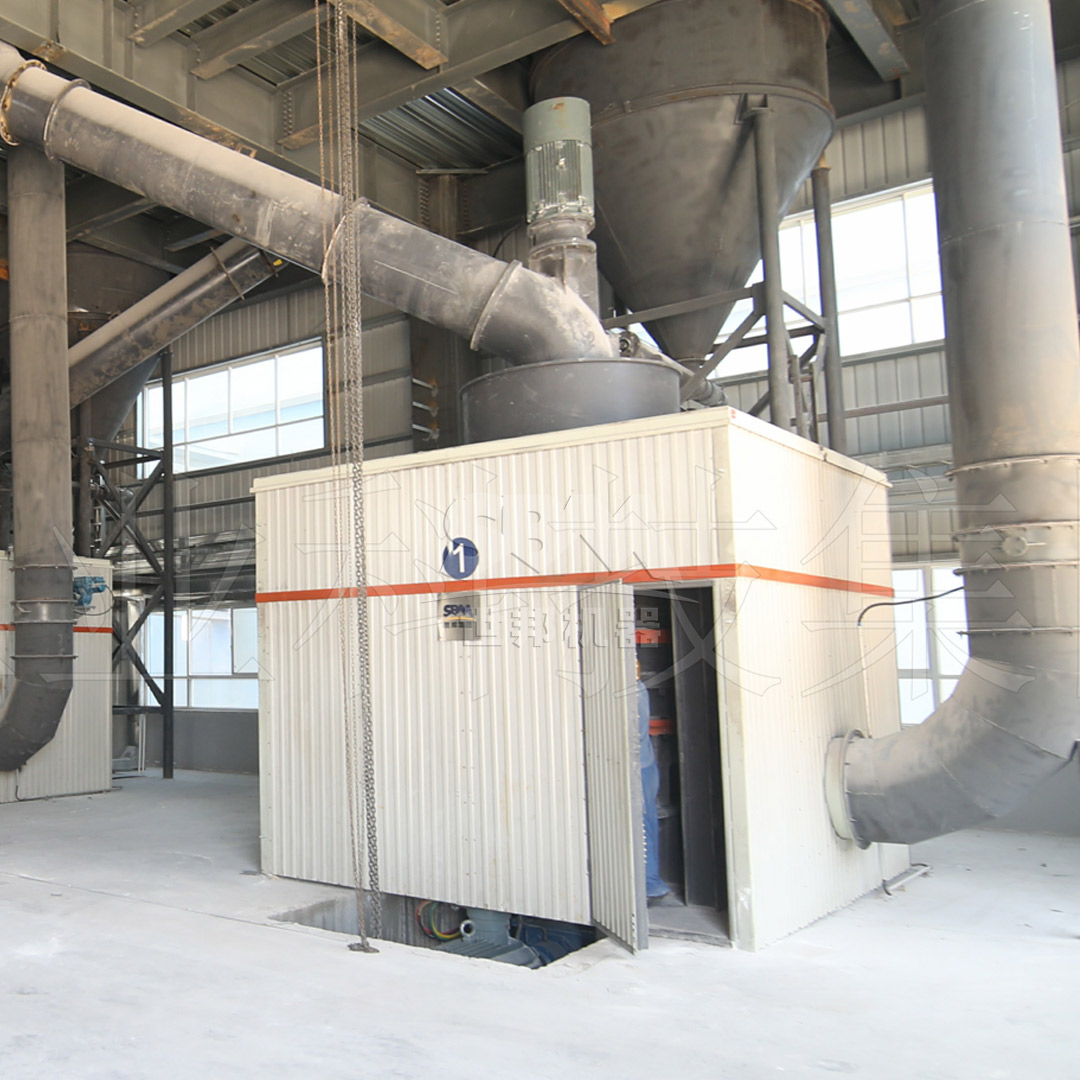
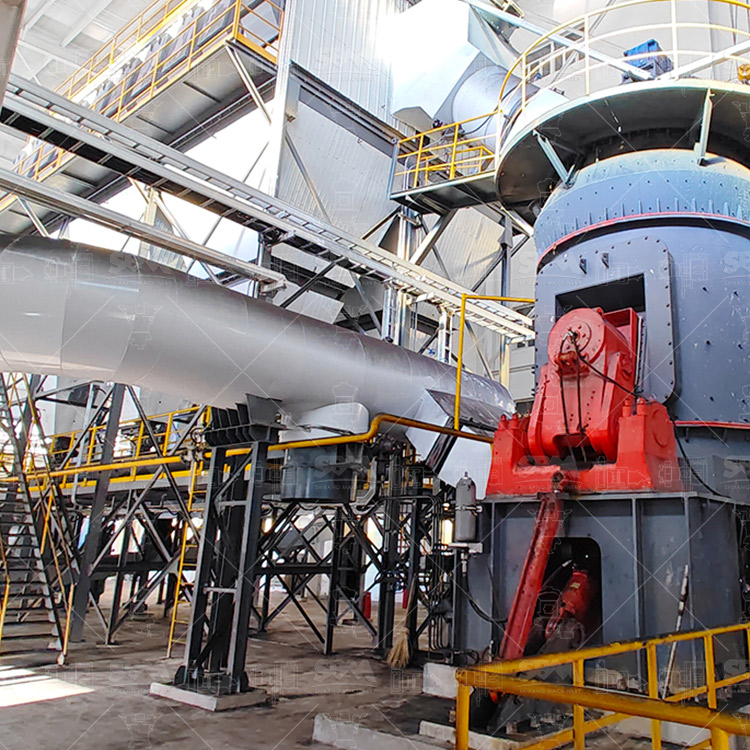
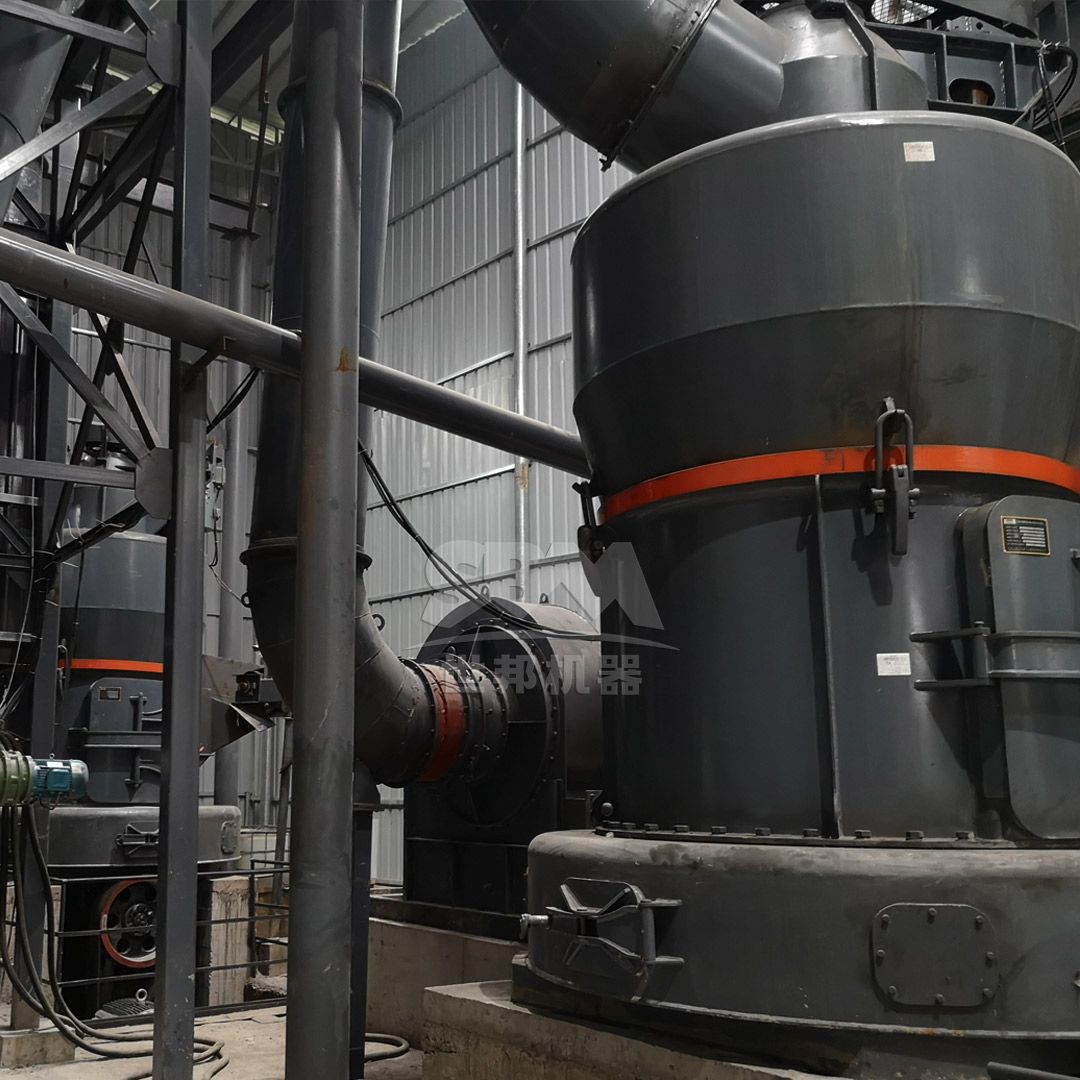
In the modern mineral processing, construction materials, and chemical industries, grinding mills are pivotal equipment for achieving desired particle size reduction. Evaluating their performance goes beyond simple throughput; it requires a comprehensive analysis of key operational and economic metrics benchmarked against established industry standards. This article outlines the critical performance indicators (KPIs) for grinding mills and demonstrates how selecting advanced technology can help operations not only meet but exceed these benchmarks, thereby optimizing productivity, reducing costs, and enhancing sustainability.
Effective benchmarking relies on quantifying performance across several interdependent dimensions. The primary metrics can be categorized as follows:
| Metric Category | Key Performance Indicator (KPI) | Industry Standard Benchmark / Goal | Impact |
|---|---|---|---|
| Product Quality | Product Fineness (D97, Mesh Size) | Consistency within specified range (e.g., ±2% on D97) | Determines product value, downstream process efficiency. |
| Production Efficiency | Specific Energy Consumption (kWh/t) | Minimization relative to material hardness (Bond Work Index). | Directly impacts operational cost (up to 50% of OPEX). |
| Operational Capacity | Throughput (Tons per Hour) | Stable output at or above design capacity. | Defines plant scale and revenue potential. |
| Equipment Reliability | Availability / Uptime (%) | > 95% for continuous operations. | Minimizes production losses and maintenance costs. |
| Wear & Maintenance | Wear Rate of Grinding Elements (g/t) | Minimized; varies by material abrasiveness. | Affects maintenance intervals, spare parts cost. |
| Environmental & Safety | Dust Emission (mg/Nm³), Noise Level (dB(A)) | Compliance with local regulations (e.g., <20 mg/Nm³, <85 dB(A)). | Ensures regulatory compliance and worker safety. |
Benchmarking involves continuously measuring these KPIs and comparing them against historical data, equipment design specifications, and best-in-class industry performance.
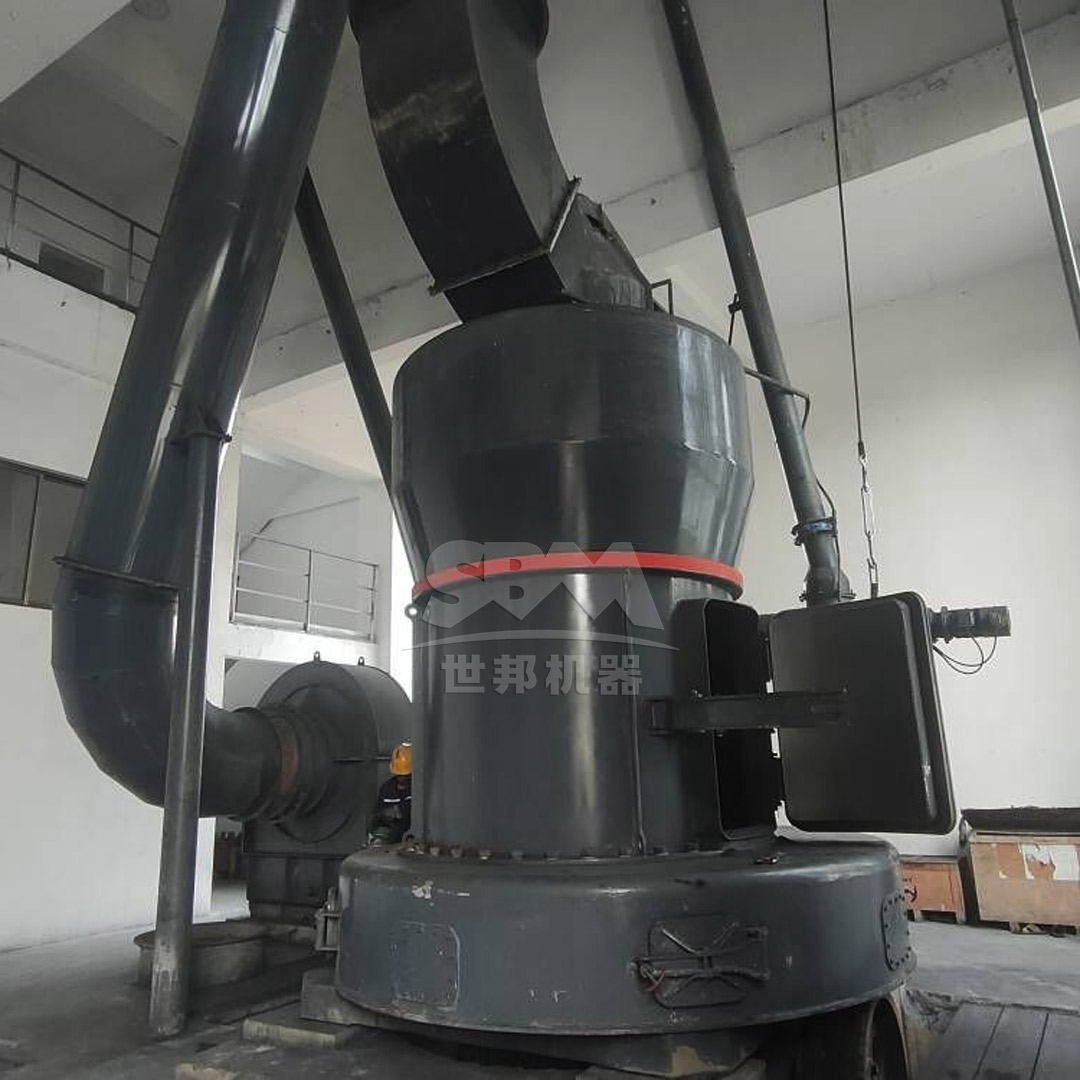
SEC is arguably the most critical economic metric. It measures the energy required to grind one ton of material to a target fineness. Industry standards, such as the Bond Work Index, provide a theoretical baseline. High-performance mills significantly undercut this baseline. For instance, advanced vertical roller mills (VRMs) and ultrafine grinding systems can achieve 30-50% lower SEC compared to traditional ball mills for similar tasks, primarily due to efficient bed-compression grinding versus impact/attrition.
Consistency is king. The ability to reliably produce powder within a narrow PSD range (e.g., D97 control) is a mark of a superior mill and its integrated classification system. Variations in PSD can cause downstream process issues. High-precision, forced vortex classifiers integrated into modern mills are essential for achieving sharp cuts and eliminating coarse particle contamination.
High throughput means little if the mill is frequently offline. Availability is a function of mechanical design robustness and maintenance friendliness. Key factors include the lifespan of wear parts (rollers, liners), the simplicity of their replacement, and the reliability of lubrication and drive systems. Designs that allow for online monitoring and quick component swaps directly boost this metric.
Meeting today’s stringent benchmarks requires embracing innovative mill designs. Two technological paradigms stand out: high-capacity vertical grinding for coarse to medium fineness, and high-efficiency ultrafine grinding for specialty powders.
For applications ranging from cement raw meal and slag to coal and non-metallic minerals grinding to 30-325 mesh, Vertical Roller Mills (VRMs) have become the industry benchmark. Our LM Series Vertical Roller Mill exemplifies this technology, engineered to excel across all key performance metrics.
By integrating crushing, grinding, and classification into a single, space-saving unit, the LM Series directly addresses the core KPIs of energy consumption, availability, and environmental compliance, setting a new standard for vertical grinding applications.
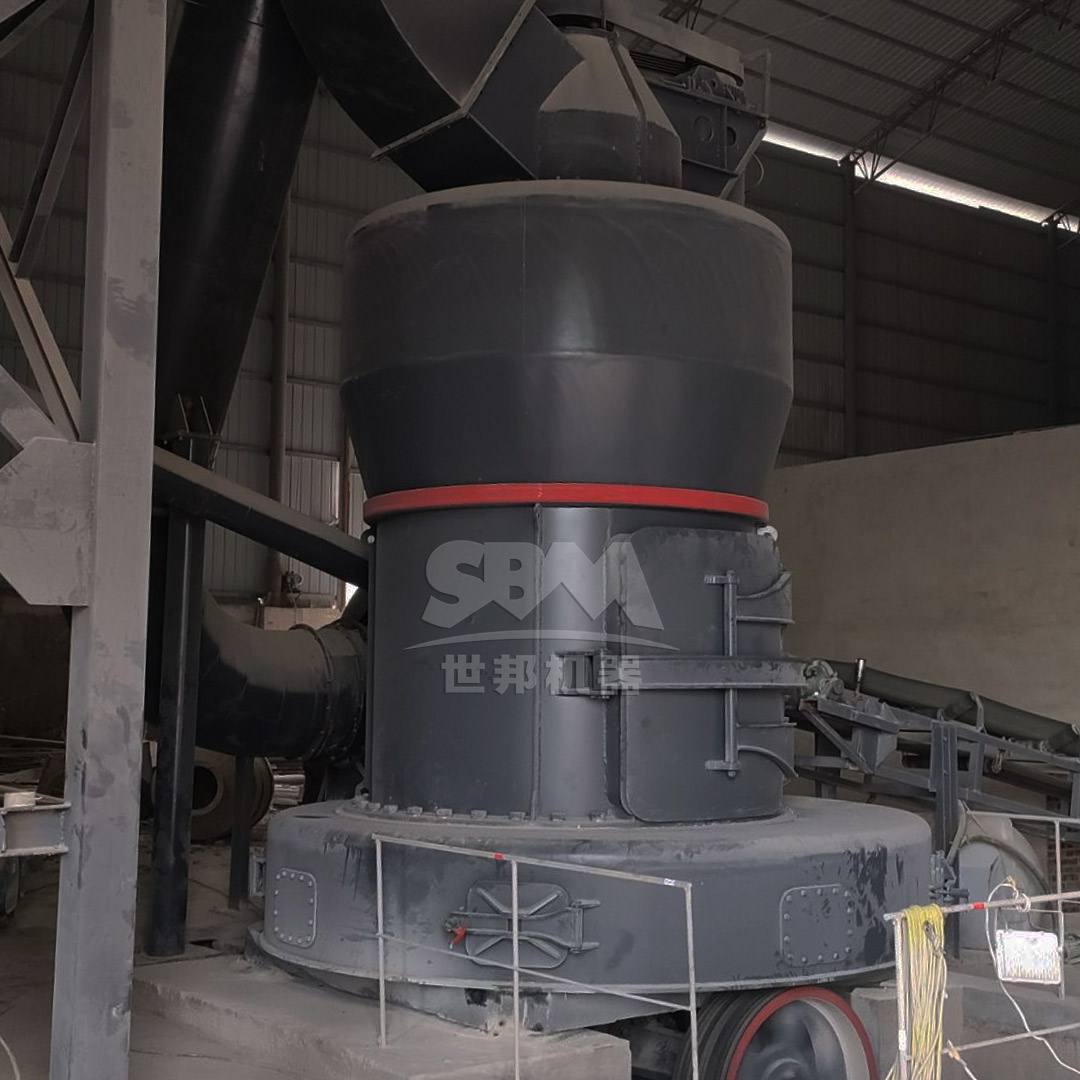
When the product target shifts to the micron and sub-micron range (325-2500 mesh), the performance benchmarks become even more challenging, focusing on precise classification, energy efficiency at high fineness, and product uniformity. Our SCM Series Ultrafine Mill is specifically designed to dominate in this arena.
For industries producing high-value additives, advanced ceramics, or specialty chemicals, the SCM Ultrafine Mill provides a benchmark solution, transforming the economics of ultrafine powder production by dramatically improving the metrics of product quality, energy use, and operational cost.
To effectively benchmark your grinding operation:
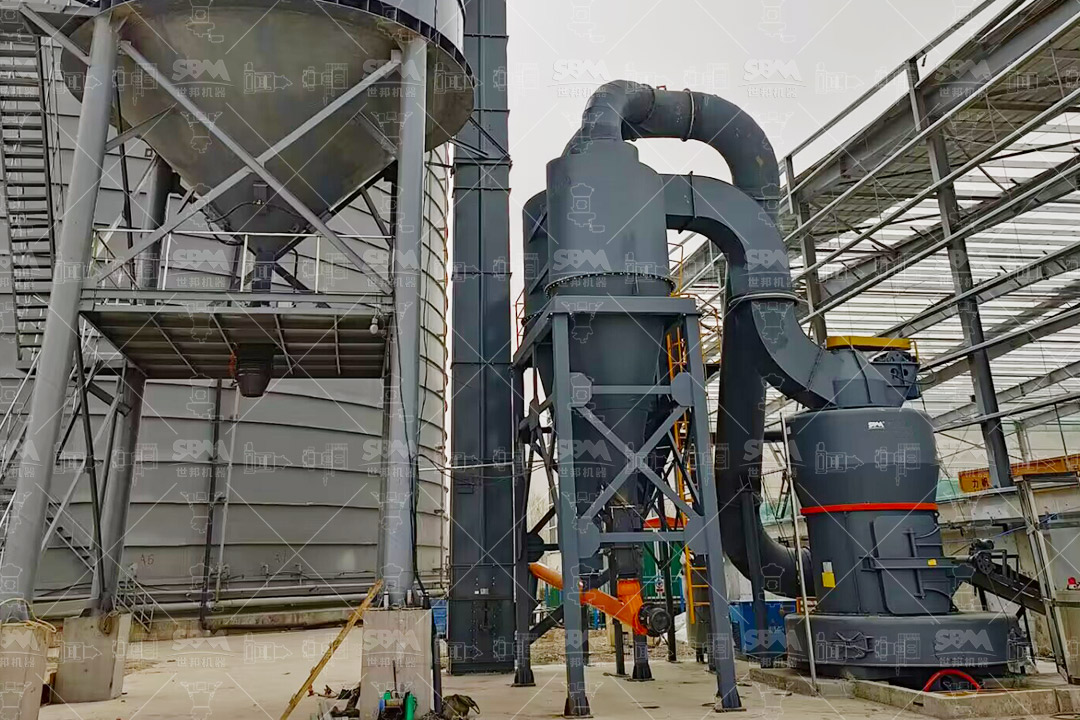
Benchmarking grinding mill performance is a strategic necessity for any operation focused on competitiveness and sustainability. By focusing on the key metrics of specific energy consumption, product quality, operational availability, and environmental impact, managers can make informed decisions. Modern mill designs, such as our high-efficiency LM Series Vertical Roller Mill for large-scale mineral grinding and our precision SCM Series Ultrafine Mill for specialty powders, are engineered from the ground up to surpass industry standards across these KPIs. Investing in such technology is not merely an equipment upgrade; it is a direct investment in lower operational costs, higher product value, and a more sustainable production footprint.