In the demanding world of mineral processing and powder production, unplanned equipment downtime is a primary adversary of profitability and operational efficiency. Traditional maintenance strategies, whether reactive (run-to-failure) or preventive (time-based), often lead to either catastrophic breakdowns or unnecessary, costly interventions. The advent of Industry 4.0 has ushered in a transformative approach: predictive maintenance powered by advanced analytics. By harnessing data from grinding mill operations, predictive analytics enables a paradigm shift from scheduled interruptions to condition-based, just-in-time maintenance, dramatically reducing downtime and optimizing asset life.
Unscheduled stoppages in grinding circuits have cascading effects. Direct costs include emergency repair labor, expedited parts shipping, and potential collateral damage to adjacent components. Indirect costs are often more severe: lost production revenue, disrupted downstream processes, missed delivery deadlines, and increased safety risks during high-pressure repair scenarios. For a high-capacity mill processing hundreds of tons per hour, every minute of downtime translates to significant financial loss. Furthermore, premature component replacement in rigid preventive schedules wastes remaining useful life and inflates inventory costs for spare parts.
Predictive analytics for grinding mills involves a continuous cycle of data acquisition, processing, modeling, and actionable insight generation.
| Maintenance Strategy | Approach | Impact on Downtime | Cost Implication |
|---|---|---|---|
| Reactive | Fix after failure | Maximum, unplanned | Very High (emergency repairs, lost production) |
| Preventive | Time/usage-based schedule | Planned, but often unnecessary | High (parts/labor waste, potential early failure) |
| Predictive | Condition-based analytics | Minimized, planned at optimal time | Optimized (maximized component life, reduced surprises) |
Predictive analytics targets the most failure-prone and costly systems within a grinding mill:
The effectiveness of predictive analytics is greatly enhanced when the grinding mill itself is designed with reliability, accessibility for sensors, and robust data output in mind. Modern mill architectures facilitate this integration.
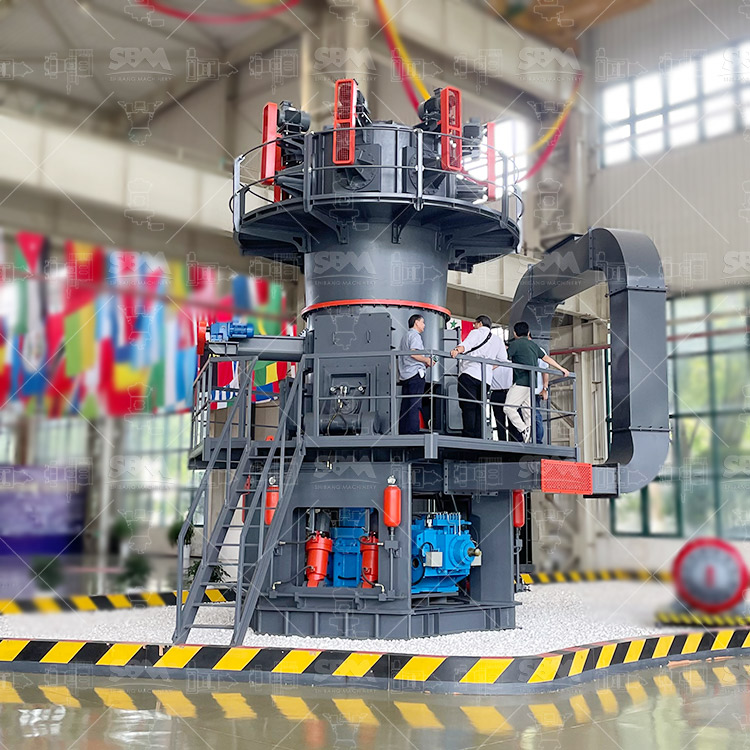
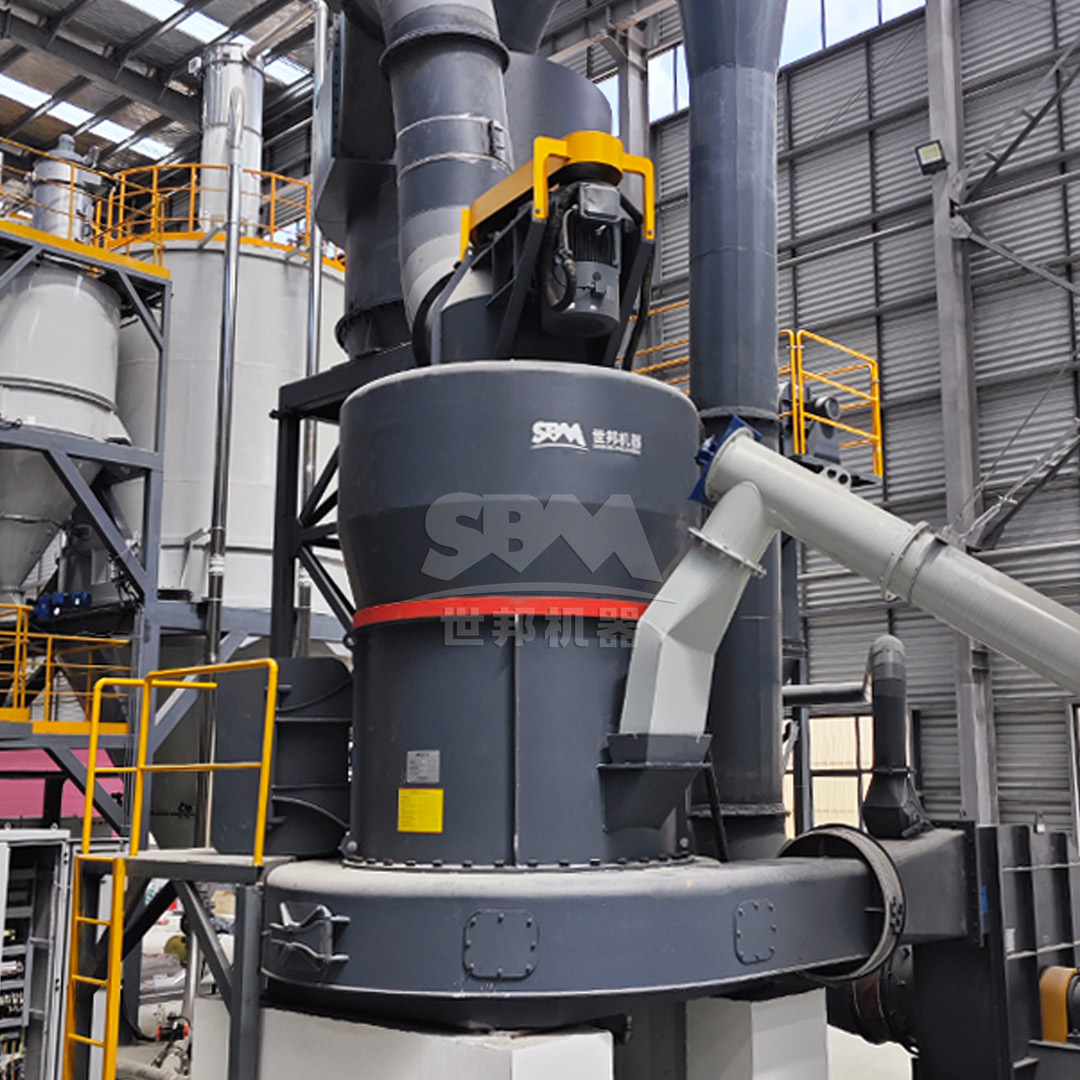
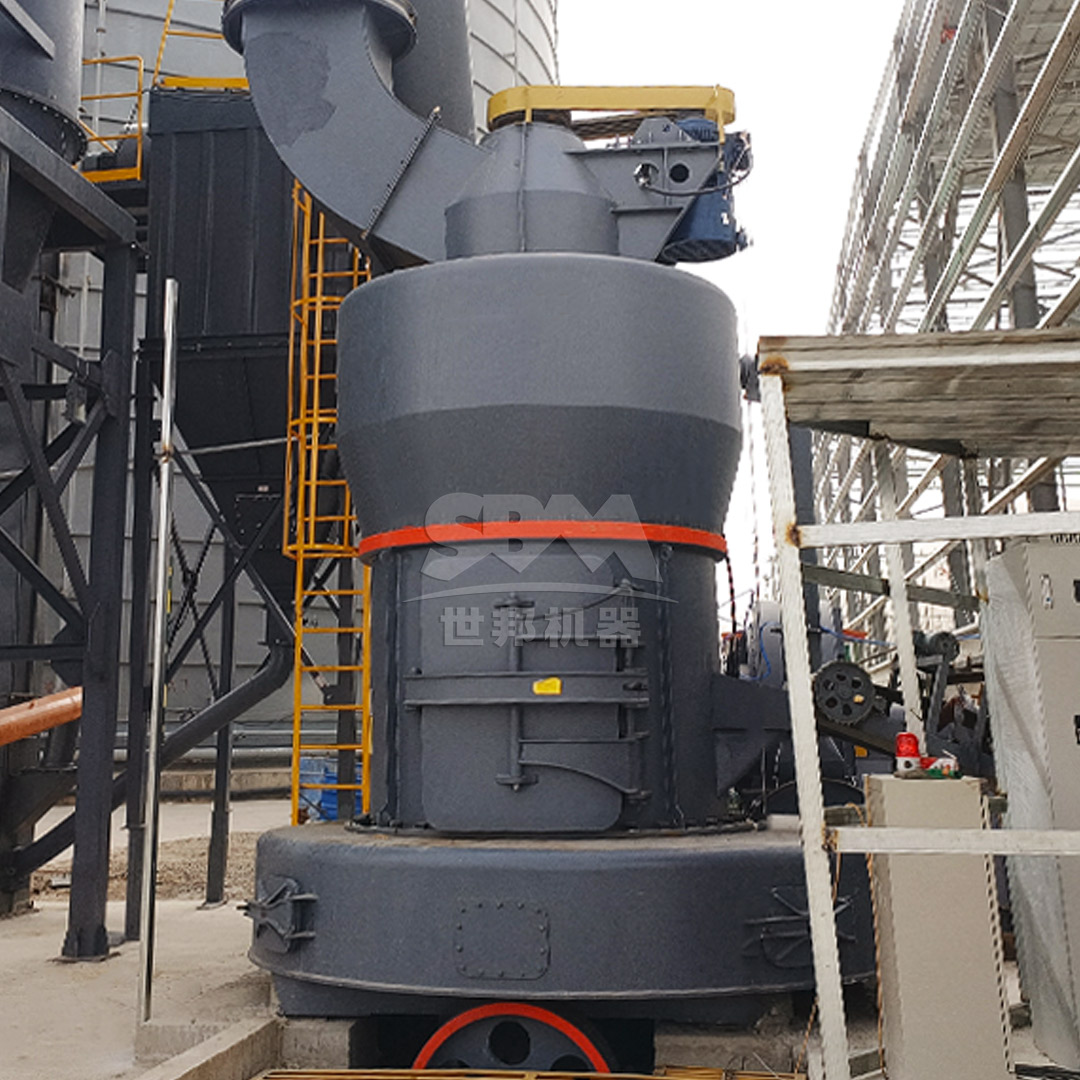
For instance, our LM Series Vertical Roller Mill exemplifies this design philosophy. Its集约化设计 (compact design) and智能控制 (intelligent control) system provide a natural platform for predictive analytics. Key parameters like磨辊 pressure,磨盘 (grinding table) speed, differential pressure across the mill, and主电机 (main motor) power are inherently monitored by its expert control system. The模块化磨辊总成快速更换系统 (modular roller assembly quick-change system) means that when analytics predicts roller wear, the replacement can be planned and executed with minimal downtime. Furthermore, its低运行成本 (low operating cost) is sustained by analytics preventing unplanned wear on its耐磨件 (wear parts).
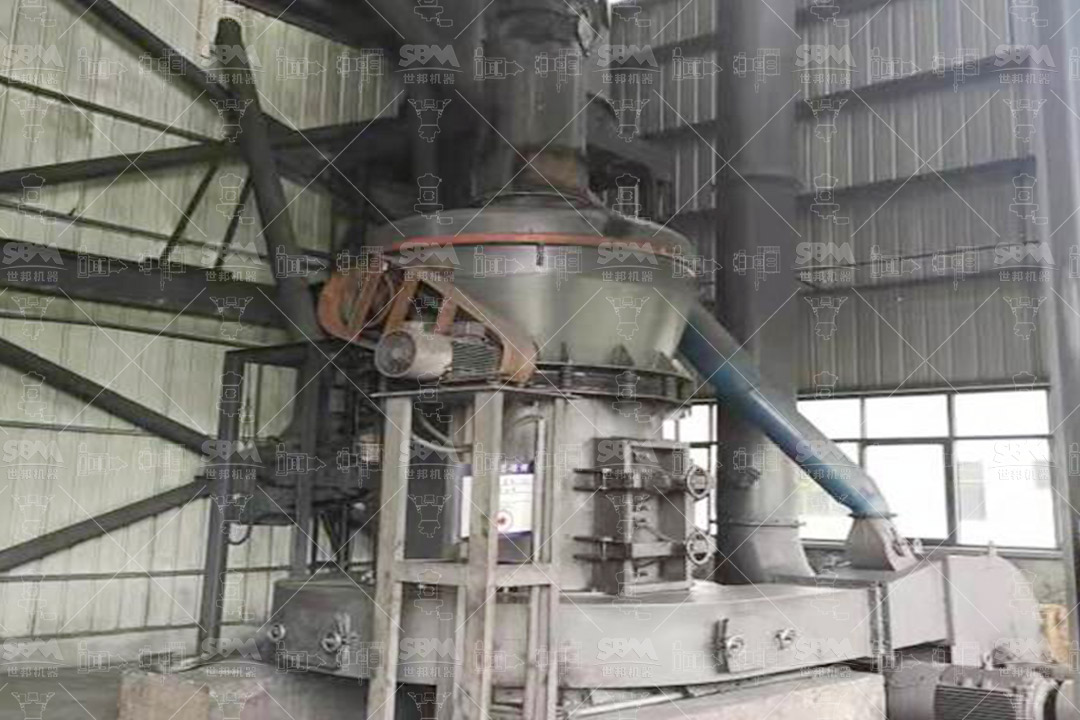
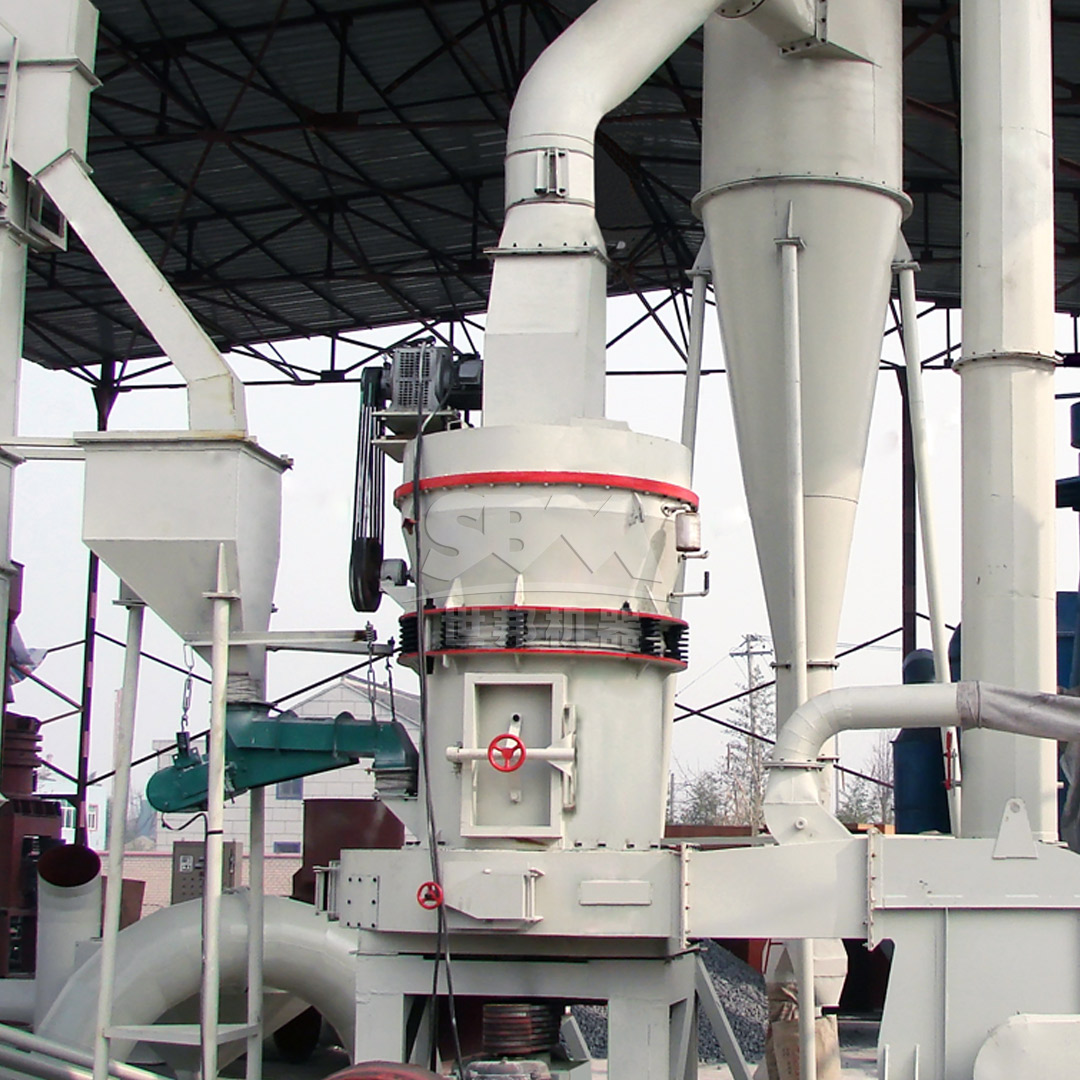
Similarly, for ultra-fine grinding applications, the SCM Ultrafine Mill offers advanced features conducive to predictive strategies. Its智能控制,自动反馈成品粒度 (intelligent control with automatic feedback on product fineness) relies on constant data flow from the分级机 (classifier) and mill load. Predictive models can use this data to foresee issues with the垂直涡轮分级器 (vertical turbine classifier) or deviations in the grinding curve that suggest roller/ring wear. The耐用设计 (durable design) featuring特殊材质辊轮与磨环 (special material rollers and rings) provides a longer, more predictable wear lifecycle, which is ideal for accurate RUL estimation.
| System Component | Primary Sensor Type | Predictable Failure Mode | Analytics Action |
|---|---|---|---|
| Main Bearing/Gearbox | Vibration, Temperature | Bearing spalling, misalignment, lubrication failure | Alert 2-4 weeks prior; schedule bearing replacement |
| Grinding Rollers | Vibration (Acoustic Emission), Motor Power, Pressure | Uneven wear, cracking, loss of grinding efficiency | Trend wear rate; plan liner change during product switch |
| Classifier Rotor | Vibration, Motor Current | Rotor imbalance, blade wear, bearing failure | Predict fineness drift; schedule inspection/balance |
| Hydraulic System | Pressure, Flow, Oil Quality | Pump degradation, valve failure, oil contamination | Schedule filter change/pump service before pressure drop affects grinding |
| Main Motor | Current, Temperature, Vibration | Insulation breakdown, bearing wear, phase imbalance | Plan motor service during next planned stop |
Implementing a predictive analytics program is a strategic journey:
The Return on Investment (ROI) is compelling, typically realized through:
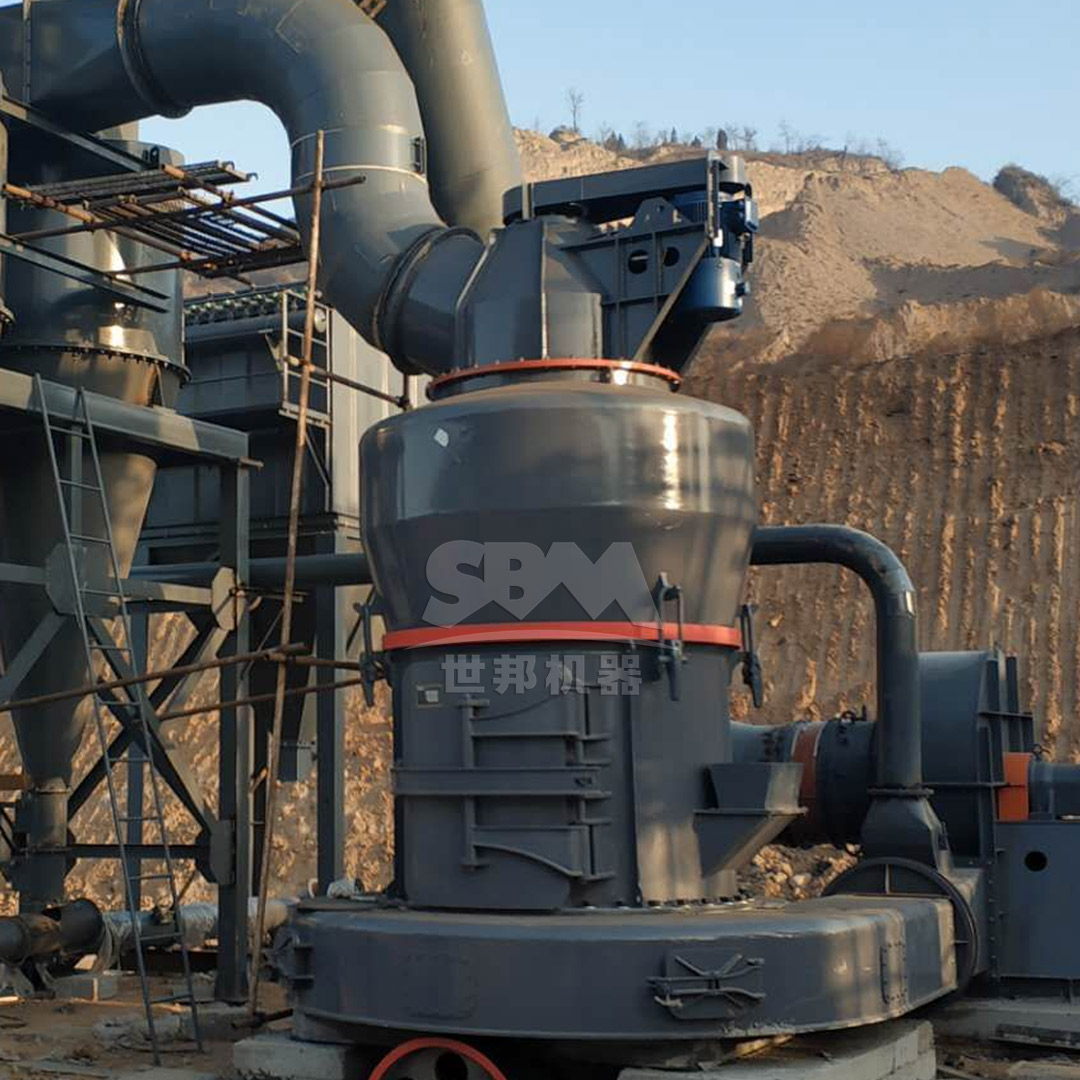
Predictive analytics is no longer a futuristic concept but a present-day imperative for competitive grinding operations. By transforming raw operational data into prophetic insights, it empowers maintenance teams to act with precision, foresight, and confidence. The result is a dramatic reduction in costly, unplanned downtime, extended equipment lifespan, and a more resilient, efficient, and profitable production line. The journey begins with selecting mills designed for the digital age—like our LM Series Vertical Roller Mill or SCM Ultrafine Mill—and partnering their robust, data-rich operation with a strategic analytics implementation. In the relentless pursuit of operational excellence, predictive maintenance is the key to unlocking unprecedented reliability and performance from your most critical grinding assets.