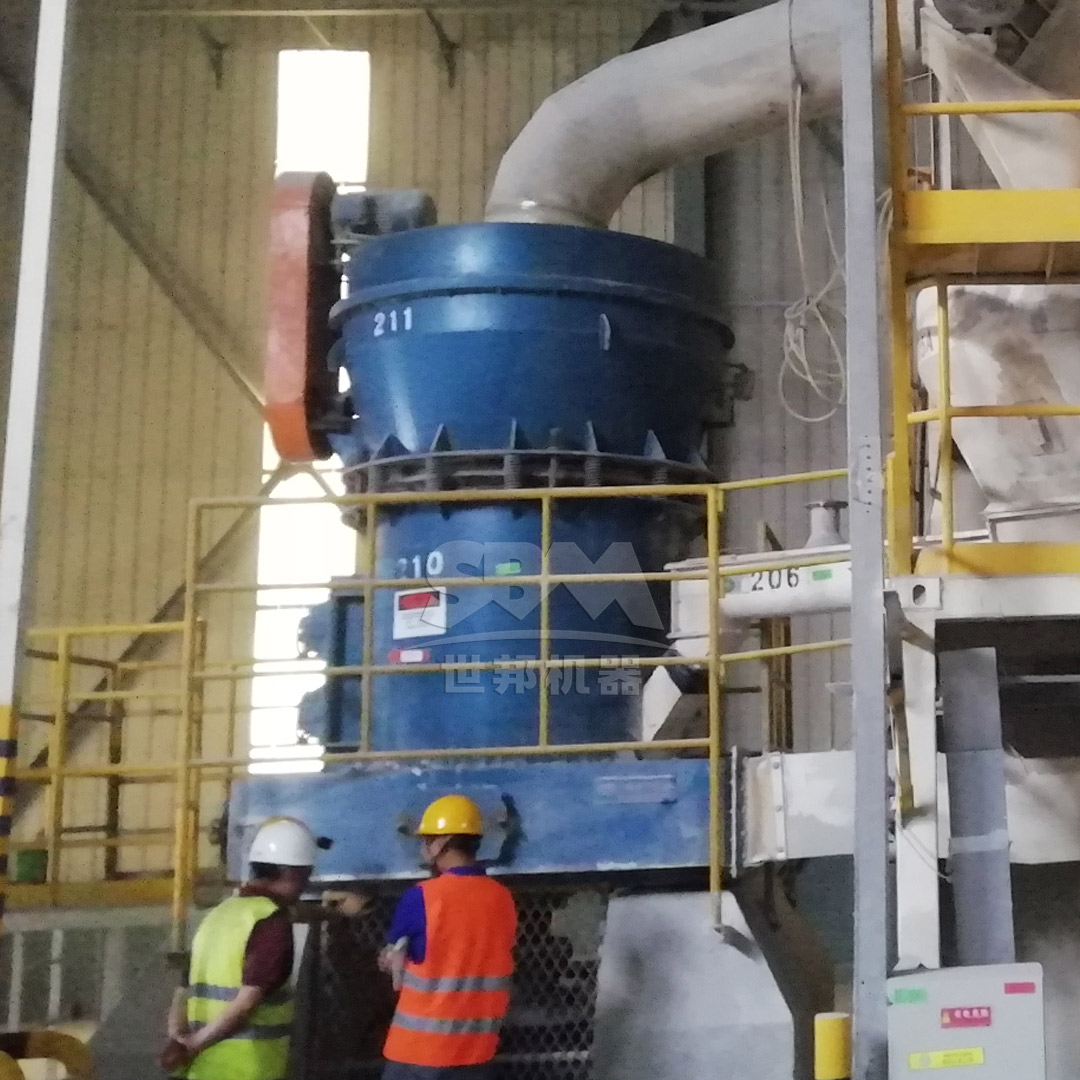
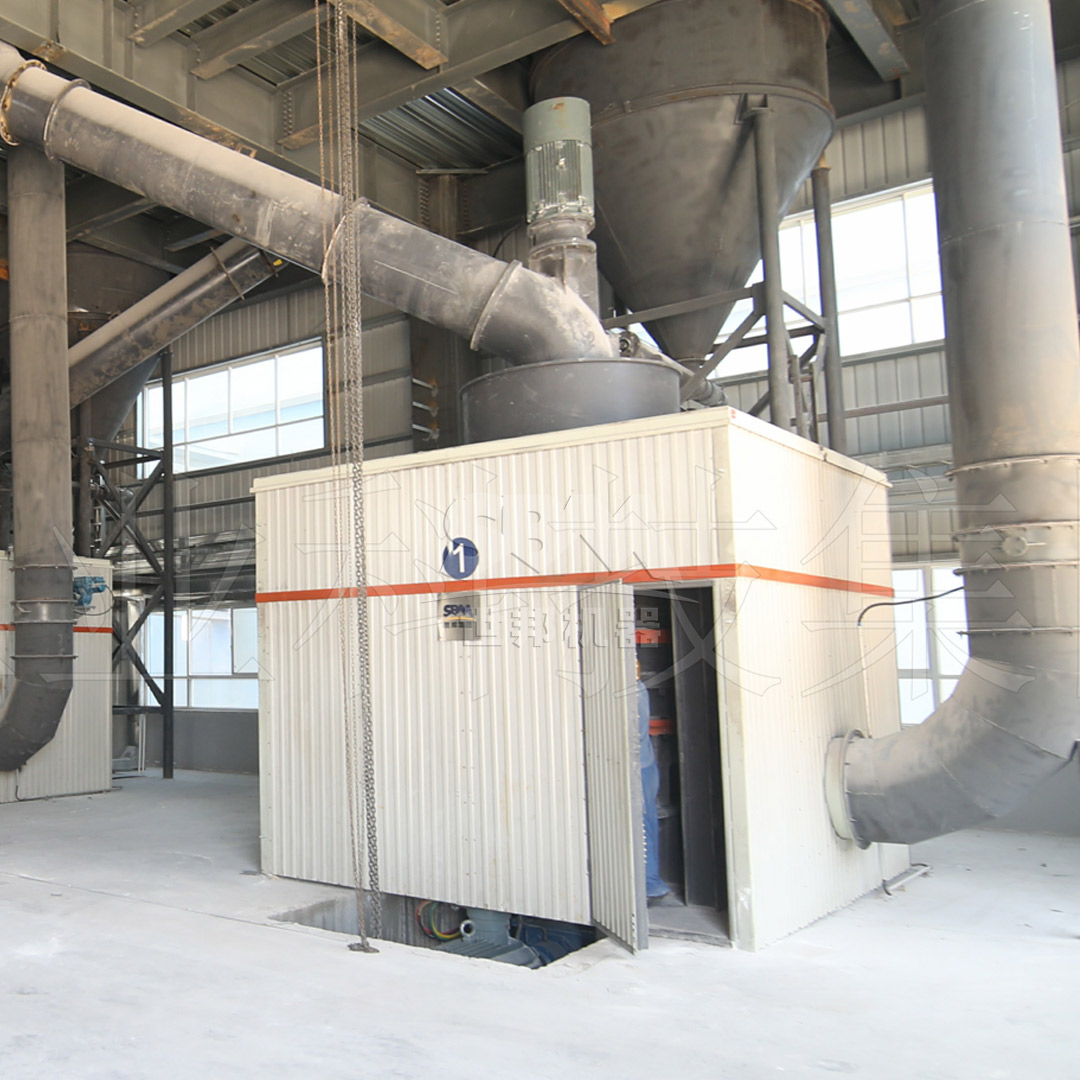
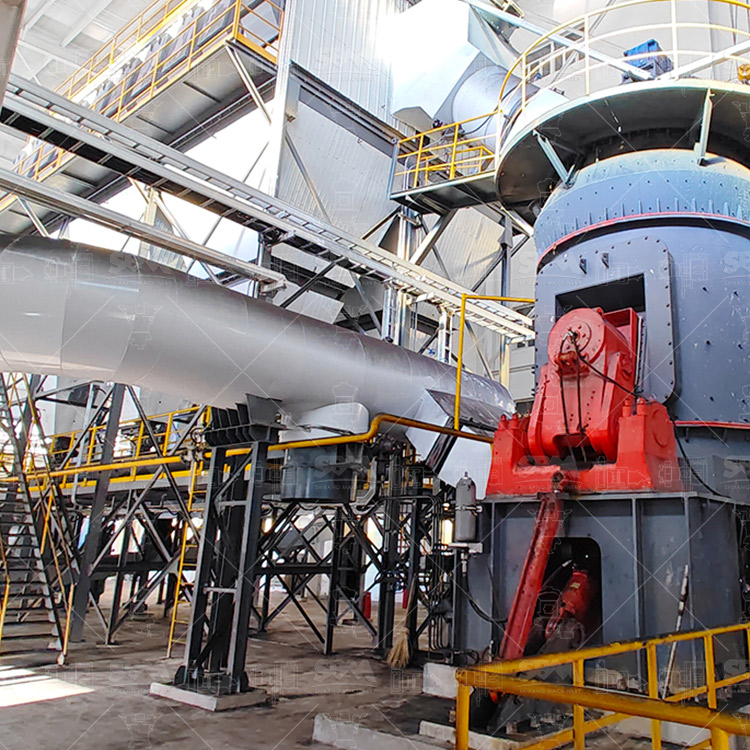
Industrial grinding operations are fundamental to numerous sectors, including mining, chemicals, pharmaceuticals, and advanced materials manufacturing. However, when these processes involve hazardous materials—such as combustible dusts, toxic compounds, reactive substances, or materials with specific health hazards—they introduce significant risks. These risks encompass fire and explosion hazards, toxic exposure to operators, environmental contamination, and equipment failure. Implementing and adhering to rigorous safety practices is not merely a regulatory compliance issue but a critical cornerstone for protecting human life, ensuring operational continuity, and safeguarding assets. This article outlines a comprehensive framework of best safety practices tailored for handling hazardous materials within grinding operations, emphasizing engineering controls, administrative procedures, and the pivotal role of appropriate, safety-enhanced equipment.
The foundation of any safety program is a thorough understanding of the hazards. Before any material enters the grinding circuit, a detailed risk assessment must be conducted.
Every hazardous material must have an up-to-date Safety Data Sheet (SDS). Key sections to review for grinding operations include:
For combustible dusts, laboratory testing is non-negotiable. Critical parameters include:
| Parameter | Description | Significance for Grinding Safety |
|---|---|---|
| Minimum Ignition Energy (MIE) | The lowest energy from an electrostatic spark that can ignite a dust cloud. | Determines grounding and bonding requirements. MIE < 10 mJ indicates high electrostatic risk. |
| Minimum Explosible Concentration (MEC) | The lowest concentration of dust in air that can propagate a flame. | Informs ventilation and dust collection design to keep concentrations below MEC. |
| Limiting Oxygen Concentration (LOC) | The minimum oxygen percentage required to support combustion. | Basis for inerting (e.g., using nitrogen) systems within the mill and collection units. |
| Maximum Pressure (Pmax) & Deflagration Index (Kst) | Measures explosion violence and rate of pressure rise. | Sizes explosion venting panels or suppression systems. |
Passive and active engineering controls are the first line of defense against hazards.
The primary goal is to prevent the escape of hazardous dust into the work environment.
A multi-layered approach (Inherent Safety, Prevention, Protection) is essential for combustible dusts.
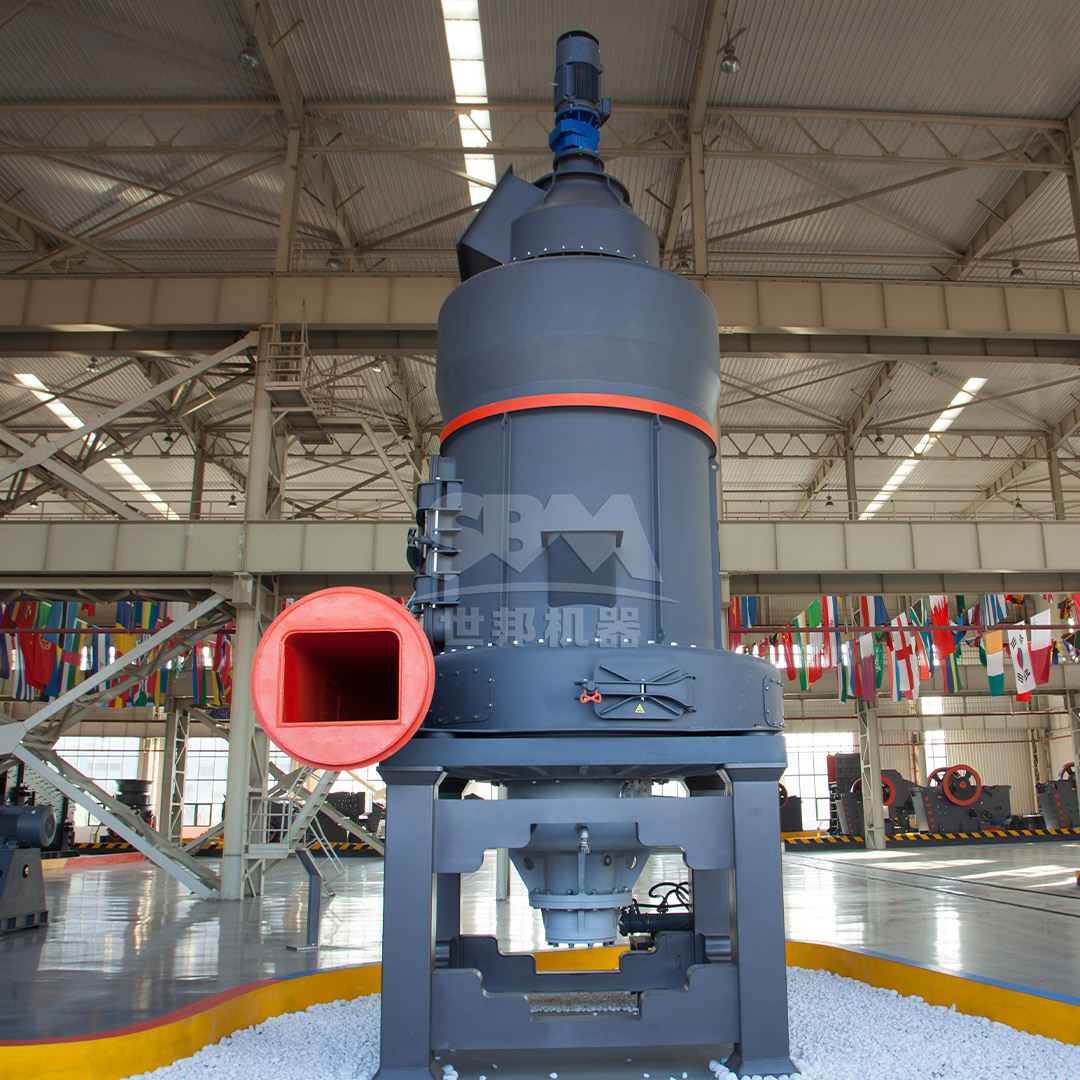
Choosing the right grinding technology is paramount. The equipment must not only be efficient but must integrate safety features that mitigate specific risks. For operations requiring ultra-fine grinding of potentially reactive or heat-sensitive hazardous materials, a mill designed for stability, precision, and containment is critical.
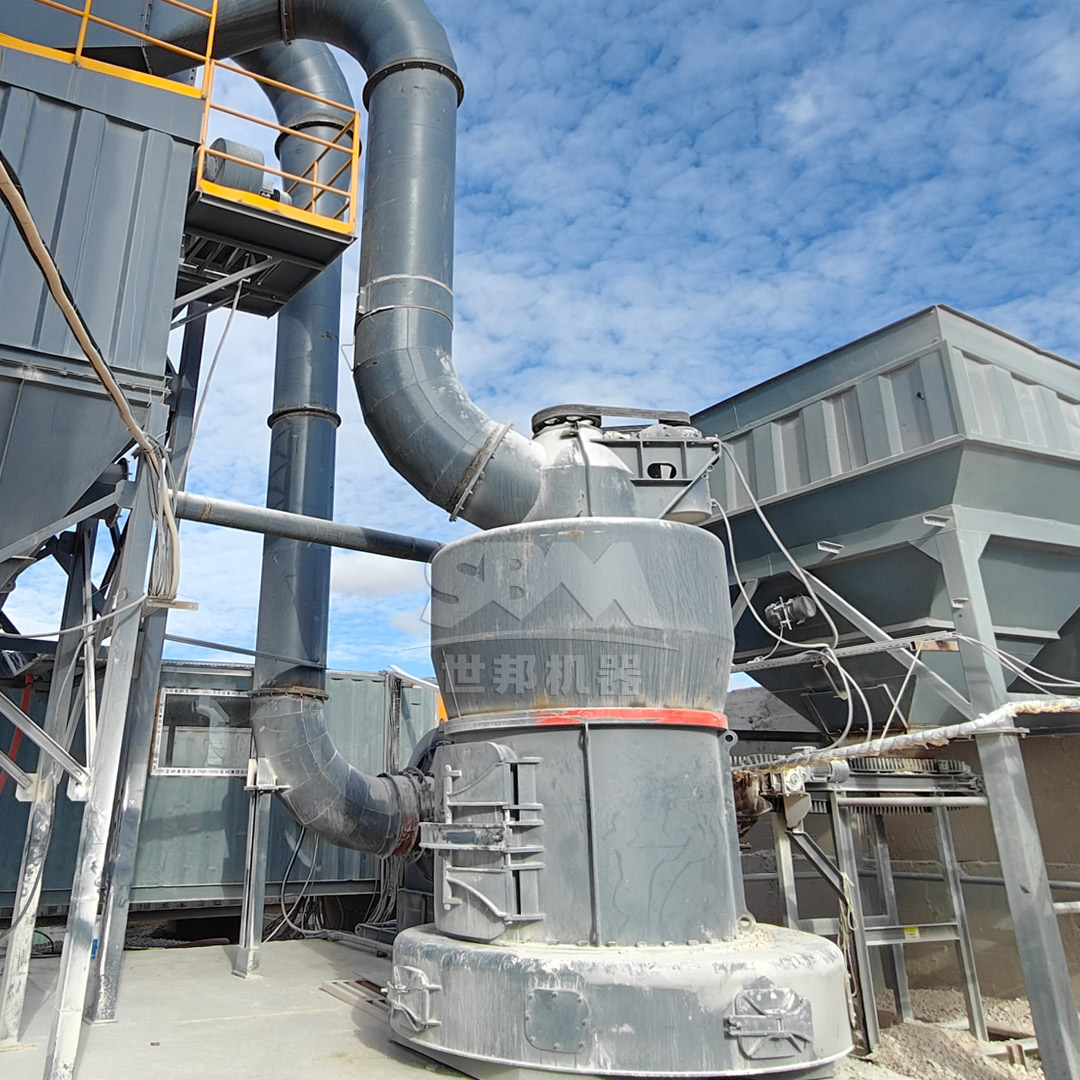
Our SCM Ultrafine Mill series is engineered with these stringent requirements in mind. Its fully sealed negative-pressure operation is fundamental for containing toxic or combustible dusts. The pulse dust collector with efficiency exceeding international standards ensures minimal environmental release. Furthermore, its intelligent control system provides real-time monitoring of operational parameters like bearing temperature and motor load, allowing for automatic shutdown in case of anomalies that could lead to overheating—a potential ignition source. The vertical turbine classifier ensures precise particle size control without the need for high-speed mechanical classifiers that can generate excessive heat or sparks. For hazardous material processing demanding reliability and built-in safety from feed to product collection, the SCM series offers a robust solution.
Even the best-engineered systems require strict procedures and trained personnel.
PPE is the last line of defense and must be selected based on the SDS and task.
All personnel must receive training on:
Safety is a continuous process.
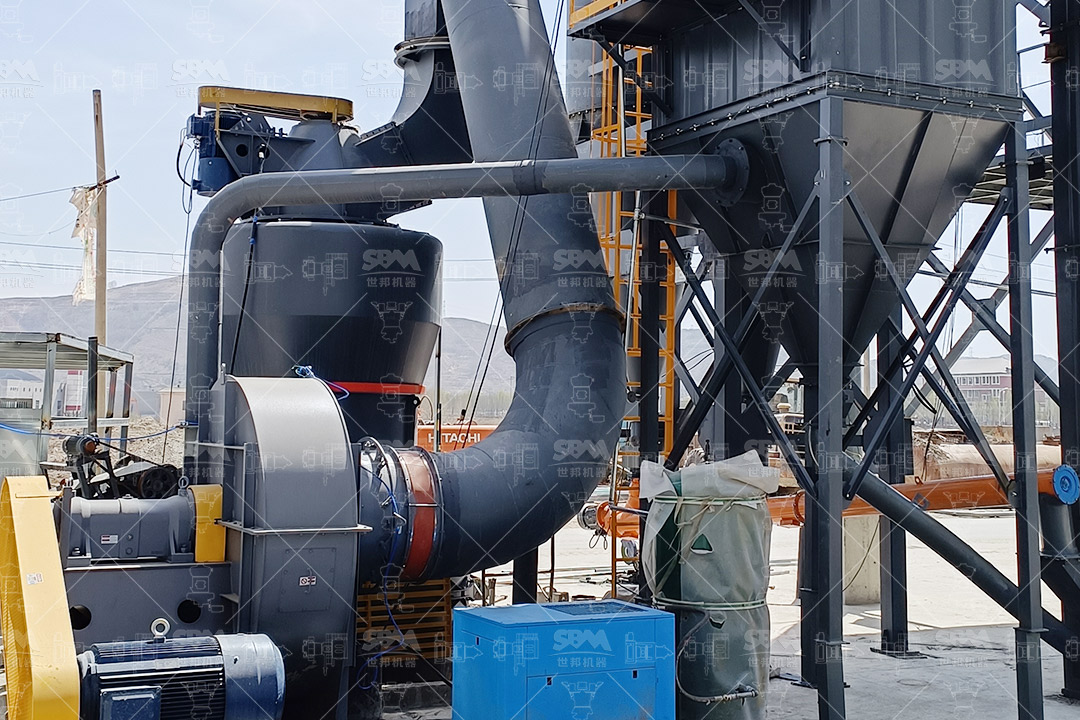
A robust PM schedule is crucial. This includes regular inspection and replacement of wear parts like grinding elements. For example, our MTW Series Trapezium Mill features a wear-resistant shovel design with combined blades and curved air duct optimization. These features not only reduce maintenance frequency and cost but also enhance operational stability. Consistent, predictable wear patterns prevent unexpected failures that could lead to material leakage or mechanical sparks. The integral gear transmission ensures smooth, reliable power delivery with 98% efficiency, reducing the risk of misalignment or overheating compared to traditional belt drives. Choosing equipment designed for durability directly contributes to long-term operational safety.
A site-specific plan must be developed, documented, and regularly drilled. It should cover:
Safely handling hazardous materials in industrial grinding operations demands a holistic and disciplined approach. It begins with a deep understanding of material hazards and extends through the selection of inherently safer equipment, the implementation of robust engineering controls, the enforcement of strict administrative procedures, and the commitment to continuous training and maintenance. By integrating these best practices into the core of operational philosophy, companies can significantly mitigate risks, protect their workforce and communities, and achieve sustainable, productive grinding operations. Investing in advanced grinding technology, such as our SCM Ultrafine Mill or MTW Trapezium Mill, which are designed with integrated safety and environmental features, is a strategic decision that supports this comprehensive safety framework.