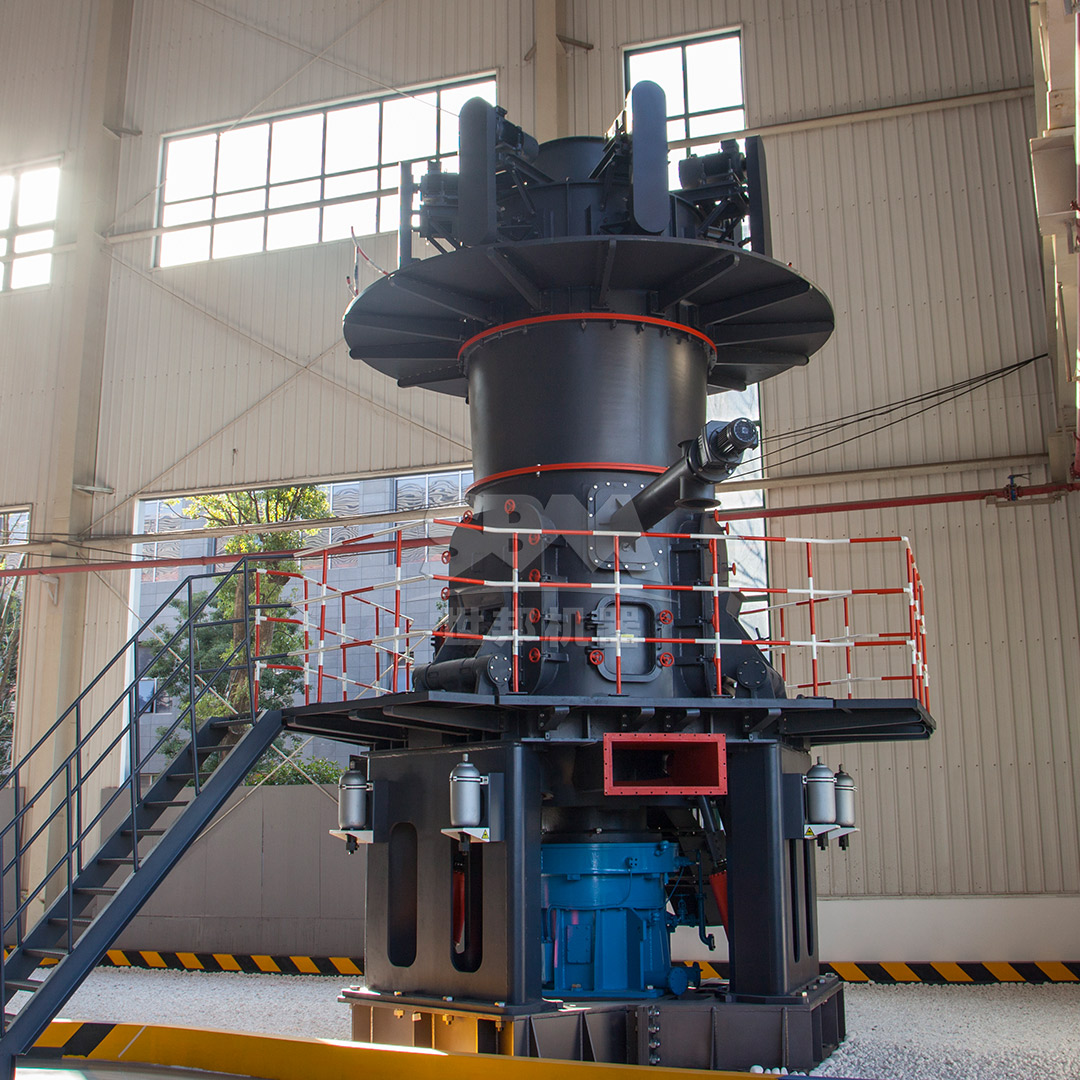
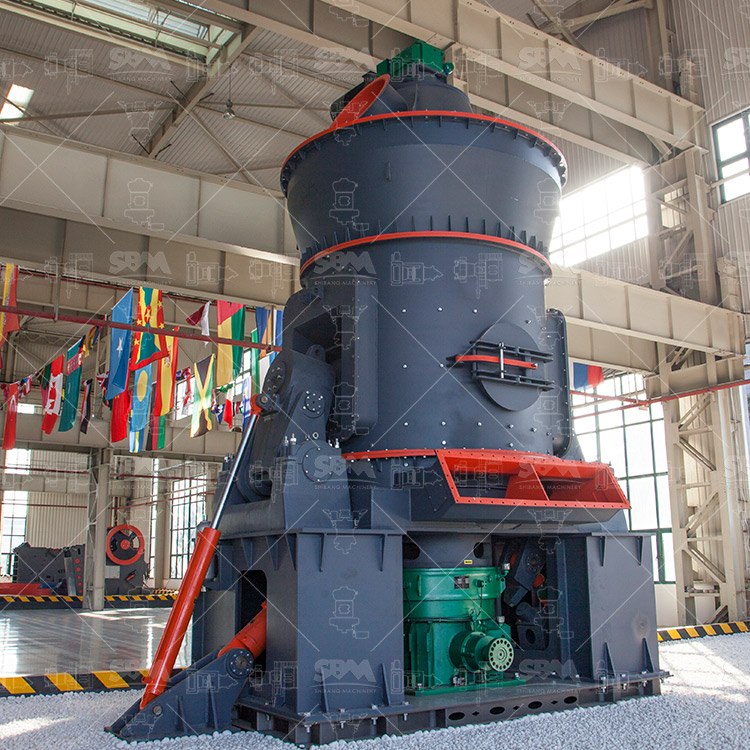
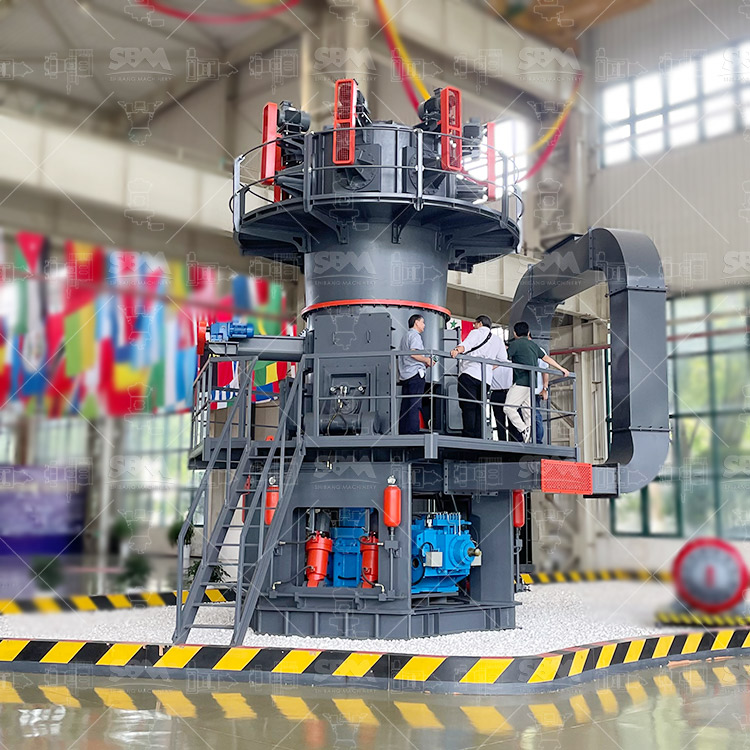
Material loss in grinding operations represents a significant challenge for industries ranging from mining and cement production to pharmaceuticals and advanced materials. Waste not only translates directly into financial losses from unprocessed raw materials but also increases operational costs through higher energy consumption, excessive wear on equipment, and additional waste handling requirements. In today’s competitive and environmentally conscious market, optimizing grinding efficiency to minimize loss is paramount. This article explores the root causes of material waste in grinding mills and presents a comprehensive set of effective techniques and technological solutions to achieve maximum yield, operational efficiency, and sustainability.
Effective waste reduction begins with a thorough diagnosis of the problem. Material loss in grinding systems is rarely due to a single factor but is typically the result of interconnected operational and mechanical inefficiencies.
The core function of a mill is to reduce particle size. Inefficiencies here lead to two main types of loss: Over-grinding and Under-grinding. Over-grinding occurs when particles are reduced beyond the target specification. This consumes excessive energy, generates excessive heat (which can alter material properties), and produces ultra-fines that are often difficult to handle and may be lost in dust collection systems or deemed out-of-spec. Under-grinding results in coarse particles contaminating the final product, necessitating recirculation. This repeated processing of the same material, known as a high recirculation load, increases energy use, accelerates wear, and reduces overall system throughput.
A critical component linked to this is the classification system. Inaccurate separation of fine and coarse particles means finished product is returned to the mill (increasing over-grinding risk) or coarse particles are sent to the product collection (requiring reprocessing). Poor classifier efficiency is a major contributor to energy and material waste.
All grinding mills experience wear of critical components like rollers, grinding rings, liners, and hammers. As these parts wear, the geometry of the grinding zone changes. Gaps may increase, pressure may become uneven, and the effectiveness of the grinding action diminishes. This leads to a gradual decline in mill performance: higher specific energy consumption (kWh/ton), a shift in product particle size distribution, and an increase in the generation of unwanted fine or coarse fractions. Material is essentially “lost” as it is not efficiently transformed into the target product but instead contributes to accelerated wear or off-spec output.
Physical loss of material from the system is a direct and visible form of waste. Leaks can occur at seals, connections, feed, and discharge points. More significantly, inadequate or inefficient dust collection and containment systems allow valuable fine product to escape into the environment. This not only represents a loss of product but also creates safety hazards, environmental compliance issues, and increased maintenance needs for the plant area. A grinding system operating under negative pressure with high-efficiency filtration is essential to prevent these losses.
Consistency is key to efficient grinding. Variations in feed material characteristics—such as size distribution, moisture content, hardness, and feed rate—force the mill to operate sub-optimally. A sudden feed of overly hard or large material can shock the system, reduce throughput, and increase wear. High moisture content can lead to clogging, reduced classification efficiency, and increased energy for drying. Uncontrolled feed rates cause the mill to cycle between starved and overloaded conditions, both of which degrade performance and increase the likelihood of producing off-spec material.
| Cause of Loss | Primary Impact | Secondary Consequences |
|---|---|---|
| Over-grinding | Excessive energy use, ultra-fine generation | Product degradation, dust loss |
| Classifier Inefficiency | High recirculation load, off-spec product | Increased wear, reduced capacity |
| Mechanical Wear | Reduced grinding efficiency | Higher energy consumption, size drift |
| Dust Emission | Direct product loss | Environmental & safety issues |
| Uncontrolled Feed | Process instability | Cyclic inefficiency, higher wear |
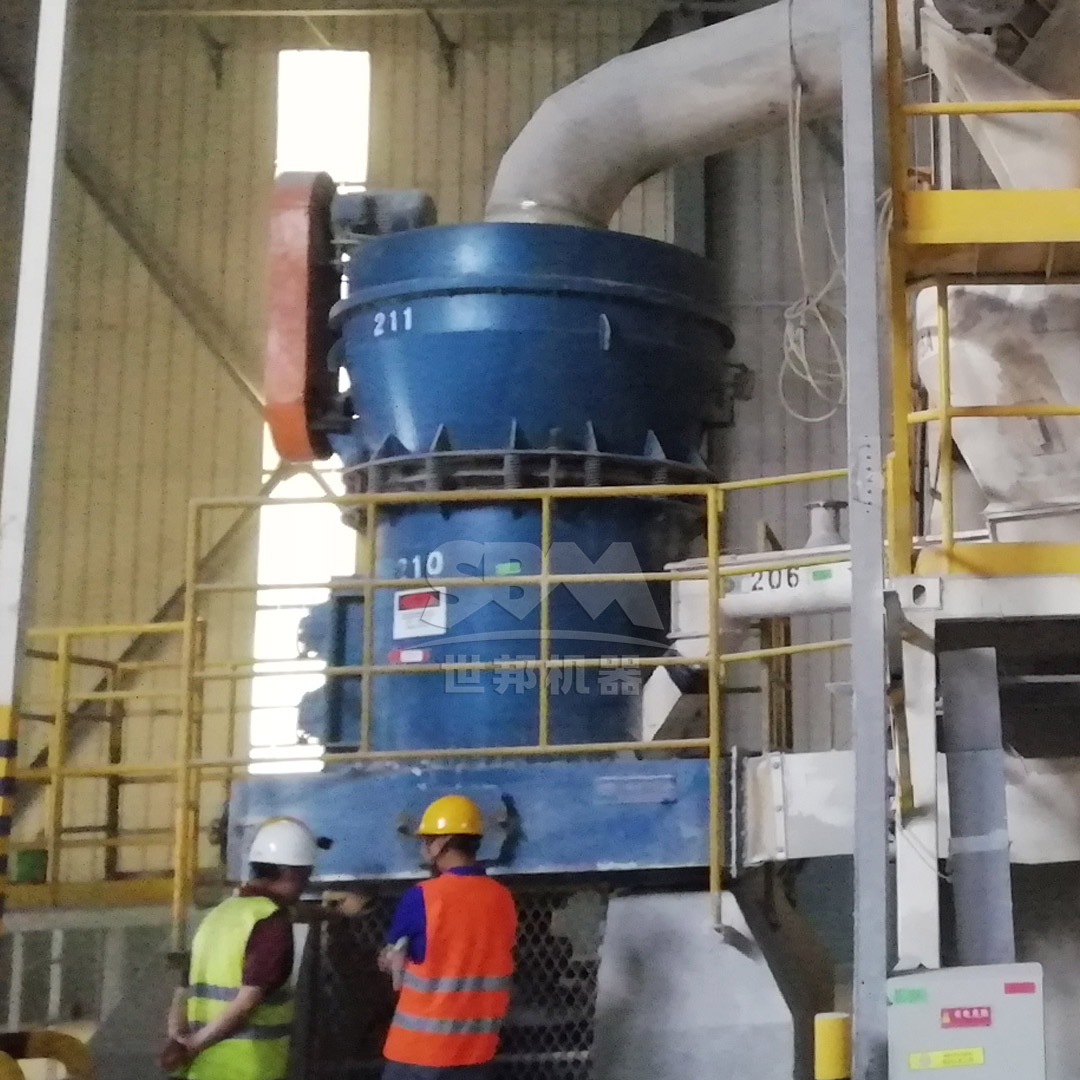
Addressing the causes outlined above requires a holistic approach combining process optimization, preventive maintenance, and the adoption of advanced technology.
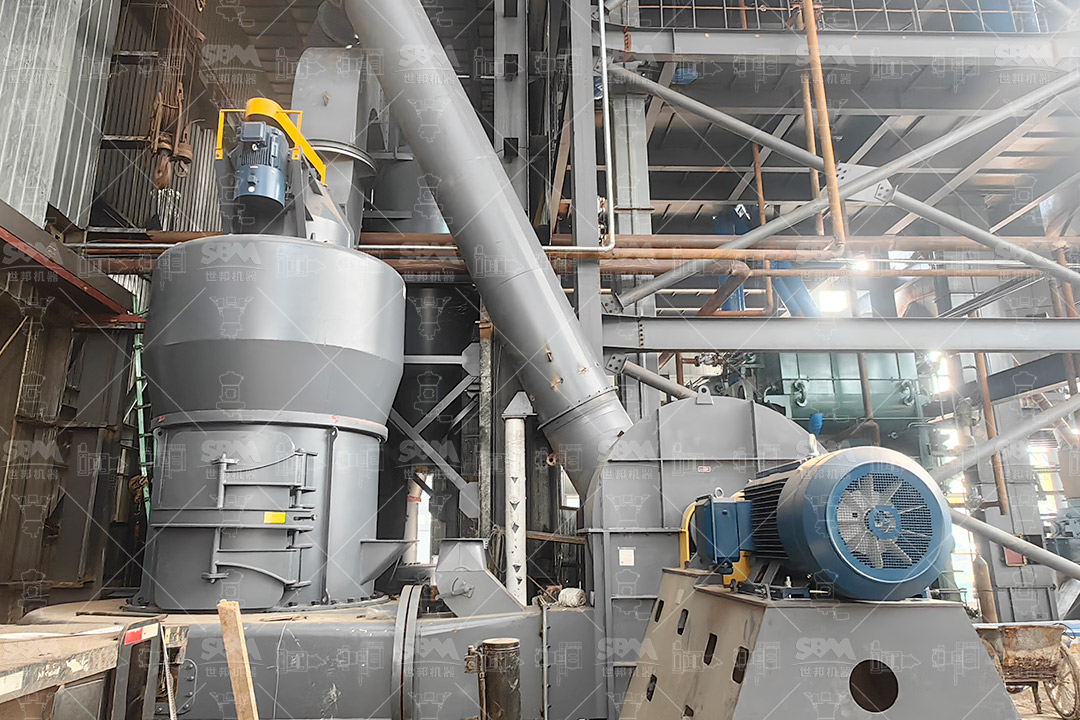
While operational best practices are crucial, the foundation for low-waste grinding is the mill technology itself. Modern mill designs incorporate features specifically aimed at enhancing efficiency, precision, and durability.
For operations requiring fine to ultra-fine grinding with exceptional yield, the SCM Series Ultrafine Mill represents a technological leap forward. This mill is engineered to directly tackle the major causes of material loss. Its vertical turbine classifier achieves unparalleled precision in particle separation, ensuring a sharp cut point and virtually eliminating coarse particles in the final product while minimizing over-grinding. This directly addresses classifier inefficiency. Furthermore, its unique grinding chamber design with special material rollers and grinding rings offers dramatically extended service life, maintaining optimal grinding geometry for longer periods and reducing performance drift due to wear. The integrated high-efficiency pulse dust collector ensures a fully sealed, negative-pressure system that captures >99.9% of processed material, preventing any physical loss. With an energy consumption up to 30% lower than traditional jet mills and a capacity that is twice as high for the same power input, the SCM Ultrafine Mill (with models like the SCM1250 offering 2.5-14 ton/h capacity at 325-2500 mesh) provides a holistic solution for minimizing waste in demanding fine-grinding applications.
For high-capacity grinding of materials to coarse and medium fineness (30-325 mesh), the MTW Series European Trapezium Mill offers robust efficiency. Its advantages directly contribute to waste reduction. The curved air duct design reduces air flow resistance, lowering the energy consumed by the system’s fan—a significant portion of overall power use. The conical gear integral transmission is 98% efficient, robust, and space-saving, ensuring reliable power delivery with minimal loss. Its wear-resistant components and modular shovel design reduce maintenance downtime and cost, promoting stable, long-term operation with consistent output. By optimizing the entire grinding and conveying process within the mill, the MTW series, such as the high-capacity MTW215G model (15-45 ton/h), ensures maximum throughput with minimal specific energy consumption and operational waste.
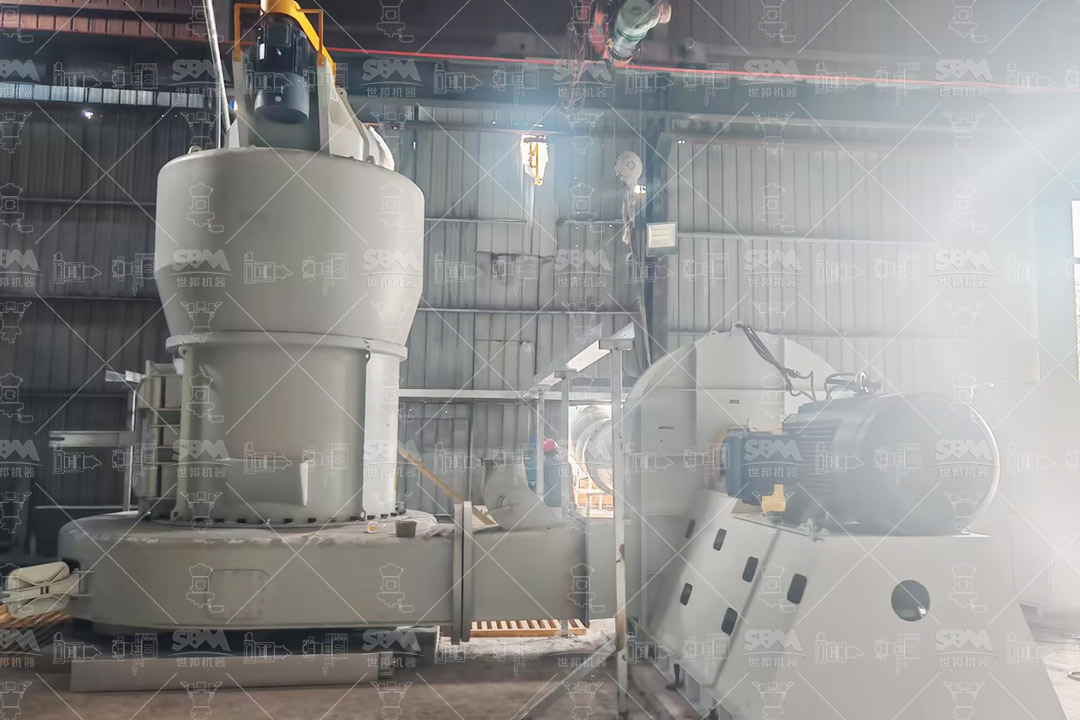
Minimizing material loss in grinding mills is not a single action but a continuous commitment to process excellence. It requires a deep understanding of the interplay between equipment, process parameters, and feed material. By systematically addressing inefficiencies in grinding, classification, wear management, and containment, significant improvements in yield, cost savings, and environmental performance can be realized. The adoption of advanced milling technology, such as the precision-engineered SCM Ultrafine Mill for superfine applications or the high-efficiency MTW Series for larger volumes, provides a powerful technological foundation for this optimization. In an era where resource efficiency is directly linked to profitability and sustainability, investing in waste reduction strategies for grinding operations is not just prudent—it is essential for long-term competitive advantage.