December 15, 2025
Introduction: The Evolving Landscape of Industrial Grinding Operations
The industrial grinding sector is undergoing a profound transformation, driven by the increasing complexity of machinery, stringent quality demands for fine powders, and a growing emphasis on operational safety and efficiency. Modern grinding equipment, such as ultrafine mills and high-capacity vertical roller mills, incorporate sophisticated control systems, precise classification mechanisms, and automated feedback loops. Operating these advanced systems requires a deep, intuitive understanding of their mechanics, parameters, and failure modes—knowledge that traditional training methods often struggle to impart effectively. This is where Virtual Reality (VR) technology emerges as a revolutionary training tool, offering a safe, immersive, and highly effective platform for skill development.
1. The Limitations of Conventional Training Methods
Historically, operator training for grinding machines has relied on a combination of classroom instruction, manuals, and supervised on-the-job training. While valuable, these methods present significant challenges:
- Safety Risks: Allowing trainees to interact with high-power machinery carrying risks of injury from moving parts, high temperatures, or system failures.
- High Cost of Errors: Mistakes during real-world operation can lead to catastrophic equipment damage, production of off-spec material, and unplanned downtime, resulting in substantial financial loss.
- Limited Scenario Exposure: It is impractical and unsafe to simulate rare but critical failure modes (e.g., bearing overheating, blockages, classifier malfunction) on actual production equipment.
- Passive Learning: Manuals and lectures are often passive, failing to engage the kinesthetic and spatial learning crucial for understanding mechanical processes.
VR training directly addresses these limitations by creating a risk-free digital twin of the physical grinding environment.
2. Core Components of a VR Training Simulator for Grinding
A comprehensive VR training system for industrial grinding is built on several key technological pillars:
- High-Fidelity 3D Modeling: Every component of the grinding system—from the main motor and grinding rollers to the classifier, cyclone, and bag filter—is meticulously recreated in 3D. Trainees can virtually \”disassemble\” the machine to understand internal assemblies like the grinding chamber or the vertical turbine classifier.
- Physics-Based Simulation Engine: The core of the training. This engine replicates the real-world physics of grinding processes. It models the relationship between feed rate, grinding pressure, classifier speed, airflow, and final product fineness. Changing one parameter in the VR control panel produces realistic, calculated changes in the system’s output and behavior.
- Interactive Failure Mode Library: Pre-programmed scenarios allow instructors to trigger specific faults. A trainee might encounter a simulated \”rising bag filter pressure\” alert, requiring them to diagnose whether it’s a pulse valve failure or a bag rupture and execute the correct shutdown and inspection procedure.
- Haptic Feedback Integration: Advanced systems incorporate haptic gloves or controllers that provide tactile feedback, simulating the resistance when \”tightening\” a bolt during virtual maintenance or the vibration pattern of an imbalanced rotor.
| Training Module |
Key Learning Objectives |
VR Simulation Features |
| Startup & Shutdown Sequence |
Learn correct order of operations to prevent mechanical stress and ensure safety. |
Interactive checklist; system blocks incorrect steps with visual/audio warnings. |
| Parameter Optimization |
Understand the impact of adjusting grinding pressure, classifier speed, and feed rate on product fineness (e.g., D97) and throughput. |
Real-time graphs showing fineness vs. power consumption; alarms for inefficient settings. |
| Emergency Response |
Develop muscle memory for responding to over-temperature, over-pressure, or blockage alarms. |
Immersive alarm sounds and visual cues; timed scoring for response effectiveness. |
| Preventive Maintenance |
Practice inspection routines and component replacement (e.g., wear parts like grinding rolls and rings). |
Tool interaction; part wear visualization; procedure verification. |
3. Skill Enhancement Through Immersive VR Experiences
VR training translates theoretical knowledge into practical, retained skills through immersive experiences:
- Spatial Intelligence and System Familiarity: Operators gain an unparalleled understanding of the machine’s layout and component relationships by navigating a life-sized virtual model. They can \”walk through\” the air ducts, see how material flows from the feeder to the grinding zone and into the collector, building a mental map far superior to any diagram.
- Procedural Mastery and Muscle Memory: Repetitive practice of complex procedures—like calibrating the spring pressure system on an MTM series mill or replacing the modular grinding roller assembly on an LM series vertical mill—in VR builds robust neural pathways. This reduces hesitation and error rates when performing the task on the physical machine.
- Diagnostic and Troubleshooting Acumen: VR can compress time and simulate long-term wear. A trainee might witness accelerated wear on grinding rings due to incorrect feed material hardness, learning to correlate visual and auditory cues (unusual vibration sounds) with root causes. They practice using the control system’s historical data trends to diagnose issues.
- Risk-Free Exposure to Extreme Scenarios: Trainees can safely experience the consequences of severe operational mistakes, such as the damage caused by metal contamination entering the grinding chamber or the system instability resulting from running a mill outside its designed parameters. This experiential learning fosters a deeper respect for protocols.
4. Case Study: Optimizing Operation for Advanced Grinding Systems
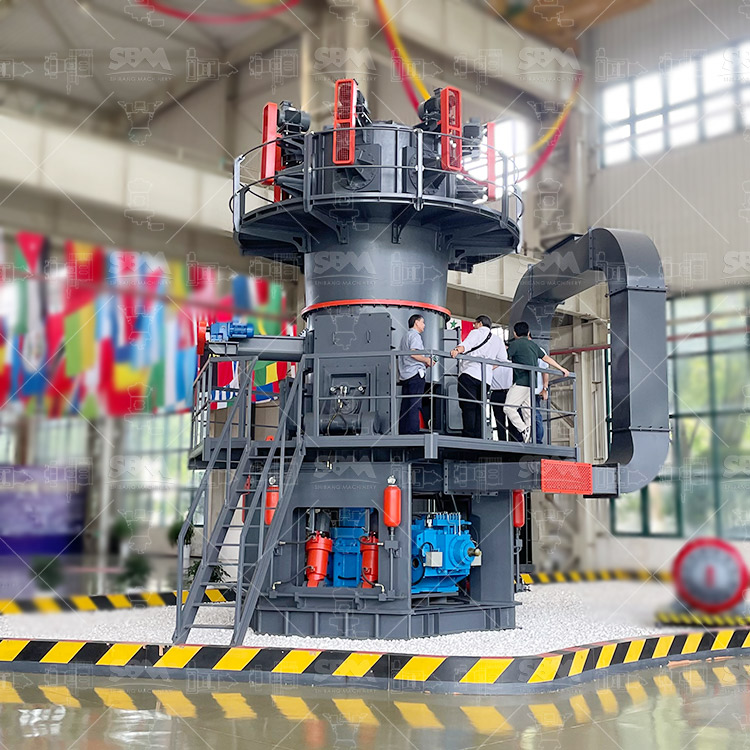
Consider the operation of a high-precision, energy-efficient mill like our SCM Ultrafine Mill. Achieving its advertised output of 325-2500 mesh (D97 ≤5μm) at an optimal 30% reduced energy consumption requires precise operator control. A VR training module for the SCM series would allow operators to:
- Virtually adjust the speed of the vertical turbine classifier and immediately observe its effect on the particle size distribution curve in real-time, mastering the principle of \”precise particle size切割.\”
- Experiment with feed rates up to 25 ton/h on different models (from SCM800 to SCM1680) to understand the relationship between capacity, power draw of the main motor (75-315kW), and final product quality.
- Practice responding to the intelligent control system’s automatic feedback on成品粒度, learning when to intervene manually versus trusting the automation.
- Conduct a virtual inspection of the special material grinding rollers and rings, learning to identify signs of wear before they impact product uniformity.
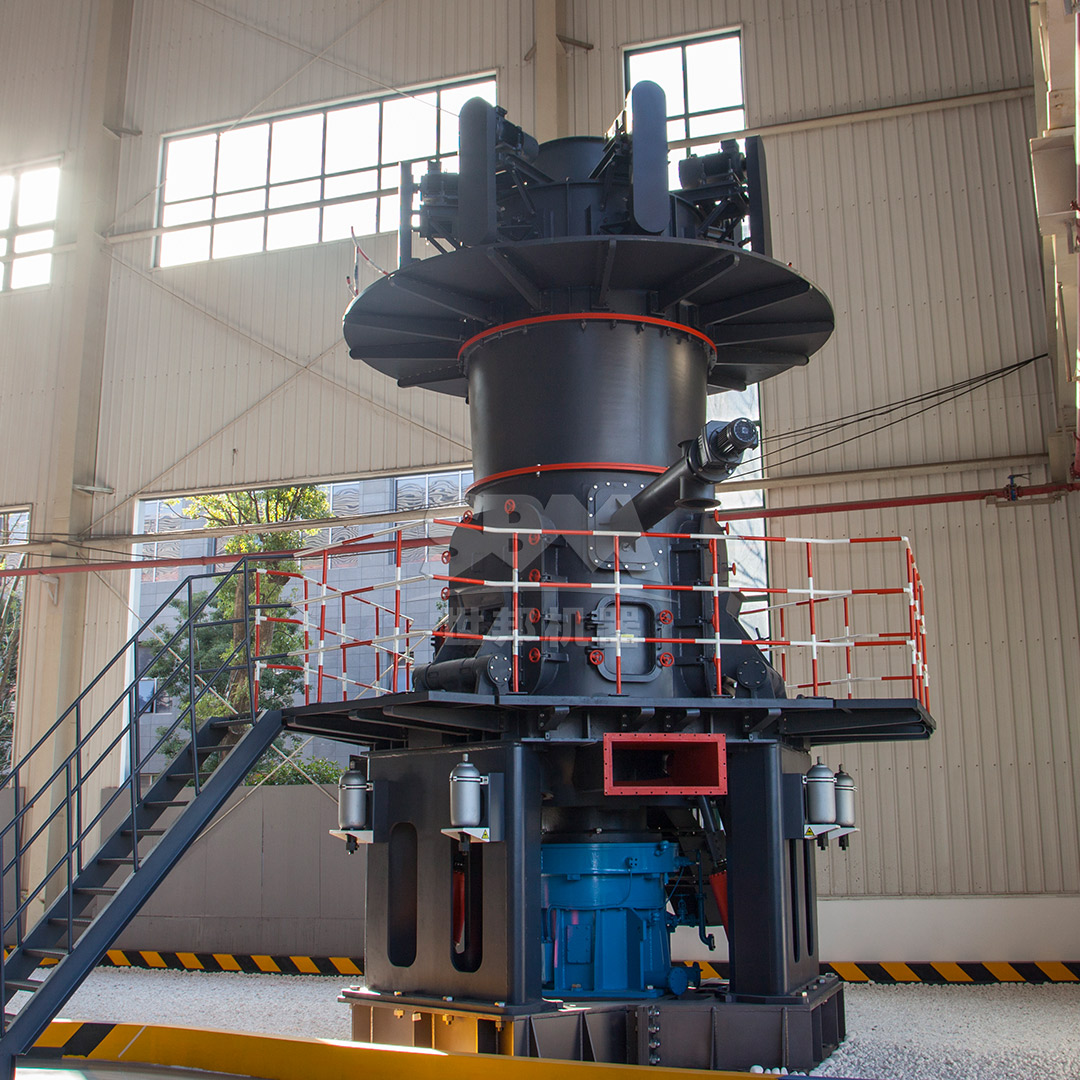
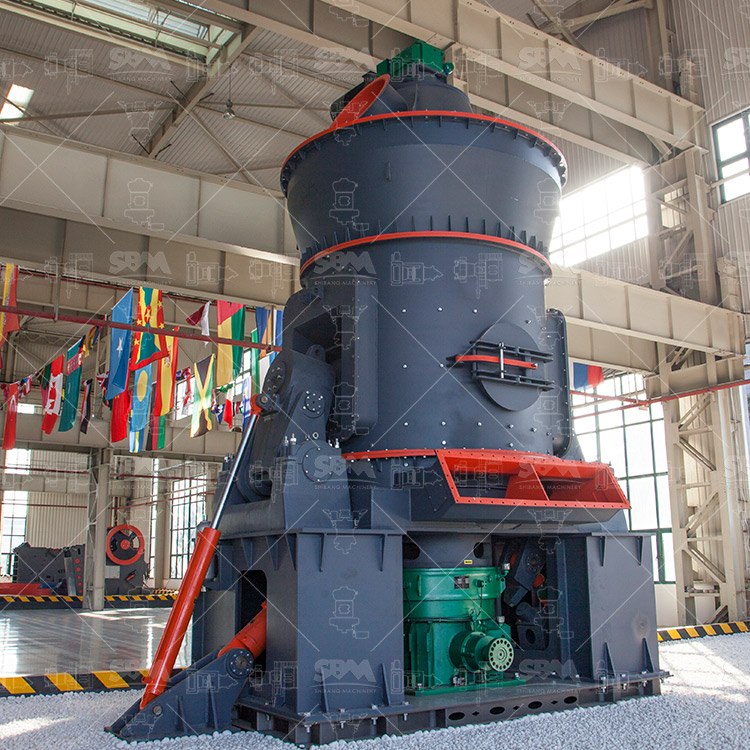
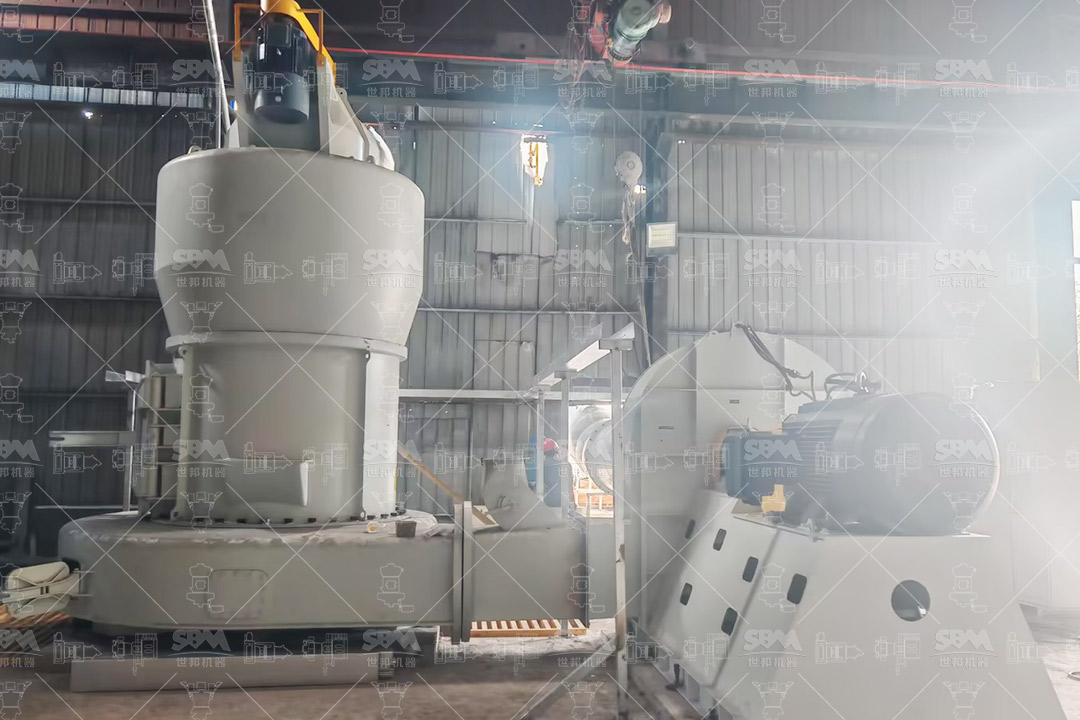
Similarly, for large-scale raw material processing, operating our LM Series Vertical Roller Mill efficiently is critical. VR training can simulate the entire process from feed (≤50mm) to final product (30-325 mesh), teaching operators how to leverage its integrated crushing/grinding/classification design. Trainees can practice using the expert automatic control system to optimize the grinding pressure for different material hardness, directly seeing the impact on the system’s renowned 30-40% energy savings compared to ball mills. They can also rehearse the procedures for the modular roller replacement system, minimizing future downtime.
5. Tangible Benefits and Return on Investment (ROI)
The implementation of VR training yields measurable benefits across multiple dimensions:
- Enhanced Safety Record: A drastic reduction in training-related incidents and improved emergency response times.
- Reduced Operational Costs: Minimized product waste, lower energy consumption through optimized operation, and extended wear-part lifespan due to better process control.
- Decreased Downtime: Faster, more accurate troubleshooting and maintenance performed by better-trained technicians.
- Accelerated Proficiency: New operators achieve competency significantly faster, reducing the burden on senior staff and shortening the onboarding cycle.
- Standardized Expertise: Ensures all operators, regardless of location, are trained to the same high standard using the same best-practice procedures.
6. The Future: Integration with Digital Twins and AI
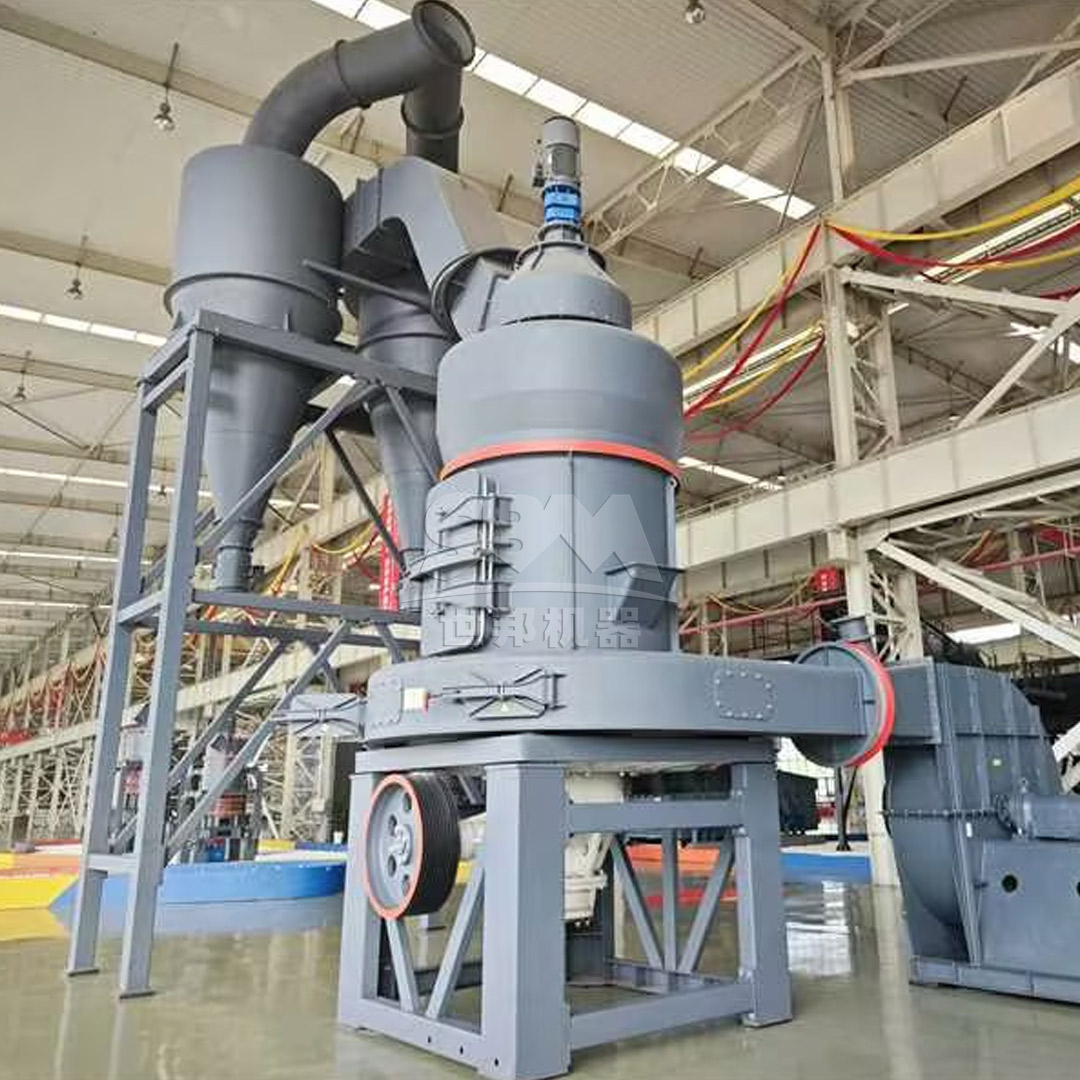
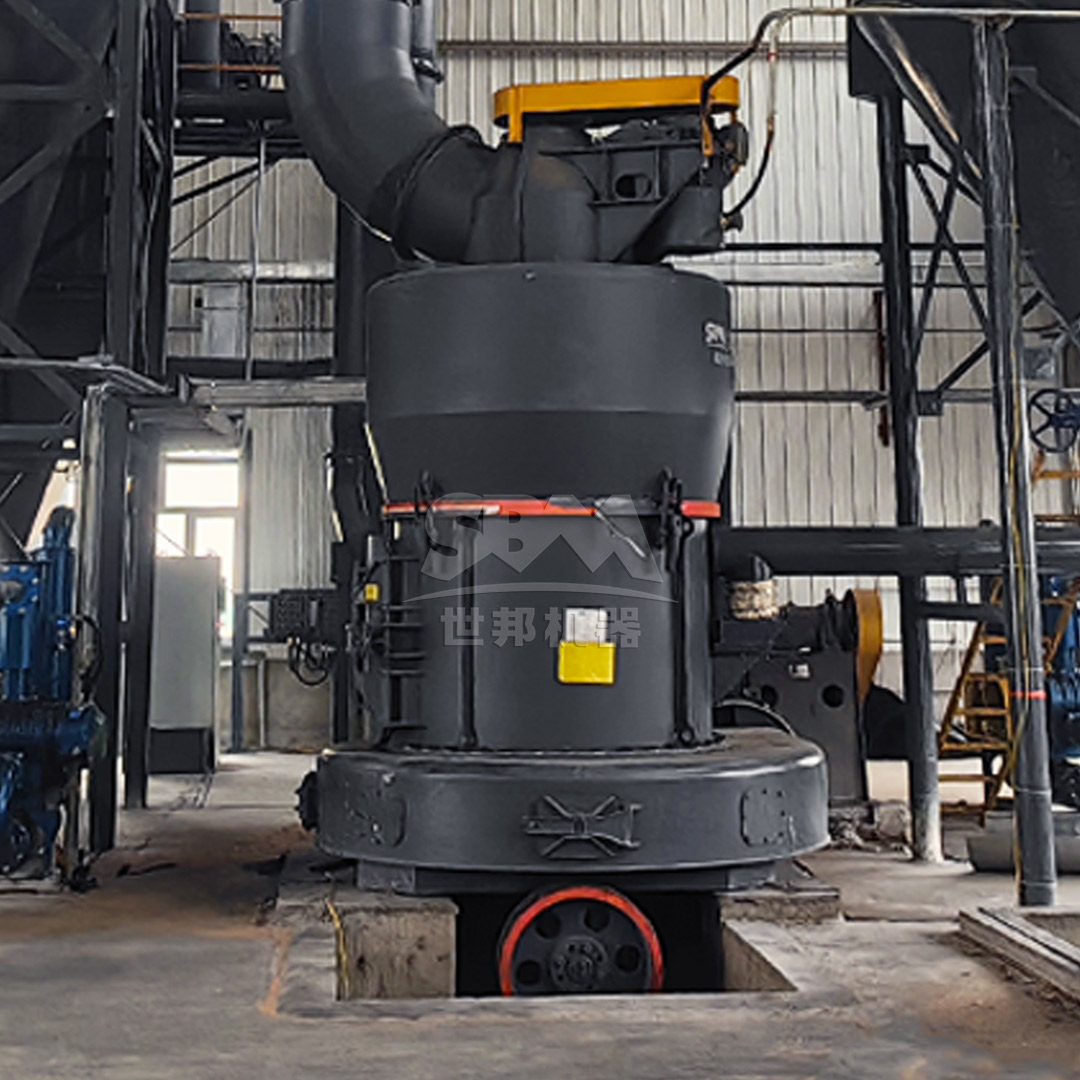
The future of VR training lies in its integration with broader Industry 4.0 initiatives. The VR training model can evolve into a live Digital Twin of the actual grinding mill in the plant. Real-time operational data (vibration, temperature, power consumption) from the physical MTW Series Trapezium Mill could be fed into the VR environment. An operator in training could then see the direct consequences of their virtual adjustments mirrored in the twin’s performance metrics. Furthermore, Artificial Intelligence (AI) can be used to create adaptive training paths. The AI could analyze a trainee’s performance in simulating the operation of a high-capacity mill like the MTW215G (15-45 t/h capacity), identifying weaknesses in understanding the curved air duct optimization or the cone gear integral transmission, and then generating custom scenarios to address those specific knowledge gaps.
Conclusion
Virtual Reality training represents a paradigm shift in human capital development for the industrial grinding sector. It moves beyond passive instruction to active, experiential learning within a consequence-free environment. By allowing operators to intimately understand, manipulate, and troubleshoot complex systems like the high-efficiency SCM Ultrafine Mill or the robust LM Series Vertical Mill, VR builds a level of competence and confidence that directly translates into safer operations, higher quality output, reduced costs, and maximized equipment potential. As grinding technology continues to advance, VR training will become not just an advantage, but an essential component of a modern, competitive, and skilled workforce.