In the competitive landscape of modern mineral processing, cement production, and advanced material manufacturing, the central operational challenge lies in achieving an optimal equilibrium between two often-conflicting objectives: maximizing production capacity and ensuring superior, consistent material quality. High throughput is essential for economic viability and meeting market demand, while precise control over particle size distribution (PSD), shape, and chemical purity is critical for product performance, downstream processing efficiency, and final application value. Traditional grinding systems frequently force a compromise, where pushing for higher output leads to wider PSD, increased energy consumption per ton, and accelerated wear on grinding media, ultimately degrading product quality and increasing operational costs. This article explores the technological and operational strategies essential for harmonizing these demands, with a focus on advanced milling solutions that redefine this balance.
The relationship between throughput and fineness is governed by fundamental principles of comminution. Increasing feed rate typically reduces residence time in the grinding chamber, which can lead to a higher proportion of coarse particles in the product. Conversely, achieving finer grinds requires more energy input and often reduces the mill’s capacity. Several factors influence this delicate balance:
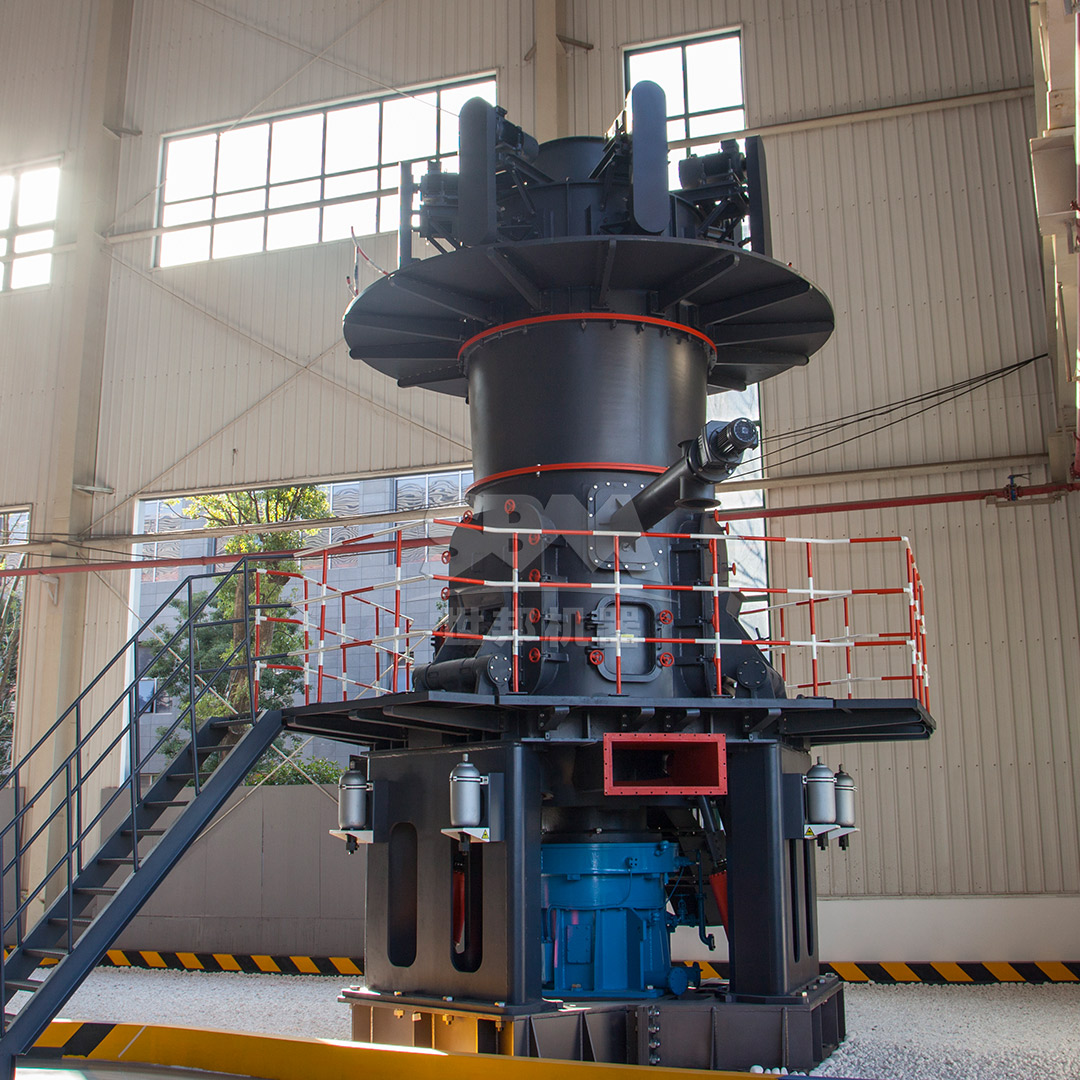
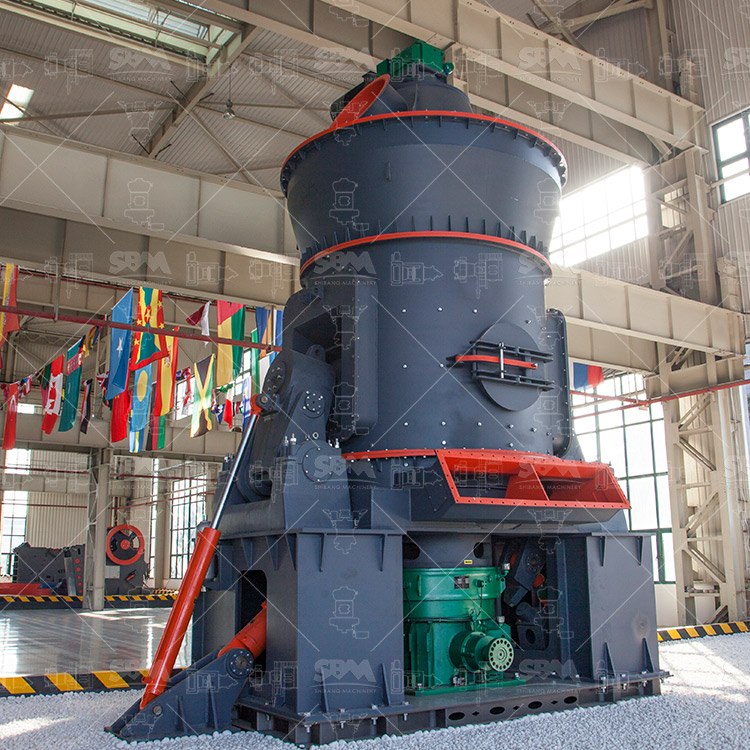
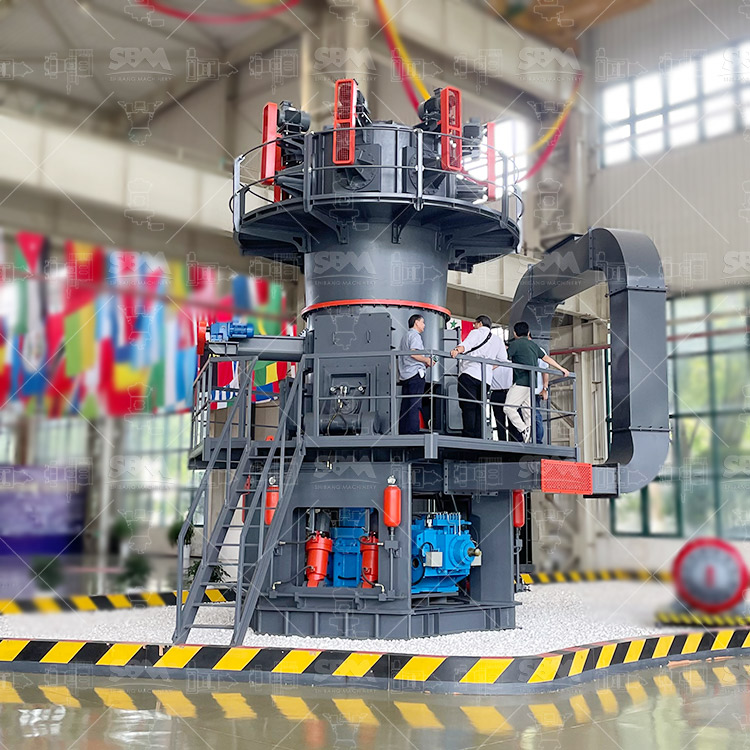
The choice between impact, compression, attrition, or a combination thereof directly affects efficiency and product characteristics. For instance, ball mills rely on impact and attrition but can generate excessive heat and have limited control over top size. Modern vertical roller mills and advanced pendulum mills utilize a more efficient bed-compression principle, offering better energy efficiency and control.
A mill’s true capacity is not just its grinding rate but its closed-circuit efficiency. An integrated, high-precision classifier is paramount. It must swiftly and accurately separate finished product from oversize material, ensuring only the latter returns for further grinding. Inefficient classification leads to overgrinding of fines (wasting energy) and undergrinding of coarse particles (compromising quality), creating a bottleneck.
Hardness, abrasiveness, moisture content, and feed size distribution are critical. A mill designed for soft limestone will struggle with hard granite, sacrificing either capacity or fineness. Consistent feed size is crucial for stable operation; wide fluctuations force constant operational adjustments, destabilizing the balance.
Modern grinding is not an isolated operation. It involves coordinated systems for feeding, grinding, classifying, dust collecting, and material handling. Advanced PLC systems with real-time monitoring of parameters like motor load, pressure differential, and classifier speed can automatically adjust operations to maintain target fineness at optimal throughput.
| Factor | Impact on Capacity | Impact on Quality | Optimal Strategy |
|---|---|---|---|
| Grinding Force/ Pressure | Higher pressure increases throughput but risks overloading. | Must be optimized to achieve desired particle fracture without excessive fines. | Automated pressure systems (e.g., hydraulic or spring-loaded rollers). |
| Classifier Speed | Faster speed reduces internal recirculation, potentially increasing net output. | Directly controls the cut point (D97) of the final product. | Variable frequency drives for precise, in-process adjustment. |
| Airflow Volume | Insufficient airflow limits material transport, capping capacity. | Affects drying efficiency and particle dispersion in the classifier. | Optimized fan and duct design to minimize pressure drop. |
| Wear State of Grinding Elements | Worn parts reduce grinding efficiency, lowering effective capacity. | Causes inconsistent grinding, leading to wider PSD and potential contamination. | Use of high-wear-resistant materials and predictive maintenance schedules. |
Breakthroughs in mill engineering have provided tangible solutions to the capacity-quality dilemma. These are not incremental improvements but paradigm shifts in design philosophy.
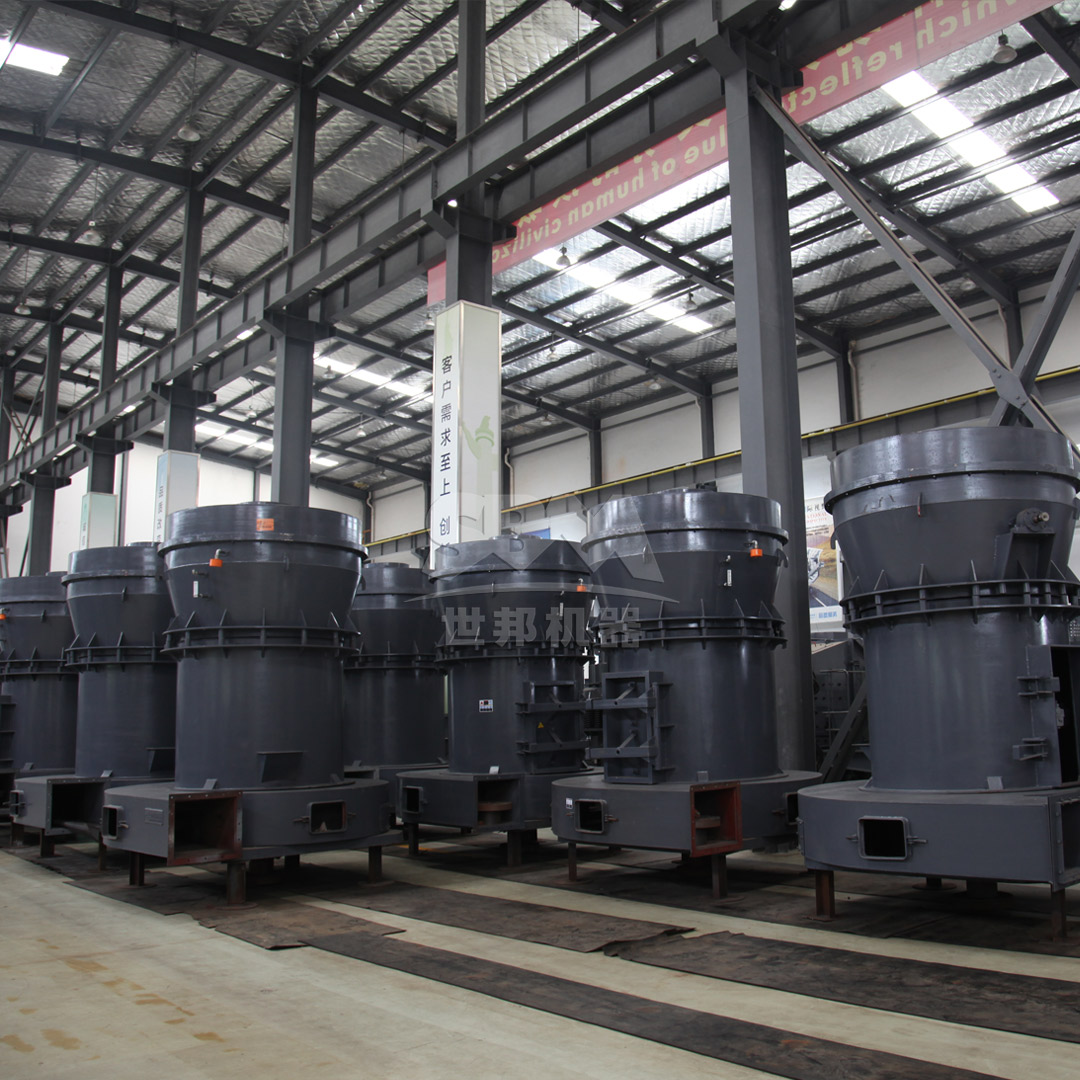
The design of grinding elements—rolls, rings, tables—has evolved. Curved contact surfaces and optimized nip angles create a more effective grinding bed, improving efficiency. The use of advanced composite materials, such as high-chrome alloys or ceramic inserts, extends service life by several multiples, maintaining consistent grinding geometry over longer periods. This consistency is key to stable product quality. For example, the MTW Series Trapezium Mill incorporates a patented curved air duct and wear-resistant shovel design. The curved duct reduces air flow resistance by 10-15%, directly boosting system throughput for the same energy input, while the segmented, high-manganese steel shovels ensure consistent material lifting into the grinding zone, protecting product uniformity even under high-capacity operation.
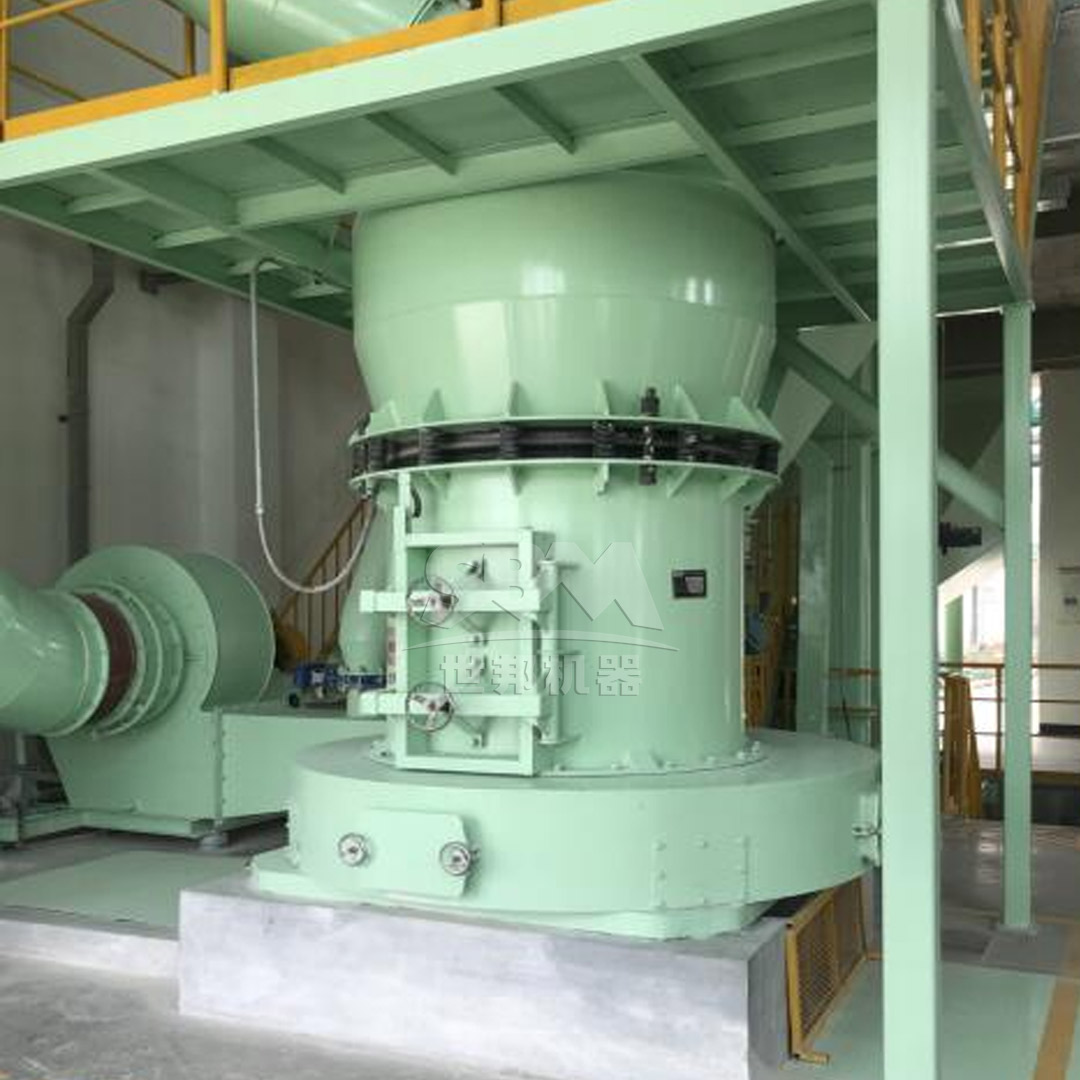
The heart of quality control in a dry grinding process is the classifier. Moving beyond simple static separators or single-rotor dynamic classifiers, the latest systems employ vertical turbine classifiers with multiple rotors or cage designs. These allow for extremely sharp particle size cuts. The integration of such classifiers, like the one found in the SCM Ultrafine Mill, is revolutionary. Its vertical turbine classification system can achieve a final product fineness ranging from 325 to an impressive 2500 mesh (D97 ≤5μm). More importantly, it ensures that no coarse particles are mixed into the final product, guaranteeing uniformity. This precision eliminates the need for secondary classification steps, thereby supporting high capacity without quality sacrifice. Its intelligent control system automatically adjusts the classifier speed based on real-time feedback, maintaining the target fineness even with variations in feed material.
True balance is achieved at the system level. Modern mills are designed as integrated units where mechanical grinding, pneumatic conveying, classification, and dust collection are co-engineered for synergy. Negative pressure operation contained within the mill housing prevents dust leakage, ensuring an environmentally sound process. Furthermore, expert control systems now manage the entire operation. They can correlate parameters like main motor power, classifier speed, and feeder rate to predict and prevent imbalances. For instance, if the system detects a trend toward a coarser product, it can automatically slightly reduce feed rate or adjust classifier speed to correct the drift before it becomes significant, ensuring both quality and throughput remain on target.
| Technology Feature | Benefit for Capacity | Benefit for Quality | Exemplary Product |
|---|---|---|---|
| Bed-Compression Grinding (e.g., Vertical Roller Mills) | Higher energy efficiency (30-50% less than ball mills), enabling greater throughput per kW. | Gentler grinding action produces fewer microfractures and more uniform particle shape. | LM Series Vertical Roller Mill |
| Vertical Turbine Classifier | Reduces internal recirculation load, freeing up mill capacity for fresh feed. | Provides precise cut size, narrow PSD, and no coarse particle contamination. | SCM Ultrafine Mill |
| Centralized Lubrication & PLC Control | Reduces unplanned downtime, maximizing operational availability and sustained capacity. | Ensures stable operating conditions (pressure, temperature), key for consistent quality. | MTW Series Trapezium Mill |
| Modular Wear Part Design | Enables faster replacement, minimizing capacity loss during maintenance. | Ensures original grinding geometry is restored, maintaining product specs. | Most Modern Mill Designs |
To illustrate these principles in practice, let’s examine two complementary solutions from our portfolio that are engineered to master the capacity-quality equation for different application ranges.
For ultra-fine grinding applications where product fineness is the paramount concern—such as in high-performance fillers, advanced ceramics, or pharmaceuticals—the SCM Ultrafine Mill stands out. It directly addresses the historical trade-off by delivering exceptional fineness (down to 5μm) at commercially viable rates (0.5-25 TPH depending on model). Its success hinges on the synergy of a three-ring medium-speed micro-grinding mechanism and the aforementioned high-precision vertical turbine classifier. The result is a system where capacity is not sacrificed for quality; it achieves a D97 fineness of 5μm with an energy consumption reported to be 30% lower than comparable jet mills, which are traditionally used for such fine work but at lower throughputs. This makes the SCM series a cost-effective, high-capacity solution for the most demanding quality markets.
For high-volume processing of materials like limestone, calcite, dolomite, and barite to fine and medium-fine powders (30-325 mesh), the MTW Series Trapezium Mill excels. It is designed for robustness and efficiency at scale, with models reaching up to 45 TPH. Its technological advantages, such as the conical gear integral transmission (98% efficiency) and the wear-resistant volute air casing, are focused on minimizing energy losses and maintenance downtime—key drivers of sustained high capacity. The innovative internal surface of the mill base is designed to guide material smoothly into the grinding zone, preventing buildup and ensuring stable operation. This design intelligence ensures that the high throughput is matched with consistent product quality across long production runs, making it an ideal workhorse for industries like construction materials, industrial minerals, and power plant desulfurization.
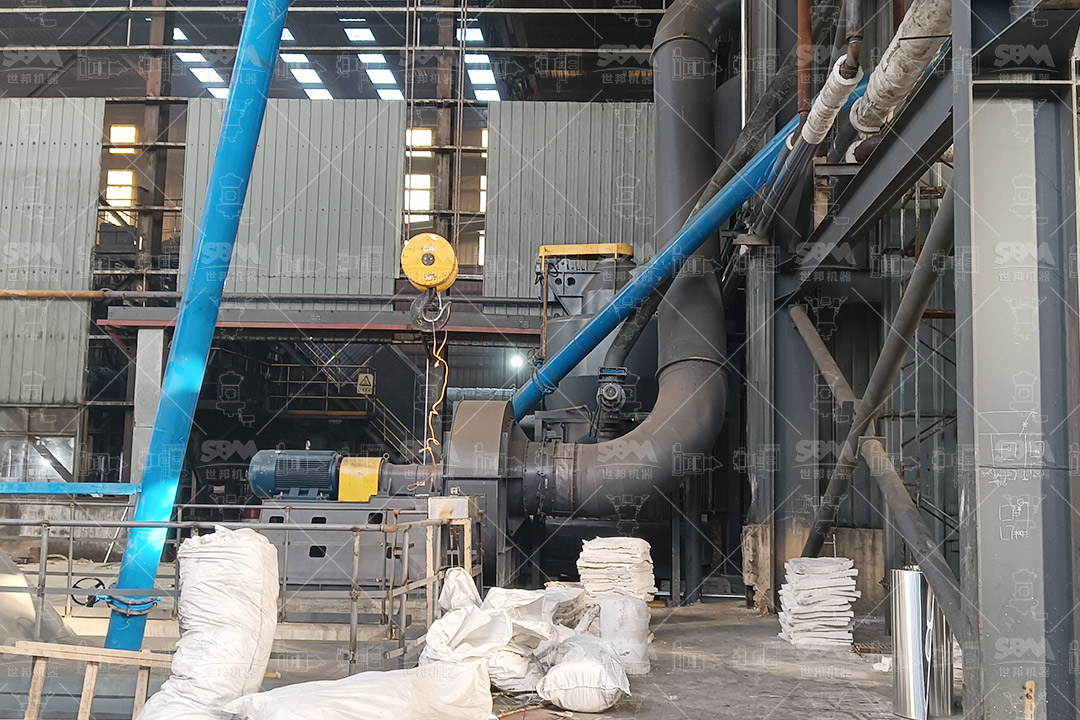
Even the most advanced technology requires sound operational practices. Key recommendations include:
The dichotomy between production capacity and material quality in industrial grinding is no longer an insurmountable challenge. Through intelligent mechanical design, precision classification, and integrated digital control, modern milling technology has evolved to offer synergistic solutions. The selection of the appropriate technology—whether it is the ultra-fine precision of the SCM series or the high-volume efficiency of the MTW series—must be guided by specific material and product goals. By leveraging these advanced systems and adhering to rigorous operational practices, producers can confidently meet the dual imperatives of the market: delivering large volumes of consistently high-quality powder, thereby securing both operational efficiency and competitive advantage. The future of grinding lies not in choosing between capacity and quality, but in technologies engineered to maximize both simultaneously.