December 24, 2025
Introduction
The production of high-quality coconut shell charcoal powder is a sophisticated process that demands precision, efficiency, and reliability. From the initial crushing of raw coconut shells to the final collection of ultra-fine powder, each stage requires specialized equipment designed to handle the unique properties of the material. This guide provides a comprehensive overview of the complete production line, with a particular focus on the critical grinding and milling stages, and offers expert equipment recommendations to optimize your operation for yield, quality, and profitability.
The Complete Coconut Shell Charcoal Powder Production Line
A typical, efficient production line consists of several interconnected stages:
- Raw Material Preparation & Primary Crushing: Dried coconut shells are first reduced to smaller, more uniform chips (typically 0-40mm) using a robust primary crusher, such as a hammer mill. This step ensures consistent feed size for subsequent grinding.
- Drying (Optional): If the charcoal feedstock retains high moisture, a dryer may be integrated to reduce moisture content, preventing clogging and improving grinding efficiency.
- Intermediate & Fine Grinding: This is the core of the powder production process. The pre-crushed charcoal is fed into grinding mills to achieve the target fineness, which can range from coarse granules to superfine powder.
- Classification/Separation: Integrated or standalone air classifiers separate the ground powder according to particle size, ensuring a consistent and uniform final product.
- Collection & Dust Removal: A high-efficiency cyclone separator and pulse-jet bag filter system collect the finished powder while maintaining a clean, dust-free workshop environment, meeting strict environmental standards.
- Packaging & Storage: The collected powder is automatically weighed and packaged for storage or shipment.
| Production Stage |
Key Equipment |
Target Output |
| Primary Crushing |
Hammer Crusher |
0-40mm / 0-3mm chips |
| Fine Grinding |
Raymond Mill, Vertical Roller Mill |
30-325 mesh (0.6-0.045mm) |
| Ultra-Fine Grinding |
Ultrafine Mill, LUM Mill |
325-2500 mesh (5-45μm) |
| Powder Collection |
Cyclone + Pulse Dust Collector |
Collection efficiency >99.9% |
Key Grinding Equipment Selection Guide
Selecting the right mill is paramount. The choice depends primarily on the desired final fineness, required capacity, and overall investment and operational cost considerations.
1. For Coarse to Medium-Fine Powder (30-325 Mesh / 600-45μm)
This range is suitable for applications like BBQ briquettes, soil amendment, and industrial fuel. High-capacity, robust mills are ideal.
- Recommended Equipment: MTW Series Trapezium Mill
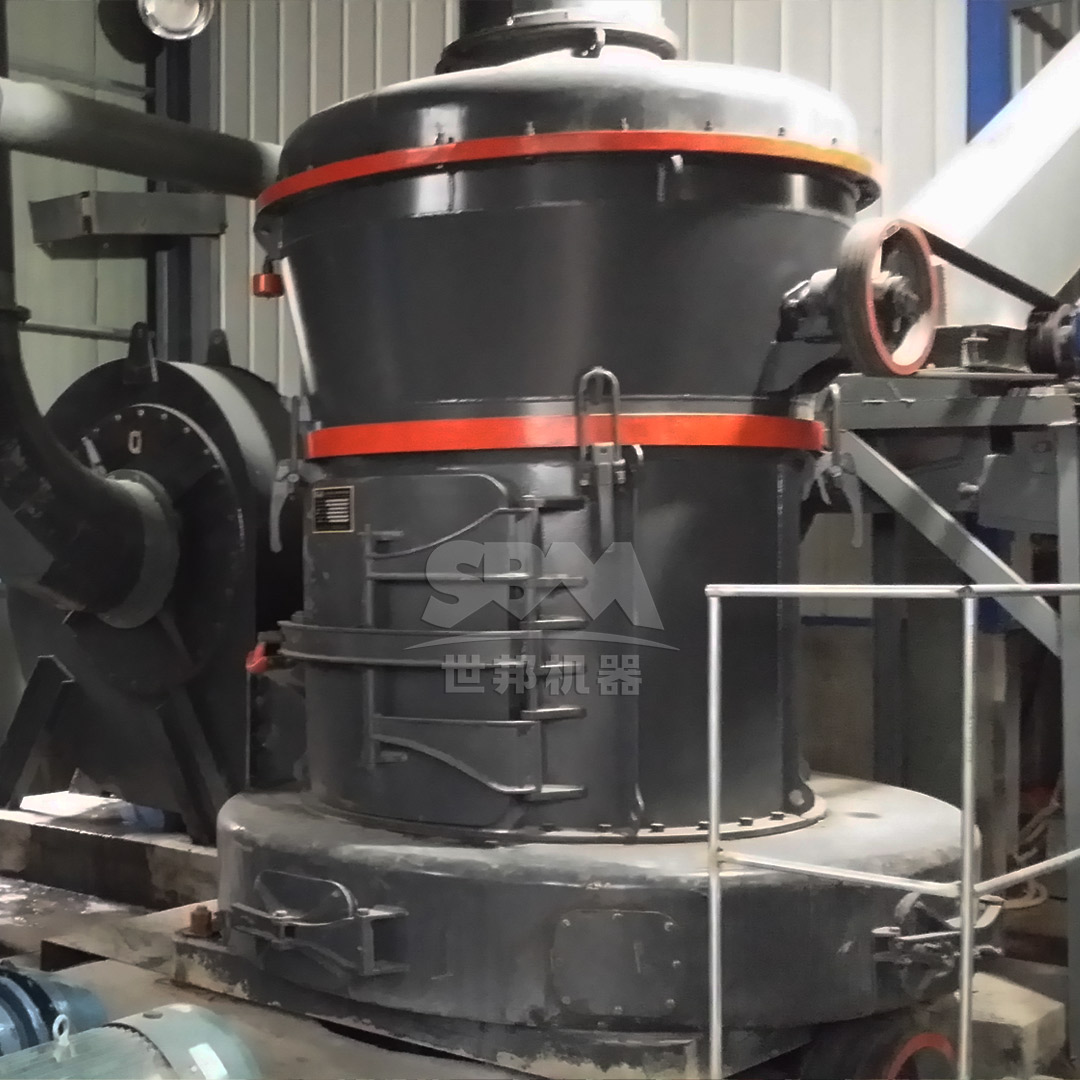
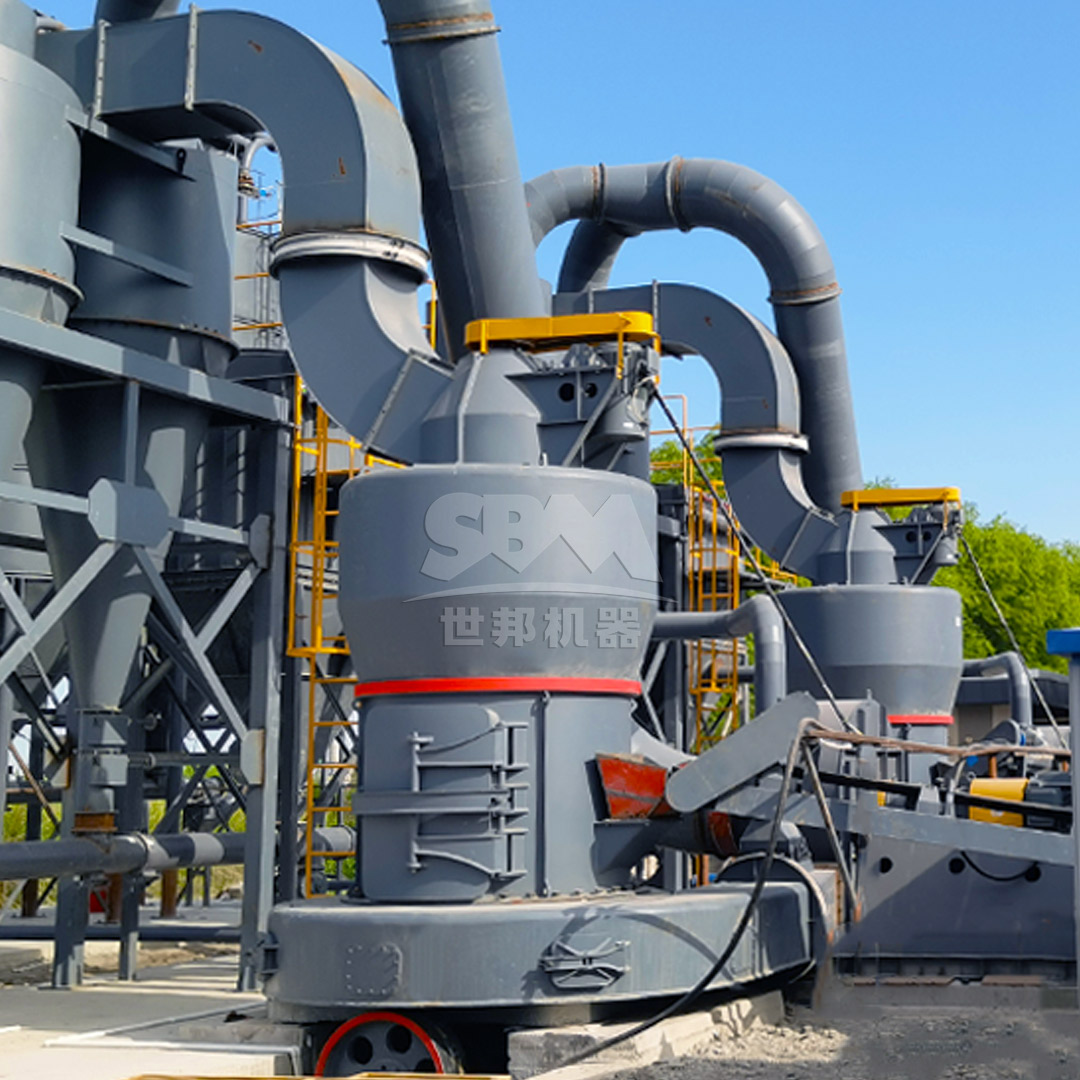
For producers targeting high-volume output of charcoal powder in the 30-325 mesh range, the MTW Series Trapezium Mill stands out as an excellent choice. Its advanced design features, such as the curved air duct and integral transmission with bevel gears, ensure high grinding efficiency and stable operation with low energy consumption. The wear-resistant volute structure and modular shovel blade design significantly reduce maintenance downtime and costs. With models like the MTW215G offering capacities up to 45 tons per hour, it is a powerhouse for large-scale production lines.
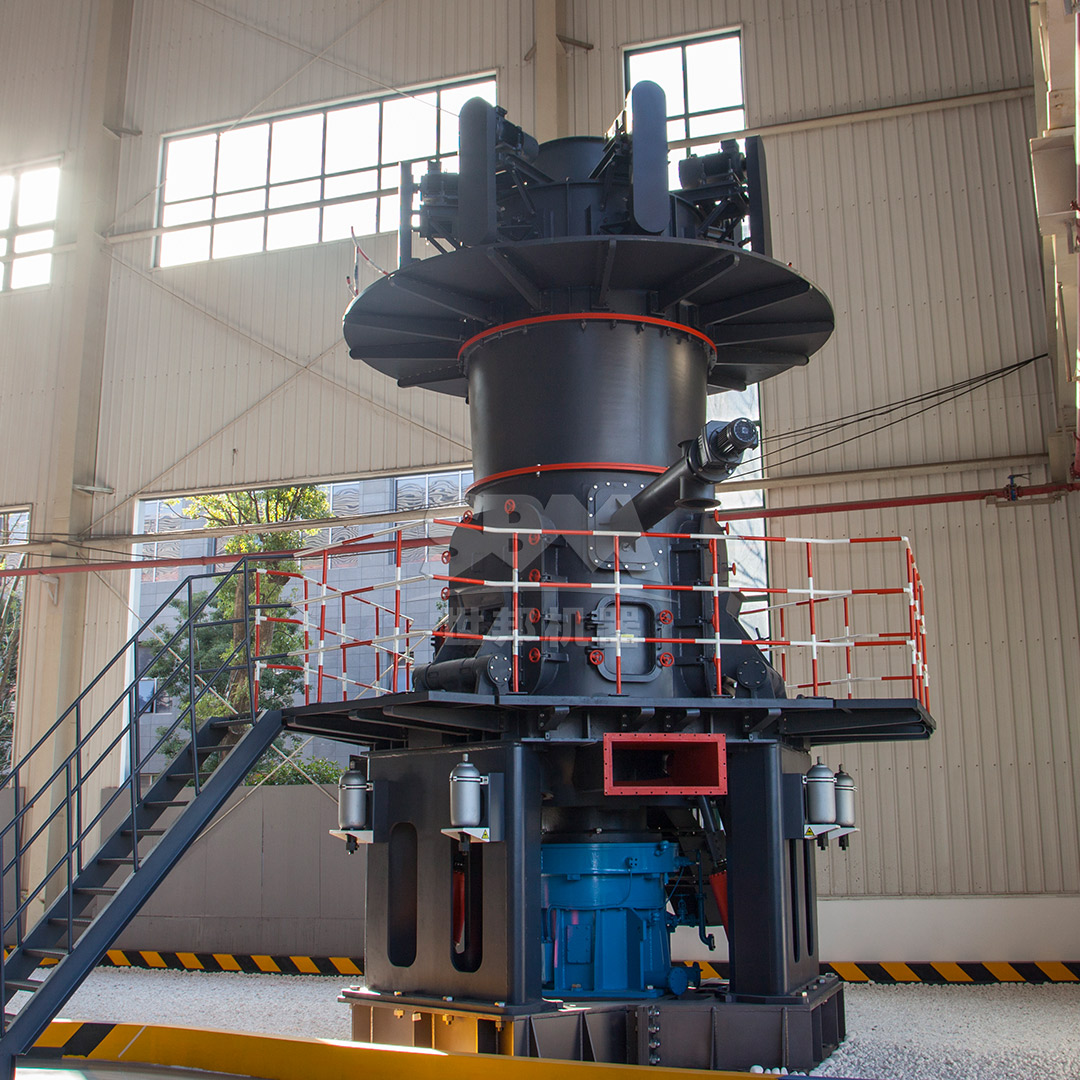
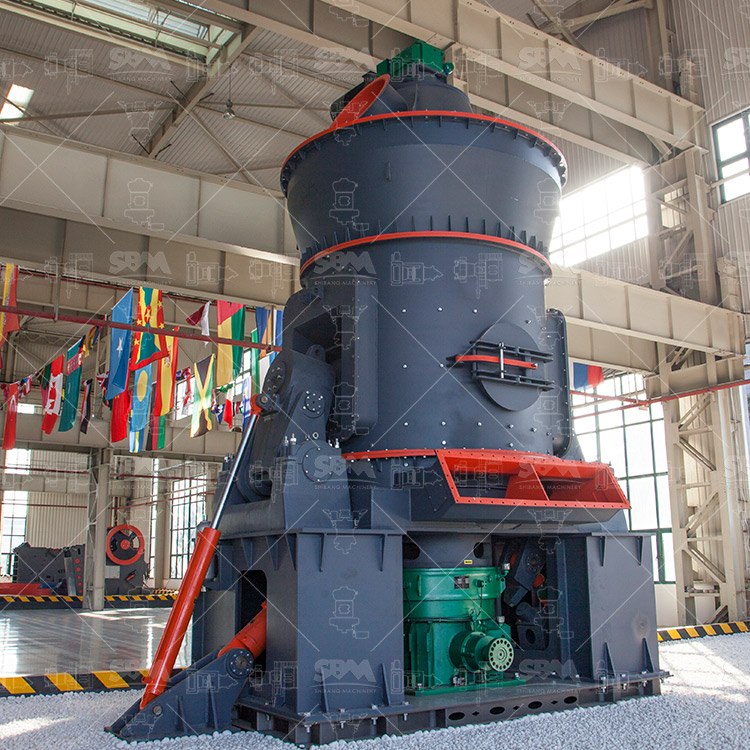
- Vertical Roller Mill (LM Series): An excellent choice for large-scale, integrated operations. It combines grinding, drying, and classification in a single unit, offering remarkable energy savings (30-40% less than ball mills) and a small footprint. Its intelligent control system allows for precise fineness adjustment and stable, automated operation.
2. For Superfine and Ultrafine Powder (325-2500 Mesh / 45-5μm)
This high-value powder is used in advanced applications such as activated carbon precursor, cosmetics, and specialized industrial fillers. Achieving this fineness requires specialized technology.
- Recommended Equipment: SCM Series Ultrafine Mill
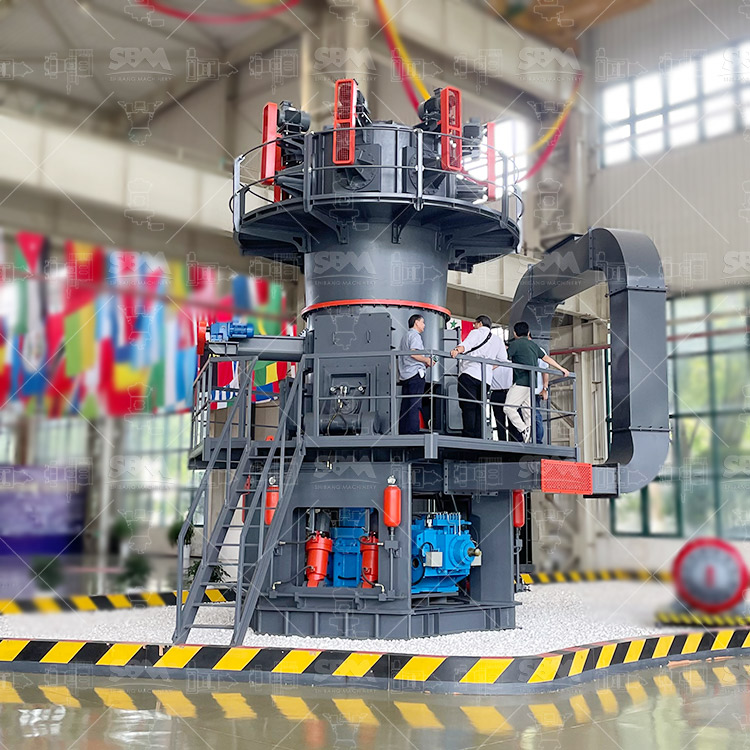
When the production goal shifts to high-value, superfine coconut shell charcoal powder (325-2500 mesh), the SCM Series Ultrafine Mill is the definitive technological solution. Its core strength lies in the high-precision vertical turbine classifier, which ensures sharp particle size cuts and a uniform product without coarse grain contamination. The mill’s efficient grinding chamber design, featuring special material rollers and rings, delivers a capacity twice that of jet mills while reducing energy consumption by 30%. Furthermore, its comprehensive pulse dust collection system and soundproof housing guarantee an environmentally friendly and quiet operation, with noise levels below 75dB. For operations ranging from pilot-scale to large industrial production (0.5 to 25 T/H), the SCM series provides unmatched precision and efficiency.
- LUM Ultrafine Vertical Mill: Another top-tier option for ultrafine grinding. It incorporates multiple rotor classification technology and intelligent PLC control, producing powder with a narrow particle size distribution and excellent quality consistency.
3. Other Supporting Equipment
- Hammer Crusher: Essential for the primary size reduction. Models like the PC4012-90 can process 15-40 T/H of raw shells down to 0-3mm chips, providing ideal feed for the fine grinding mills.
- Ball Mill: A traditional, versatile option suitable for both dry and wet grinding to a fineness of 0.074-0.8mm. It offers high reliability and a large capacity but generally with higher energy consumption compared to vertical roller mills.
Critical Factors for Equipment Selection & Operation
- Material Characteristics: Understand the hardness, moisture content, and abrasiveness of your coconut shell charcoal. This directly impacts wear part life and mill selection.
- Target Fineness & Yield: Clearly define your product specifications. A mill with a high-efficiency, adjustable classifier is crucial for meeting strict fineness requirements and maximizing yield of the target fraction.
- Production Capacity: Match the mill’s throughput to your overall plant capacity to avoid bottlenecks. Consider future scalability.
- Energy Efficiency: Operating cost is dominated by power consumption. Modern vertical mills and ultrafine mills offer significant advantages over traditional technologies like ball mills.
- System Integration & Automation: Choose equipment with modern control systems for stable operation, reduced labor, and consistent product quality. Ensure all components (crusher, mill, classifier, collector) are correctly sized and compatible.
- Durability & Maintenance: Opt for mills with wear parts made from special alloys or with easily replaceable modular designs to minimize downtime and long-term operating costs.
Conclusion
Building a successful coconut shell charcoal powder production line hinges on a strategic approach to equipment selection, particularly at the grinding stage. By aligning your target product specifications with the right grinding technology—such as the high-capacity MTW Series Trapezium Mill for medium-fine powder or the precision-engineered SCM Series Ultrafine Mill for superfine applications—you can achieve optimal efficiency, product quality, and return on investment. A well-designed, integrated system that prioritizes energy efficiency, environmental protection, and automated control is the key to thriving in the competitive charcoal powder market.