Phosphogypsum (PG), a by-product of phosphoric acid production, presents both a significant waste management challenge and a potential resource. With annual global production exceeding 200 million tons, its efficient processing is crucial for environmental sustainability and economic viability. The key to unlocking its value—whether for use in construction materials, soil amendment, or as a source of calcium sulfate—lies in effective size reduction and classification. This article explores the critical role of grinding technology in phosphogypsum processing and outlines comprehensive system solutions for transforming this industrial by-product into a valuable commodity.
Phosphogypsum’s physical and chemical properties demand specialized milling equipment. Typically containing free moisture, residual acidity, and variable crystal structures, PG can be abrasive and prone to agglomeration. The primary objectives of grinding are:
Selecting the right mill depends on the desired final product specification, capacity, and moisture content. The following technologies are at the forefront of PG processing.
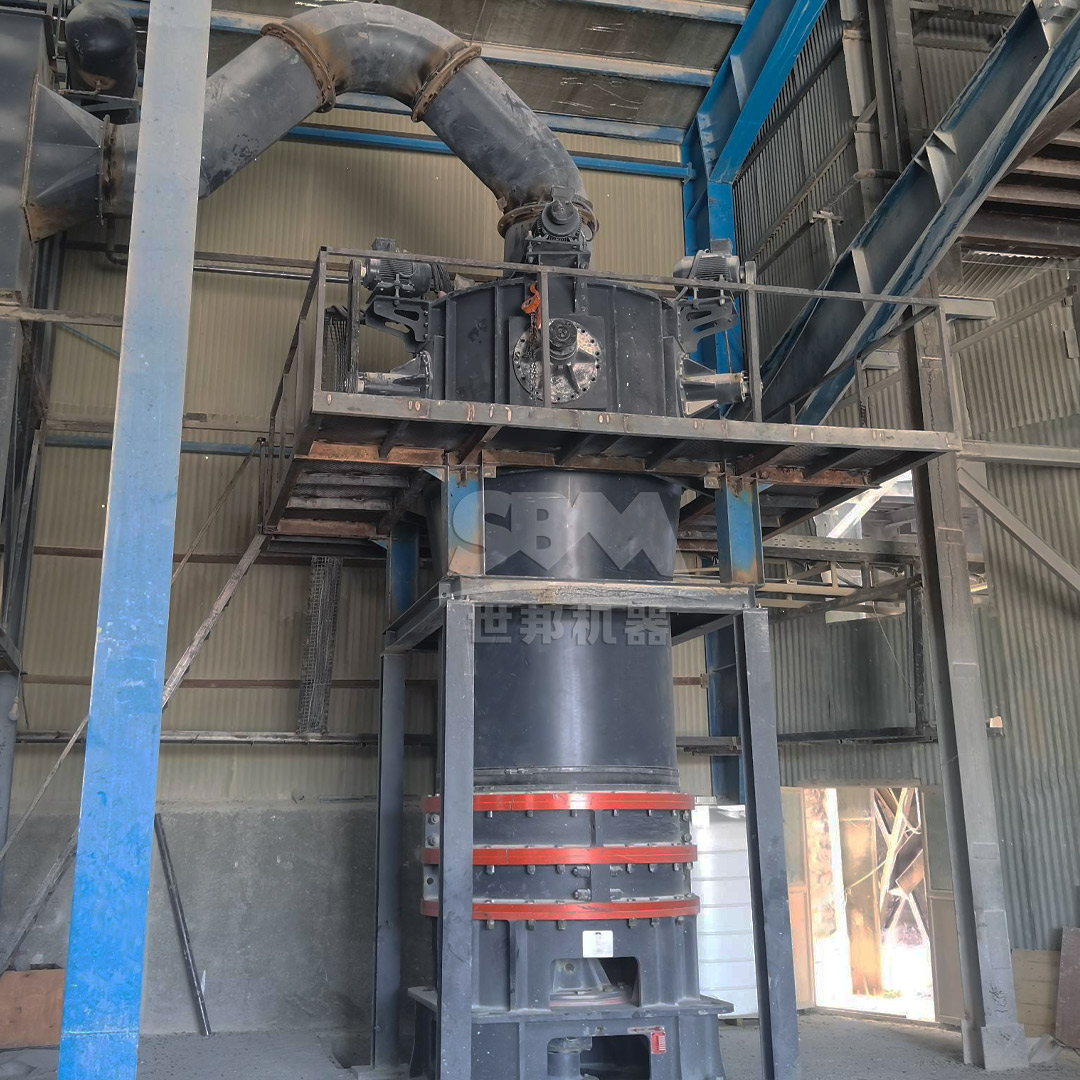
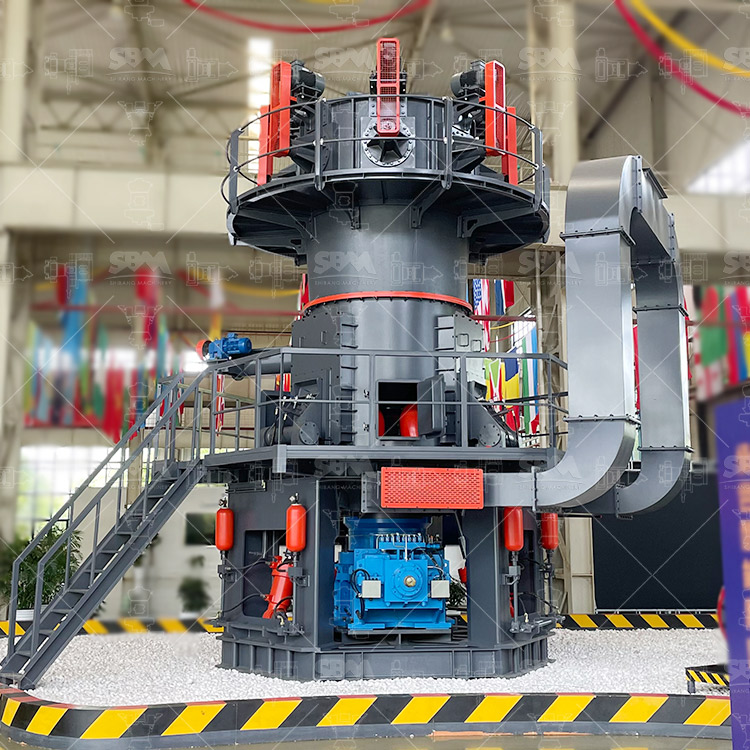
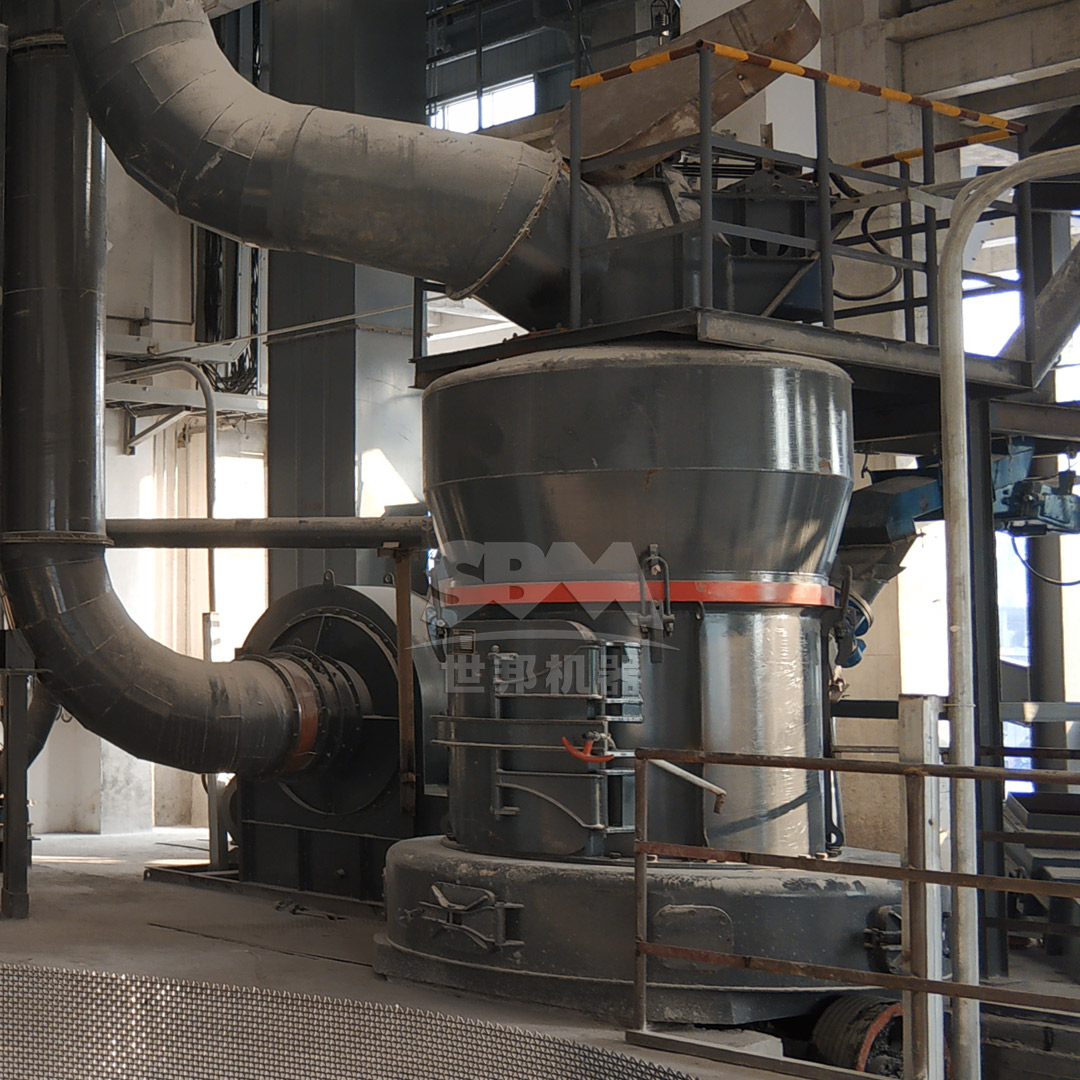
For large-scale processing of dried or semi-dried phosphogypsum, Vertical Roller Mills offer an integrated solution combining grinding, drying, and classification in a single unit. Their bed-compression grinding principle is highly efficient for medium-fineness products (30-325 mesh). A standout example in this category is our LM Series Vertical Roller Mill. Its integrated design reduces plant footprint by 50% and infrastructure costs by 40%, while its non-contact grinding design and wear-resistant materials extend component life significantly. Operating under full negative pressure, it ensures dust-free operation, a critical factor for PG handling.
| Model | Grinding Table Diameter | Capacity (t/h)* | Output Fineness | Main Power (kW) |
|---|---|---|---|---|
| LM190K | Φ1900mm | 23 – 68 | 170-45μm (30-325 mesh) | 500 |
| LM220K | Φ2200mm | 36 – 105 | 170-45μm (30-325 mesh) | 800 |
| LM280K | Φ2800mm | 50 – 170 | 170-45μm (30-325 mesh) | 1250 |
*Capacity varies with material moisture and fineness requirements.
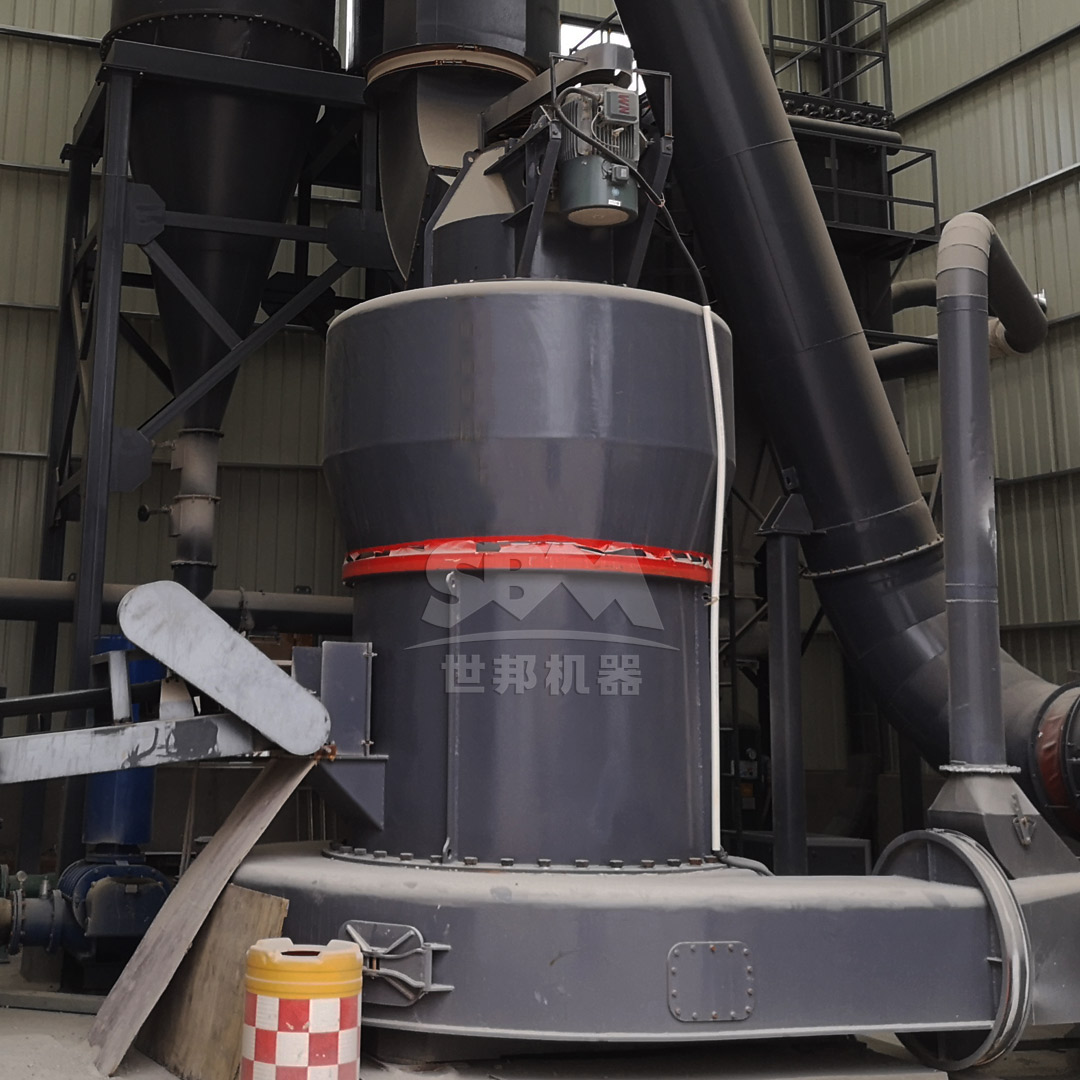
To produce high-purity, high-value fillers or specialty building materials, phosphogypsum must often be ground to ultrafine levels (325-2500 mesh). For this demanding application, pendulum roller mills and advanced classifier systems are essential. Our SCM Series Ultrafine Mill is engineered specifically for this purpose. It features a high-precision vertical turbine classifier that ensures sharp particle size cuts without coarse powder mixing. Its energy-efficient design offers capacity twice that of traditional jet mills while consuming 30% less power. The fully sealed system with pulse dust collection exceeds international environmental standards, making it ideal for producing consistent, high-quality ultrafine PG powder.

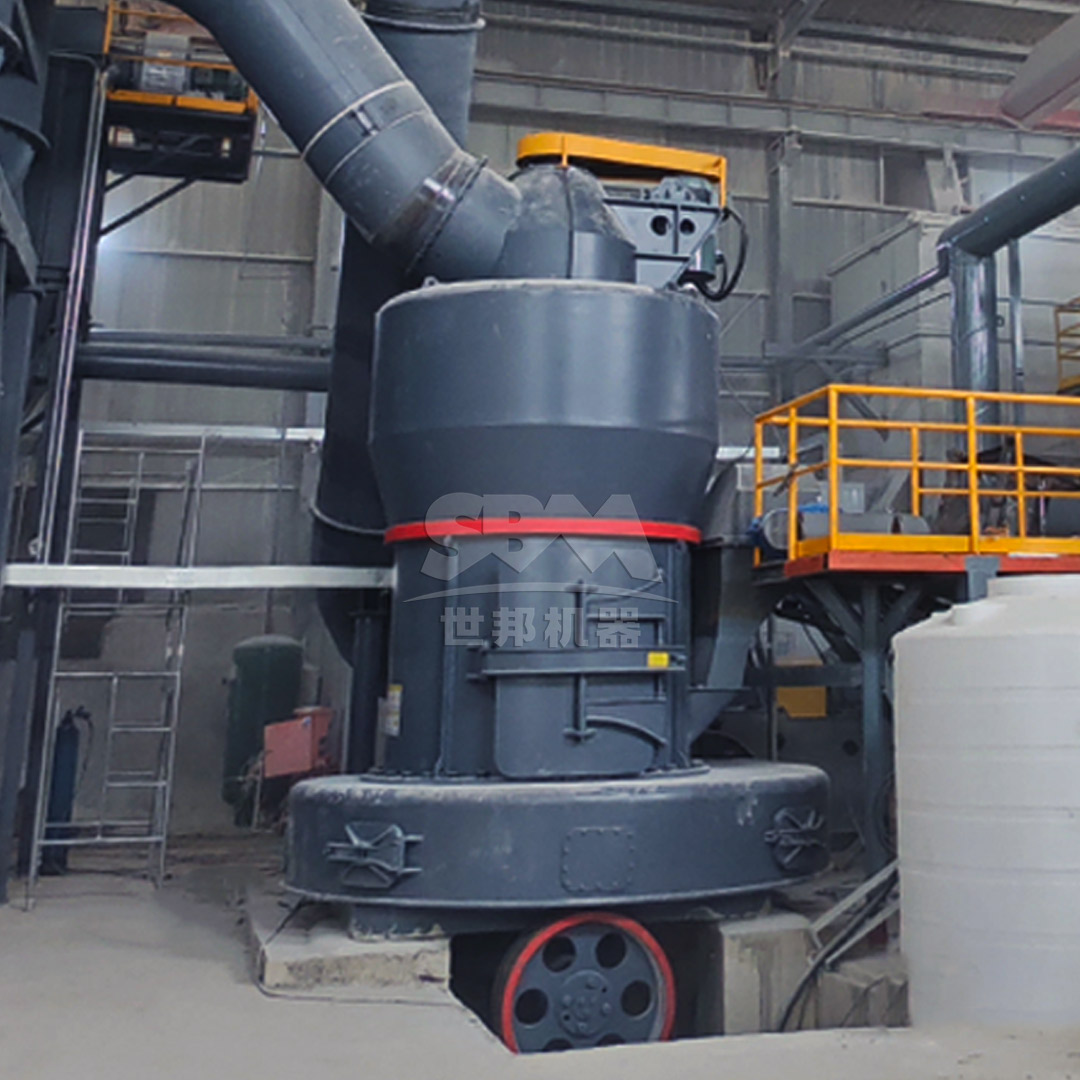
For projects requiring flexibility in feed size and a wide range of output fineness (45-325 mesh), European-style trapezium mills and pendulum mills are excellent choices. Technologies like the MTW Series and MRN Pendulum Mill feature curved grinding rollers and shovels, integral gear drives, and advanced air ducts for efficient, reliable operation. Their modular wear parts design simplifies maintenance, a key consideration for processing abrasive materials like phosphogypsum.
A successful phosphogypsum processing line is more than just a mill. It requires a synchronized system engineered for reliability and efficiency.
The transformation of phosphogypsum from an environmental liability into a useful resource is a technically demanding but economically rewarding endeavor. Success hinges on selecting grinding technology that balances high capacity, energy efficiency, product quality, and environmental compliance. From the high-capacity LM Vertical Roller Mill for base-grade material to the precision SCM Ultrafine Mill for specialty products, a range of robust solutions exists. By implementing a complete, integrated system solution—from raw feed to packaged product—processors can achieve operational excellence, reduce their environmental footprint, and create new revenue streams from phosphogypsum valorization.