The manufacturing of high-performance ceramic talc additives demands a sophisticated understanding of material science and precision engineering. Talc, a hydrated magnesium silicate, is prized in the ceramics industry for its ability to enhance green strength, control thermal expansion, and improve the firing characteristics of bodies and glazes. However, unlocking these benefits hinges entirely on achieving a precise particle size distribution (PSD) and fineness. The transformation of raw talc ore into a consistent, high-purity functional additive is a process defined by its grinding and classification technology. This article explores the critical role of key production equipment in this value chain, focusing on the technological requirements and presenting optimal machinery solutions for modern manufacturing facilities.
In ceramic applications, talc is not merely a filler; it is a functional additive whose performance is intrinsically linked to its physical properties, especially particle size. Coarse particles can act as defects, weakening the ceramic body and causing surface imperfections. Conversely, ultrafine particles with a narrow size distribution promote denser packing, more uniform sintering, and superior mechanical properties in the final product. For high-grade sanitaryware, advanced technical ceramics, and precision electronic substrates, the target fineness often falls within the ultrafine range (below 10μm, or ~1250 mesh). Achieving this consistently, at an industrial scale, and with controlled energy consumption is the primary challenge for equipment selection.
| Application | Target Fineness Range | Key Property Influenced |
|---|---|---|
| Sanitaryware & Tile Bodies | 45μm (325 mesh) – 10μm (1250 mesh) | Green strength, Dry shrinkage, Firing behavior |
| High-Alumina Ceramics | <10μm (1250 mesh+) | Sintering aid, Microstructure density |
| Glazes & Engobes | <5μm (2500 mesh+) | Surface smoothness, Gloss, Chemical resistance |
A complete talc processing line typically involves stages of size reduction, each requiring specialized equipment.
Raw talc ore, extracted from mines, requires initial size reduction. Jaw crushers and hammer mills are commonly employed for this duty. For instance, a Hammer Mill is highly effective for secondary crushing, reducing 0-40mm feed material down to 0-3mm efficiently. Its advantages of high capacity, stable operation, and compact structure make it an ideal preparatory stage before fine grinding.
This is the most critical and energy-intensive stage. The choice of mill determines the final product quality, production rate, and operational economics. Several technologies are available, each with its own merits.
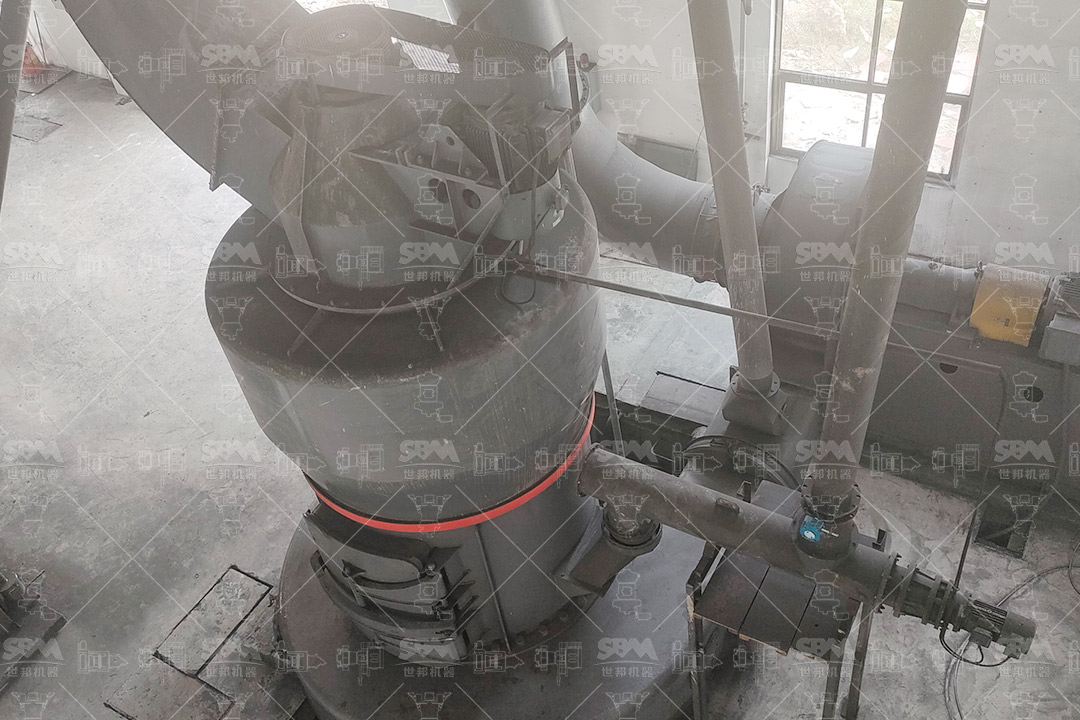
For the most demanding ceramic applications requiring sub-10μm or even sub-5μm talc, specialized ultrafine grinding systems are mandatory. Here, the integration of high-efficiency grinding with precise air classification is paramount.
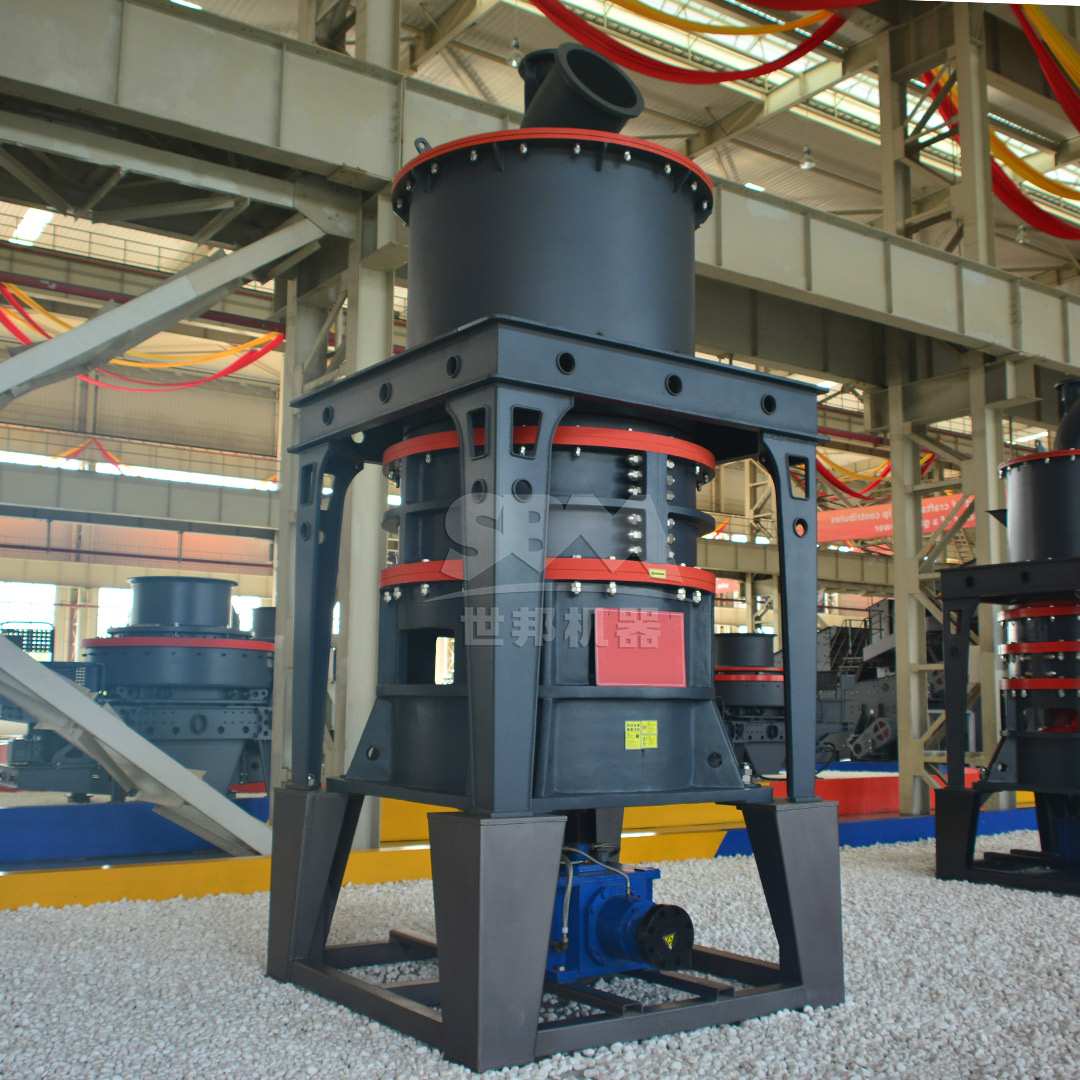
We highly recommend our flagship SCM Series Ultrafine Mill for this critical application. Engineered specifically for producing powders between 325 and 2500 mesh (45-5μm), the SCM mill is the optimal solution for manufacturing premium ceramic talc additives.
Its technical advantages directly address the core needs of the industry:
The SCM Series, with models like the SCM1000 (1.0-8.5t/h, 132kW) up to the SCM1680 (5.0-25t/h, 315kW), offers scalable solutions for operations of any size, ensuring that manufacturers can produce the highest quality ultrafine talc additives reliably and economically.
| Equipment Type | Optimal Fineness Range | Key Advantage for Talc | Consideration |
|---|---|---|---|
| Hammer Mill | 0-3mm | High-capacity pre-crushing | Preparatory stage only |
| MTW European Mill | 30-325 mesh (600-45μm) | High volume, energy-efficient fine grinding | Ideal for standard ceramic body grades |
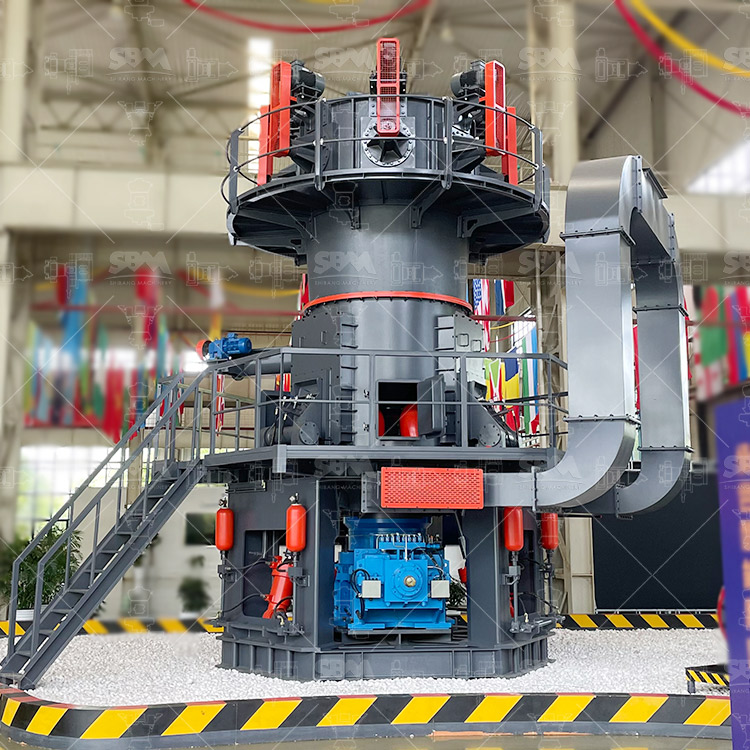
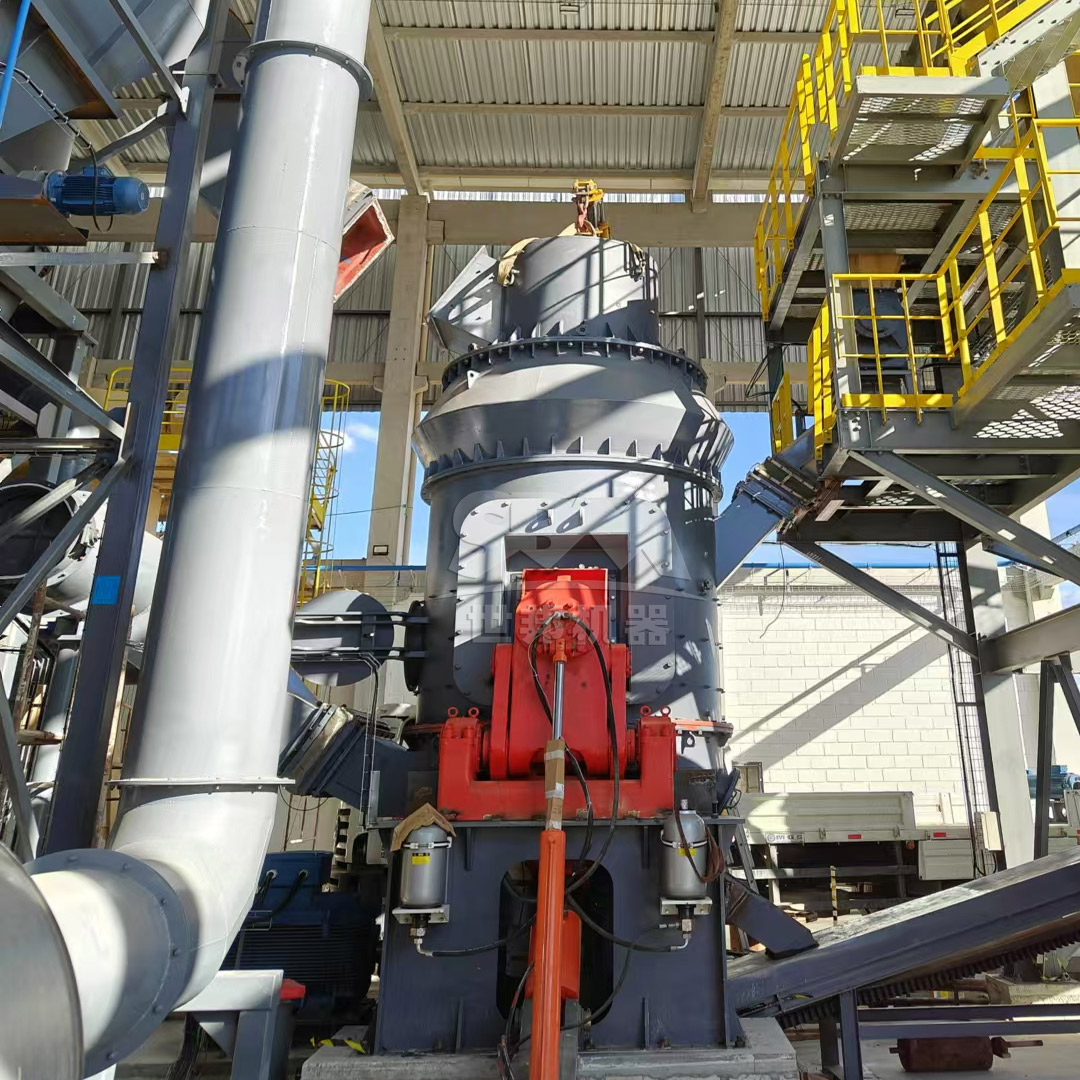
| LM Vertical Mill | 30-325 mesh (600-45μm) | Lowest operating cost for large scale | Integrated system, high capital investment |
| SCM Ultrafine Mill | 325-2500 mesh (45-5μm) | Precision ultrafine grinding for high-end ceramics | Best for premium additive production |
The grinding mill is the core, but auxiliary systems are vital for a closed-loop, high-quality process.
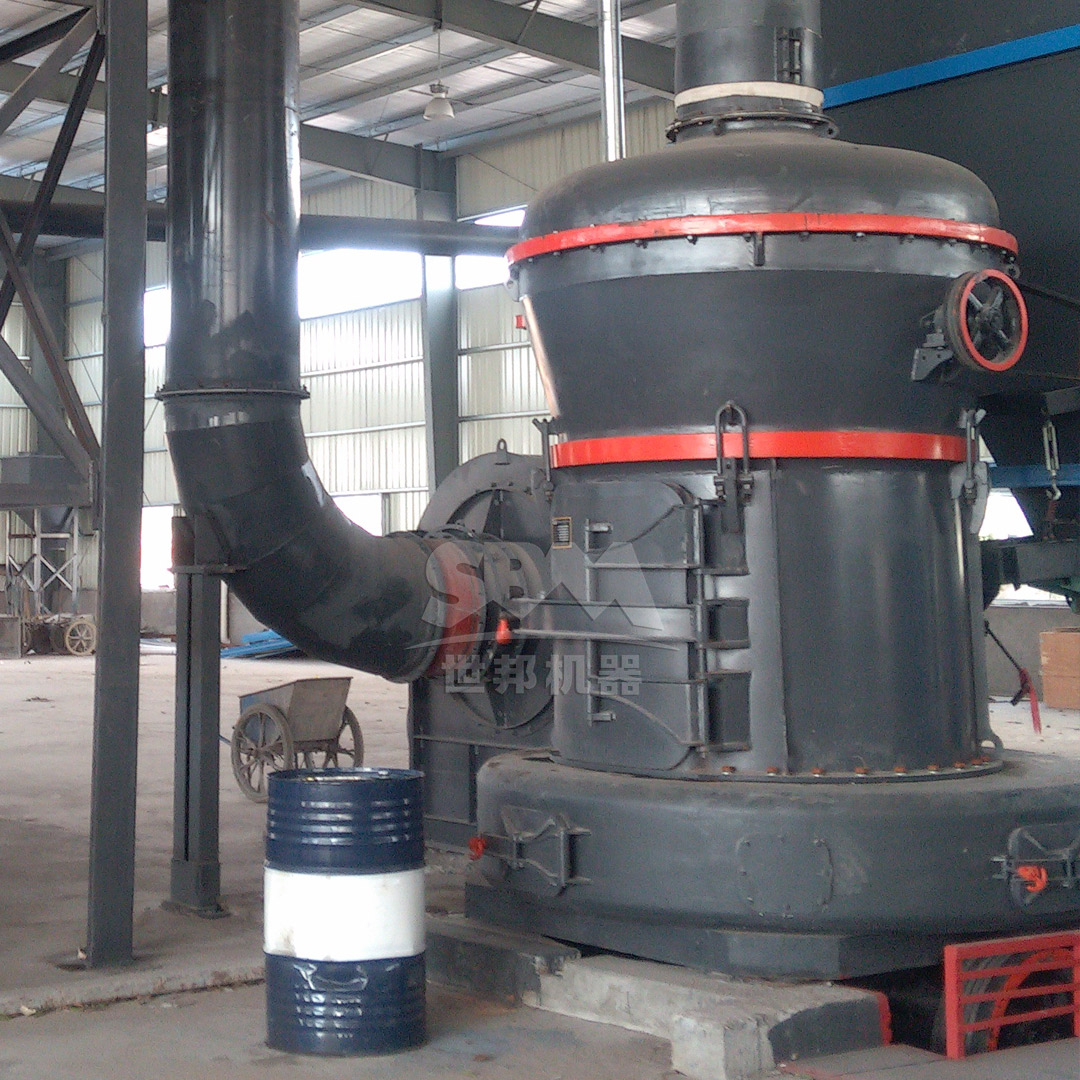
The manufacturing of ceramic talc additives is a precision-driven operation where equipment selection dictates product capability and market competitiveness. While robust solutions like the MTW European Mill excel for high-volume fine talc production, the pursuit of excellence in advanced ceramics necessitates technology capable of reliable ultrafine grinding. For manufacturers aiming to produce superior talc additives that impart enhanced strength, density, and firing performance to ceramics, investing in advanced grinding technology is non-negotiable. Our SCM Series Ultrafine Mill stands out as a purpose-built solution, combining energy efficiency, precise classification, and operational durability to deliver the consistent, high-quality talc powder that the modern ceramics industry demands. By partnering the right equipment with a clear understanding of process requirements, producers can secure a definitive advantage in the high-value additive market.