Kaolin, a naturally occurring hydrated aluminum silicate clay mineral, is a cornerstone functional filler and reinforcing agent in the rubber industry. Its incorporation into rubber compounds significantly enhances mechanical properties such as tensile strength, tear resistance, and abrasion resistance, while also improving dimensional stability, electrical insulation, and processability. The efficacy of kaolin as a rubber additive is intrinsically linked to its particle size distribution, purity, brightness, and surface chemistry. Therefore, selecting the appropriate processing equipment to transform raw kaolin into a high-performance additive is paramount for manufacturers seeking to optimize product quality and production efficiency.
This article explores the essential grinding and classification technologies for kaolin processing, with a focus on achieving the precise fineness and particle characteristics required for modern rubber formulations. We will examine the technological requirements and recommend optimal machinery solutions.
The performance of kaolin in rubber products is governed by several critical parameters:
To meet these stringent requirements, a multi-stage processing circuit is employed, typically involving crushing, drying, grinding, classification, and sometimes surface modification. The grinding and classification stages are the heart of defining the final product’s key attributes.
| Target Application in Rubber | Recommended Fineness Range | Key Property Contribution |
|---|---|---|
| General Filler (e.g., hoses, mats) | 200 – 400 mesh (74 – 38 μm) | Cost reduction, improved stiffness, dimensional stability |
| Reinforcing Filler (e.g., tire sidewalls, belts) | 800 – 1250 mesh (15 – 10 μm) | Enhanced tensile strength, tear resistance, abrasion resistance |
| High-Performance/Specialty (e.g., seals, medical goods) | 2500 mesh and finer (<5 μm) | Maximum reinforcement, smooth surface finish, improved barrier properties |
The journey from raw kaolin lumps to a precision rubber additive involves a sequence of size reduction steps.
2.1 Primary and Secondary Crushing
Large kaolin lumps (>50mm) are first reduced using jaw crushers or hammer mills. For this stage, our Hammer Mill series offers an efficient solution. Its high-speed rotating hammers and adjustable bottom grate provide reliable size reduction to below 3-10mm, preparing the material for subsequent drying and fine grinding with high capacity and low maintenance costs.
2.2 Drying
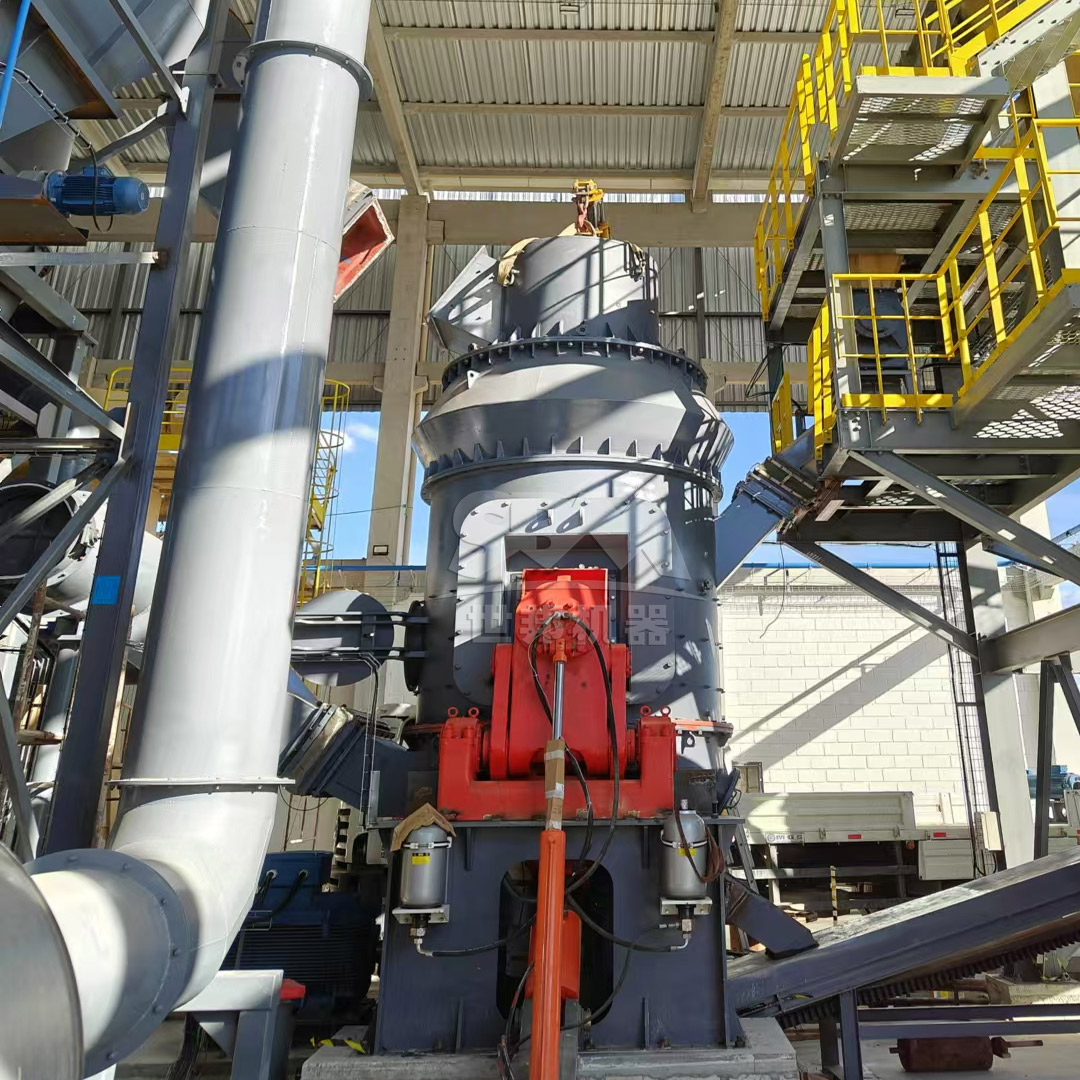
Moisture must be removed before fine grinding to prevent clogging and ensure efficient milling. Rotary dryers or vertical roller mills with integrated hot air systems are commonly used.
2.3 Fine and Ultrafine Grinding & Classification
This is the most critical stage. Different grinding technologies are selected based on the target fineness, capacity, and energy efficiency goals.
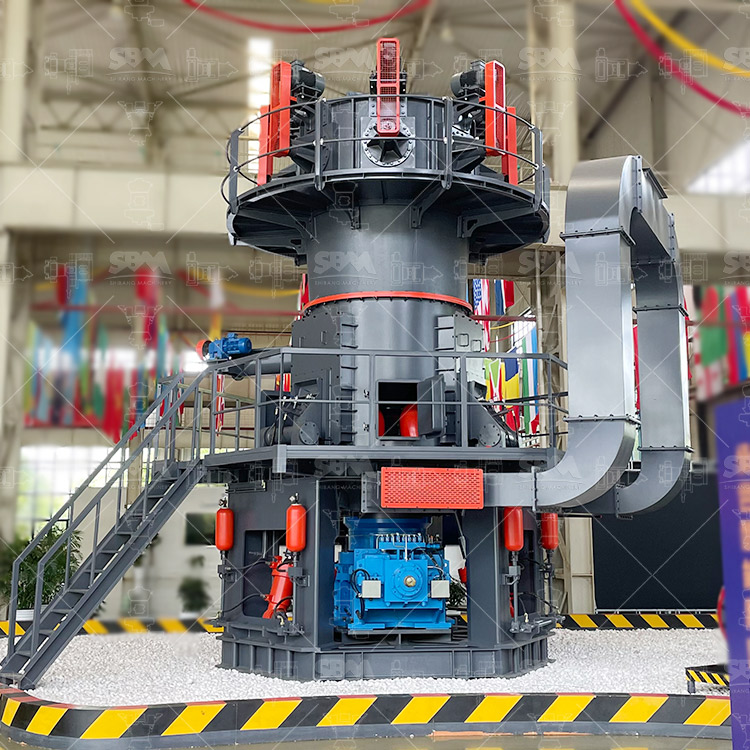
Based on the diverse needs of rubber additive manufacturing, we highlight two of our flagship grinding solutions that excel in producing high-value kaolin fillers.
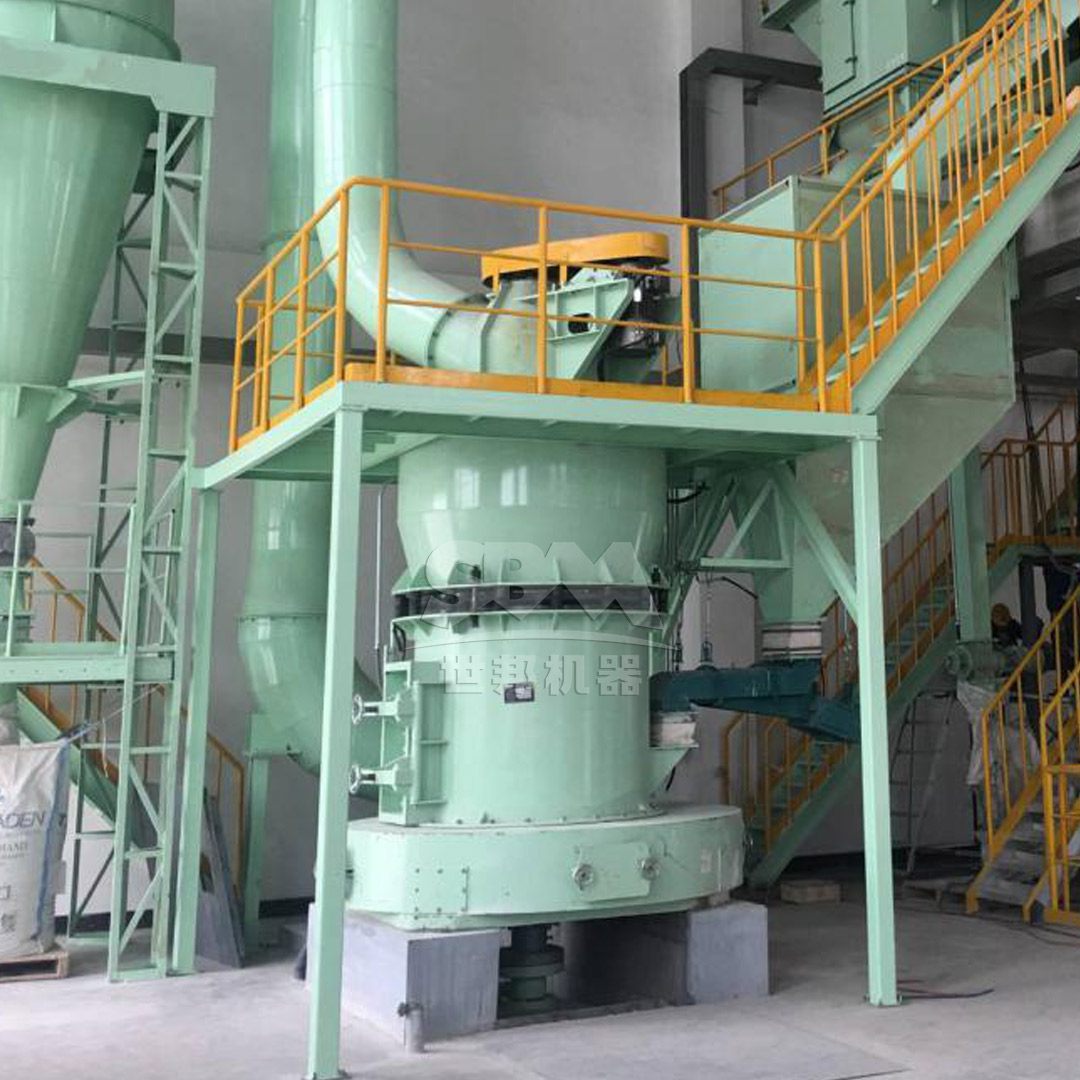
3.1 For High-Capacity Production of Fine-Grade Kaolin (30-325 mesh): The MTW Series European Trapezium Mill
When the production focus is on large volumes of consistent, fine-grade kaolin for general to medium reinforcement applications, the MTW Series European Trapezium Mill is the ideal workhorse. Its advanced design features, such as the bevel gear integral transmission (98% efficiency), curved wear-resistant shovel blade, and optimized arc air duct, ensure high grinding efficiency and low wear. The internal classifier allows for precise control over product fineness from 30 to 325 mesh. Models like the MTW215G can handle capacities up to 45 tons per hour, making it perfect for large-scale filler production lines where reliability and output are key.
| Model Example | Capacity (t/h) | Output Fineness | Main Power | Key Advantage for Rubber |
|---|---|---|---|---|
| MTW215G | 15 – 45 | 30 – 325 mesh | 280 kW | High-volume, cost-effective production of consistent fine fillers. |
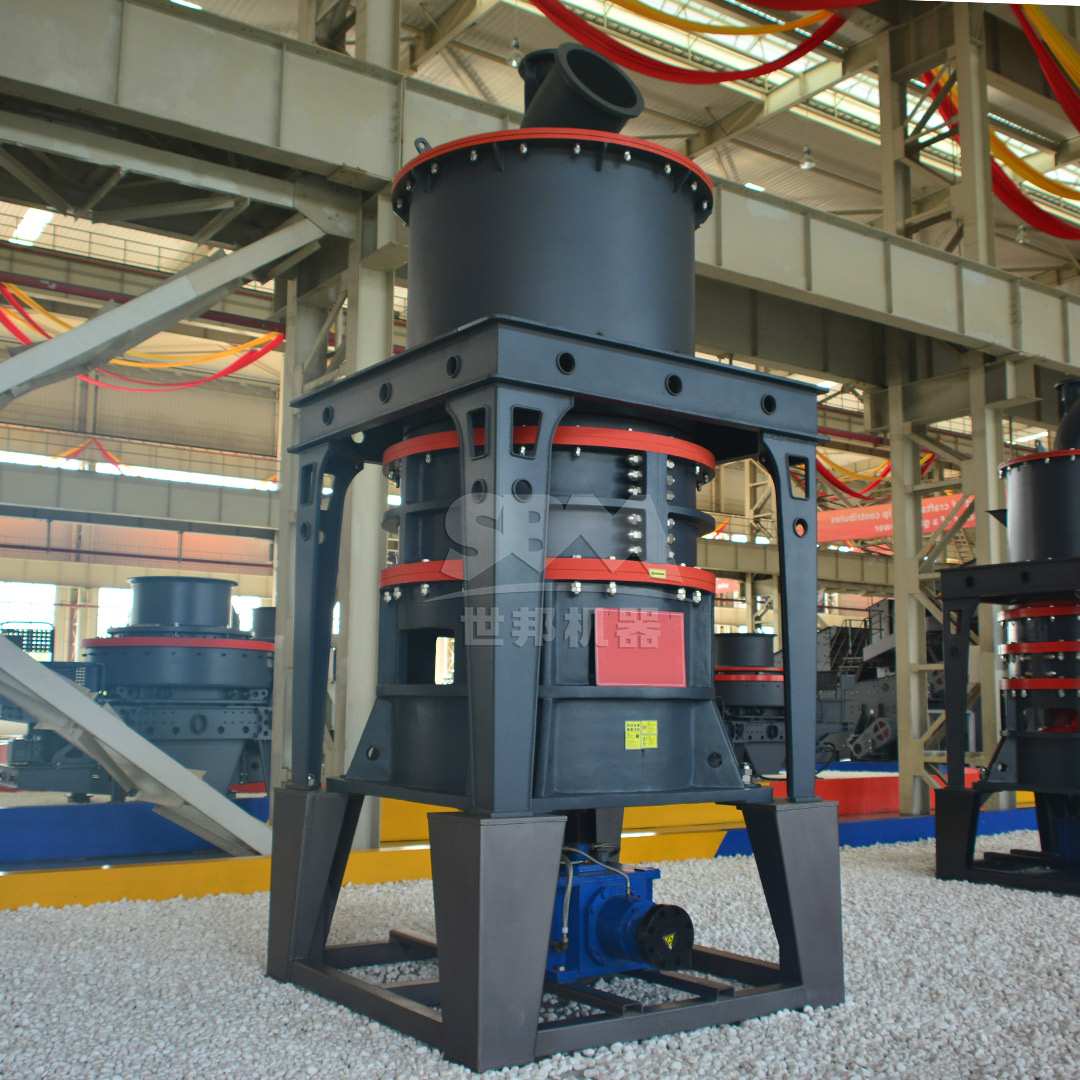
3.2 For Premium Ultrafine and Coated Kaolin (325-2500 mesh): The SCM Series Ultrafine Mill
For manufacturers targeting the high-end rubber market requiring ultrafine, high-brightness, or surface-modified kaolin, the SCM Series Ultrafine Mill is the superior choice. This mill is engineered specifically for producing powders in the 325 to 2500 mesh (45 to 5μm) range. Its core advantages are perfectly aligned with the needs of premium rubber additives:
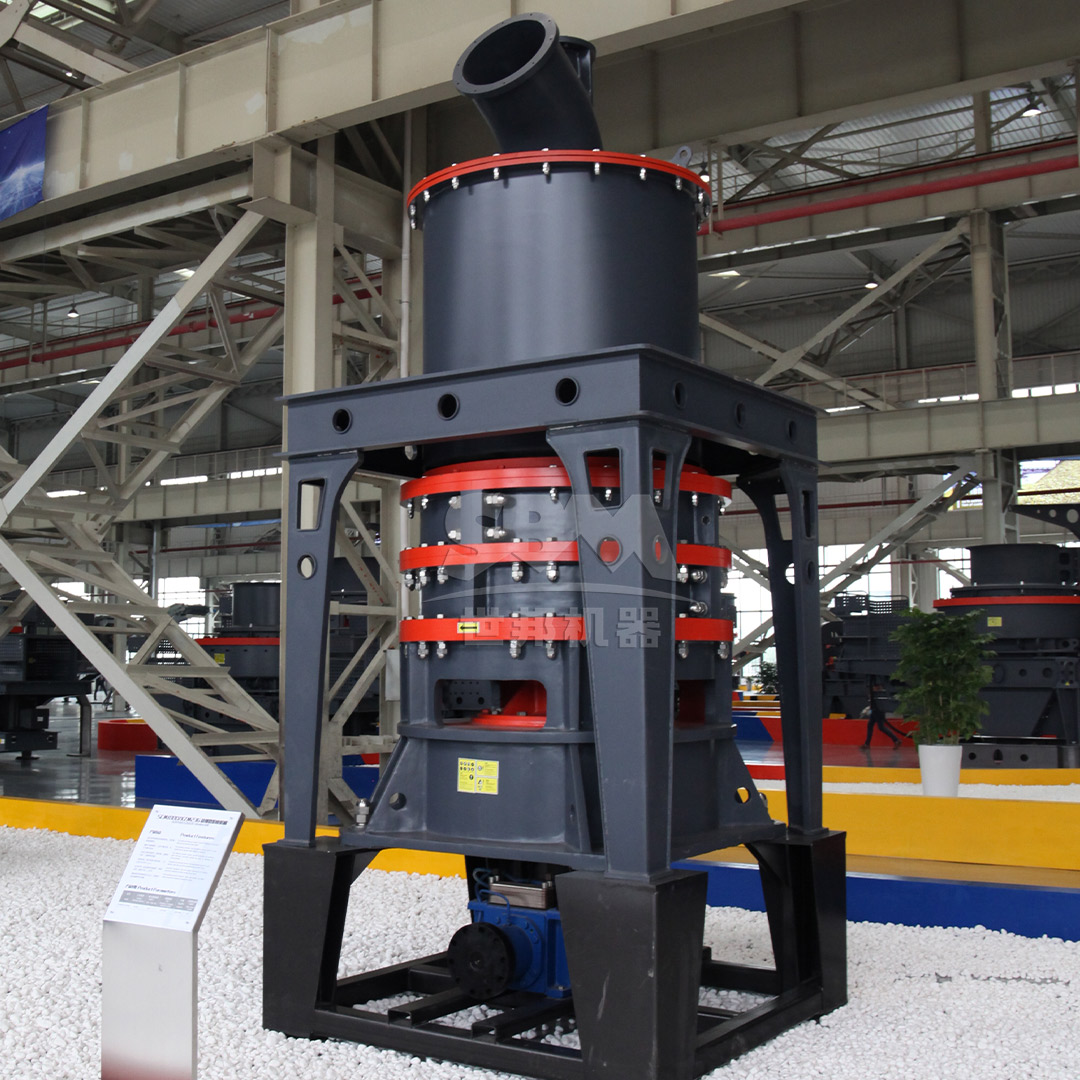
Whether producing a 800-mesh reinforcing filler for tire components or a 2500-mesh base material for silane coating, the SCM series, such as the SCM1000 model (1.0-8.5 t/h capacity), delivers the performance and product quality demanded by advanced rubber formulations.
Beyond the core grinder, a complete kaolin processing line includes auxiliary equipment such as feeders, elevators, drying systems, classifiers (often multiple stages), dust collectors, and packaging machines. Modern systems are increasingly automated, featuring PLC control for stable operation, real-time monitoring of key parameters like temperature and fineness, and remote diagnostics. Integrating an efficient pulse jet baghouse dust collector is critical to maintain high product yield, protect equipment, and ensure environmental compliance.
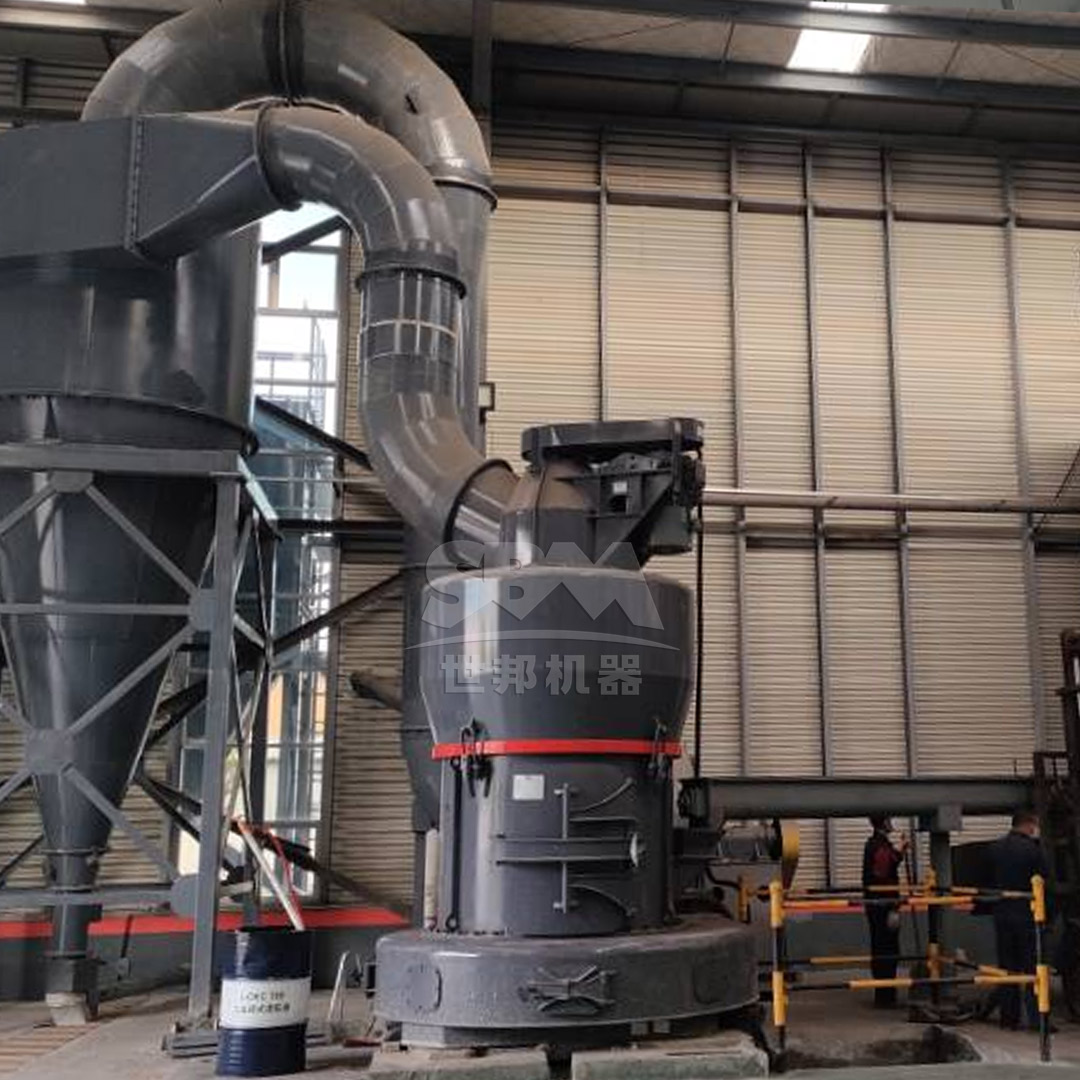
The selection of kaolin processing equipment is a strategic decision that directly impacts the quality, cost, and performance of rubber products. For high-volume production of fine-grade fillers, robust and efficient mills like the MTW Series European Trapezium Mill are indispensable. For venturing into high-value, high-performance rubber segments that demand ultrafine, uniformly sized kaolin, investing in advanced technology like the SCM Series Ultrafine Mill is essential to achieve the necessary product specifications and maintain a competitive edge.
By understanding the property requirements of rubber-grade kaolin and partnering with an equipment supplier offering tailored, technologically advanced grinding solutions, manufacturers can optimize their additive production, enhance their rubber compound formulations, and meet the evolving demands of the global rubber industry.