Aerated concrete, also known as autoclaved aerated concrete (AAC), is a lightweight, precast building material that provides structure, insulation, and fire resistance. The manufacturing process of aerated concrete involves mixing sand, lime, cement, gypsum, and water, with aluminum powder added as an expansion agent. However, the increasing demand for sustainable and high-performance construction materials has driven the industry to incorporate industrial by-products, such as slag, into the production process. Slag powder, a fine material obtained from the grinding of granulated blast furnace slag (GBFS), plays a critical role in enhancing the properties of aerated concrete while promoting environmental sustainability. This article explores the integral role of slag powder production equipment in the manufacturing of aerated concrete, highlighting the technological advancements that make this process efficient and reliable.
Slag powder is a valuable cementitious material that, when used as a partial replacement for cement in aerated concrete, offers several benefits. It improves the workability of the wet mix, enhances the long-term strength of the cured product, and significantly reduces the heat of hydration, which is crucial for preventing thermal cracking in large blocks. Furthermore, the use of slag powder reduces the carbon footprint of aerated concrete by minimizing the clinker content, addressing global sustainability goals. The reactivity of slag is highly dependent on its fineness; finer particles provide greater surface area for hydration reactions, leading to superior binding properties. This is where the precision of slag powder production equipment becomes paramount.
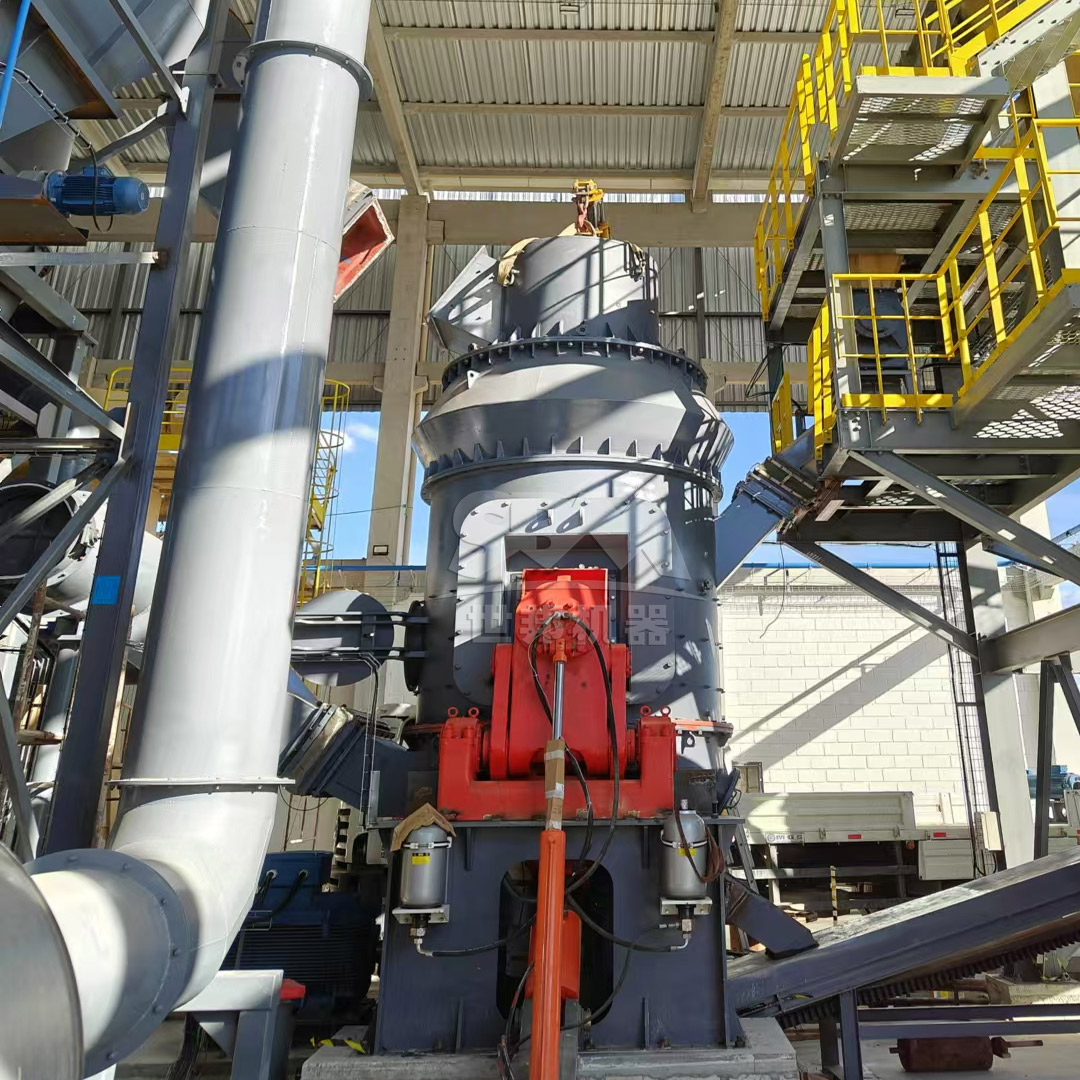
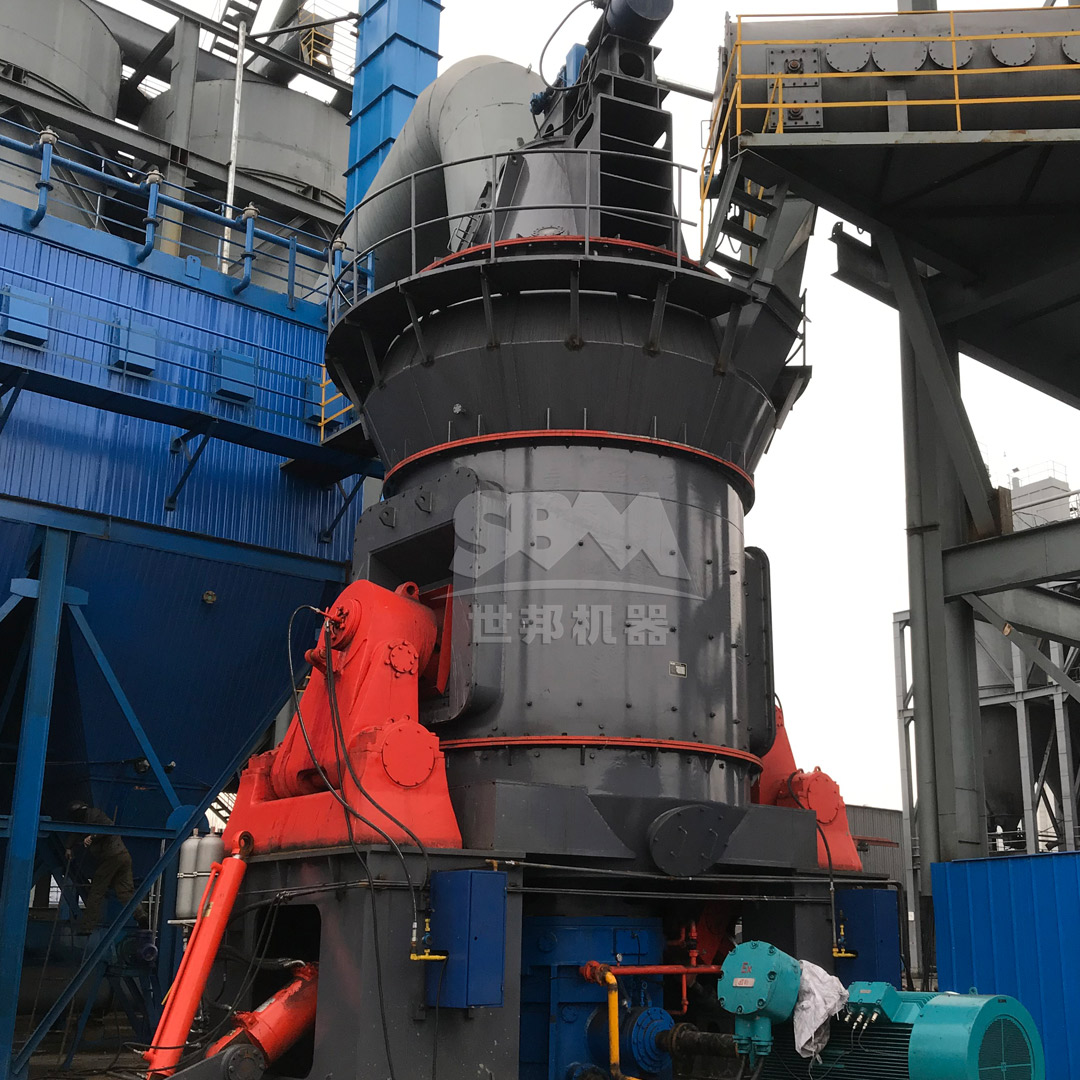
The production of high-quality slag powder for aerated concrete begins with efficient grinding equipment. The raw slag, often with a moisture content of 10-15%, must be dried and ground to a specific surface area typically ranging from 400 to 550 m²/kg. Traditional ball mills have been used for this purpose, but their high energy consumption and lower efficiency have paved the way for advanced roller mill technologies. Modern slag powder production equipment, such as vertical roller mills (VRMs), offers a more integrated and energy-efficient solution. These mills combine drying, grinding, and classification into a single unit, significantly reducing the plant footprint and capital investment. For instance, the LM Series Vertical Roller Mill is designed specifically for slag grinding. Its unique integrated design reduces floor space by up to 50% and infrastructure costs by 40%. The non-contact design between the rollers and the table ensures that wear parts have a longer service life, which is critical for handling abrasive slag materials. The energy consumption of the LM series can be 30-40% lower than that of a traditional ball mill system, making it a superior choice for large-scale slag powder production.
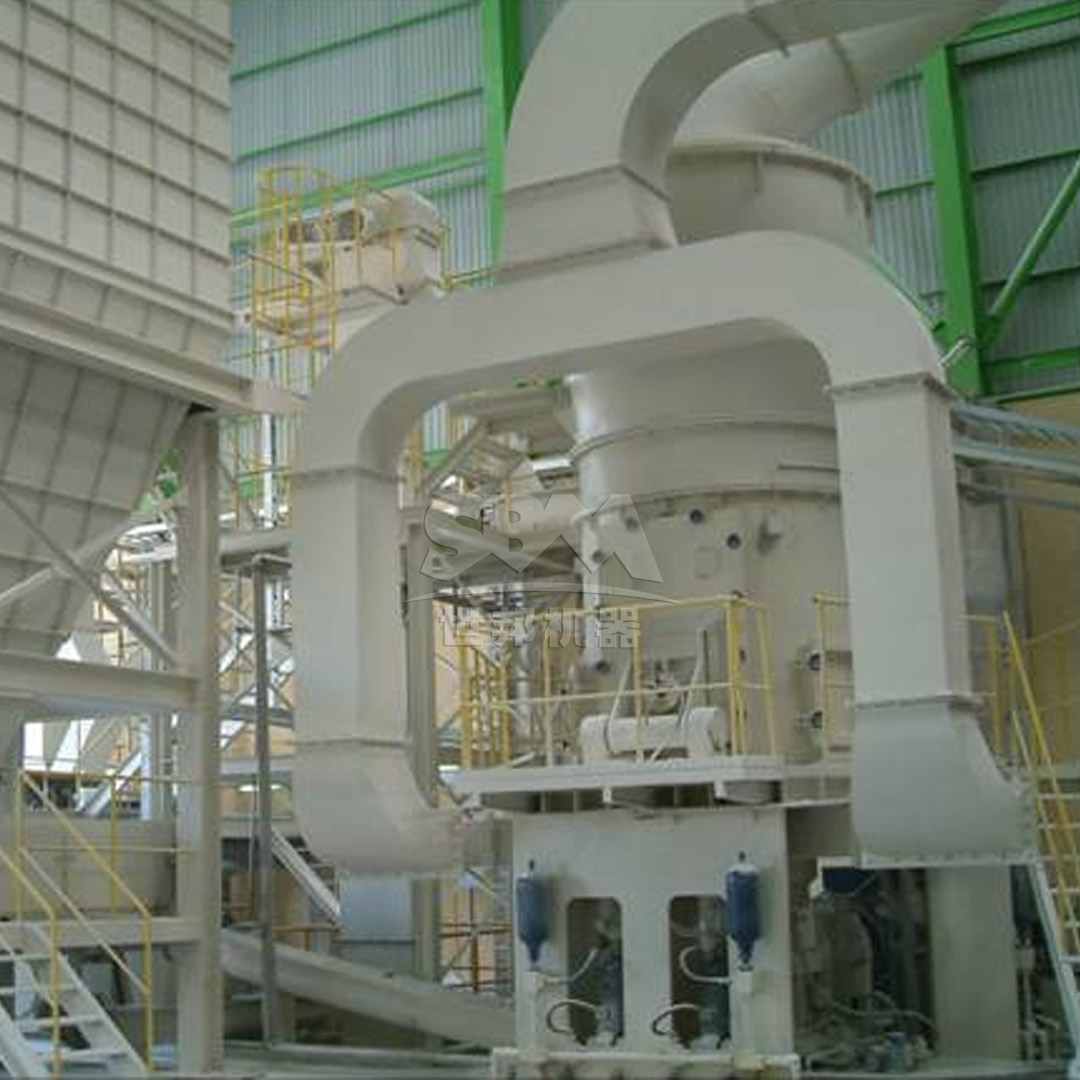
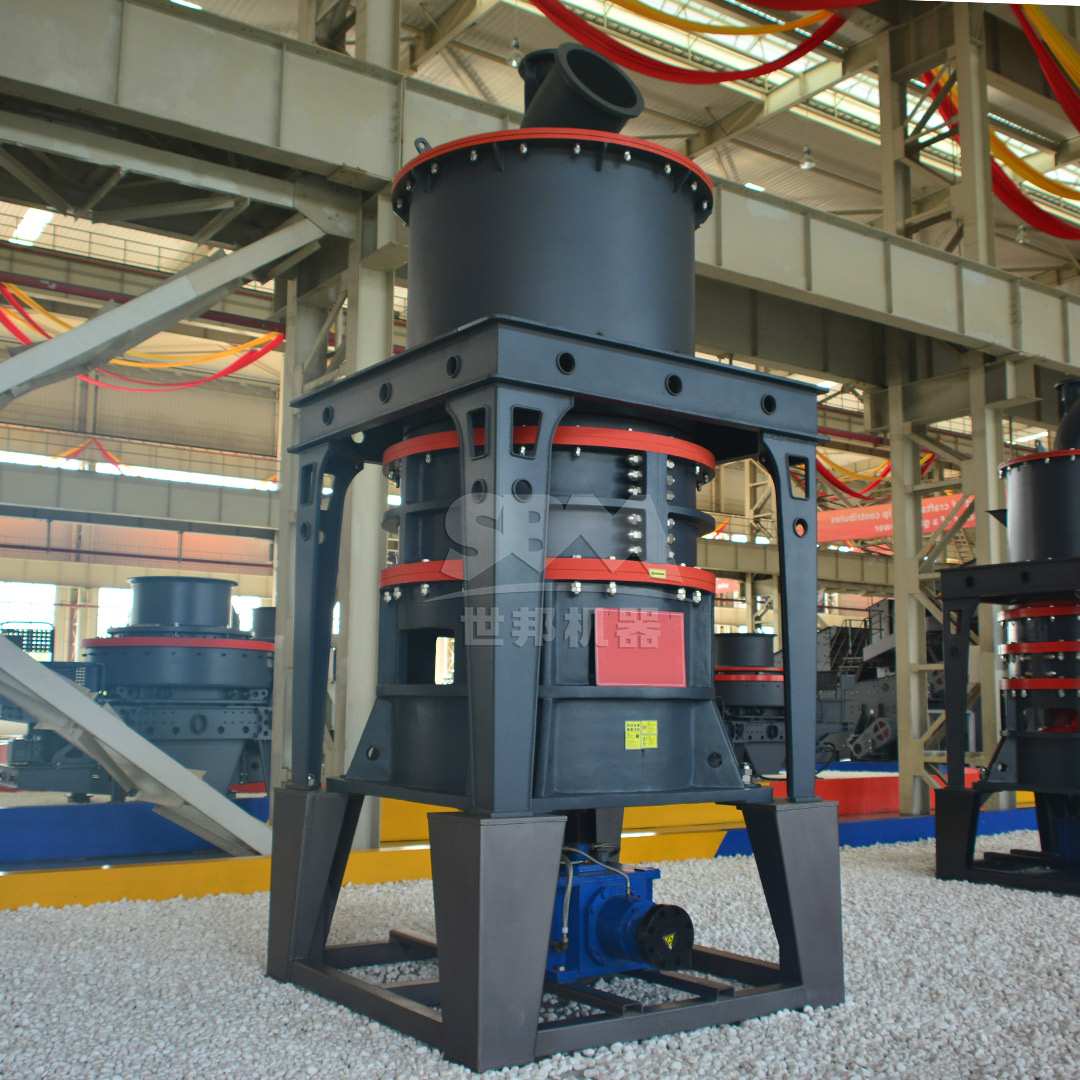
When selecting slag powder production equipment for aerated concrete manufacturing, key technical features must be considered. Intelligent control systems are essential for maintaining consistent product quality. Modern mills feature expert-level auto-control systems that monitor parameters in real time, adjusting the grinding pressure and classifier speed to achieve the target fineness. This reduces manual intervention and ensures that the slag powder meets the exacting specifications of the AAC production line. Environmental compliance is another critical factor. Slag grinding generates fine dust, which must be captured effectively. Advanced equipment incorporates fully sealed negative pressure operation and high-efficiency pulse dust collectors, ensuring that dust emissions are well below national standards. The noise level is also minimized through soundproof designs and damping technologies. Our SCM Series Ultrafine Mill exemplifies these principles. It is capable of producing slag powder with a fineness ranging from 325 to 2500 mesh (45-5μm), which is perfectly suited for high-end aerated concrete formulations. The mill’s capacity is twice that of jet mills, while its energy consumption is 30% lower. The vertical turbine classifier ensures precise particle size cutting, preventing coarse powder mixing and ensuring a uniform final product. This level of precision directly translates to better quality control in the aerated concrete blocks, leading to improved mechanical properties and a more consistent cellular structure.
| Model | Capacity (t/h) | Main Power (kW) | Feed Size (mm) | Fineness (mesh) |
|---|---|---|---|---|
| SCM800 | 0.5-4.5 | 75 | 0-20 | 325-2500 |
| SCM1000 | 1.0-8.5 | 132 | 0-20 | 325-2500 |
| SCM1250 | 2.5-14 | 185 | 0-20 | 325-2500 |
| SCM1680 | 5.0-25 | 315 | 0-20 | 325-2500 |
Before the final grinding stage, raw slag often requires pre-processing. If the slag is received in large, hard lumps, a hammer mill can be used for primary crushing. The Hammer Mill series, with its high capacity and crushing ratio, can reduce feed material from 40mm down to 0-3mm, making it ideal for a binder or pre-grinding stage. This preliminary step ensures that the main grinding mill operates at peak efficiency, as it does not have to handle oversized particles that could disrupt the material bed or cause excessive vibration. For instance, the PC4015-132 model can process 40-70 tons per hour, ensuring a steady supply of pre-crushed material for the main mill.
For manufacturers looking to produce ultra-fine slag powder to enhance the reactivity and the final quality of aerated concrete, the LUM Ultrafine Vertical Roller Mill is an excellent option. This equipment is designed to produce a fineness of 325-2500 mesh, with a special roller and liner curve that maximizes grinding efficiency. Its multi-rotor classifying technology ensures that no coarse particles contaminate the finished product. The LUM series is particularly beneficial when the goal is to produce high-strength, lightweight AAC panels where every particle’s reactivity matters. The integration of PLC automation ensures stable running and consistent output, which is vital for a continuous production line.
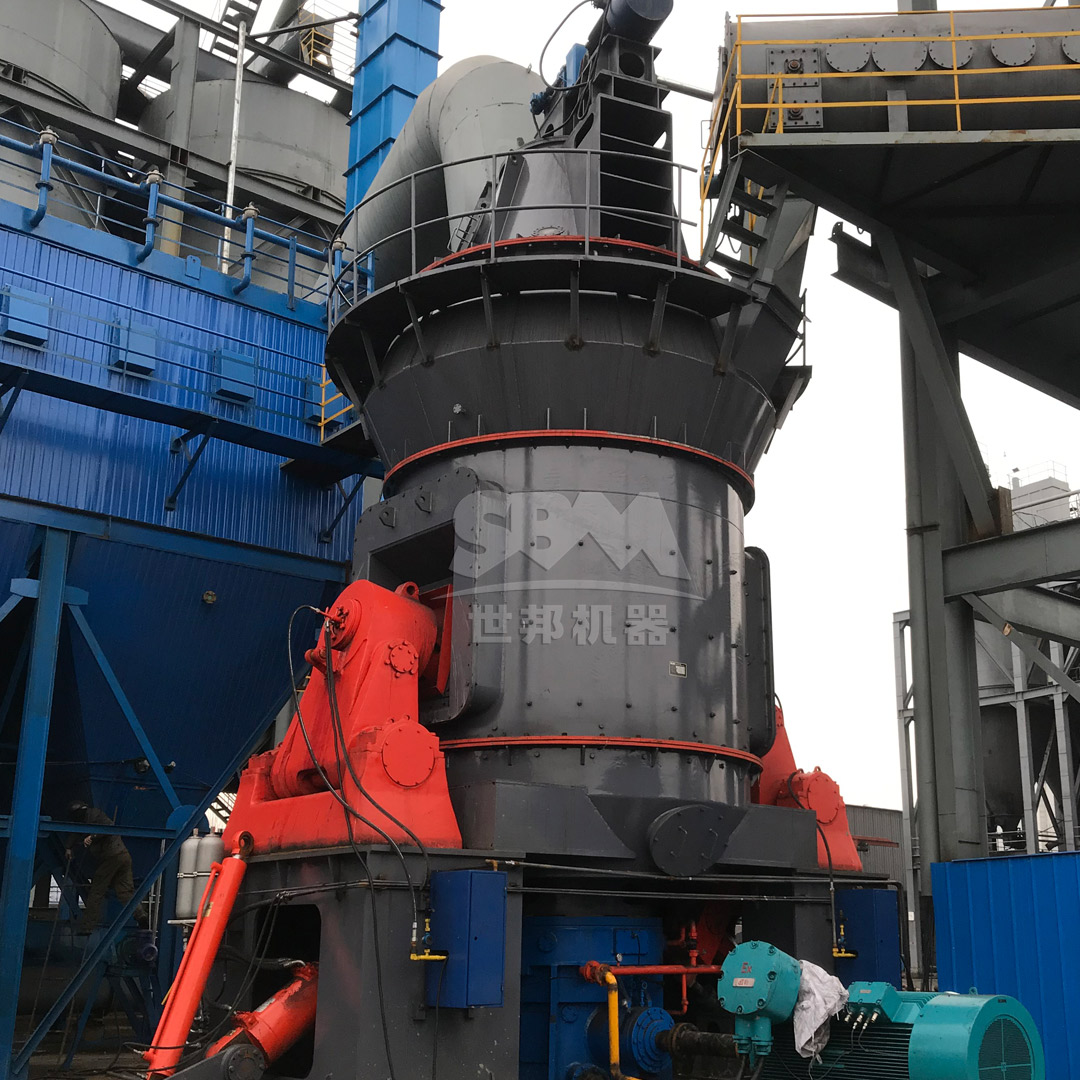
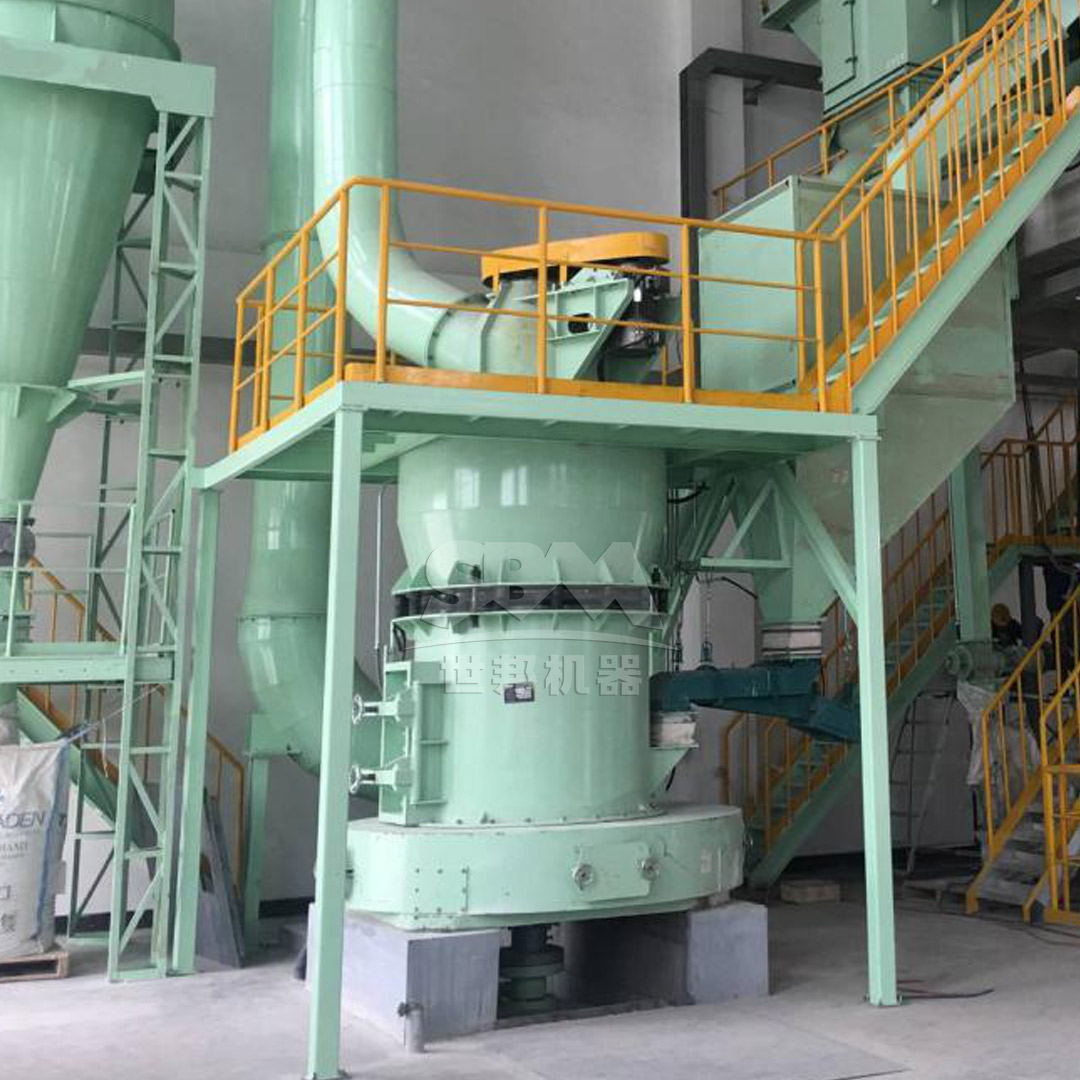
The success of slag powder in aerated concrete manufacturing also depends on how well the grinding system is integrated with the rest of the plant. The slag powder must be stored in silos and dosed accurately into the mixer. The choice of grinding equipment directly influences the logistics. For example, the MTW Series European Trapezium Mill offers a capacity range of 3-45 t/h, making it suitable for medium to large-scale AAC plants. Its integral bevel gear drive provides a transmission efficiency of up to 98%, saving space and reducing installation costs. The anti-wear shovel design and optimized arc air duct reduce maintenance costs by 30%, ensuring long-term profitability. This mill can produce slag powder with a standard fineness of 30-325 mesh, which is the typical range for standard AAC block production. The consistent particle size achieved by the MTW series helps in maintaining a stable slurry density and avoids issues related to bleeding or segregation in the aerated concrete mix.
The role of slag powder production equipment in the manufacturing of aerated concrete is foundational. It transforms an industrial by-product into a high-value cementitious material that enhances product quality and supports green building initiatives. From the initial crushing in a Hammer Mill to the precise classification in an Ultrafine Mill or a Vertical Roller Mill, each piece of equipment contributes to the final performance of the AAC. Investing in advanced, energy-efficient, and intelligent grinding technology is not just a cost-saving measure but a strategic move to produce superior aerated concrete products. Whether it is the high-capacity LM Series for bulk production, the precise SCM Series for ultra-fine applications, or the robust MTW Series for standard needs, the right choice of slag grinding equipment is the key to unlocking the full potential of aerated concrete manufacturing. As the construction industry continues to evolve towards more sustainable materials, the importance of reliable and efficient slag powder production equipment will only continue to grow.