The global construction industry is undergoing a paradigm shift towards sustainability. At the heart of this transformation lies the production of non-fired bricks—an eco-friendly alternative to traditional clay bricks that eliminates high-temperature kiln firing. Central to the success of this green manufacturing process is the efficient production of high-quality slag powder, a key cementitious material derived from industrial by-products like blast furnace slag. Advanced slag powder production equipment not only recycles industrial waste but also significantly reduces carbon emissions and energy consumption. This article explores how modern milling technology, particularly the equipment developed by leading manufacturers, is revolutionizing eco-friendly manufacturing in the non-fired brick industry.
Non-fired bricks, also known as fly ash bricks or autoclaved aerated concrete (AAC) blocks, rely on hydraulic binders like slag powder to achieve structural strength without high-temperature firing. Ground granulated blast furnace slag (GGBFS), when processed to a fineness of 400-500 m²/kg, exhibits excellent cementitious properties when activated with lime or cement. The production of this ultra-fine slag powder requires highly efficient grinding equipment capable of processing materials with specific surface areas exceeding 4000 cm²/g while maintaining low energy consumption.
To achieve optimal performance in non-fired brick production, slag grinding equipment must meet several critical criteria:
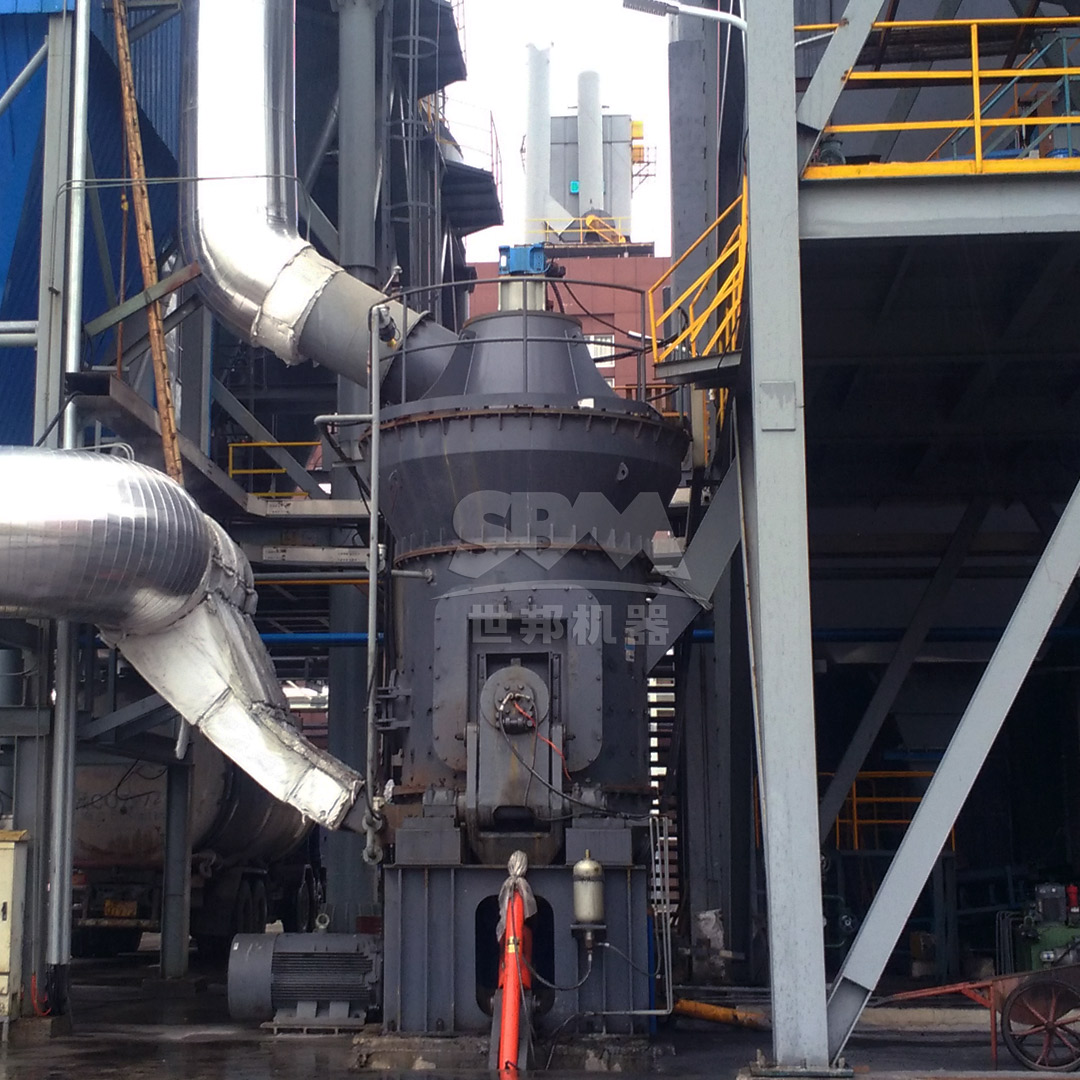
Modern slag powder production equipment incorporates several groundbreaking technologies that enhance both productivity and environmental performance. The integration of intelligent control systems, advanced classification technology, and optimized grinding mechanisms has transformed the industry.
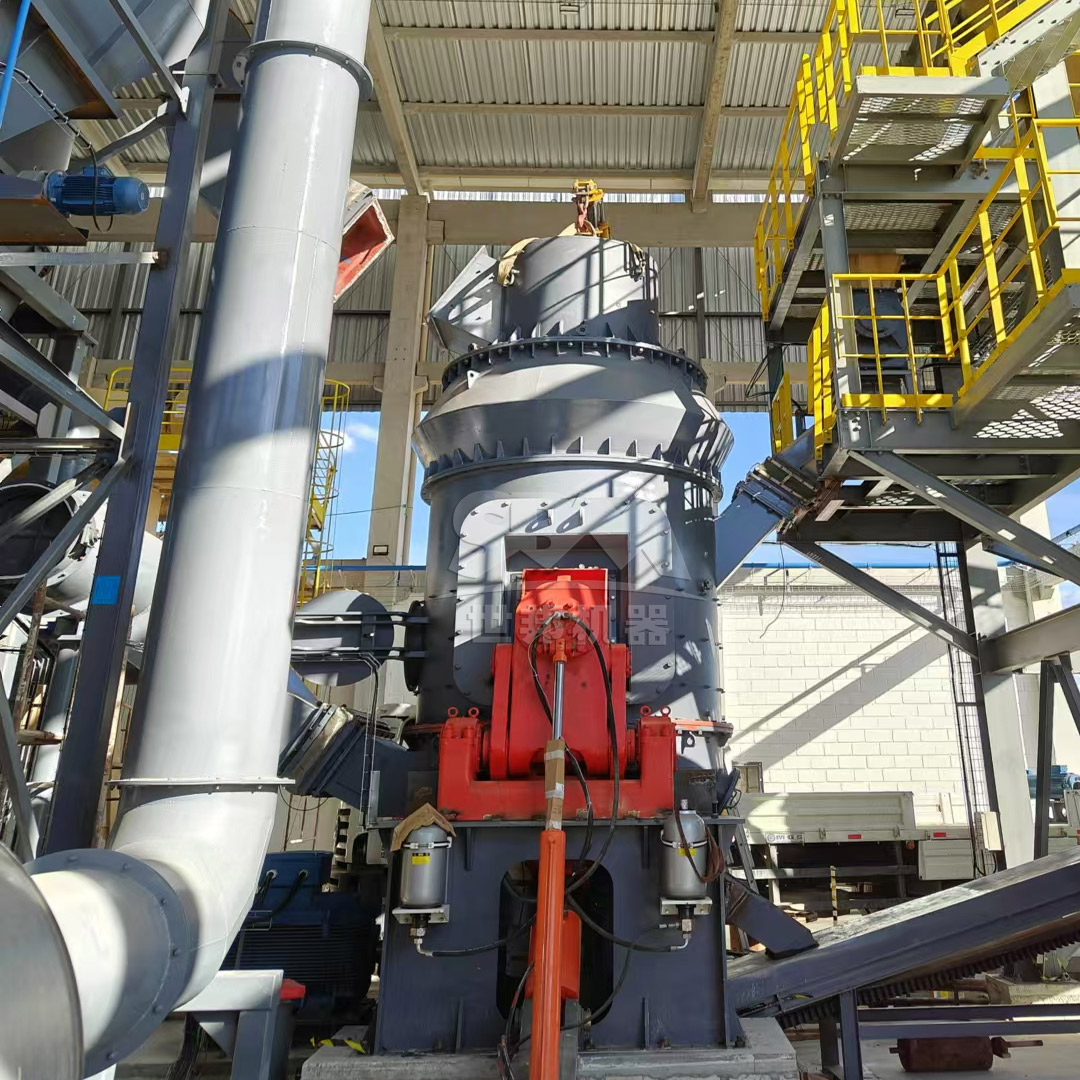
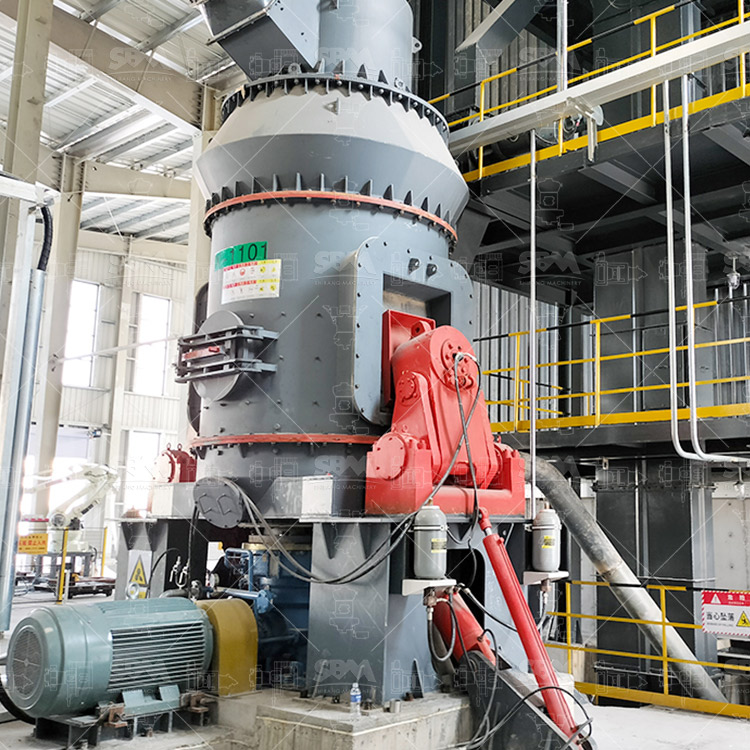
Traditional ball mill systems consume enormous amounts of energy, with grinding alone accounting for up to 60% of total plant power consumption. New-generation vertical roller mills and ultrafine mills have reduced energy consumption by 30-50% compared to conventional ball mills. For instance, the LM Series Vertical Roller Mill integrates crushing, grinding, and selection into a single system, reducing floor space by 50% and infrastructure costs by 40%. Its non-contact roller and table design extends wear part life by three times while achieving energy savings of 30-40%.
Advanced classification technology ensures that slag powder meets exacting fineness requirements without over-grinding. The vertical turbine classifier used in modern mills achieves precise particle size cutting, eliminating coarse powder contamination and ensuring uniform finished products. This precision not only improves brick quality but also reduces energy waste from over-processing.
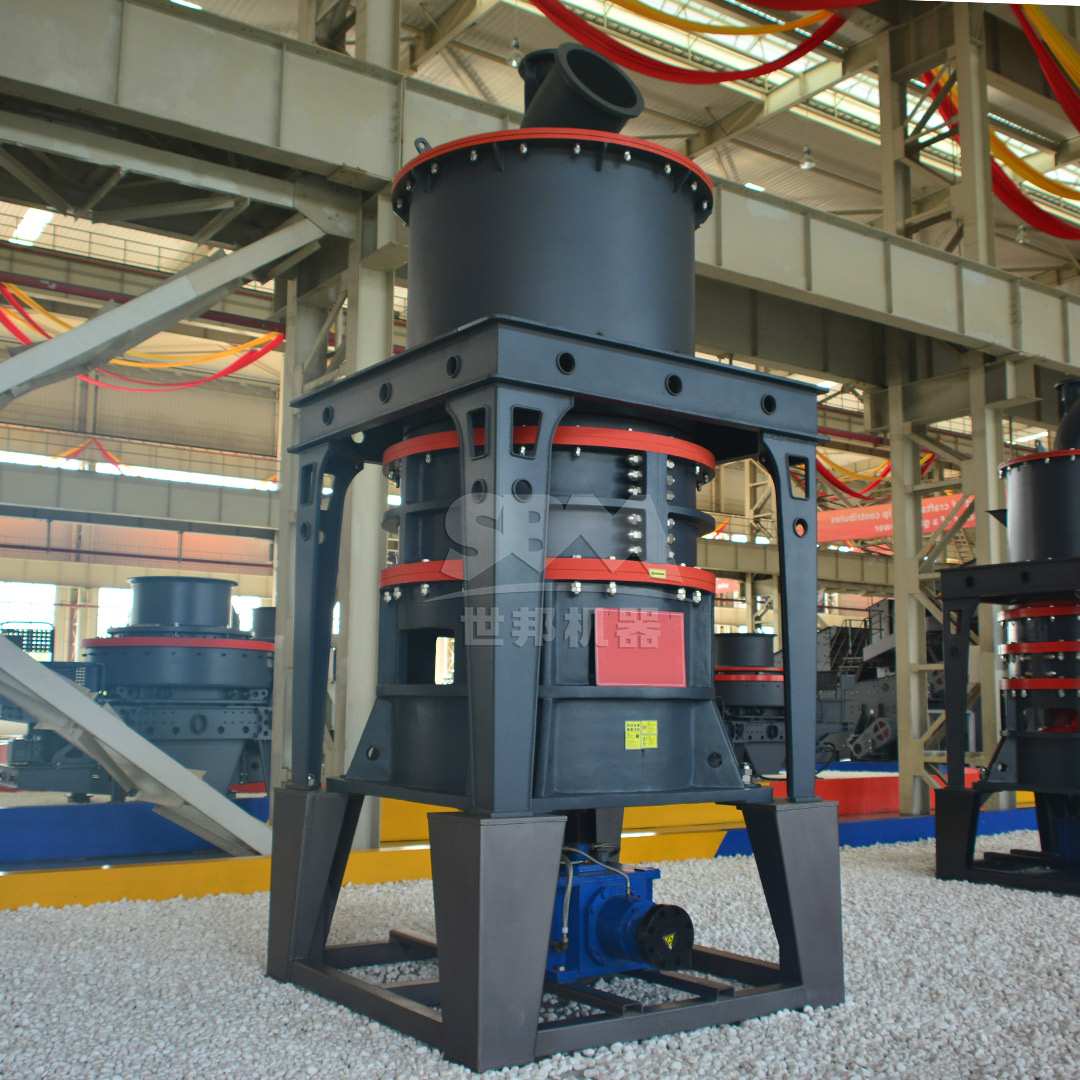
For applications requiring ultra-fine slag powder (325-2500 mesh), the SCM Series Ultrafine Mill offers exceptional performance. With a capacity 2x that of jet mills and 30% lower energy consumption, this mill features intelligent control with automatic finished product granularity feedback. Its special material rollers and rings extend service life several times over, while the pulse dust collection system ensures emissions exceed international standards. The shaftless screw grinding chamber ensures stable operation, making it ideal for high-value slag powder applications in premium non-fired brick production.
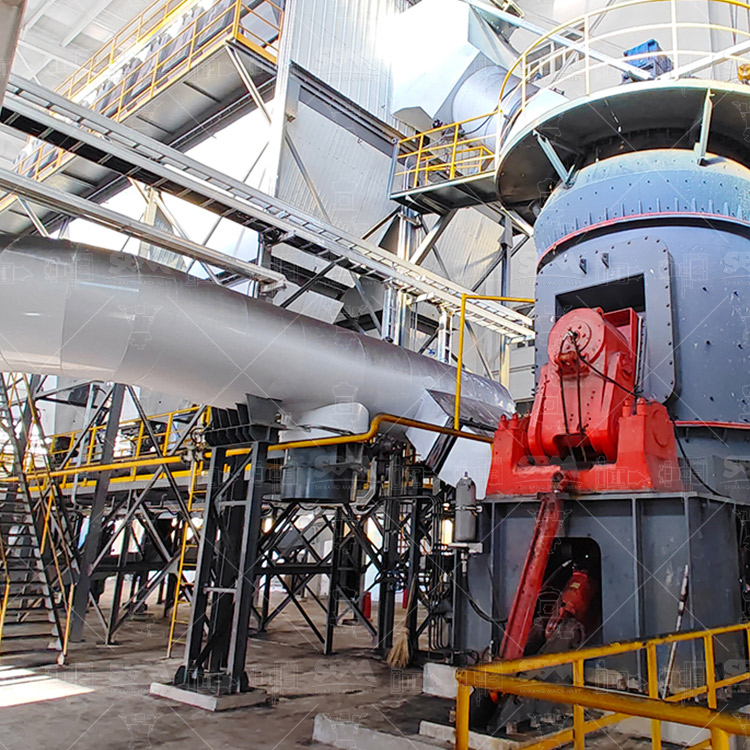
The environmental advantages of advanced slag powder production equipment extend far beyond energy savings. These systems are designed with comprehensive environmental protection features that make them ideal for eco-friendly manufacturing operations.
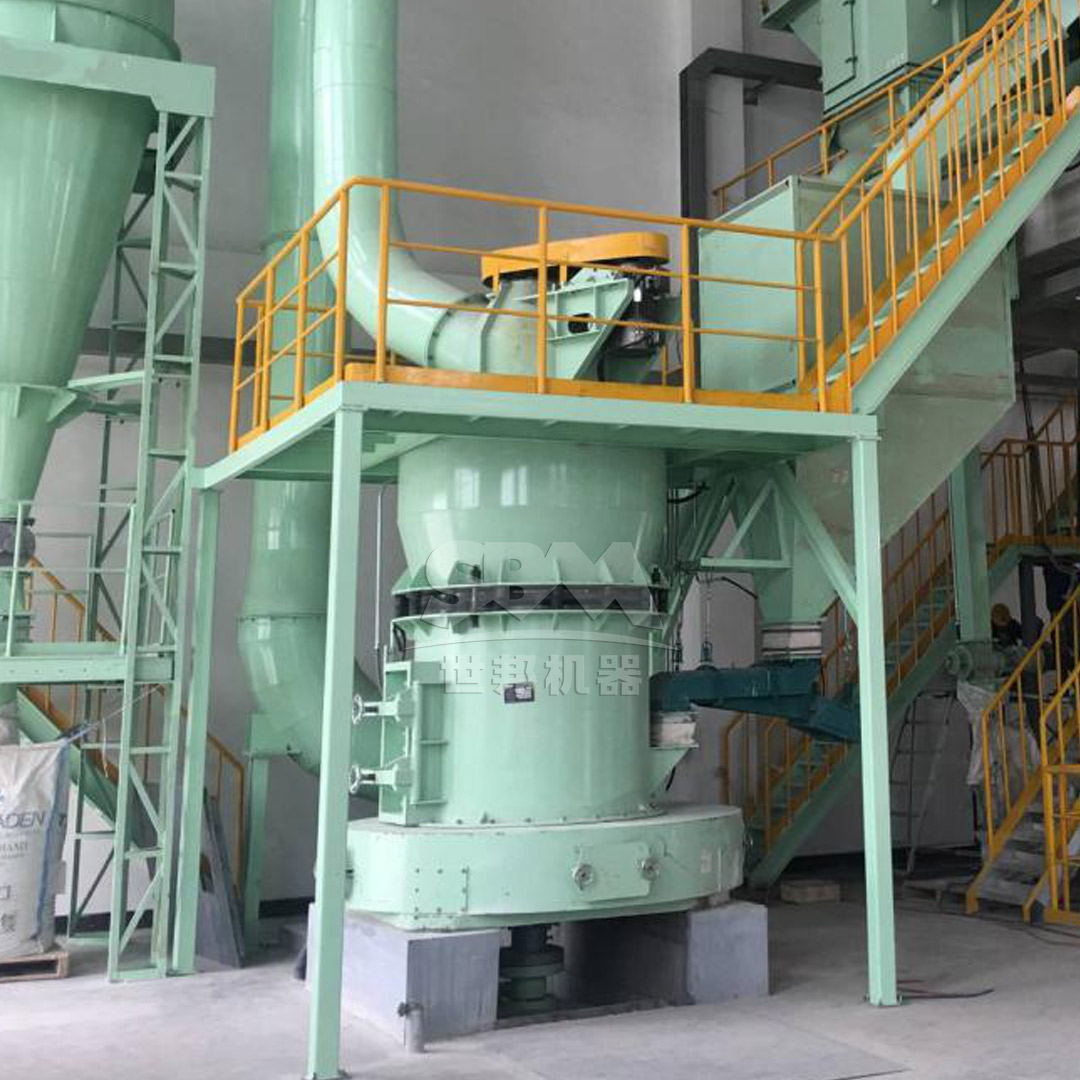
Full-sealed negative pressure operation in modern mills ensures that dust emissions are virtually eliminated. The pulse dust collection technology employed in equipment like the MTW Series European Trapezium Mill achieves collection efficiency that meets or exceeds the most stringent international standards. Soundproof room designs further reduce noise pollution, with operating noise levels typically below 85 decibels.
By transforming industrial waste (slag) into valuable construction materials, these mills contribute to a circular economy. The integrated design of systems like the LM Series Vertical Roller Mill ensures that every particle is efficiently processed, with coarse powder automatically returned to the grinding table for re-processing. This closed-loop system minimizes material waste and maximizes resource utilization.
The combination of lower energy consumption, elimination of high-temperature firing, and utilization of industrial by-products results in a dramatically reduced carbon footprint for non-fired brick production. Studies show that switching from traditional clay bricks to slag-based non-fired bricks can reduce CO₂ emissions by up to 80%.
Choosing the appropriate grinding equipment depends on several factors, including desired fineness, production capacity, feed material characteristics, and available budget. The industry offers a range of specialized solutions tailored to different applications.
| Equipment Type | Fineness Range | Capacity Range | Best Application |
|---|---|---|---|
| SCM Ultrafine Mill | 325-2500 mesh (45-5μm) | 0.5-25 t/h | Ultra-fine slag powder for premium bricks |
| MTW European Mill | 30-325 mesh (600-45μm) | 3-45 t/h | Standard slag powder for AAC blocks |
| LM Vertical Mill | 30-600 mesh (600-45μm) | 3-250 t/h | Large-scale slag grinding operations |
| Ball Mill | 0.074-0.8mm (74-800μm) | 0.65-450 t/h | Coarse slag grinding for brick bases |
For operations requiring medium-fineness slag powder (30-325 mesh) with high throughput, the MTW Series European Trapezium Mill offers an excellent balance of performance and efficiency. Its patented technologies include an anti-wear shovel design that reduces maintenance costs, an optimized arc air duct that minimizes airflow energy loss, and an integral bevel gear drive with 98% transmission efficiency. The wear-resistant volute structure reduces maintenance costs by 30%, while the combined shovel blades extend grinding roller life. With models ranging from the MTW110 (3-9 t/h) to the MTW215G (15-45 t/h), this series can accommodate a wide range of production scales.
The transition to eco-friendly manufacturing in the construction materials industry is not just an environmental imperative—it is a business opportunity. Non-fired brick equipment powered by advanced slag powder production technology offers a pathway to reduced costs, improved product quality, and enhanced environmental performance. By investing in modern grinding systems like the SCM Series Ultrafine Mill for ultra-fine applications or the MTW Series European Trapezium Mill for general slag powder production, manufacturers can achieve their sustainability goals while maintaining competitive advantage.
As global regulations on carbon emissions tighten and demand for green building materials grows, the adoption of energy-efficient, low-emission slag grinding equipment will become increasingly critical. The technology is proven, the benefits are clear, and the time to act is now. By embracing these innovations, the non-fired brick industry can lead the way in building a truly sustainable future—one brick at a time.