In the industrial processing of coal, achieving a consistent 200-mesh (74-micron) fineness is a critical benchmark for applications such as pulverized coal injection (PCI) in blast furnaces, boiler fuel for power plants, and raw material for briquette production. Selecting the right equipment for 200-mesh coal powder production involves balancing capacity, energy efficiency, and capital investment. This guide provides a comprehensive overview of key equipment types, their core features, and actionable tips to maximize processing efficiency. As a leading manufacturer of grinding mills, we offer solutions tailored to every production scale.
200-mesh coal powder refers to particles where 90-95% pass through a 200-mesh sieve (74 microns). Achieving this requires a mill capable of fine grinding while maintaining a narrow particle size distribution. Key factors influencing equipment choice include raw coal moisture (typically <12%), grindability (HGI), and abrasiveness. For high-capacity industrial applications, vertical roller mills and European trapezium mills are often preferred for their efficiency and reliability.
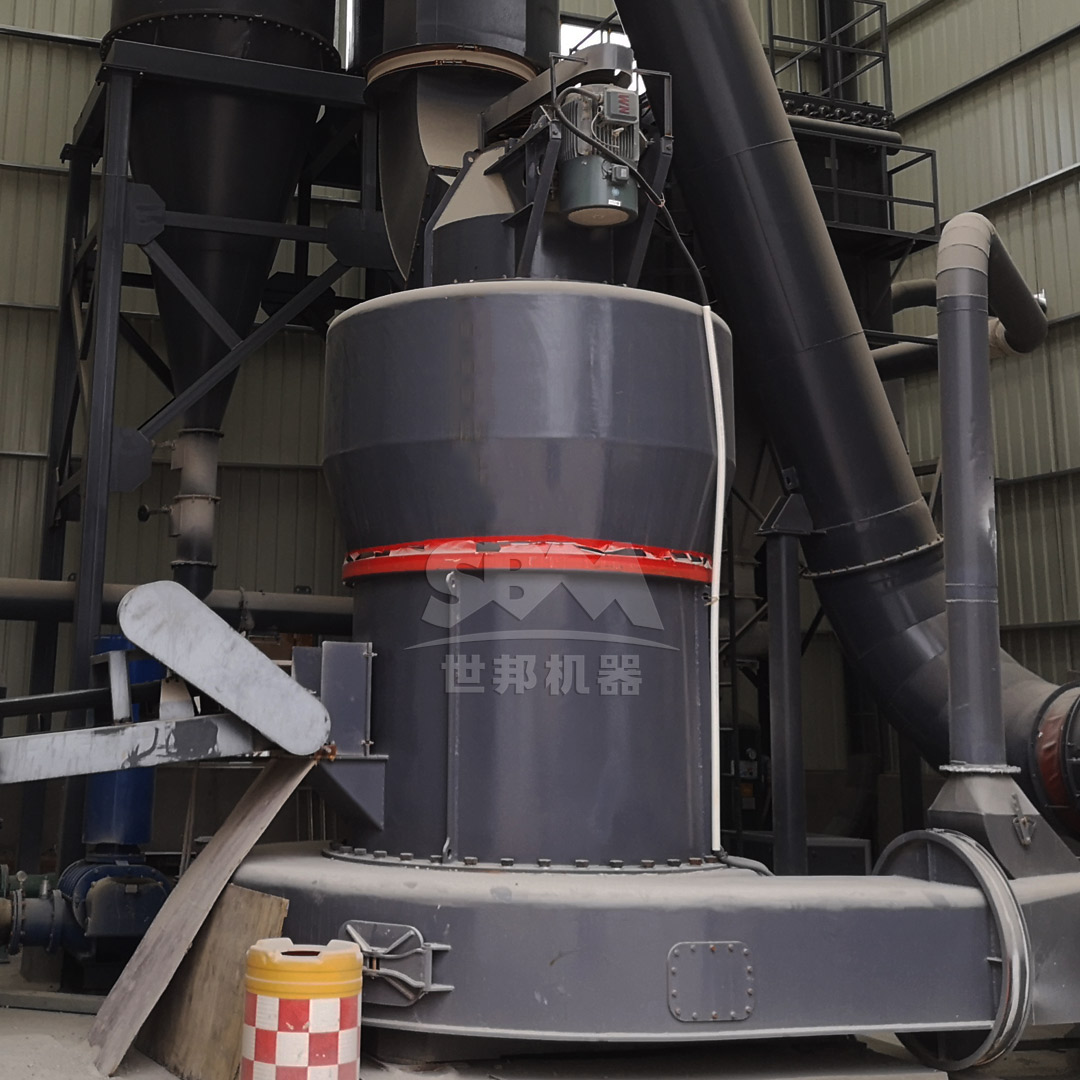
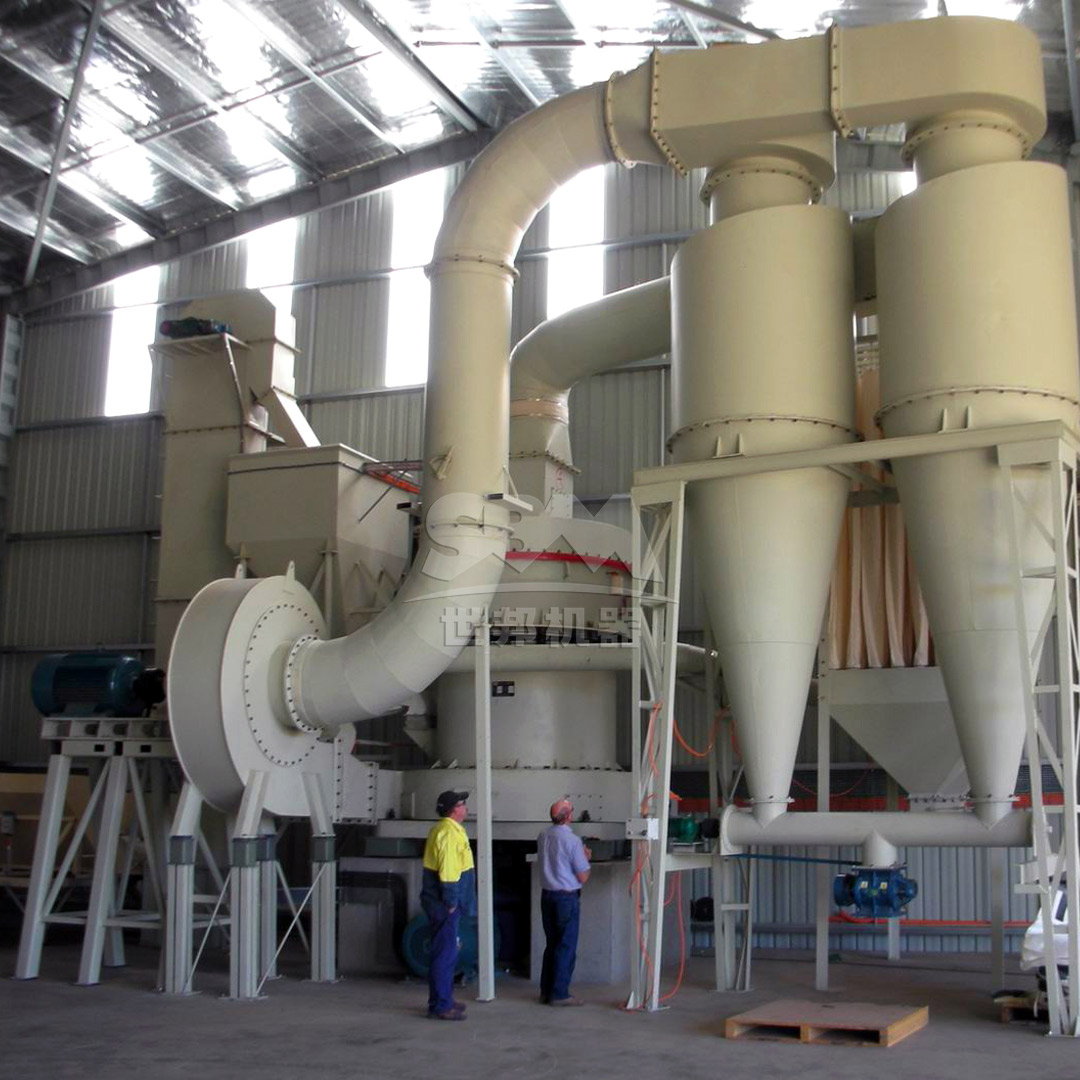
The MTW series is ideal for coal with moderate moisture and hardness, offering capacities from 3 to 45 t/h at finenesses suitable for 200-mesh production. Its patented integral bevel gear drive ensures transmission efficiency up to 98%, reducing energy waste. The optimized arc air duct minimizes airflow resistance, making it a cost-effective choice for medium-sized plants.
Recommended Model: MTW175G – With a main power of 160kW and capacity up to 25 t/h, this model balances throughput and fineness control. Its anti-wear shovel design and wear-resistant volute structure reduce maintenance intervals, ensuring stable 200-mesh coal powder output.
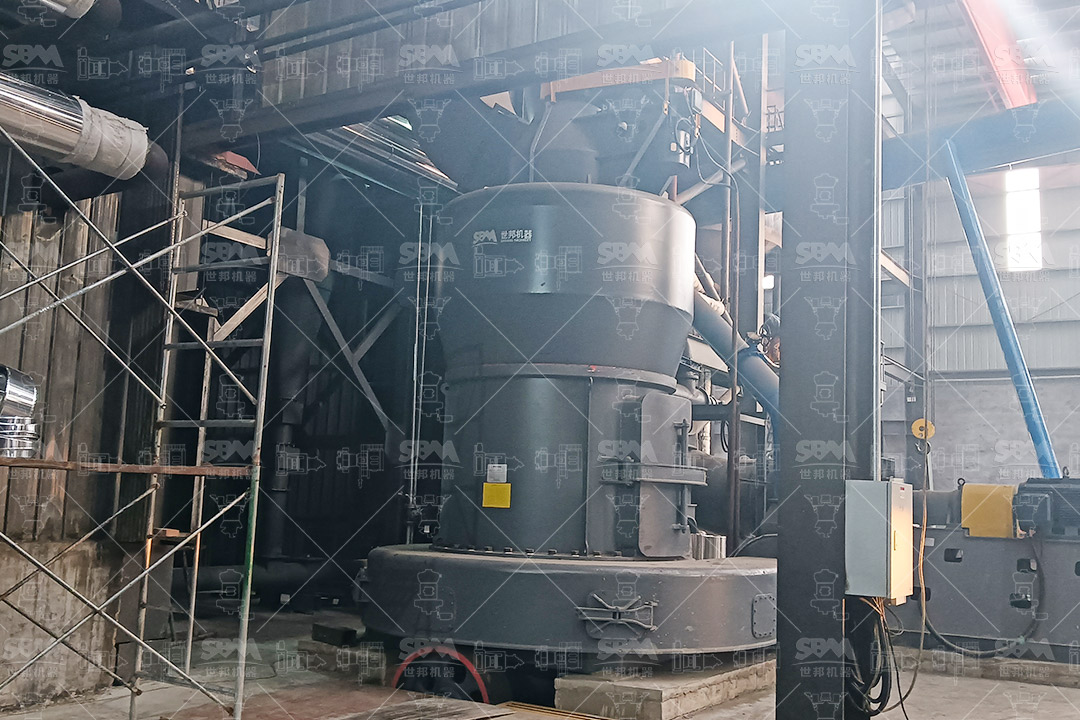
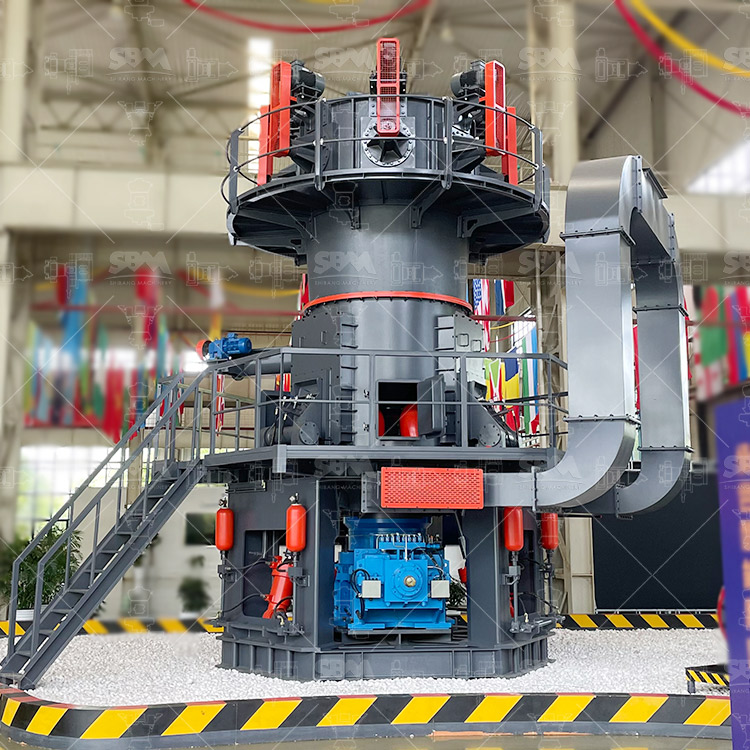
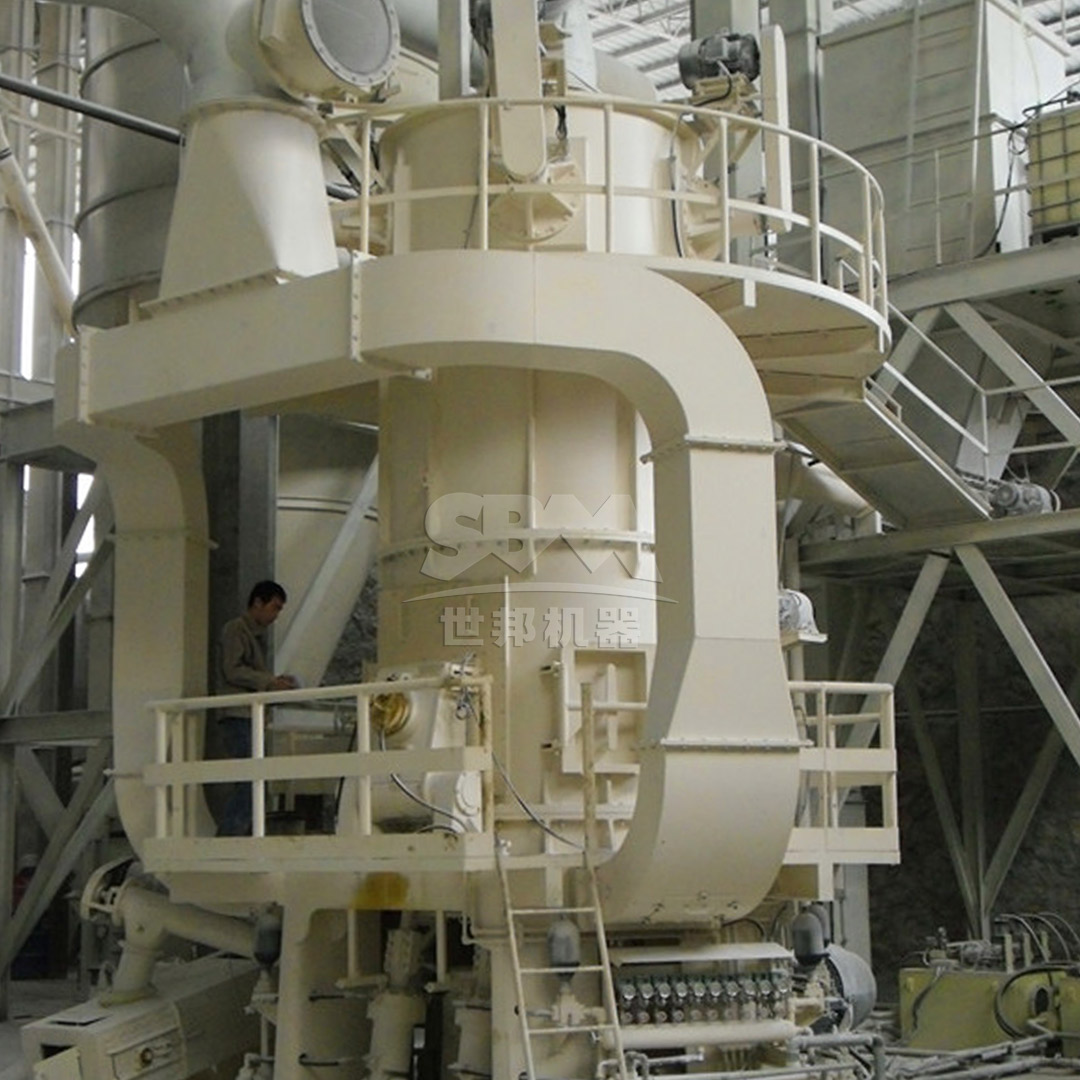
For high-capacity coal powder preparation (up to 250 t/h), the LM vertical roller mill is the industry standard. Its integrated design combines crushing, grinding, and classification in one unit, reducing floor space by 50%. The non-contact design between rollers and table extends wear part life by three times compared to ball mills, and the intelligent control system optimizes power consumption through real-time parameter adjustments. It is particularly effective for pulverized coal preparation in cement plants and steel mills.
Recommended Model: LM190K – This model features a grinding table Φ1900mm and a main motor of 500kW, capable of producing 23-68 t/h of 200-mesh coal powder. The dynamic classifier ensures precise particle size cutting, meeting stringent PCI requirements.
Ball mills remain a robust choice for 200-mesh coal grinding, especially when handling materials with high abrasiveness or when wet grinding is preferred. The GMQG series offers large effective volumes and a high crushing ratio (up to 300:1), making them suitable for continuous production in mineral processing plants.
Most modern mills (e.g., MTW, LM) can accept feed sizes up to 50mm, but reducing the feed to <20mm using a hammer mill or crusher can increase mill throughput by 15-20%. Also, maintain coal moisture below 10% to prevent material sticking in the grinding chamber or classifier.
For vertical and trapezium mills, the classifier speed directly controls fineness. To achieve 200-mesh (74μm), set the classifier RPM higher than for coarser products. Monitor the differential pressure across the mill; a sudden increase often indicates overfeeding or worn classifier blades.
For plants requiring very high outputs, consider the LM-Y vertical pre-grinding mill before a ball mill or final-stage mill. This system can reduce total energy consumption by 30-50% by utilizing bed grinding principles. The LM150Y model, for example, can handle up to 10 t/h of pre-ground material, boosting overall line capacity.
Check grinding rollers and rings every 500-800 operating hours. For MTW mills, the anti-wear shovel design simplifies replacement; for SCM mills, shaftless screw grinding chambers maintain stable operation even with worn components. Implement a predictive maintenance schedule using real-time bearing temperature and vibration data.
Enable the expert-level auto-control system found in LM series mills. These systems reduce manual intervention by automatically adjusting feed rate, grinding pressure, and hot air temperature (if drying is needed). This ensures the mill consistently operates at its optimal power consumption per ton of 200-mesh coal powder.
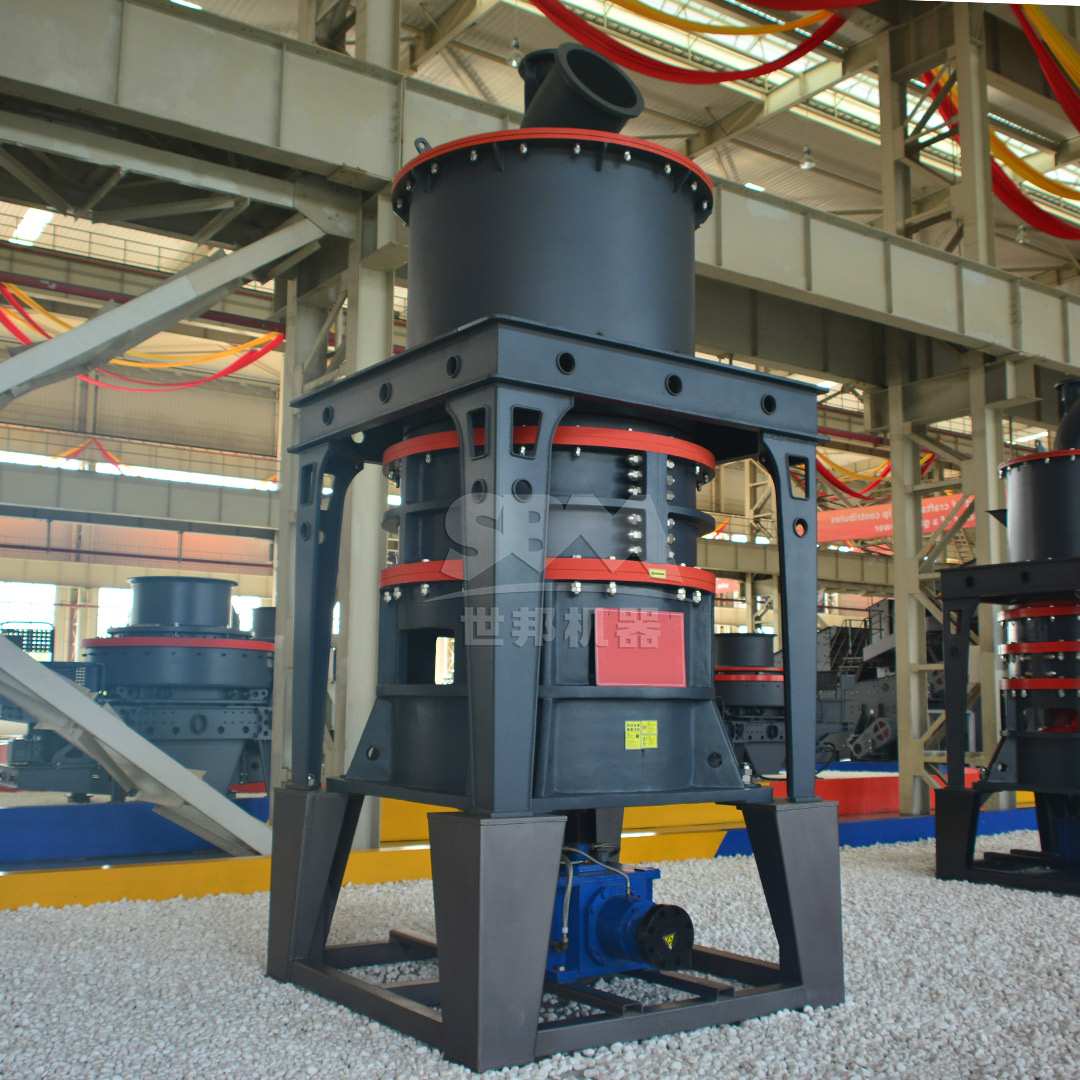
Selecting the right 200-mesh coal powder production equipment is a strategic decision that impacts both operational costs and product quality. Whether you require the high capacity of a LM vertical mill, the efficiency of an MTW trapezium mill, or the ultrafine precision of an SCM mill, our product range covers all bases. By applying the efficiency tips outlined above and choosing a model matched to your feed characteristics, you can achieve a reliable, cost-effective 200-mesh coal powder production process. Contact our engineering team for a tailored solution.
| Parameter | MTW175G | LM190K | SCM1250 |
|---|---|---|---|
| Max Capacity (t/h) | 25 | 68 | 14 |
| Main Power (kW) | 160 | 500 | 185 |
| Fineness Range | 10-325 mesh | 170-45μm | 325-2500 mesh |
| Ideal Application | General coal grinding | Large power plant/PCI | Superfine coal additives |
Note: All models are capable of meeting 200-mesh (74μm) requirements; SCM series is recommended for products requiring a finer portion.