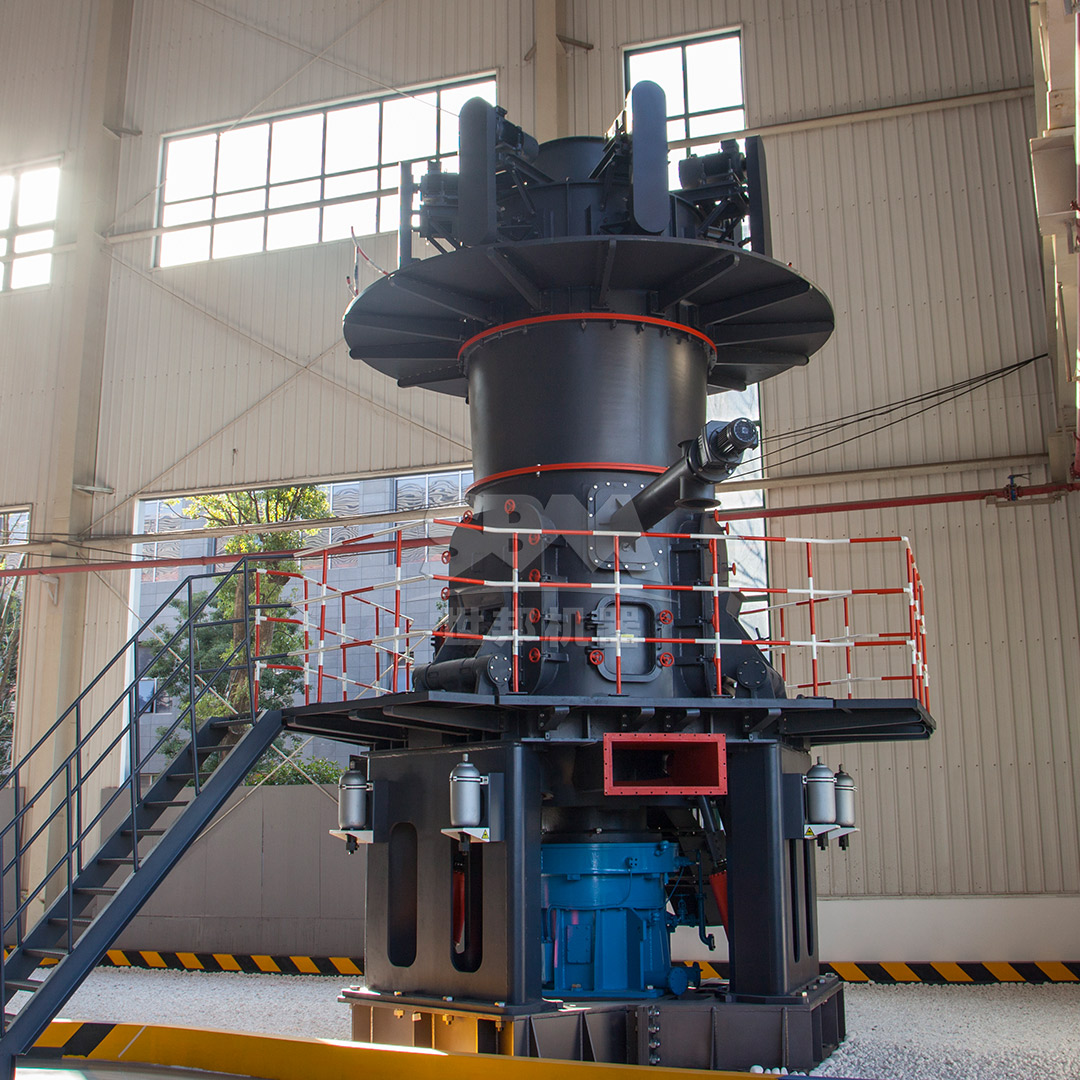
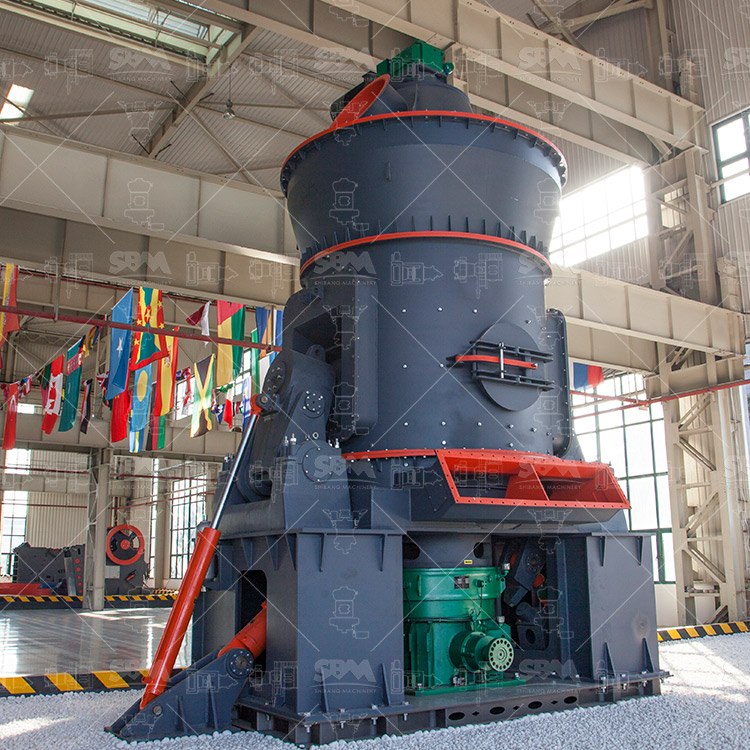
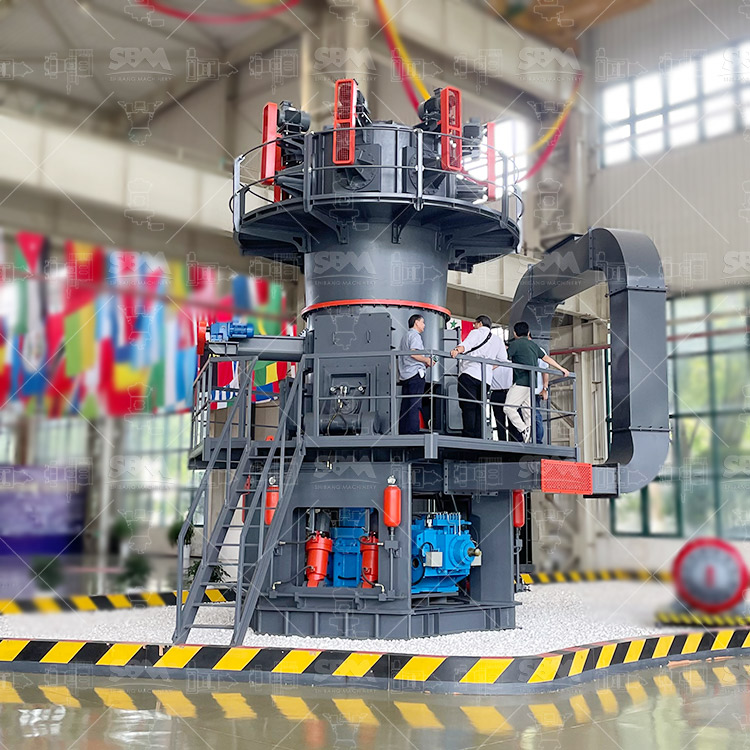
Bentonite, a highly absorbent clay primarily composed of montmorillonite, is a critical material in various chemical applications due to its unique properties such as swelling, viscosity, and thixotropy. The performance of bentonite in chemical processes is heavily dependent on its particle size and uniformity. Superfine grinding is essential to achieve the desired fineness, which enhances its reactivity, dispersion, and overall efficiency in applications like catalysts, adsorbents, and rheological modifiers.
Traditional grinding methods often fall short in producing the consistent ultra-fine particles required for high-end chemical uses. This is where advanced grinding mills come into play, offering precision, efficiency, and reliability. In this article, we explore the importance of superfine bentonite grinding and highlight cutting-edge mill technologies designed to meet these demanding requirements.
Grinding bentonite to superfine levels (typically below 5μm) presents several challenges:
Addressing these challenges requires mills with robust design, precise temperature control, and efficient classification systems.
Modern grinding mills incorporate several advanced features to overcome the challenges associated with bentonite processing:
Integrated classifiers ensure that only particles meeting the desired fineness are collected, while coarse particles are returned for further grinding. This results in a uniform product with minimal oversize particles.
Critical components like rollers and grinding rings are made from special alloys or ceramics to withstand abrasion and extend service life.
Systems such as air cooling or water jackets help manage heat generation, preserving bentonite’s inherent properties.
Advanced control systems monitor and adjust grinding parameters in real-time, ensuring consistent product quality and optimal energy use.
| Feature | Benefit | Impact on Bentonite Grinding |
|---|---|---|
| Precision Classification | Uniform Particle Size | Enhanced Reactivity |
| Wear-Resistant Components | Reduced Maintenance | Lower Operating Costs |
| Heat Management | Preserved Material Properties | Consistent Performance |
| Automated Controls | Optimized Process Parameters | Higher Efficiency |
For superfine bentonite grinding, we highly recommend our SCM Series Ultrafine Mill. This mill is specifically designed to handle materials like bentonite, delivering fineness ranging from 325 to 2500 mesh (D97 ≤5μm). Its robust construction and advanced features make it ideal for high-performance chemical applications.
The SCM Series offers multiple models to suit different production needs:
| Model | Processing Capacity (ton/h) | Main Motor Power (kW) | Input Size (mm) | Output Fineness (mesh) |
|---|---|---|---|---|
| SCM800 | 0.5-4.5 | 75 | 0-20 | 325-2500 |
| SCM900 | 0.8-6.5 | 90 | 0-20 | 325-2500 |
| SCM1000 | 1.0-8.5 | 132 | 0-20 | 325-2500 |
| SCM1250 | 2.5-14 | 185 | 0-20 | 325-2500 |
| SCM1680 | 5.0-25 | 315 | 0-20 | 325-2500 |
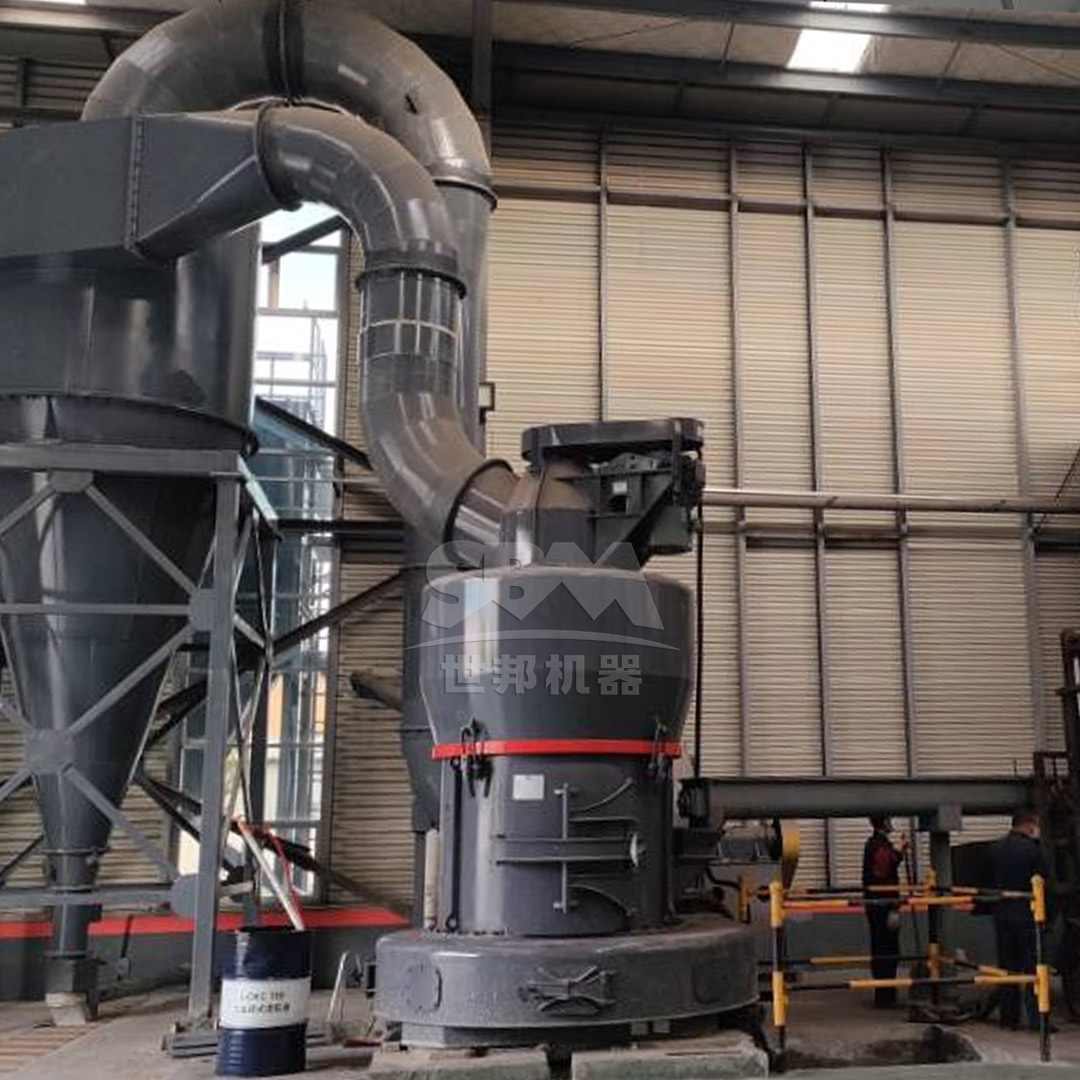
The SCM Mill operates through a multi-layer grinding ring system driven by a main motor. Material is dispersed into the grinding path by centrifugal force, progressively crushed by rollers, and finally collected by a cyclone and pulse dust removal system.
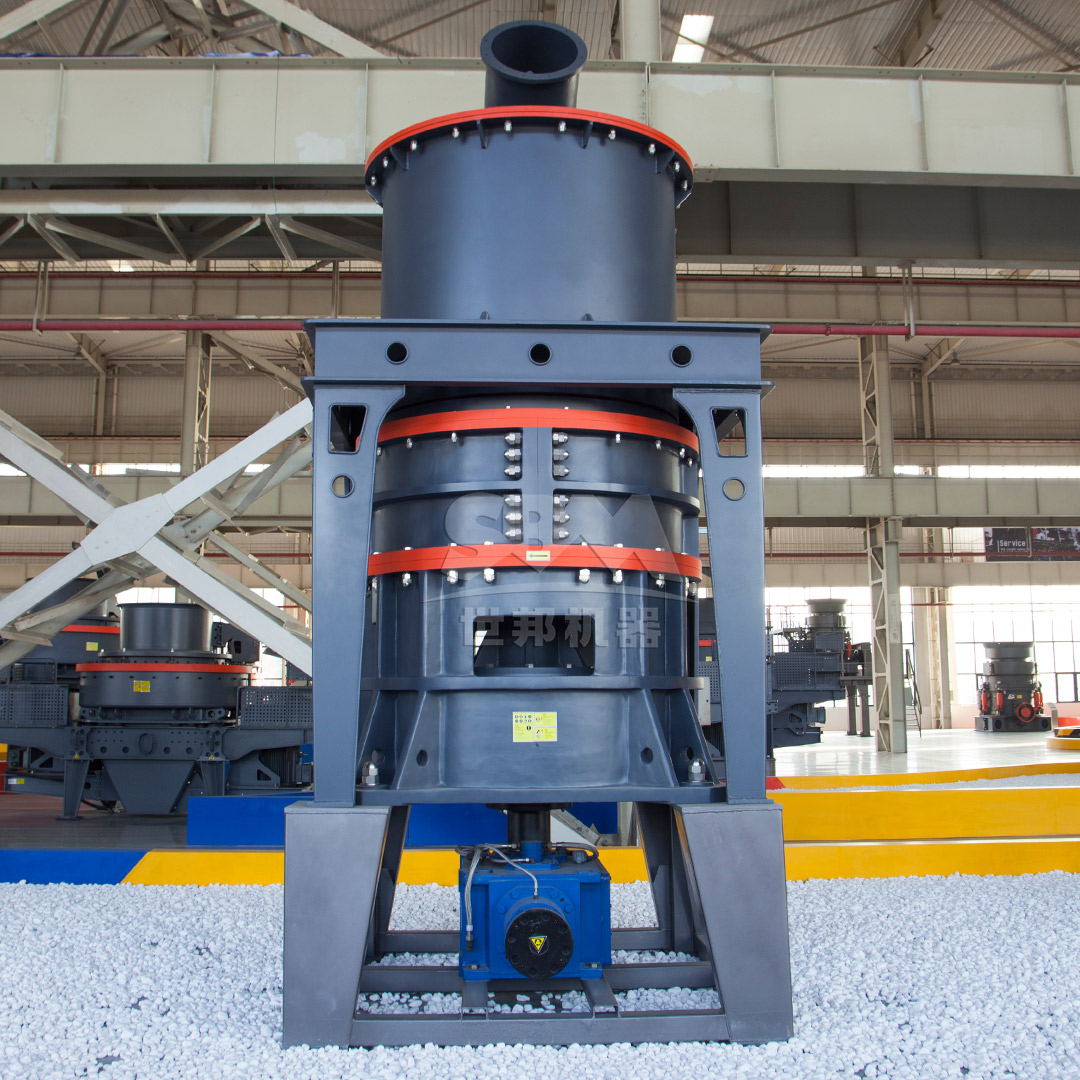
For applications requiring slightly coarser fineness or higher throughput, our MTW Series Trapezium Mill is an excellent choice. It handles input sizes up to 50mm and produces fineness from 30 to 325 mesh (up to 0.038mm), with capacities ranging from 3 to 45 tons per hour.
The MTW Mill works by having the main motor drive磨辊to revolve around the central axis while rotating itself, generating centrifugal force. Shovels throw material between the grinding ring and rollers for efficient crushing, with a classification system ensuring precise particle size control.
Superfine bentonite powder is crucial in various chemical sectors:
Fine particles increase surface area, enhancing catalytic activity and adsorption capacity for purifying gases and liquids.
In paints, coatings, and drilling fluids, superfine bentonite improves viscosity and stability, providing better control over flow properties.
Used as a suspending agent or excipient, its fine ensures smooth texture and uniform dispersion in formulations.
High surface area makes it effective in absorbing contaminants from water and soil.
Superfine grinding is essential for unlocking the full potential of bentonite in high-performance chemical applications. The right grinding mill not only achieves the desired fineness but also ensures efficiency, durability, and environmental compliance. Our SCM Ultrafine Mill and MTW Trapezium Mill are designed to meet these demands, offering advanced features that cater to the specific challenges of bentonite processing. By investing in these technologies, chemical manufacturers can enhance product quality, reduce costs, and stay competitive in the market.
For more information on our grinding solutions, contact our technical team to discuss your specific requirements and find the ideal mill for your operation.