Bentonite clay plays a critical role in geothermal drilling operations, serving as the primary component in drilling fluids that provide lubrication, cooling, and wellbore stability. The effectiveness of bentonite in these applications depends significantly on its particle size distribution and purity. Superfine grinding of bentonite enhances its swelling capacity, viscosity, and filtration control properties – all essential characteristics for efficient geothermal drilling operations in high-temperature environments.
Geothermal drilling presents unique challenges that demand superior drilling fluid performance. The extreme temperatures, high pressures, and corrosive conditions encountered in geothermal wells require bentonite with exceptional thermal stability and rheological properties. Proper grinding technology ensures that the bentonite particles achieve the optimal size distribution to maximize performance while minimizing consumption rates.
For geothermal drilling applications, bentonite typically requires grinding to a fine powder ranging from 200 to 325 mesh (74-44 microns), with some specialized applications demanding even finer particles down to 5 microns. The particle size distribution directly affects the bentonite’s swelling capacity and viscosity development. A narrow particle size distribution with minimal oversized particles ensures consistent performance and prevents settling in the drilling fluid system.
The grinding equipment must provide precise control over the final product fineness, with the capability to adjust the output according to specific drilling requirements. Equipment with integrated classification systems that can separate and return oversized particles for regrinding is particularly valuable for maintaining product consistency.
Geothermal drilling operations consume significant quantities of bentonite, with large-scale projects requiring continuous production capabilities. When selecting grinding equipment, consider both immediate needs and potential future expansion. Production requirements can range from a few tons per hour for smaller operations to 25 tons per hour or more for major drilling projects.
The grinding system should offer stable, continuous operation with minimal downtime for maintenance. Equipment with robust construction and wear-resistant components is essential for maintaining production schedules and avoiding costly interruptions to drilling operations.
Grinding operations account for a substantial portion of the energy consumption in bentonite processing. Energy-efficient mills can significantly reduce operating costs while supporting sustainability initiatives. Modern grinding technologies have made substantial advances in specific energy consumption (kWh/ton), with some systems achieving 30-50% reductions compared to conventional equipment.
Look for grinding systems with optimized mechanical designs, efficient drive systems, and intelligent control systems that automatically adjust operating parameters to minimize energy consumption while maintaining product quality.
Bentonite grinding generates dust that must be effectively controlled to protect workers and the environment. Modern grinding systems should incorporate comprehensive dust collection systems with filtration efficiency exceeding 99.9%. Additionally, noise control is an important consideration, particularly for operations located near residential areas or with strict workplace noise regulations.
Equipment with enclosed designs, effective sealing systems, and integrated pollution control technologies helps operations comply with environmental regulations while maintaining a safe working environment.
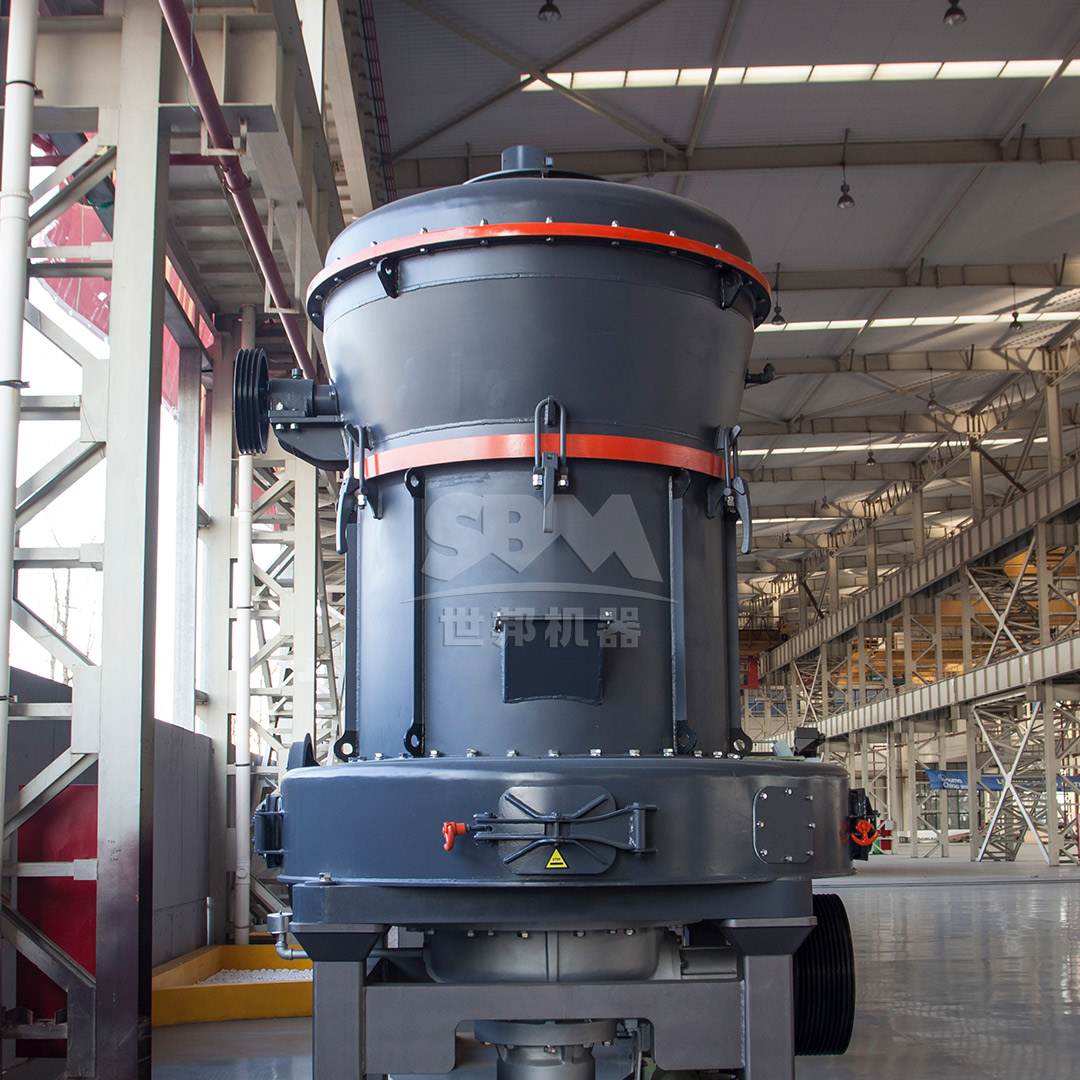
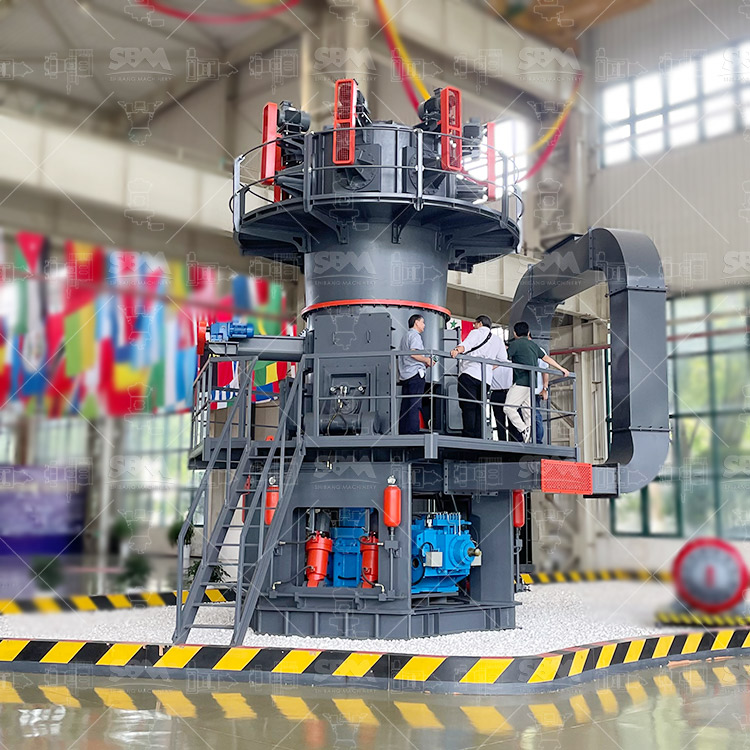
For applications requiring the finest bentonite powders, ultrafine grinding mills offer the capability to produce particles down to 5 microns (2500 mesh). These systems typically employ multiple grinding stages and precision classification to achieve the desired fineness. The SCM Ultrafine Mill represents an excellent solution for these demanding applications, with its unique combination of grinding mechanisms capable of producing bentonite powder in the range of 325-2500 mesh (45-5μm).
What makes the SCM series particularly suitable for bentonite processing is its vertical turbine classification system that ensures precise particle size control without contamination from oversized particles. The mill’s special wear-resistant materials for grinding components provide extended service life when processing abrasive materials like bentonite. With capacity ranging from 0.5 to 25 tons per hour across different models, the SCM series can be matched to various production requirements while offering energy consumption reductions of up to 30% compared to conventional grinding systems.
| Model | Processing Capacity (ton/h) | Main Motor Power (kW) | Output Fineness (mesh) | Feed Size (mm) |
|---|---|---|---|---|
| SCM800 | 0.5-4.5 | 75 | 325-2500 | ≤20 |
| SCM900 | 0.8-6.5 | 90 | 325-2500 | ≤20 |
| SCM1000 | 1.0-8.5 | 132 | 325-2500 | ≤20 |
| SCM1250 | 2.5-14 | 185 | 325-2500 | ≤20 |
| SCM1680 | 5.0-25 | 315 | 325-2500 | ≤20 |
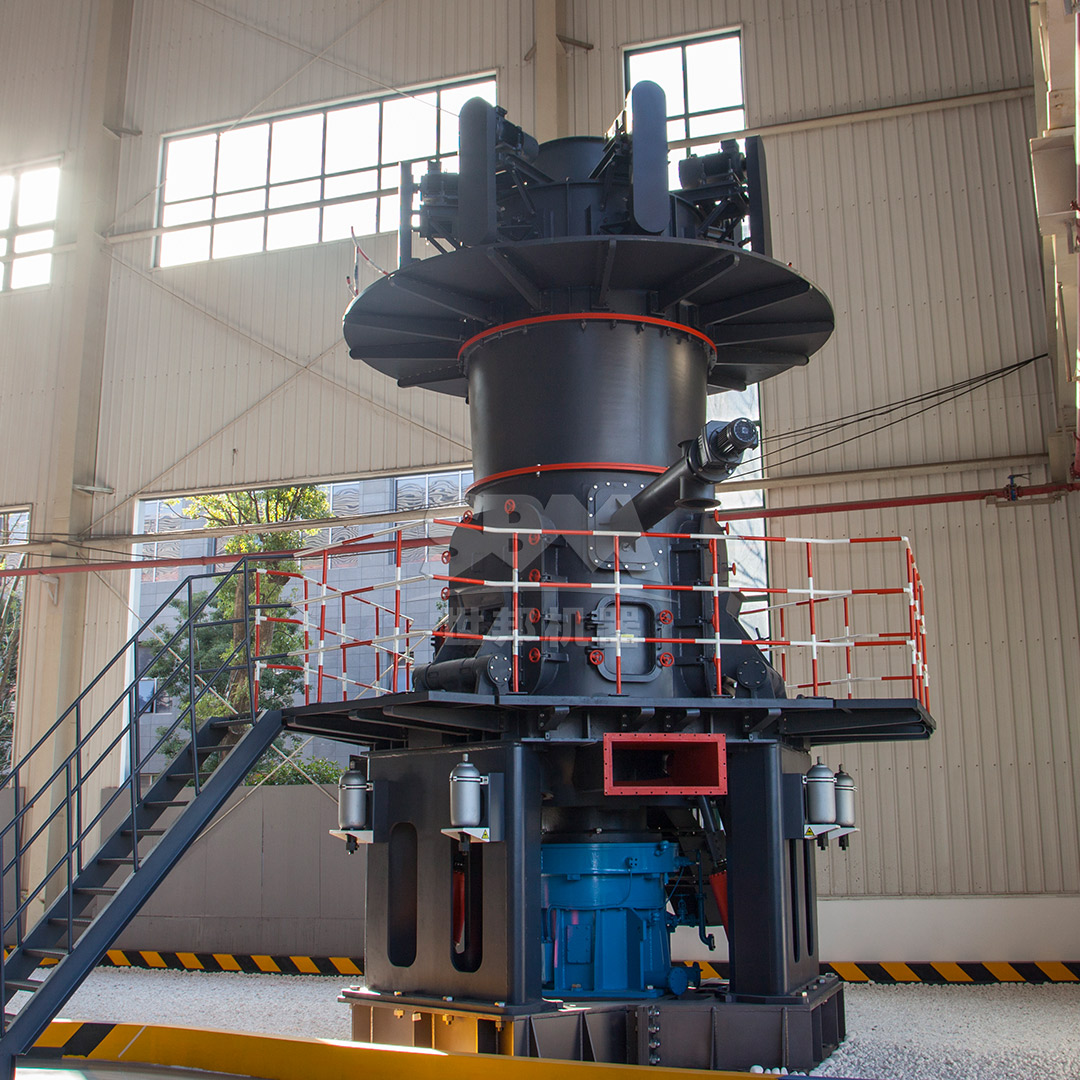
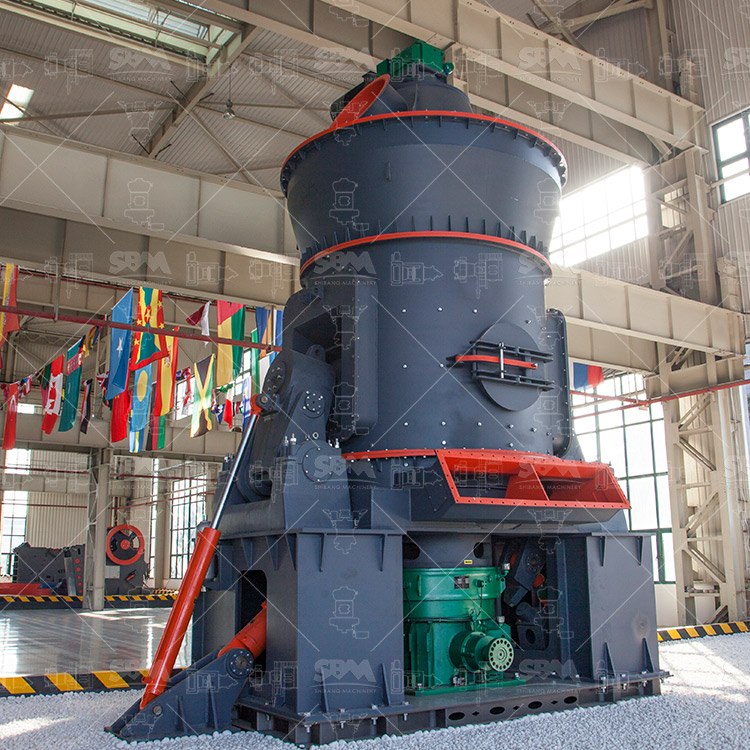
Vertical roller mills offer an efficient solution for medium to large-scale bentonite grinding operations. These systems integrate multiple functions – crushing, grinding, drying, and classification – into a single compact unit, reducing footprint and installation costs. The LM Series Vertical Roller Mill provides excellent performance for bentonite processing, with capabilities ranging from 30 to 325 mesh (600-45μm) and capacities from 3 to 250 tons per hour depending on the specific model.
The LM series incorporates several technological advantages particularly beneficial for bentonite processing. Its centralized design reduces space requirements by up to 50% compared to traditional grinding systems, while the non-contact grinding roller and table design extends wear part life significantly. The intelligent control system allows for remote operation and real-time monitoring of key parameters, ensuring consistent product quality with minimal operator intervention.
For geothermal drilling applications where consistent particle size distribution is critical, the LM series’ integrated dynamic classifier provides precise control over the final product fineness. The mill’s ability to handle moist bentonite (up to 15% moisture content) without pre-drying in some configurations offers additional process flexibility and energy savings.
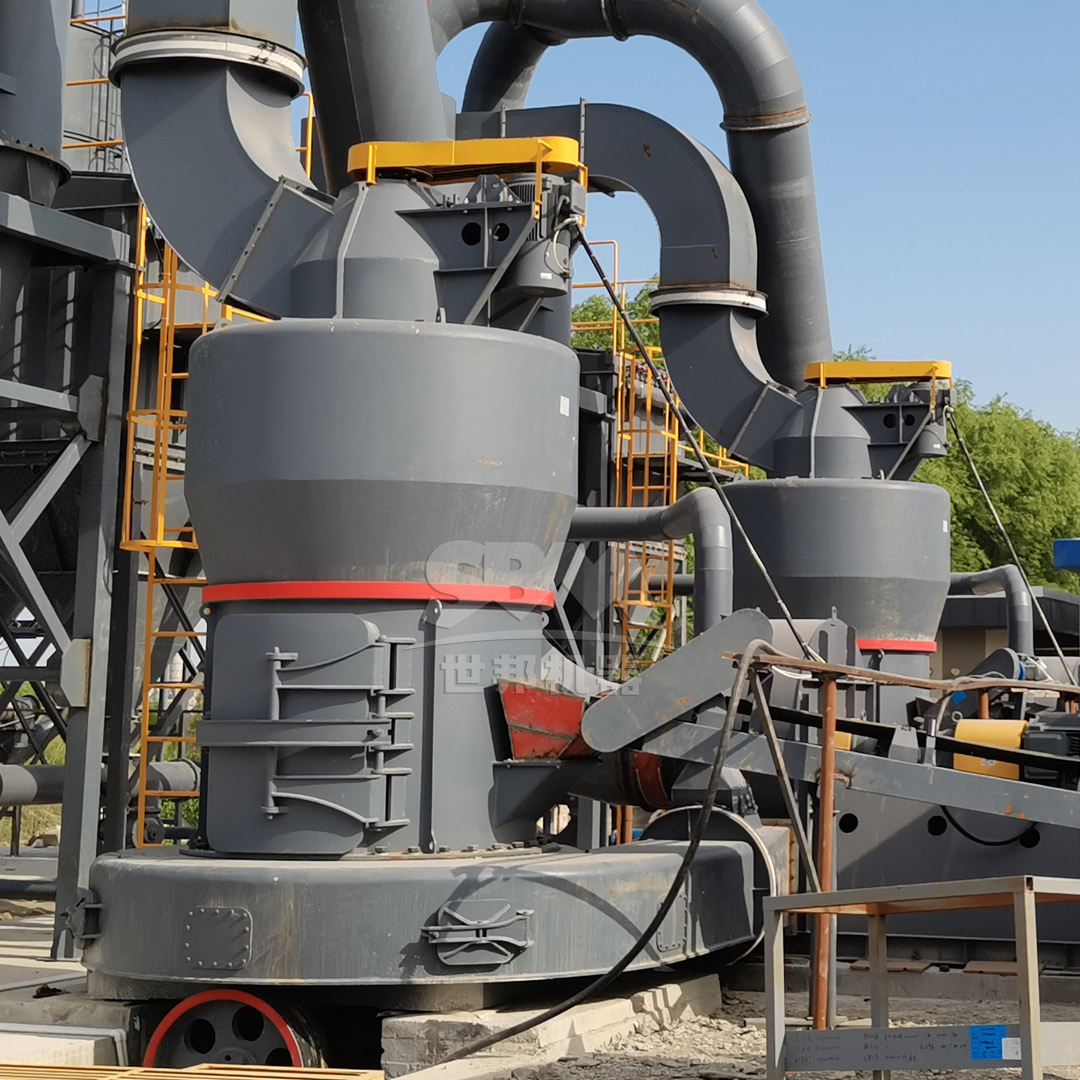
Medium-speed trapezium mills represent a balanced solution for bentonite grinding, offering good efficiency across a wide range of fineness requirements. The MTW Series Trapezium Mill processes bentonite from 30 to 325 mesh (600-45μm) with capacities from 3 to 45 tons per hour. Its curved air duct design minimizes energy losses during material transport, while the wear-resistant shovel blades reduce maintenance requirements.
The MTW series incorporates several features that enhance its suitability for bentonite processing. The conical gear transmission system achieves 98% transmission efficiency, reducing energy consumption. The wear-resistant volute structure improves air classification efficiency while lowering maintenance costs by approximately 30%. These mills also feature comprehensive dust collection systems that ensure compliance with environmental standards.
| Technology | Output Fineness | Capacity Range (ton/h) | Energy Efficiency | Best Application |
|---|---|---|---|---|
| SCM Ultrafine Mill | 325-2500 mesh | 0.5-25 | High | Ultrafine bentonite for specialized drilling |
| LM Vertical Mill | 30-325 mesh | 3-250 | Very High | Large-scale production |
| MTW Trapezium Mill | 30-325 mesh | 3-45 | High | Medium-scale balanced operation |
| Ball Mill | 0.074-0.8mm | 0.65-450 | Medium | Coarse grinding applications |
For geothermal drilling operations requiring the highest quality bentonite with superior swelling properties and filtration control, the SCM Ultrafine Mill represents the optimal solution. Its ability to produce bentonite powder with D97 ≤ 5μm ensures maximum surface area and hydration capacity. The mill’s vertical turbine classification system guarantees a narrow particle size distribution without contamination from oversized particles that could compromise drilling fluid performance.
The SCM series incorporates several features specifically beneficial for bentonite processing. The special material grinding rollers and rings provide extended service life when processing abrasive bentonite. The intelligent control system automatically maintains the target product fineness by adjusting operational parameters in real-time. With noise levels below 75dB and pulse dust collection efficiency exceeding international standards, the SCM series supports environmentally responsible operations.
For geothermal drilling companies operating in sensitive environments or with strict emissions regulations, the SCM series’ comprehensive environmental controls ensure compliance while maintaining production efficiency. The mill’s modular design facilitates maintenance and parts replacement, minimizing downtime – a critical consideration for operations supporting active drilling projects.
For major geothermal drilling operations with high volume bentonite requirements, the LM Series Vertical Roller Mill offers unmatched efficiency and reliability. With capacities up to 250 tons per hour, this technology can support the most demanding production schedules. The mill’s integrated design combines multiple process steps into a single unit, reducing space requirements and installation complexity.
The LM series demonstrates particular advantages in energy efficiency, consuming 30-40% less power than traditional ball mill systems – a significant consideration given that grinding represents a major portion of bentonite processing costs. The mill’s ability to operate in negative pressure ensures dust-free operation, while the automated control system reduces labor requirements and improves product consistency.
For drilling operations with variable bentonite specifications, the LM series offers flexible adjustment of product fineness from 30 to 325 mesh (600-45μm), with special configurations capable of achieving 600 mesh. This flexibility allows producers to quickly adapt to changing customer requirements without major process modifications.
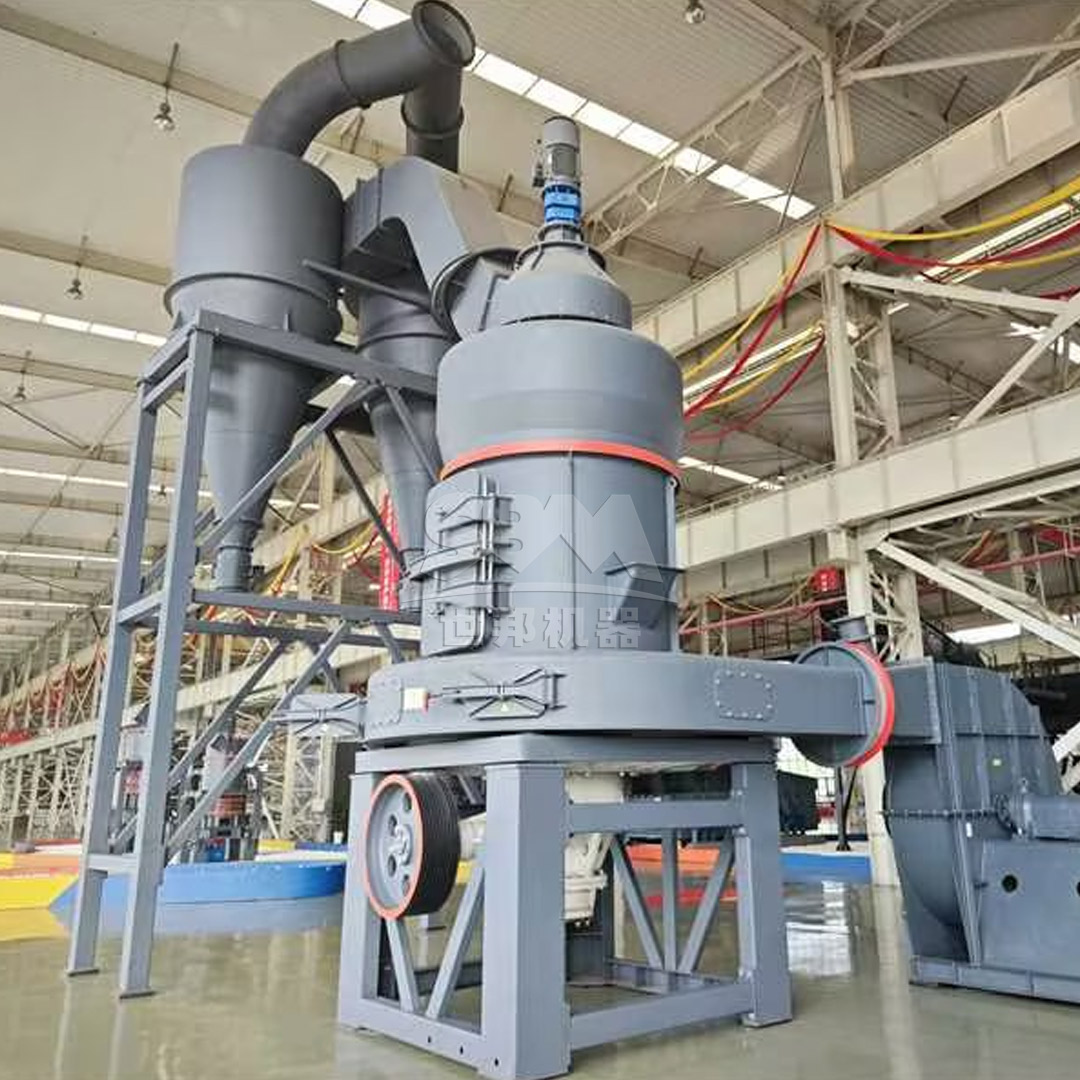
When evaluating bentonite grinding equipment, consider the total cost of ownership rather than just the initial investment. Key factors include energy consumption, wear part replacement costs, maintenance requirements, and operational flexibility. Modern grinding technologies like the SCM Ultrafine Mill and LM Vertical Roller Mill typically offer lower operating costs despite higher initial investment, with payback periods often under two years for high-volume operations.
Energy consumption represents the largest ongoing expense in bentonite grinding. Technologies that reduce specific energy consumption by 30% or more can generate substantial savings, particularly for operations running multiple shifts. Additionally, equipment with extended wear part life reduces both direct replacement costs and production losses during maintenance downtime.
The selected grinding equipment must integrate smoothly with existing bentonite processing operations, including drying, packaging, and material handling systems. Consider factors such as feed size compatibility, moisture content handling capability, and physical dimensions when planning the integration. Both the SCM and LM series offer flexible configuration options to accommodate various plant layouts and process requirements.
For operations with limited space, vertical mills provide significant advantages due to their compact footprint. The LM series in particular requires up to 50% less space than traditional grinding systems, making it suitable for facility expansions where space is constrained.
Reliable technical support and responsive service are essential for maintaining continuous bentonite production. When selecting grinding equipment, consider the manufacturer’s reputation for service responsiveness, parts availability, and technical expertise. Established suppliers typically offer comprehensive service packages including installation supervision, operator training, preventive maintenance programs, and emergency support.
Modern grinding systems increasingly incorporate remote monitoring capabilities that allow manufacturers to diagnose issues and optimize performance without site visits. These digital services can significantly reduce downtime and improve operational efficiency, particularly for operations in remote locations where technical expertise may be limited.
Selecting the appropriate bentonite grinding mill for geothermal drilling applications requires careful consideration of multiple technical, operational, and economic factors. The specific requirements of geothermal drilling fluids – particularly the need for consistent particle size distribution, high swelling capacity, and thermal stability – demand grinding technologies capable of precise control over product characteristics.
For most geothermal drilling applications, the SCM Ultrafine Mill and LM Vertical Roller Mill represent the optimal solutions, offering the right balance of product quality, production efficiency, and operational reliability. The SCM series excels in applications requiring the finest bentonite powders with tight particle size distributions, while the LM series provides unmatched efficiency for large-scale production. Both technologies incorporate advanced features that reduce energy consumption, minimize environmental impact, and ensure consistent product quality – all critical factors for successful geothermal drilling operations.
By carefully matching grinding technology to specific application requirements and considering the total cost of ownership rather than just initial investment, bentonite producers can optimize their operations to reliably supply the high-quality materials essential for efficient geothermal drilling.