The construction industry’s demand for high-quality plaster products has never been higher, driving the need for advanced processing technologies that can deliver consistent particle size distribution, optimal purity, and superior performance characteristics. Among the various grinding technologies available, roller mills have emerged as the preferred solution for gypsum processing due to their exceptional efficiency, precision, and reliability. This comprehensive analysis explores how modern roller mill technology transforms raw gypsum into premium construction plaster while highlighting the technical innovations that make this possible.
Gypsum processing presents unique challenges that demand specialized equipment. The mineral’s natural crystalline structure requires careful handling to preserve its beneficial properties while achieving the fine particle sizes necessary for construction applications. Traditional grinding methods often fall short in maintaining consistent quality, leading to variations in setting time, strength development, and workability. Modern roller mills address these challenges through advanced engineering principles that optimize every aspect of the grinding process.
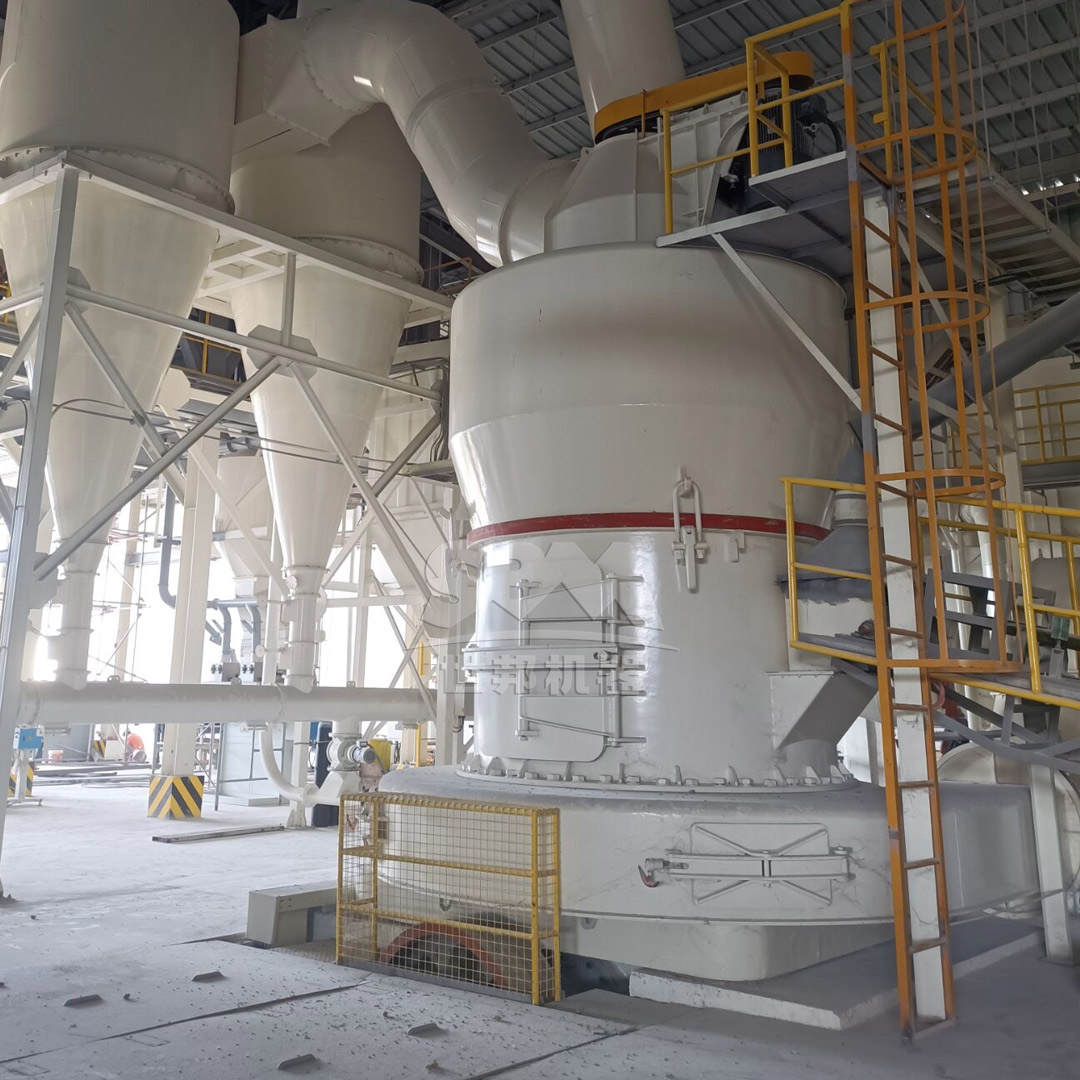
Contemporary roller mills employ sophisticated grinding mechanisms that combine multiple forces to achieve optimal particle size reduction. The fundamental principle involves applying controlled pressure between rotating grinding elements, creating a bed of material that undergoes compressive and shear forces. This approach differs significantly from impact-based grinding methods, resulting in more uniform particle distribution and reduced energy consumption. The absence of direct metal-to-metal contact in advanced designs further minimizes contamination and wear, ensuring product purity.
Modern roller mills incorporate sophisticated automation and control systems that continuously monitor and adjust operational parameters. These systems utilize real-time data from multiple sensors to optimize grinding pressure, feed rate, and classifier speed, ensuring consistent product quality despite variations in raw material characteristics. The integration of predictive maintenance algorithms further enhances reliability by identifying potential issues before they impact production.
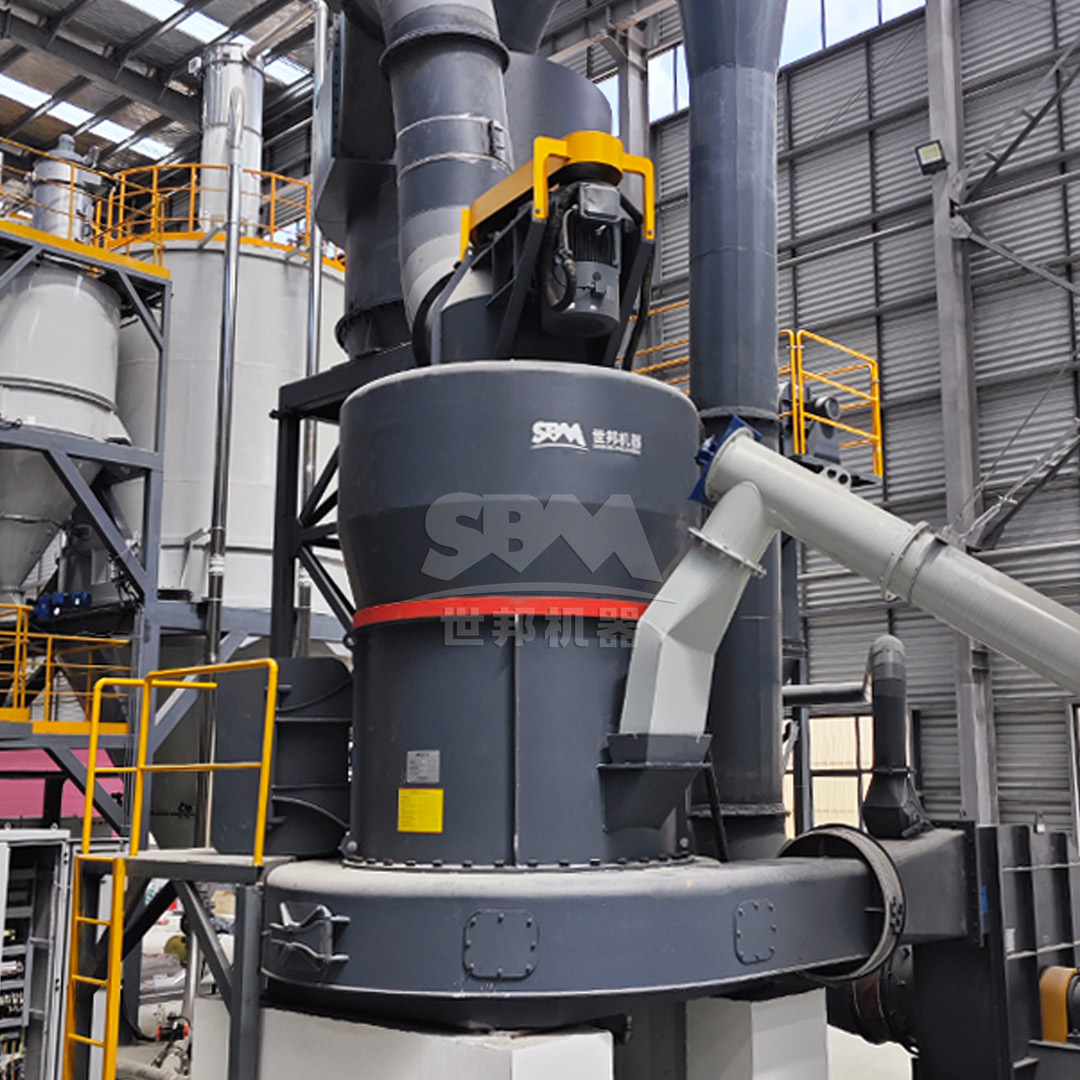
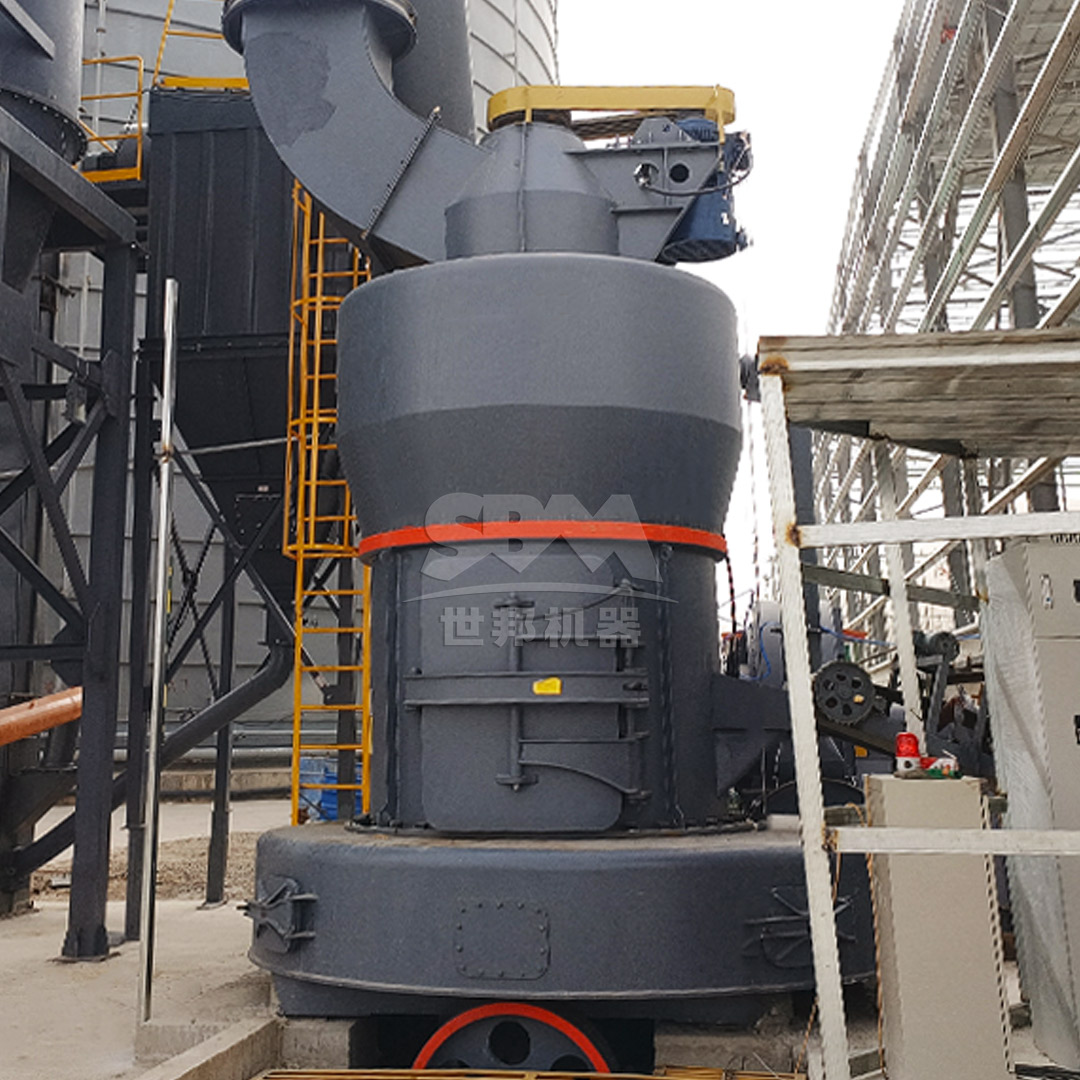
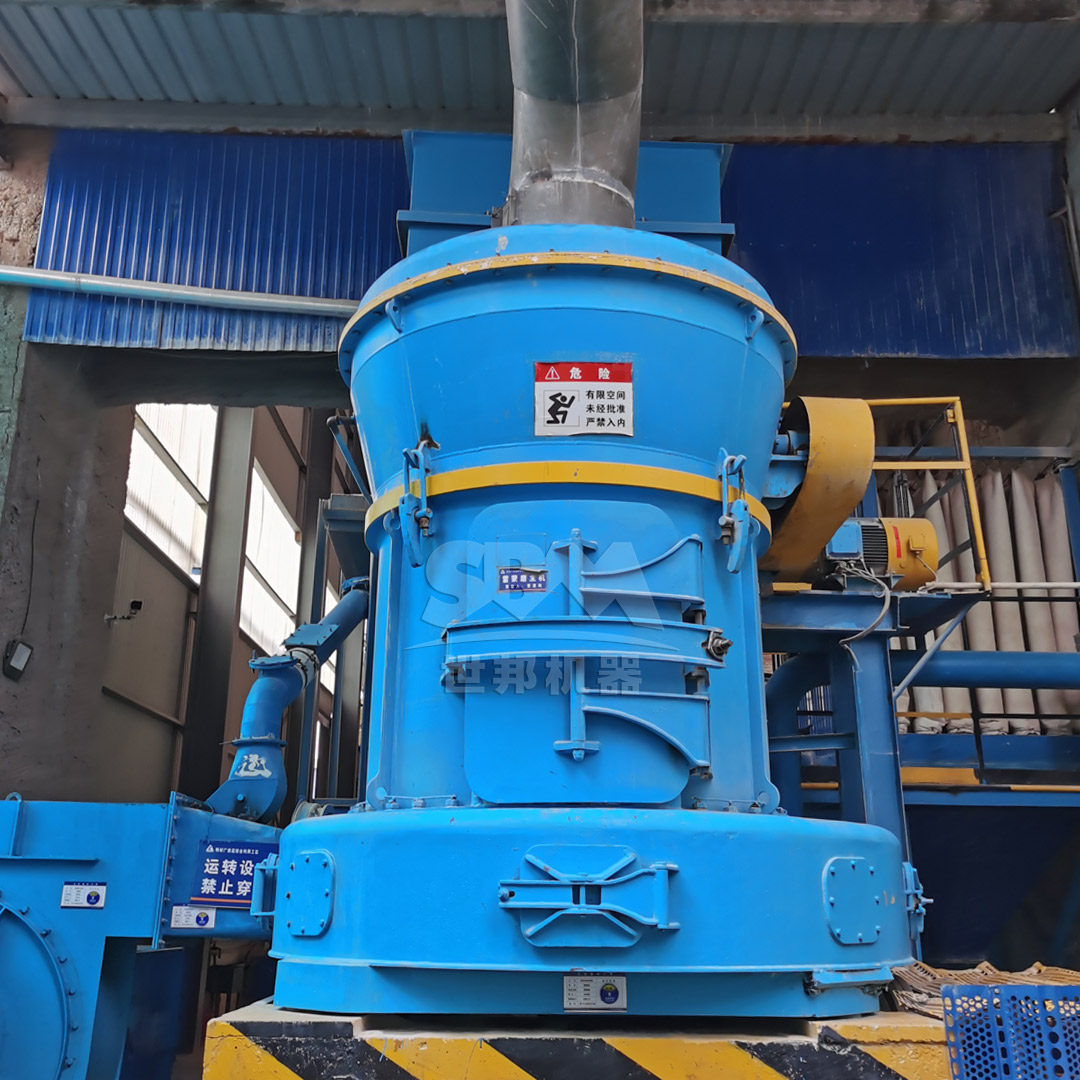
For operations requiring high-capacity production of standard construction plaster, the MTW Series Trapezium Mill represents an ideal solution. This advanced mill system combines robust construction with precision engineering to deliver exceptional performance across the entire gypsum processing spectrum.
| Technical Feature | Benefit for Gypsum Processing |
|---|---|
| Anti-wear shovel design | Reduces maintenance costs and extends component life |
| Curved air channel optimization | Improves transmission efficiency and reduces energy consumption |
| Bevel gear integral transmission | 98% transmission efficiency with compact footprint |
| Wear-resistant volute structure | Enhances air classification efficiency and reduces maintenance |
The MTW Series demonstrates particular excellence in processing gypsum to standard construction plaster specifications (30-325 mesh), with throughput capacities ranging from 3-45 tons per hour depending on specific model configuration. The mill’s intelligent pressure regulation system automatically compensates for roller wear, maintaining consistent grinding performance throughout the equipment’s operational life.
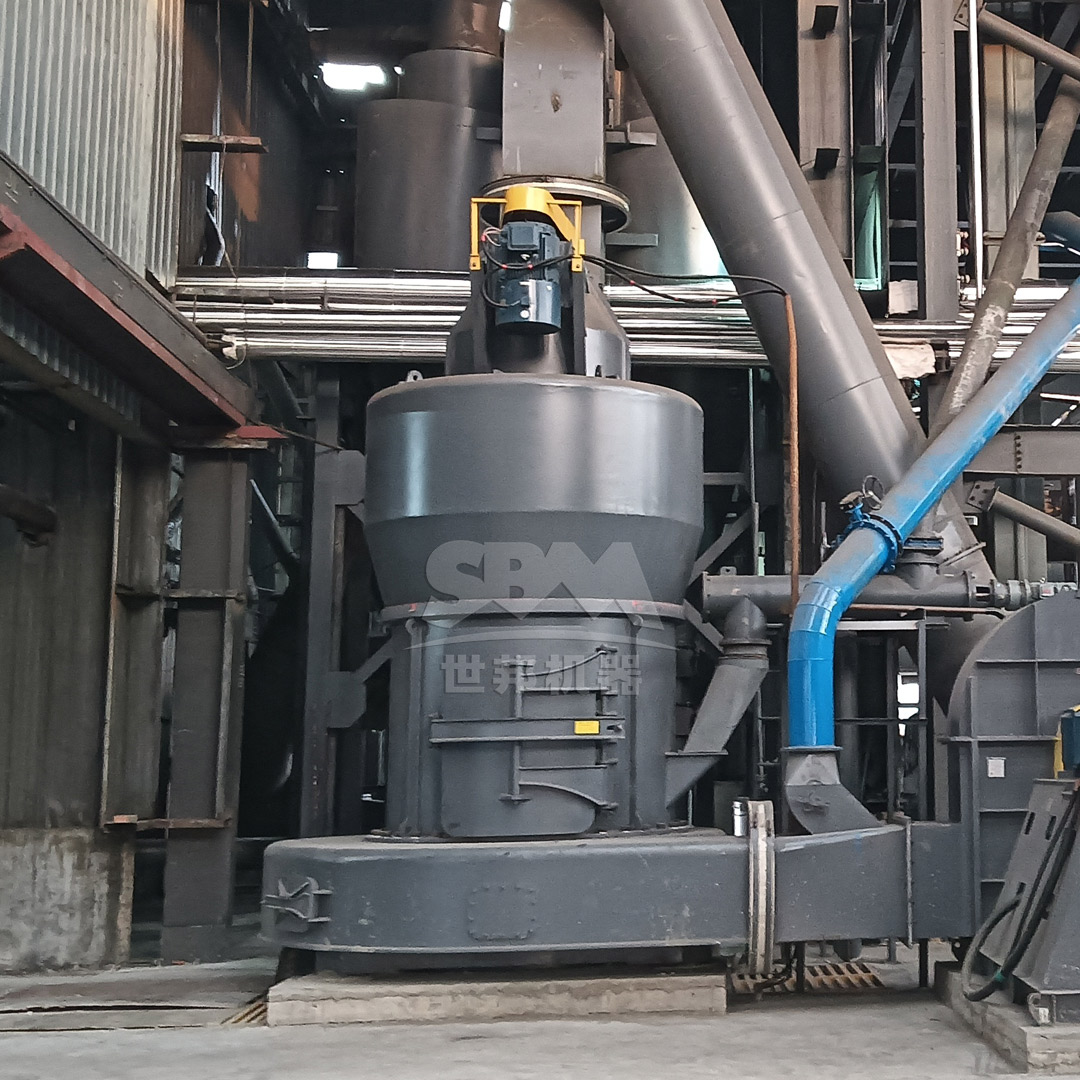
For applications requiring ultra-fine gypsum powders for specialty construction products, the SCM Ultrafine Mill delivers unparalleled performance. This cutting-edge system achieves remarkable fineness levels up to 2500 mesh (D97 ≤ 5μm) while maintaining exceptional energy efficiency.
| Model | Capacity (ton/h) | Main Motor Power | Output Fineness |
|---|---|---|---|
| SCM800 | 0.5-4.5 | 75 kW | 325-2500 mesh |
| SCM1000 | 1.0-8.5 | 132 kW | 325-2500 mesh |
| SCM1250 | 2.5-14 | 185 kW | 325-2500 mesh |
| SCM1680 | 5.0-25 | 315 kW | 325-2500 mesh |
The SCM Ultrafine Mill incorporates several innovative features specifically beneficial for high-quality gypsum processing. Its vertical turbine classifier enables precise particle size control, ensuring uniform distribution without coarse particle contamination. The intelligent control system provides automatic feedback regulation of final product fineness, while the specially designed grinding chamber with roller and ring made from wear-resistant materials significantly extends service life compared to conventional mills.
Modern roller mills demonstrate remarkable energy efficiency in gypsum processing applications. The SCM Ultrafine Mill, for instance, achieves approximately 30% lower energy consumption compared to traditional jet mills while delivering double the production capacity. This efficiency translates directly to reduced operating costs and improved environmental performance, critical considerations in today’s competitive construction materials market.
The precision grinding and classification systems in advanced roller mills ensure exceptional consistency in final product quality. For gypsum processing, this means predictable setting times, optimized strength development, and superior workability in the final plaster products. The ability to maintain tight particle size distributions across production batches provides manufacturers with a significant competitive advantage in markets where product performance is paramount.
Contemporary roller mill designs incorporate comprehensive environmental protection features that exceed international standards. Advanced pulse dust collection systems achieve filtration efficiencies above 99.9%, while innovative noise reduction technologies maintain operational sound levels below 75 dB. These features ensure compliance with the strictest environmental regulations while creating safer working conditions for operational personnel.
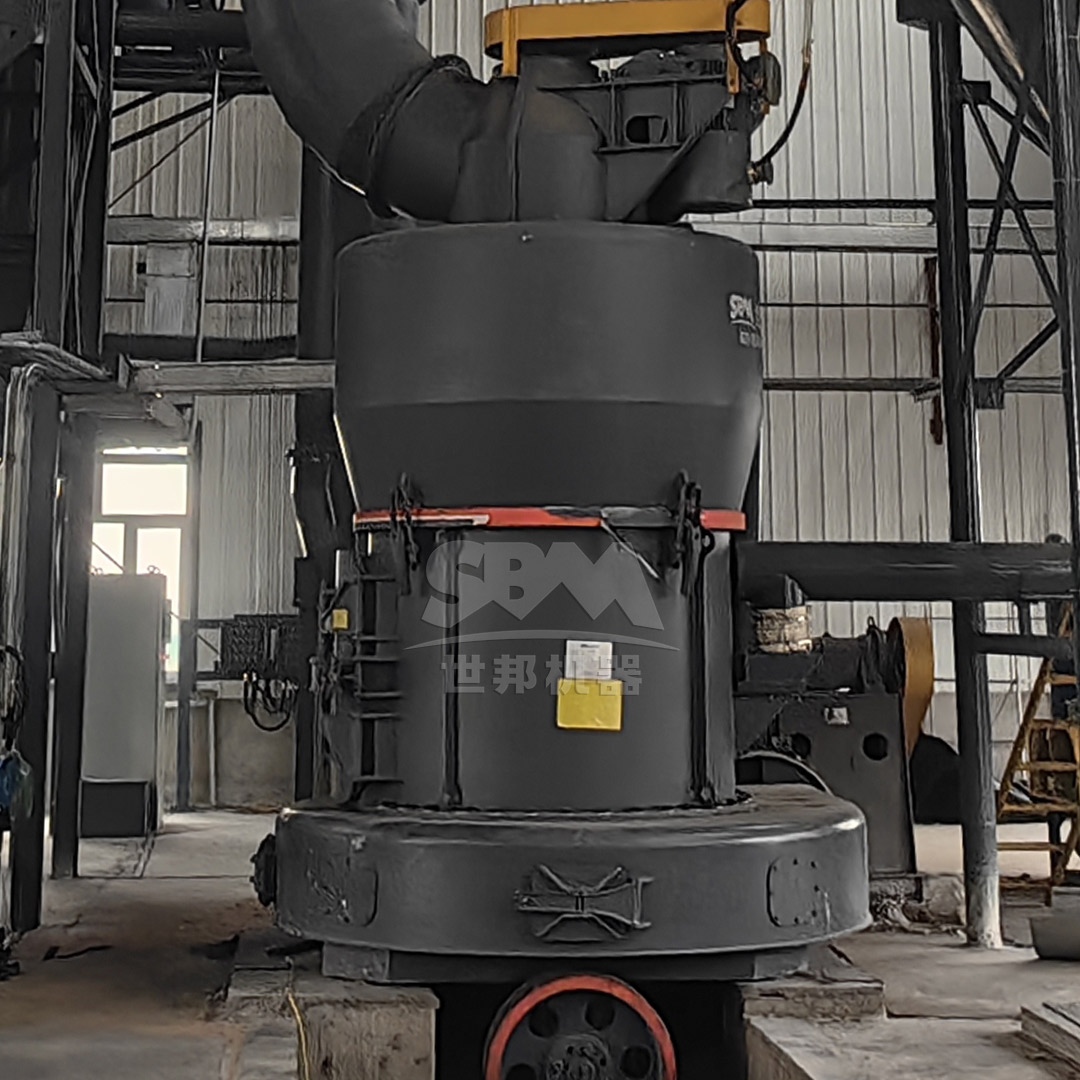
Successful implementation of roller mill technology in gypsum processing requires careful consideration of system integration factors. Proper feed system design, product handling infrastructure, and ancillary equipment selection all contribute to overall system performance. The modular design of modern mills like the MTW and SCM series facilitates seamless integration into both new and existing processing facilities, minimizing installation complexity and downtime.
The advanced design features of contemporary roller mills significantly reduce maintenance requirements compared to traditional grinding equipment. Features such as the wear-resistant grinding elements in the SCM series and the easily replaceable shovel components in the MTW series extend service intervals and reduce total cost of ownership. Remote monitoring capabilities further enhance operational efficiency by enabling proactive maintenance planning and rapid troubleshooting.
The future of gypsum processing lies in increasingly digitalized operations with full Industry 4.0 integration. Next-generation roller mills will feature enhanced connectivity, advanced analytics capabilities, and autonomous optimization systems that continuously adapt to changing raw material characteristics and production requirements. These developments will further improve energy efficiency, product consistency, and operational reliability.
Environmental considerations will continue to drive innovation in gypsum processing technology. Future roller mill designs will focus on further reducing energy consumption, minimizing water usage in cooling systems, and enhancing material efficiency through improved classification systems. The integration of renewable energy sources and advanced heat recovery systems will also contribute to more sustainable plaster production.
The evolution of roller mill technology has fundamentally transformed gypsum processing for construction plaster applications. Equipment such as the MTW Series Trapezium Mill and SCM Ultrafine Mill deliver unprecedented levels of efficiency, quality control, and operational reliability that provide manufacturers with significant competitive advantages. As market demands for higher performance and more sustainable construction materials continue to grow, these advanced grinding technologies will play an increasingly critical role in meeting industry requirements while optimizing production economics. By embracing these innovations, gypsum processors can position themselves for long-term success in an increasingly competitive global market.